You’re standing in the grocery aisle staring at a gallon of distilled water, wondering if it’s the smart choice for your coffee maker or a one-way ticket to a broken machine. The question “Can You Use Distilled Water in Coffee Maker” gets tossed around coffee forums and kitchen conversations constantly, and the answers you’ll find are all over the map. Some people swear by it for preventing scale buildup, while others claim it ruined their espresso machine within months.
The truth is more nuanced than a simple yes or no. Per Specialty Coffee Association (SCA) water standards, ideal brewing water falls between 75 and 150 parts per million (ppm) of total dissolved solids. Distilled water sits at exactly zero ppm.
That gap is where the real story begins. Let’s walk through what actually happens inside your machine and how to decide what’s right for your setup.
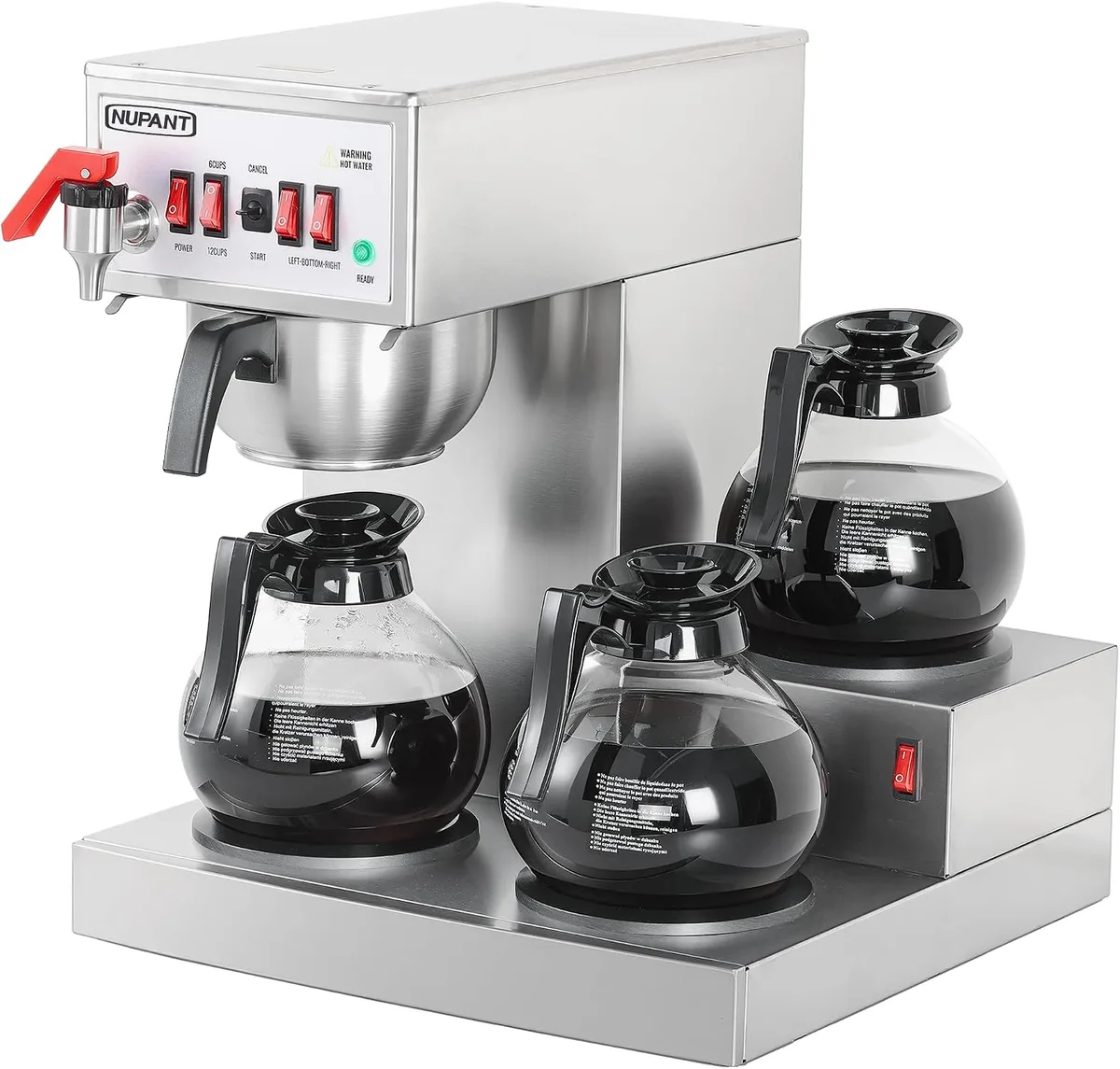
Image source: Web (Bing) / amazon.com
Why Accuracy Matters in This Decision
This isn’t one of those kitchen debates where you can experiment and see what happens. Using the wrong water type can damage heating elements, corrode internal components, and void your manufacturer’s warranty. A $3 gallon of distilled water could end up costing you hundreds in repairs or a full replacement.
The problem is that most coffee makers look identical on the outside but have very different guts. Some use aluminum boilers. Others use stainless steel.
Budget drip machines often have unlined aluminum heating chambers, while higher-end espresso machines use brass or stainless. Each material reacts differently to mineral-free water.
Manufacturers design their machines around tap water chemistry. When you remove every trace of mineral content, you change how the water behaves inside that system. It becomes more aggressive.
It wants to grab minerals from wherever it can find them including the metal walls of your boiler.
Here’s what the research and aggregate user reviews consistently show.
| Water Type | Scale Risk | Corrosion Risk | Taste Quality | Warranty Safe |
|---|---|---|---|---|
| Hard tap water | High | Low | Variable | Yes (most) |
| Soft tap water | Moderate | Low | Variable | Yes (most) |
| Filtered tap water | Low | Low | Good | Yes |
| Distilled water | None | High (aluminum) | Flat | Usually no |
| Reverse osmosis water | None | Moderate | Flat | Usually no |
The core question comes down to your specific machine model and your willingness to add minerals back into that distilled water before brewing.
Quick Answer: Yes, But With a Catch
You can use distilled water in a coffee maker. But you should not use it alone. Pure distilled water lacks the minerals that make coffee taste right and protect your machine from corrosion.
The safest approach is to remineralize distilled water before brewing. Commercial packets exist for exactly this purpose. They add back the right balance of calcium, magnesium, and bicarbonates that coffee needs for proper extraction.
If you use straight distilled water long-term in an aluminum boiler machine, you risk corrosion. If you use it in a machine with a stainless steel boiler, the risk is lower but your coffee will taste flat. The exception is using distilled water strictly for steam wands on espresso machines where mineral-free water keeps the wand from clogging.
Skip straight distilled for brewing. Use it only if you plan to add minerals back.
The Core Problem: What Distilled Water Does Inside Your Machine
Understanding the chemistry helps you make a smarter call. Distilled water is essentially pure H₂O with virtually nothing else dissolved in it. That sounds clean and harmless, but pure water is actually quite aggressive.
The scale prevention benefit
Hard water contains calcium and magnesium bicarbonates. When you heat hard water, those minerals precipitate out and form scale on your heating element. Scale acts as an insulator, making your machine work harder and eventually fail.
Distilled water eliminates this problem completely. No minerals means no scale formation.
The corrosion problem
Here’s where it gets tricky. Pure water wants to equilibrate with its surroundings. When it contacts metal, it can pull ions from that metal into solution.
This process accelerates at higher temperatures. An aluminum boiler filled with distilled water and heated to near boiling becomes a corrosion environment.
The Specialty Coffee Association’s water handbook notes that distilled water is “potentially corrosive to copper and brass components.” Many coffee makers use brass fittings at connection points. Some use copper tubing. Over months of use, you could be leaching trace amounts of these metals into your brew.
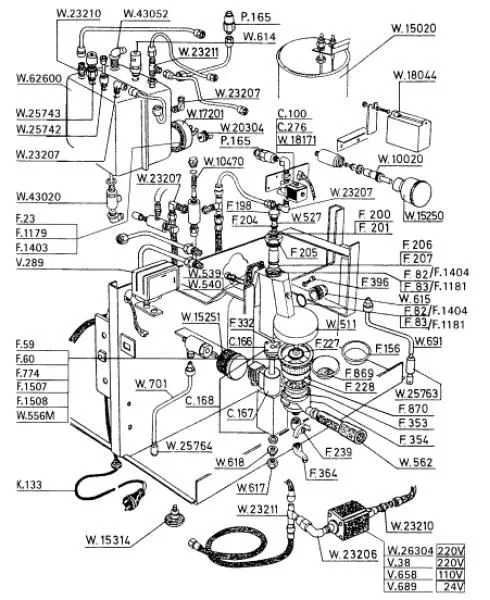
Image source: Web (Bing) / pinterest.com
The taste problem
Your coffee needs dissolved minerals to extract properly from the grounds. Specifically, magnesium and calcium ions help pull flavor compounds out of coffee. Without them, extraction is weaker and less balanced.
The result is a flat, sometimes sour cup that lacks body.
Professional baristas call this “under-extraction.” Even if you grind finer or brew longer, you cannot fully fix the missing mineral problem. The water simply cannot do its job.
The conductivity issue
Many modern coffee makers use water level sensors that rely on electrical conductivity. Pure distilled water conducts electricity poorly. Some machines cannot detect that water is present and will refuse to heat or pump.
This is a common complaint from Keurig and Breville owners who tried distilled water and got error messages.
If your machine has automatic shutoff or a water level indicator, check whether it uses conductivity sensing. The manual may mention this specifically.
| Metal Type | Distilled Water Risk | Common Machine Location |
|---|---|---|
| Aluminum (unlined) | High corrosion | Budget drip machines |
| Aluminum (lined) | Low risk | Mid-range machines |
| Stainless steel | Low risk | Higher-end machines |
| Brass | Moderate corrosion | Fittings, group heads |
| Copper | Moderate corrosion | Internal tubing |
| Glass | No risk | Carafes, boilers |
Real Risks of Long-Term Use
If you use distilled water for months without remineralizing, several things can happen. Some are gradual. Some can hit you suddenly.
Corrosion in aluminum boilers
The most documented risk involves unlined aluminum boilers found in many budget drip machines and some mid-range espresso machines. Aluminum normally forms a protective oxide layer, but distilled water can strip that layer away. Once that happens, the bare aluminum corrodes and pits.
User forums and repair technician reports consistently show pitted heating elements and flaking aluminum inside machines that ran exclusively on distilled water. This damage is irreversible.
Leaching from brass fittings
Brass contains copper and zinc. Distilled water can leach these metals into your brew. Copper levels above certain thresholds can cause metallic flavors and potential health concerns with prolonged exposure.
The NSF and FDA set limits on copper in drinking water for a reason.
A study from the University of Nebraska Extension on water quality notes that low-mineral water increases the rate of metal leaching from plumbing materials.
Voided manufacturer warranty
This is the one that stings most. Many manufacturer manuals explicitly state water requirements. Breville, De’Longhi, and Keurig all recommend using filtered tap water or bottled spring water.
Some go further and say “do not use distilled or demineralized water.” If a technician finds corrosion and identifies it as caused by distilled water use, your warranty claim will be denied.
Here is a quick reference table for common brands.
| Brand | Water Recommendation | Distilled Mentioned? |
|---|---|---|
| Breville | Filtered tap water | Yes, avoid |
| Keurig | Bottled or filtered | Yes, avoid |
| De’Longhi | Soft tap or bottled | Usually yes |
| Cuisinart | Filtered tap water | Check manual |
| Mr. Coffee | Tap water | Rarely specific |
Image source: Web (Bing) / huafuelectric.en.made-in-china.com
Sensor failure in automatic machines
Some machines use conductivity sensors to detect water level and flow. Distilled water may not complete the circuit. Users report getting “add water” errors even when the tank is full.
This can make the machine unusable until you switch back to mineral-containing water.
The false economy
A gallon of distilled water costs about $1 to $2. Over a year of daily brewing, that adds up to roughly $200 to $400 depending on usage. Meanwhile, a $50 water filter pitcher can treat hundreds of gallons for less than half that cost.
The math favors filtration, not distillation, for most coffee drinkers.
How to Use Distilled Water Safely (If You Still Want To)
Maybe you have very hard tap water and you want the scale prevention benefits of distilled water. Or maybe you already have a distiller at home. You can make it work safely, but you need to follow a few rules.
Check your machine manual first
This is non-negotiable. Find your manual online or dig it out of the drawer. Look for a section on water recommendations.
If it says “do not use distilled water,” stop right there. That manufacturer has already tested and identified the risk.
If the manual recommends filtered tap water or simply says “clean water,” you have more flexibility. But you still need to remineralize.
Test your current tap water
Buy a simple TDS meter for about $10 to $15. It gives you a number in ppm. If your tap water reads above 200 ppm, you have hard water that will cause scale buildup.
Knowing this number helps you decide whether the effort of remineralizing distilled water is worth it.
The remineralization approach
Commercial water recipes exist for exactly this scenario. Third Wave Water and similar brands sell packets designed for espresso or drip coffee. You add one packet to a gallon of distilled water.
It raises the TDS to about 100 to 150 ppm with the right mineral balance.
This gives you the purity of distilled water plus the minerals your coffee and machine need. It costs more per gallon than tap water, but less than replacing a ruined machine.
The half and half trick
A simpler workaround is mixing equal parts distilled water and filtered tap water. This dilutes any hardness while retaining enough minerals for taste and conductivity. It also reduces scale buildup by roughly half compared to full-strength tap water.
Test the resulting TDS with your meter. You want to land between 75 and 150 ppm. Adjust the ratio until you hit that range.
What to do if you already used distilled water
If you have been running distilled water for months and notice no problems, you may be fine. Especially if your machine has a stainless steel boiler. But switch to remineralized or mixed water now to prevent future issues.
Run a cleaning cycle with fresh water to flush the system.
If you notice metallic tastes, visible pitting, or error messages, consider having the machine checked by a technician. Some damage is cosmetic. Some is terminal.
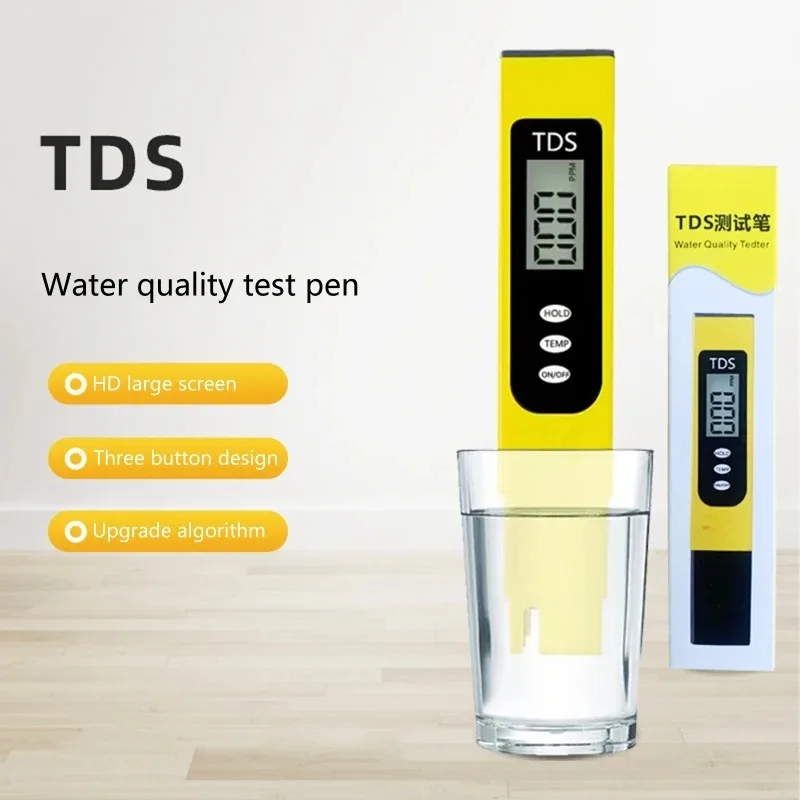
Image source: Web (Bing) / waterfilters.pk
What to Use Instead: Better Options for Most People
You do not need to use distilled water at all. Most coffee drinkers can get better results with a simpler approach. Let’s compare the practical alternatives.
Filtered tap water is the everyday winner. A basic carbon filter pitcher or faucet-mounted filter removes chlorine, sediment, and some hardness. It leaves enough minerals for proper extraction and machine protection. The SCA recommends filtered tap water as the ideal balance of taste, safety, and cost.
A $30 pitcher handles hundreds of gallons before you need a new filter.
Bottled spring water works well if you check the label. Look for a TDS between 75 and 150 ppm. Some spring waters land much higher or lower. Crystal Geyser and Poland Spring typically fall in the 100 to 120 ppm range, which is excellent for coffee.
The downside is plastic waste and ongoing cost.
Reverse osmosis water carries the same risks as distilled. RO water sits near 0 ppm TDS. It can also corrode aluminum and cause flat coffee. If you have an RO system at home, use the same remineralization approach described earlier.
Do not run pure RO water through your machine.
Your own softened tap water has a hidden problem. Salt-based water softeners replace calcium and magnesium with sodium. High sodium levels can ruin coffee taste and damage machines over time. The SCA recommends against using softened water for brewing.
If you have a whole-house softener, bypass it for your coffee maker or use a separate filtered tap line.
| Option | TDS Range | Taste Quality | Cost Per Gallon | Machine Safety |
|---|---|---|---|---|
| Filtered tap | 30-80 ppm | Excellent | ~$0.10 | Very safe |
| Bottled spring | 75-150 ppm | Excellent | ~$1.00 | Safe |
| Distilled (remineralized) | 100-150 ppm | Good | ~$1.50 | Safe |
| Reverse osmosis (remineralized) | 100-150 ppm | Good | ~$0.50 | Safe |
| Hard tap water | 200+ ppm | Variable | Free | Requires descaling |
| Softened water | Variable | Poor | Free | Not recommended |
For most people, filtered tap water is the best answer. If you already have a good filter system, you are done. If you are dealing with extremely hard water over 250 ppm, consider remineralized distilled or look into a countertop RO system with a remineralization stage.
If you are curious about the full brewing process, our step-by-step brewing guide walks through the whole routine with proper water handling.
Frequently Asked Questions
Will distilled water ruin my espresso machine?
It can if your machine has an aluminum boiler or brass fittings. Stainless steel boilers are more resistant, but the lack of minerals still affects taste. Most espresso machine manufacturers explicitly warn against distilled water.
Remineralize or use filtered water instead.
Can I use distilled water in a Keurig or Nespresso?
Keurig and Nespresso manuals generally advise against distilled water. The conductivity sensors in many pod machines may not detect distilled water properly. You risk getting error messages and inconsistent brewing.
Stick with filtered tap or bottled spring water.
Why does my coffee taste flat with distilled water?
Coffee needs dissolved minerals, especially magnesium and calcium, to extract flavor compounds properly. Without them, you get under-extraction. The result is a thin, sour, or flat cup.
Adding a remineralization packet fixes this completely.
Does distilled water void my warranty for sure?
Not automatically, but it increases the risk. If a technician finds corrosion and determines distilled water caused it, your warranty claim will be denied. Check your manual.
If it says “do not use distilled water,” follow that instruction.
How often should I descale if I use distilled water?
You should not need to descale at all if you use pure distilled water. No minerals means no scale. But if you use the half-and-half mix or remineralized water, scale may still form slowly.
Check your machine every three months. If you see white deposits, run a descaling cycle.
What about using distilled just for steaming milk?
This is one case where distilled water makes sense. Using distilled water in your steam wand prevents mineral scale from building up inside the wand tip. Many espresso machine owners keep a separate container of distilled water specifically for steaming.
Just do not brew with it.
Your Next Step: The Two-Minute Check
You now have everything you need to make the right choice for your machine. Here is the quick action plan.
First, grab your manual. Search online for your model number if you lost the paper copy. Go to the water recommendation section. Write down exactly what the manufacturer says.
Second, test your tap water. Buy a $10 TDS meter. Measure your tap water. If it reads below 150 ppm, you can likely use filtered tap water with no issues.
If it reads above 200 ppm, you have hard water that will cause scale.
Third, decide which path fits.
- If your manual says “distilled water not recommended” and your tap is below 150 ppm, use a carbon filter pitcher. Done.
- If your manual says “distilled water not recommended” and your tap is above 200 ppm, use bottled spring water with a TDS between 75 and 150 ppm.
- If your manual allows distilled water, remineralize it using packets or the half-and-half method.
Fourth, if you are still unsure, use filtered tap water. It is the safest default for almost every machine on the market. You can always switch later after testing your specific setup.
The wrong water choice is a slow failure. It takes months before corrosion or sensor issues show up. By then, the damage is done.
Taking two minutes to check your manual and test your water saves you from an expensive repair down the road.
If you want to explore other brewing methods that give you more control over water quality, our guide on how to use a French press lets you experiment with different water recipes easily. And for those who enjoy cold brew, our expert tips show how water chemistry changes the flavor profile dramatically.
The bottom line is simple. You can use distilled water in your coffee maker, but only if you add the minerals back. Skipping that step risks your machine and your morning cup.
Filtered tap water remains the smart, safe choice for most people.