Making a great cup of coffee is both an art and a science. Many people focus on the coffee beans, brewing method, or fancy equipment. But one simple factor is often overlooked: the water. With so much advice out there, you may wonder, can you use distilled water to make coffee? Some baristas say yes, others say no. This article will help you understand how distilled water affects coffee, what the experts say, and whether it’s the best choice for your morning brew. By the end, you’ll know how your water choice shapes the taste, aroma, and even the lifespan of your coffee machine.
What Is Distilled Water?
Distilled water is made by boiling regular water and collecting the steam, which then cools and turns back into liquid. This process removes almost all minerals, salts, and impurities from the water. The result is very pure water—almost nothing but H2O molecules.
Most tap water contains minerals like calcium, magnesium, and sodium. These minerals can be good or bad, depending on what you need the water for. For example, in hospitals, distilled water is used because it’s very clean. But when it comes to making coffee, things get more interesting.
Why Does Water Matter In Coffee?
Coffee is about 98% water. This means the quality of your water can make or break your coffee. Good water helps to extract the best flavors from the coffee grounds. Bad water can make your coffee taste flat, sour, or bitter.
Water affects coffee in three main ways:
- Extraction: The minerals in water help pull flavors out of the coffee grounds.
- Taste: Some minerals can make coffee taste better, while others cause off-flavors.
- Equipment health: Hard water (with lots of minerals) can damage coffee machines over time.

Credit: therestaurantauthority.com
How Distilled Water Compares To Other Types
Choosing the best water for coffee means comparing distilled water to other common types. Here’s a simple look at how different waters stack up:
| Water Type | Main Features | Impact on Coffee |
|---|---|---|
| Distilled Water | No minerals, very pure | Clean but can make coffee taste flat |
| Tap Water | Contains minerals, may have chlorine | Flavor varies; can be good or bad |
| Filtered Water | Removes impurities, keeps some minerals | Usually gives best flavor balance |
| Bottled Spring Water | Minerals vary by brand/source | Can produce rich, balanced coffee |
What Happens When You Brew Coffee With Distilled Water?
Using distilled water to brew coffee sounds like a good idea—after all, it’s pure and clean. But the reality is more complicated.
Impact On Extraction
Minerals help extract flavor from coffee grounds. When water is too pure, like distilled water, it doesn’t pull out as many flavors. The result? Your coffee might taste weak or lifeless. It can even highlight bitter or sour notes because the water isn’t “grabbing” enough of the good flavors.
Taste Differences
Baristas and coffee experts often say that coffee brewed with distilled water tastes dull or flat. The lack of minerals removes depth and complexity. Some drinkers notice that their coffee tastes thin, almost like it is missing something. Even high-quality beans can lose their special flavors when brewed with distilled water.
Equipment Considerations
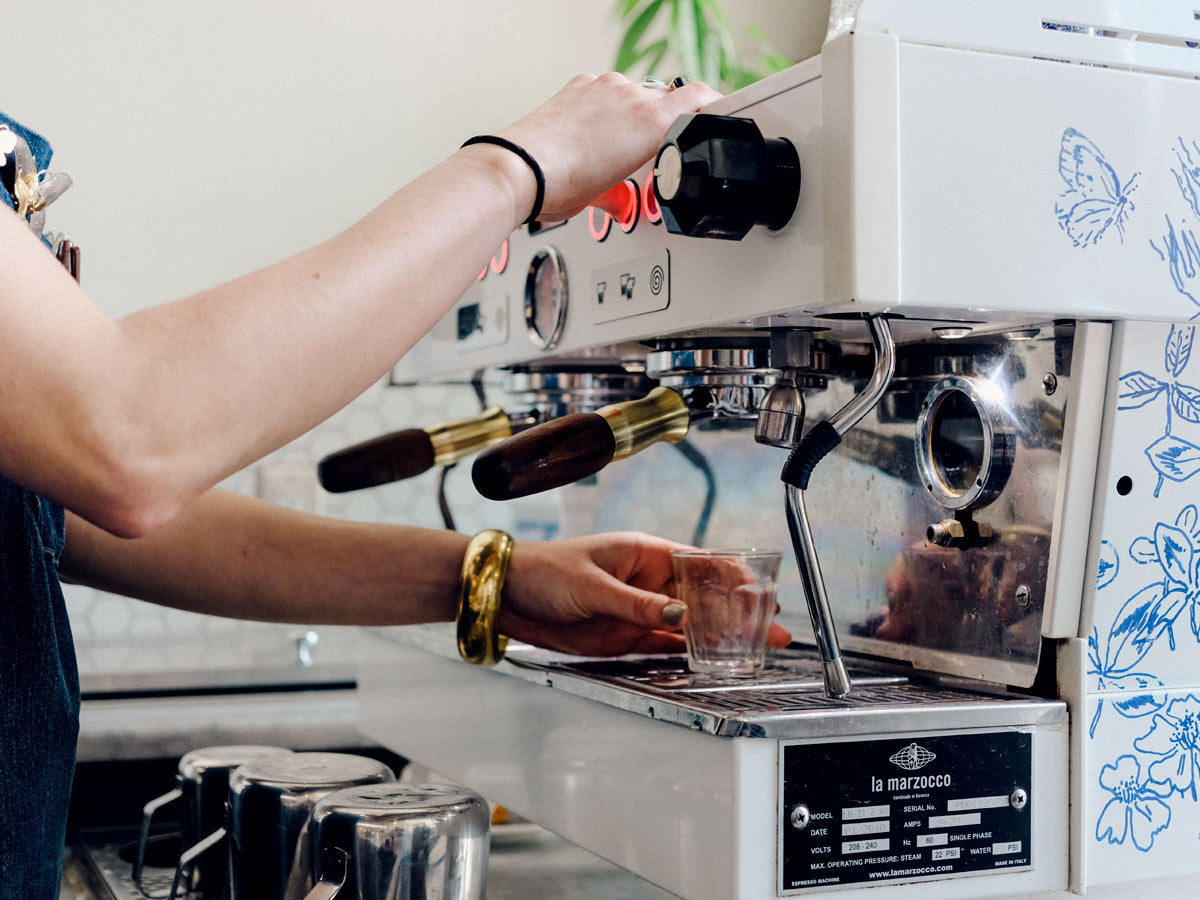
One advantage of distilled water: it doesn’t leave scale (mineral deposits) in your coffee machine. This can help your machine last longer and require less cleaning. However, some coffee machines, especially those with metal boilers, need a small amount of minerals in the water to function properly. Using only distilled water can, over time, harm some machines or make them work less efficiently.
Credit: methodicalcoffee.com
Science Behind Water And Coffee Extraction
Water hardness (the amount of dissolved minerals in the water) is usually measured in parts per million (ppm). The Specialty Coffee Association (SCA) recommends water with a hardness of 50-175 ppm for brewing coffee. This range helps water extract the best balance of flavors from coffee grounds.
Distilled water has a hardness close to 0 ppm. This means it falls far below the recommended range. Most coffee experts agree that some minerals—especially calcium and magnesium—are important for good extraction and better-tasting coffee.
Here is how different levels of minerals affect coffee extraction:
| Hardness Level (ppm) | Extraction Effect | Typical Taste |
|---|---|---|
| 0 (Distilled) | Poor extraction | Flat, weak, sometimes sour |
| 50-175 (Ideal Range) | Balanced extraction | Rich, complex, sweet |
| 200+ | Over-extraction or off-flavors | Bitter, harsh, sometimes salty |
Pros And Cons Of Using Distilled Water For Coffee
Benefits
- No scale buildup: Distilled water can protect your coffee machine from mineral deposits, which is useful in areas with very hard tap water.
- No taste from impurities: Since distilled water is pure, there are no unwanted flavors from chlorine or other chemicals.
Drawbacks
- Lack of flavor: The main problem is that distilled water often produces coffee that tastes bland.
- Not recommended by experts: Most coffee organizations, including the SCA, suggest using water with minerals.
- Potential equipment issues: Some machines need minerals in the water for sensors and heating elements to work properly.
Should You Use Distilled Water In Your Coffee Maker?
If you live in an area with very hard water (lots of minerals), using distilled water may seem like a good way to avoid scale. But if you care most about flavor, distilled water is rarely the best choice. Instead, consider filtered water, which removes harmful chemicals but keeps enough minerals for good taste.
Some high-end coffee shops use special mineral packets to add the right minerals to distilled or purified water. This lets them control the water exactly for the best extraction and taste.
Real-world Examples And Expert Opinions
Baristas in top coffee shops often use water that is carefully filtered and balanced. For example, many cafes use reverse osmosis (RO) systems that strip out minerals and then add them back in controlled amounts. This approach is more complex than most home brewers need, but it shows how important water is for coffee quality.
In a 2016 study published by the Journal of Food Science, researchers found that coffee brewed with water containing some minerals scored higher in taste tests than coffee made with distilled water.
James Hoffmann, a well-known coffee expert, has said, “Distilled water is too pure to make the best coffee. A little mineral content helps the coffee ‘pop’ and gives it body and sweetness. ”
How To Improve Your Coffee Water
If you want to make the best coffee at home, focus on water quality. Here are some steps you can take:
- Test your tap water: Many hardware stores sell simple water test kits. If your water is very hard or has a strong taste, consider using filtered water.
- Use a water filter: Pitcher filters (like Brita) or under-sink filters remove many unwanted chemicals but leave enough minerals for good coffee.
- Buy bottled spring water: Choose brands that list mineral content on the label. Look for water with a hardness in the 50-175 ppm range.
- Add minerals to distilled water: Some companies sell mineral packets designed for coffee. You can mix these with distilled water to create the perfect brewing water.
Common Mistakes When Choosing Water For Coffee
Even experienced coffee lovers make water mistakes. Here are a few to watch out for:
- Using only distilled or deionized water: This usually produces bland coffee.
- Ignoring water altogether: Many people focus on beans and equipment but forget about water. Remember, it’s 98% of your cup!
- Not cleaning your machine: Even with good water, coffee machines need regular cleaning to prevent oil buildup and bacteria.
Key Takeaways: Is Distilled Water Good For Coffee?
- Distilled water is not ideal for brewing coffee because it lacks minerals important for flavor extraction.
- The best water for coffee contains a moderate amount of minerals, especially calcium and magnesium.
- Using filtered or spring water is often the easiest way to improve your coffee at home.
- Distilled water can help prevent scale in your machine, but may shorten the life of some machines that need minerals.
- If you must use distilled water, consider adding minerals back yourself.
For more information on coffee brewing science, you can check the Wikipedia page on Coffee Extraction.
Frequently Asked Questions
Can I Use Distilled Water In My Keurig Or Other Single-serve Coffee Makers?
Most Keurig and similar machines work best with water that has some minerals. Distilled water can confuse the sensors in some models, causing errors or stopping the machine from working properly. Always check your machine’s manual for specific recommendations.
Will Using Distilled Water Make My Coffee Taste Bad?
Not everyone notices the difference, but most people find that coffee made with distilled water tastes flat or bland. You may lose some of the unique flavors of your beans. For better taste, use water with moderate mineral content.
Is It Safe To Drink Coffee Made With Distilled Water?
Yes, it’s safe to drink. Distilled water is just pure H2O. However, it doesn’t add any minerals to your diet, and the coffee may taste less satisfying.
What If My Tap Water Tastes Bad Or Is Very Hard?
If your tap water has a strong taste or is very hard, use a water filter or bottled spring water instead of distilled. This gives you cleaner water without losing important minerals for coffee flavor.
How Can I Make My Own “coffee Water” At Home?
You can buy mineral packets made for coffee and mix them with distilled or reverse osmosis water. This lets you create water with the ideal balance of minerals for brewing. Just follow the instructions on the packet for best results.
Choosing the right water may seem small, but it has a big impact on your daily cup. Experiment with different waters, and you’ll quickly taste the difference. The best coffee is not just about great beans or expensive machines—it starts with the water you use.

Credit: www.youtube.com