Slow cookers, also known as crockpots, have become a kitchen staple for busy people and home cooks alike. These handy appliances promise delicious, effortless meals with minimal attention. But while the slow cooker seems simple to use, many people make mistakes that lead to disappointing results—mushy vegetables, tough meat, or bland flavors.
The good news? Most slow cooker errors are easy to fix once you know what to watch for. By learning about the most common slow cooker mistakes and how to avoid them, you can save money, reduce food waste, and enjoy tastier meals every time you cook.
Overfilling The Slow Cooker
One of the biggest mistakes is overfilling your slow cooker. It’s tempting to pack in as much food as possible, especially when feeding a family. However, slow cookers need space for heat to circulate and for food to cook evenly. If you fill it above two-thirds capacity, the food may cook unevenly or not reach a safe temperature. This can also lead to spills, soggy textures, and longer cooking times.
For best results, keep your slow cooker between half and two-thirds full. This ensures everything cooks evenly, and the lid stays snug, trapping heat and moisture. If you need to cook more, consider using a larger slow cooker or making two batches.
Using Too Little Liquid
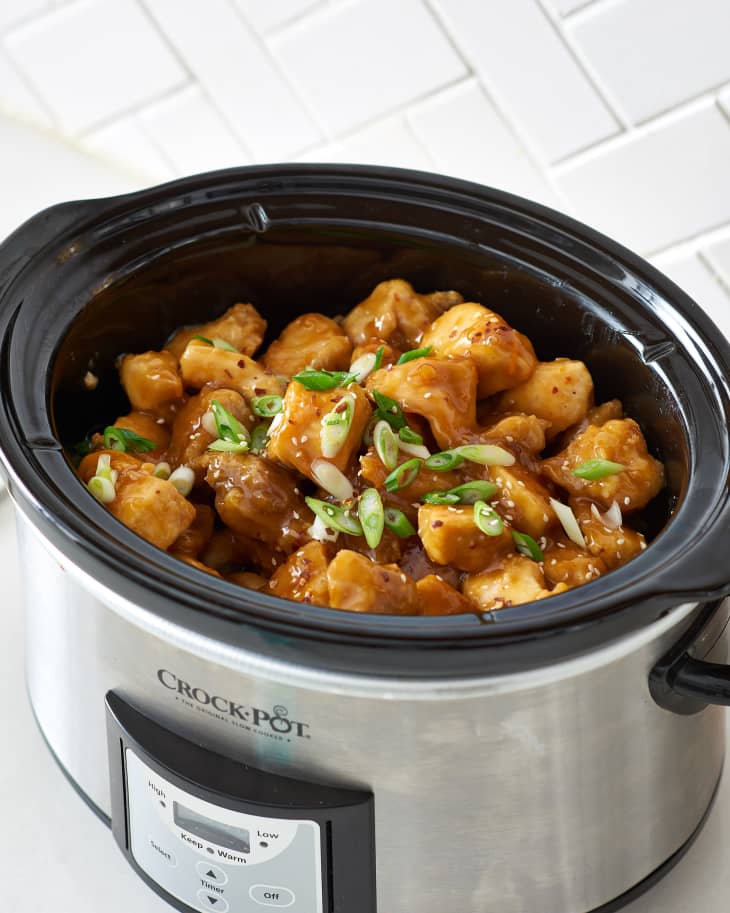
Unlike some other cooking methods, slow cookers need a certain amount of liquid to work properly. Too little liquid can cause your food to burn or dry out. Remember, slow cookers don’t allow much evaporation, so you don’t need as much liquid as you would on the stovetop. However, completely dry ingredients can easily scorch.
A good rule is to add at least one cup of liquid—such as broth, water, or sauce—for most recipes, unless you’re cooking something very moist, like tomatoes or fatty meats. If you’re unsure, check your slow cooker’s manual for specific recommendations.
Credit: www.thekitchn.com
Adding Dairy Too Early
Many beginners add milk, cheese, or cream at the start of the cooking process. Unfortunately, dairy products tend to curdle and separate when heated for hours, making your dish look and taste unappetizing. To avoid this, add dairy in the last 30 to 60 minutes of cooking. This lets it blend in smoothly without curdling.
For example, if you’re making a creamy soup or cheesy casserole, wait until the end to stir in the milk or cheese. You’ll get a smooth, rich texture instead of a lumpy mess.
Not Browning Meat Before Cooking
Slow cookers are designed for convenience, so it’s easy to skip steps like browning meat. However, searing meat before adding it to the slow cooker makes a big difference. Browning creates complex flavors through a process called the Maillard reaction, giving your dish more depth.
While you can technically cook meat from raw in a slow cooker, you’ll miss out on that savory, caramelized flavor. Spend a few extra minutes to brown beef, chicken, or pork in a hot pan before placing it in the slow cooker.
You’ll notice a richer, more appetizing result.
Lifting The Lid Too Often
It’s tempting to peek inside your slow cooker, but lifting the lid lets heat escape. Each time you open the lid, the temperature drops and it can take 20–30 minutes to return to the right level. This means your meal will take longer to cook, and the final texture may suffer.
Trust the process—leave the lid closed until near the end of the cooking time. If you need to stir or add ingredients, do it quickly and replace the lid as soon as possible.
Using The Wrong Cut Of Meat
Slow cookers are best for tough, fatty cuts of meat that benefit from long, slow cooking. Lean cuts, like chicken breast or pork loin, can dry out and become chewy after hours of gentle heat. Instead, choose cuts like chuck roast, pork shoulder, or chicken thighs. These cuts break down over time and become tender and flavorful.
Here’s a comparison of common meat cuts for slow cooking:
| Meat Cut | Best for Slow Cooker? | Reason |
|---|---|---|
| Chuck Roast | Yes | High fat, becomes tender |
| Pork Shoulder | Yes | Breaks down, full flavor |
| Chicken Breast | No | Dries out easily |
| Chicken Thighs | Yes | Moist, stays juicy |
| Sirloin Steak | No | Too lean, can get tough |
Adding Too Many Herbs And Spices Early
Herbs and spices are key to flavor, but adding them too early can cause them to lose their taste or even become bitter. Dried herbs are usually fine at the start, but fresh herbs should be added in the last 30 minutes. Some strong spices, like bay leaves or cinnamon, can overpower a dish if left in too long.
Taste your dish near the end of cooking and adjust seasonings as needed. If you want a more vibrant flavor, add fresh parsley, cilantro, or basil right before serving.
Not Layering Ingredients Correctly
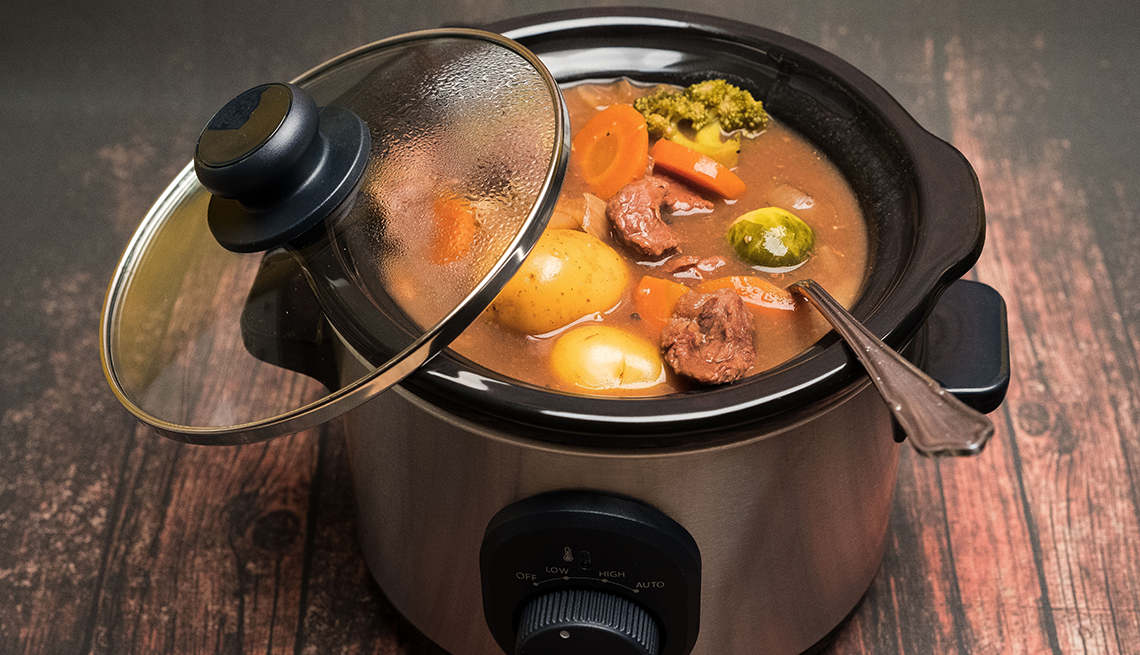
How you layer your ingredients in the slow cooker matters. Denser, harder vegetables like carrots and potatoes should go at the bottom, closest to the heat source. Meat can be placed on top of the vegetables, and more delicate items—like peas or spinach—should be added near the end of cooking.
Proper layering ensures that everything cooks evenly and nothing gets overcooked or mushy. Here’s a quick guide:
- Root vegetables (carrots, potatoes)
- Meat
- Softer vegetables (zucchini, peppers)
- Delicate greens or herbs (add at the end)
Credit: www.aarp.org
Cooking On The Wrong Setting
Most slow cookers have at least two settings: low and high. The low setting typically cooks food at about 200°F, while high is closer to 300°F. Many people think cooking on high will save time, but it can dry out food and change the texture.
For most recipes, it’s better to cook on low for a longer period. This allows flavors to develop and tougher cuts to become tender. Only use high when the recipe calls for it or you’re short on time.
Ignoring The Size Of Ingredients
Cutting ingredients into uneven pieces can lead to uneven cooking. Large chunks of potato or carrot will cook slower than small ones, while thin slices of meat might fall apart before everything else is done. Take a moment to cut everything into similar sizes for even results.
If a recipe calls for “large chunks,” aim for uniform pieces around 1–2 inches. This helps everything finish at the same time and improves texture.
Adding Frozen Ingredients
It might seem convenient to add frozen meat or vegetables directly into your slow cooker, but this can be risky. Frozen food lowers the temperature of the slow cooker, making it harder to reach a safe level quickly. This increases the risk of bacteria growth.
Always thaw meat and large vegetables in the refrigerator before adding them to your slow cooker. Small amounts of frozen peas or corn are usually fine, but avoid using large frozen items for safety reasons. The USDA recommends this practice for food safety (USDA Slow Cooker Safety).
Not Considering Cooking Time
Many people assume all slow cooker recipes are “set it and forget it.” However, overcooking is a common problem, especially for vegetables and lean meats. If you leave your food in the slow cooker too long, it can become mushy or dry.
Follow the recipe’s suggested time and check for doneness near the minimum end. If you’re not home, consider using a slow cooker with a timer or “keep warm” feature to avoid overcooking.
Using Too Much Alcohol
Alcohol doesn’t evaporate much in a slow cooker, since the lid traps steam. If you add wine, beer, or spirits, the flavor can be very strong and even harsh. Use less alcohol than you would in a stovetop recipe, or simmer it separately to reduce before adding.
For best results, stick to about half the usual amount of alcohol, and taste before serving. If the flavor is too sharp, let the dish cook with the lid off for 15–20 minutes at the end to help some alcohol evaporate.
Not Cleaning The Slow Cooker Properly
A dirty slow cooker can ruin future meals and may be unsafe. Food residue and grease can build up, leading to off flavors or even bacteria. Always clean the pot and lid thoroughly after each use, following the manufacturer’s instructions. For stubborn spots, soak the insert in warm soapy water or use a baking soda paste.
Don’t forget to clean the outside of the cooker and the gasket (if your model has one), as spills can attract dirt and bugs.
Forgetting To Prep Ingredients Ahead
Slow cookers are about convenience, but skipping prep can lead to rushed or uneven meals. Take time to chop vegetables, trim meat, and measure seasonings before you start. This ensures even cooking and better texture.
Many people prep ingredients the night before and store them in the fridge, so they’re ready to go in the morning. Just remember: don’t store raw meat and vegetables together, as this can cause cross-contamination.
Relying Only On Recipes
While slow cooker recipes are helpful, blindly following them can lead to mistakes. Altitude, slow cooker size, and ingredient freshness can all affect cooking time and results. Use recipes as a guideline, but don’t be afraid to adjust based on your own experience and taste.
Taste your dish before serving and adjust salt, pepper, or acid (like lemon juice) as needed. This small step can take your meal from good to great.
Not Using A Liner Or Oil
Some slow cooker dishes stick to the pot, making cleanup tough. Using a liner or a light coating of oil can save time and prevent burning. If you don’t have liners, try spraying the insert with nonstick spray before cooking thick or sticky foods.
Here’s a quick comparison of cleanup options:
| Method | Ease of Cleaning | Cost |
|---|---|---|
| Slow Cooker Liner | Very Easy | Moderate |
| Nonstick Spray | Easy | Low |
| No Liner/Spray | Difficult | None |
Not Letting The Food Rest
Just like with roasts or baked goods, letting slow cooker food rest before serving improves flavor and texture. Resting allows juices to redistribute, making meats juicier and flavors more balanced.
Let your dish sit with the lid off for 10–15 minutes before serving. This simple step can make a big difference, especially with stews and braised meats.
Two Insights Most Beginners Miss
- Timing for Vegetables: Many beginners add all vegetables at the start. But softer veggies like zucchini, bell peppers, or peas should be added in the last hour. This keeps them from turning to mush and preserves color and flavor.
- Acidity Matters: Tomatoes, vinegar, or citrus juice can affect cooking time. Acidic ingredients slow down the softening of beans and some meats. If using dried beans, cook them until tender before adding acidic ingredients.
Frequently Asked Questions
Can You Leave A Slow Cooker On All Day While At Work?
Yes, most modern slow cookers are designed for safe all-day cooking. However, make sure your appliance is in good condition and placed on a heat-resistant surface. Use the “low” setting for best results, and avoid leaving food out after cooking finishes.
Why Does My Slow Cooker Food Taste Bland?
Slow cookers need layered flavors. Try browning meat, using aromatic vegetables, and adding fresh herbs at the end. Taste and adjust salt and acid (like lemon juice) before serving for a flavor boost.
Can You Put Raw Meat Directly In The Slow Cooker?
Yes, you can put raw meat directly in, but browning first adds flavor and improves texture. For food safety, ensure the dish reaches at least 165°F.
Is It Safe To Cook Beans In A Slow Cooker?
Some beans, especially kidney beans, contain toxins that need to be destroyed by boiling. Always soak and boil beans for at least 10 minutes before adding to the slow cooker.
What Is The Best Slow Cooker Size For A Family?
For most families, a 6-quart slow cooker is ideal. It fits enough food for 4–6 people and allows for leftovers. Smaller models are better for singles or couples.
By avoiding these common slow cooker mistakes and following the practical tips above, you’ll get better results and enjoy every meal you make. Slow cooking can be both convenient and delicious when you know what to watch out for. If you want to learn more about slow cooking and food safety, check out the USDA Slow Cooker Safety resource for in-depth guidance. Happy slow cooking!