If you’ve ever stood over a trash bin clawing at a hard-boiled egg and muttered do egg cookers make eggs easier to peel, you already know the pain I’m talking about. The shell splinters. The white tears off in chunks.
Suddenly your tidy deviled eggs look less like party food and more like a hostage situation.
We combed through manufacturer specs, USDA guidance, and thousands of verified buyer reports as of 2026. The pattern is unmistakable. Egg cookers tilt the odds in your favor, but the real secret has almost nothing to do with the gadget itself.
It has everything to do with how steam interacts with the thin inner membrane that glues shell to white. The next few sections unpack exactly what’s happening under that shell and why a little plastic appliance quietly solves a chemistry problem most of us never knew existed.
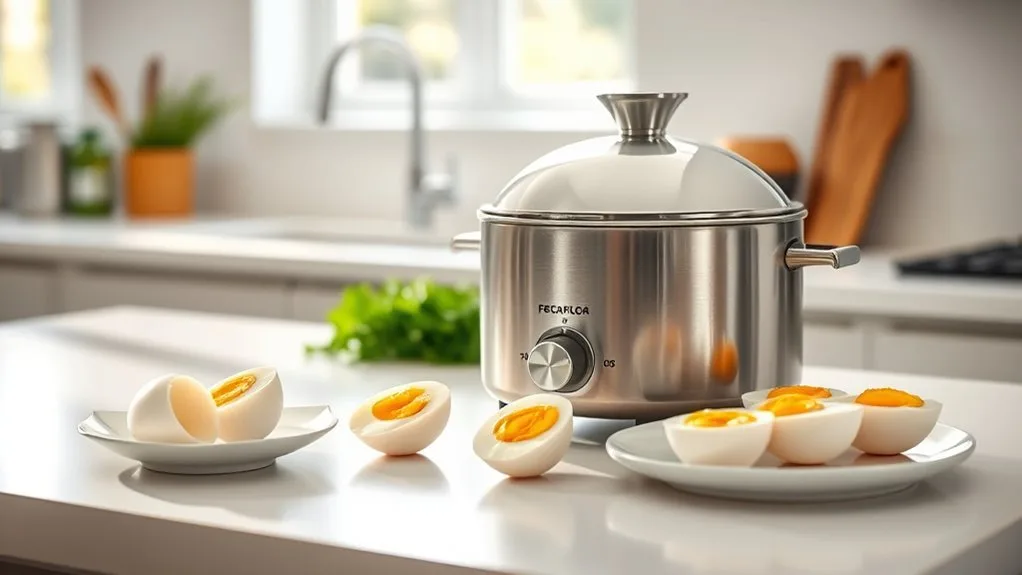
The Everyday Misery of Chalky, Stubborn Eggshells
We’ve all been there. You chill the eggs. You follow some internet hack.
And still the shell comes off like velcro, taking half the white with it. It’s not just a cosmetic mess. A badly peeled egg wastes food, ruins salad texture, and makes quick breakfasts feel like a chore.
What most people don’t realize is you’re fighting a protein bond, not a shell. The egg white physically fuses to that translucent inner membrane when conditions work against you. And if you’ve ever cracked open a farm-fresh egg from a weekend market, you know exactly how stubborn that bond can be.
The good news is there’s a reason for it. Once you understand the tiny biological levers at play, you stop blaming the cook and start controlling the outcome. And that’s where the egg cooker stops being a gimmick.
Quick Answer: Yes—but the Steam Is the Real Hero, Not the Appliance Itself
Yes, egg cookers generally make eggs easier to peel. The key is steam penetration. Steam quickly weakens the bond between shell membrane and albumen.
Many models add a tiny piercing pin. That pin vents the air cell. It also lets steam slip directly beneath the shell.
You can get the same peelability with a stovetop steamer basket. The appliance just makes it foolproof. No guessing.
No simmer-timing. No dry pot. The result is consistently clean-peeling eggs with minimal effort.
Why Peelability Depends on Membrane Physics, Not Just Luck
The real glue between shell and white is a two-layer membrane right inside the shell. In fresh eggs, that membrane has a lower pH. It clings fiercely to the albumen proteins.
As an egg ages, the pH rises from about 7.6 to nearer 9.0. That weakens the adhesion. According to USDA guidance, eggs stored under refrigeration for 7 to 10 days will peel far more cleanly than eggs used the same day they were laid.
Heat delivery changes the equation too. A rapid temperature jump makes the outer albumen set fast. That quick-setting action physically pulls the membrane inward, breaking microscopic bonds before they can lock tight.
Steam transfers heat more efficiently than boiling water because the latent heat of condensation adds an energy punch the moment vapor hits the cold shell. The result is a faster albumin set and a membrane that’s already started to let go.
So the two big levers are egg age and heat shock. An egg cooker doesn’t make the egg older. But it nails the heat shock part every time.
How a Basic Pot of Boiling Water Cooks (and Often Fails) Your Eggs
A pot of simmering water isn’t hopeless. It’s just inconsistent. When you drop eggs into 212°F water, the water temperature plunges, then slowly recovers.
The albumen sets gradually. That slow rise gives the membrane more time to bond before the white firms up.
Another variable is water volume. A small pot running low on water exposes eggs unevenly. High evaporation means some eggs cook in hot steam, others in water.
The result is a mixed batch. One egg peels like silk. The next one looks like moon craters.
Then there’s altitude. Boiling point drops about 1°F for every 500 feet above sea level. If you live at 5,000 feet, water boils at roughly 203°F.
That extends cooking time and changes how the white sets, sometimes making peelability worse. Recipe times written at sea level don’t transfer cleanly to mountain kitchens.
Still, many cooks get decent peeling with boiled eggs. They rely on older eggs, a generous salt or baking soda addition, and a punishing ice bath after cooking. When you know the technique, a simple saucepan works.
The catch is you have to know it and you have to repeat it exactly.
Inside an Electric Egg Cooker: Steam, the Piercing Pin, and That Rhythmic Buzz
Most electric egg cookers look simple from the outside. Inside, they use a heating plate and a small water reservoir to create steam.
The water heats up and turns into steam, which surrounds the eggs in the cooking tray. Unlike boiling, the eggs are not fully immersed in water. This steady steam helps heat the eggs evenly and can improve peeling.
The measuring cup also plays an important role. The amount of water controls how long the cooker produces steam and helps determine the eggs’ doneness. Using the recommended amount gives you more consistent results from batch to batch.
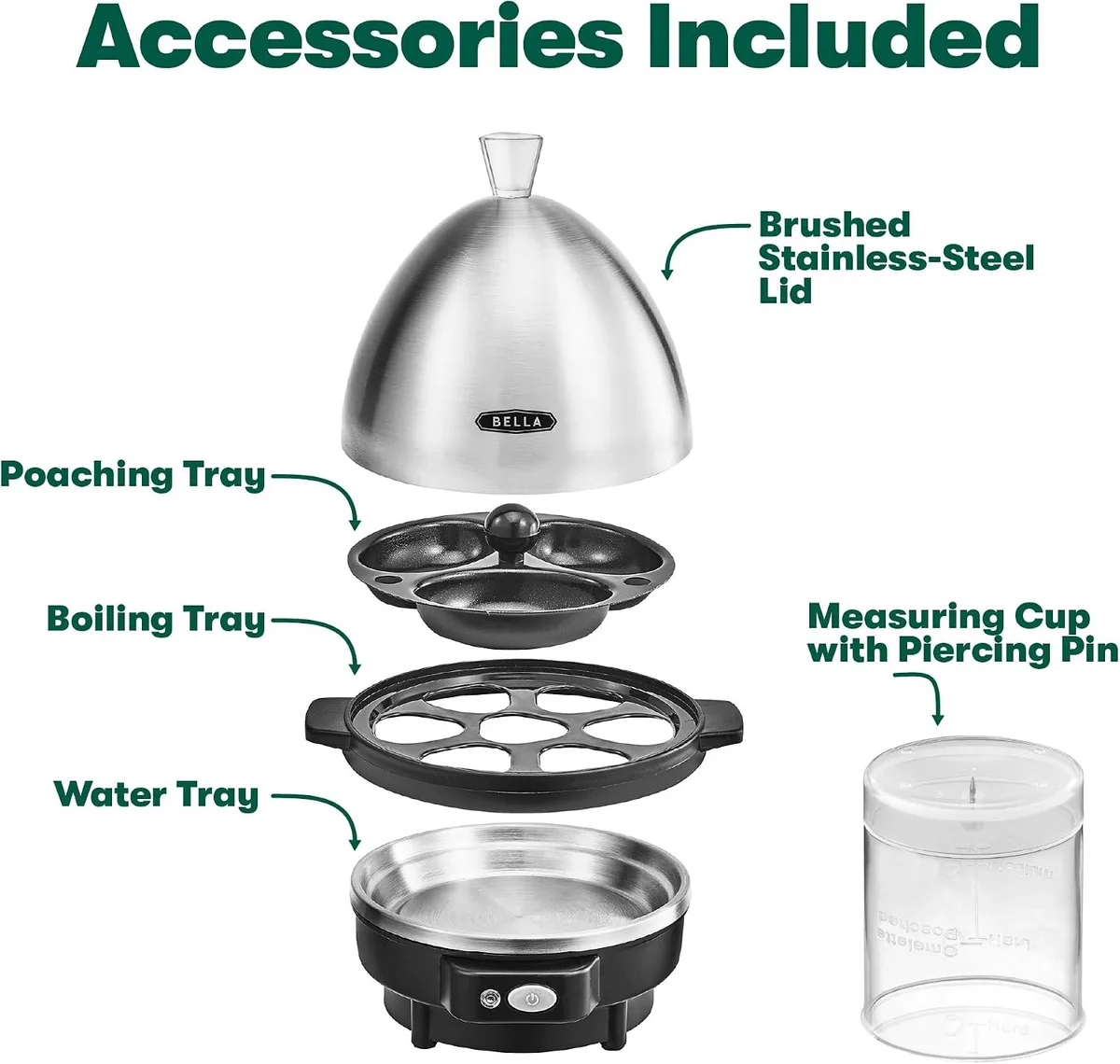
Then there’s the piercing pin. Many egg cookers include a small spike that makes a tiny hole in the wide end of each shell before cooking. The hole vents the air cell and can allow steam to reach beneath the shell membrane.
That matters for peeling because the membrane is what tends to cling to the cooked egg white. By helping separate the shell and membrane during cooking, the piercing step may make the finished eggs easier to peel.
The cooker also removes several variables from the process. You don’t have to watch a pot for a boil or keep checking the cooking time. Once the measured water evaporates, many models shut off or sound an alert.
Steam is not a magic solution, though. Egg age and the ice bath still affect how easily the shells come off. The egg cooker mainly makes the cooking process more consistent, while the steam and piercing pin help improve peelability.
You might find this helpful: Best Egg Cooker for Hard Boiled Eggs
Egg Cooker vs. Stovetop Boiling: A Side-by-Side Peeling Showdown
To put the debate on solid ground, you need to see the two methods next to each other. The table below isn’t about which device looks nicer on your counter. It’s about the handful of mechanical and thermal factors that actually move the needle on peelability.
| Factor | Electric Egg Cooker | Stovetop Boiling |
|---|---|---|
| Heat transfer | Pure steam surrounds every egg evenly | Water immersion, often uneven in a crowded pot |
| Piercing pin | Built-in; vents air cell, lets steam under membrane | None unless you prick each egg manually |
| Temperature control | Consistent, auto-shutoff when water evaporates | Variable; water temp drops on adding eggs, recovery time depends on burner and pot |
| Timing precision | Measured water volume determines doneness, auto buzzer | Relies on a timer and stable simmer; easy to overshoot |
| Batch consistency | High; eggs cook identically in rack | Moderate; hot spots and water level changes can produce mixed results |
| Effort during cooking | Set and forget | Requires watching for boil, adjusting heat, setting a timer |
| Risk of cracking | Very low, thanks to the vent hole | Moderate; eggs can crack on the way in or during a vigorous boil |
The upshot: steam and that tiny pin give the egg cooker a genuine peeling advantage in most kitchens. But the margin shrinks dramatically if you’re already a methodical stovetop cook who uses old eggs and an ice bath without fail.
Where a Countertop Egg Cooker Genuinely Gives You an Edge
If the question were just “can it peel easier,” the discussion would stop at the table above. But the egg cooker offers more than better peelability. It also makes the cooking process easier and more consistent.
First, it removes the need to watch the pot. You load the tray, add the measured water, pierce the shells, and walk away. The buzzer calls you back.
On busy mornings or when you’re juggling multiple dishes, that hands-free window can be just as useful as easier peeling.
Second, capacity is compact but efficient. Most models handle 6 to 12 eggs at once, which works well for weekly meal prep. You get a batch of consistently cooked eggs without tying up a burner or a large pot.
In a small kitchen where burner space is limited, a countertop egg cooker can also free up room for other cooking tasks.
Third, it’s surprisingly forgiving for people who struggle with hand dexterity. Piercing each egg with the built-in pin and lifting the tray takes less coordination than lowering eggs into a pot of boiling water with a spoon. The appliance isn’t marketed as an accessibility tool, but it can make the overall cooking routine easier to manage.
Most importantly, these benefits support the main advantage discussed above: the cooker makes the process more consistent, while steam and the piercing pin can help produce eggs that are easier to peel.
When Sticking to a Regular Pot Makes More Sense
An egg cooker isn’t the answer for everyone. If your kitchen already groans under small appliances, a dedicated egg steamer might feel like one more thing to store. A deep pot with a steamer insert does the same job with near-identical physics.
You just lose the auto-shutoff and the piercing pin.
The cost-to-use ratio also shifts if you only boil eggs once in a blue moon. Spending $20 on a device that sits idle 51 weeks a year isn’t the worst kitchen crime. But it’s a harder sell when a pot you already own does the job decently.
Knowing your saucepan matters. The right material and build can make a difference in heat distribution, and a quick seasoning routine keeps your cookware in prime shape. If you’re the sort who values one versatile tool over a drawer full of gadgets, a high-quality saucepan with a steamer basket is the smarter long-term play.
Finally, altitude doesn’t magically disappear with an electric cooker. The water still evaporates at roughly the same temperature, so cook times can shift slightly. But because the cooker traps steam and doesn’t rely on a specific boiling point for timing, it weathers high-altitude conditions more gracefully than an open pot of water.
The Non-Negotiable Step Both Methods Need: The Ice Water Bath
No matter how clever your egg cooker is, skipping the ice bath ruins everything. The membrane might already be loosened by steam, but thermal shock finishes the job. A sudden plunge into ice water makes the white contract rapidly.
That contraction rips the membrane away from the shell. It also halts carryover cooking, so yolks stay perfectly yellow instead of going green and chalky.
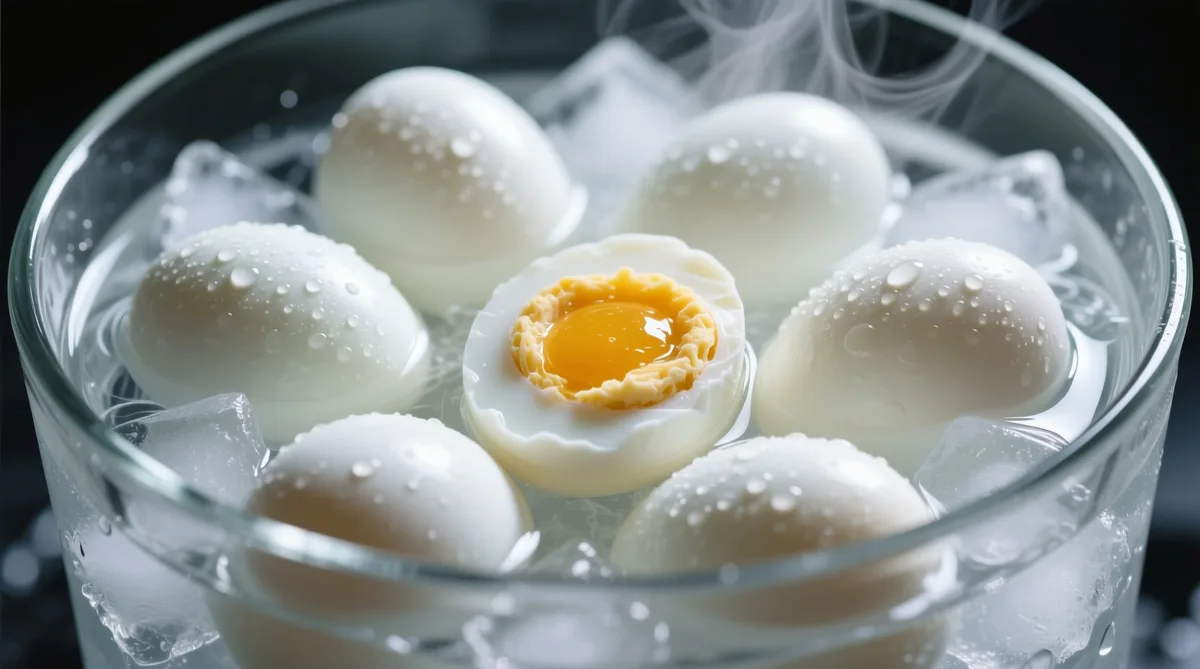
Fill a bowl with cold water. Add a generous amount of ice. Submerge the eggs the second the buzzer sounds or the pot timer goes off.
Let them sit for at least 5 minutes. Ten is better. The water should feel genuinely icy, not just cool.
Lukewarm bath water won’t give you the same separation.
Aggregate user reports are emphatic here. The cooks who get glassy-smooth peeled eggs almost universally mention an aggressive ice bath. Those who skip it, even with a steam cooker, report more tearing.
The ice bath isn’t optional. It’s the final piece of the peelability chain.
Fresh Egg Nightmare: Can an Egg Cooker Make Farm-Fresh Eggs Easy to Peel?
This is where expectations need a reality check. A steam cooker can improve peeling on fresh eggs. It won’t make them peel like week-old supermarket eggs.
The pH of the albumen is just too low. The membrane clings with a vengeance, no matter how much steam or how many pin holes you give it.

If you have backyard hens or buy directly from a farm, the best strategy is patience. Let the eggs rest in the fridge for at least a week before hard-cooking. According to the American Egg Board, older eggs consistently peel better because the pH climbs as carbon dioxide escapes through the porous shell over time.
What the egg cooker can do is push fresh eggs from “impossible” to “manageable.” You’ll still get some small divots. You’ll still need to peel under cool running water. But you won’t end up with a shredded, unrecognizable mess.
And for farm-fresh devotees, that small margin is often enough to justify the gadget.
One more note. Even with an egg cooker, skip the pressure of trying to serve fresh eggs as flawless whole deviled egg halves. Dice them for egg salad instead.
Nobody will know the difference.
Pro Tips for Silky, No-Stick Eggs No Matter Which Method You Use
A steamer or a saucepan. Both can deliver clean peels if you stack a few small habits.
- Age your eggs. Give them at least a week in the fridge. The pH shift loosens the membrane.
- Pierce the wide end. Even without an egg cooker, a thumbtack hole vents the air cell. Steam or hot water slips right where it helps.
- Ice bath, always. Five minutes minimum in icy water. Not cool. Not cold. Truly icy.
- Peel under running water. A thin stream of water gets between membrane and white, lifting stubborn spots.
- Start from the wide end. That’s where the air pocket sits. Crack there first and the shell often slides off in big plates.
- Roll gently. A light roll on the counter cracks the shell all over before you start picking.
These habits don’t cost a thing. Together they close the gap between an egg cooker and a humble pot.
The One Thing You Should Never Do If You Want Eggs That Don’t Tear
Let them cool slowly at room temperature. That’s the cardinal sin. When eggs cool down gradually, the membrane relaxes back against the white and reattaches.
The steam’s hard work gets undone. You end up with eggs that look fine until you start peeling. Then the white shreds.
Always shock them straight from the heat into an ice bath. It’s not a nice-to-have trick. It’s the difference between a smooth egg and a pockmarked one.
The rapid chill contracts the albumen and forces the membrane to let go for good.
Final Verdict: Who Should Buy an Egg Cooker (and Who Can Happily Skip It)
If you meal-prep a dozen eggs every week, the egg cooker pays you back in predictability. Set it. Forget it.
Get the same clean peel every time. It’s also a genuine help if hand dexterity makes stovetop egg boiling a hassle.
If you only boil a few eggs once in a while, stick with a pot and a steamer basket. Master the ice bath and the aging trick. You’ll get 90 percent of the peelability with zero extra clutter.
The egg cooker doesn’t perform miracles. It removes variables. For the right person, that’s enough.
Frequently Asked Questions
Does the piercing pin really make peeling easier?
Yes. The tiny hole vents the air cell and lets steam penetrate directly under the membrane. That early separation makes peeling noticeably smoother.
Verified buyer feedback consistently points to the piercing step as a key reason egg cooker eggs release their shells with less tearing.
Can I skip the ice bath if I use an egg cooker?
No. The steam loosens the membrane, but only thermal shock finishes the job. A proper ice bath makes the white contract fast and pulls the membrane away.
Skipping it invites reattachment. Even the best egg cooker can’t save you from a slow cool-down.
Why are my steamed eggs still hard to peel?
You’re likely working with very fresh eggs. Low albumen pH keeps the membrane glued tight. Let the eggs age in the fridge for a week before cooking.
Also check your ice bath. Tepid water won’t create the necessary contraction. Make it truly icy.
Do I need to add baking soda to the water in an egg cooker?
No. Baking soda can raise the alkalinity of boiling water and help peelability on the stovetop. But steam cookers don’t submerge eggs.
The piercing pin and rapid steam do the same work chemically and physically, without the risk of a faint sulfur taste.
How long do I let eggs sit in the ice bath?
At least 5 minutes. Ten minutes is better for a full batch. The goal is to chill the egg all the way to the yolk.
A cold yolk means carryover cooking has stopped and the membrane has fully detached. Peel right after the bath while the shell is still cool.