Is there a set of sharp blades spinning inside your kitchen garbage disposal? Many people imagine garbage disposals as mini-blenders, cutting up food scraps with dangerous knives. This picture is common, but it’s not exactly true. If you’re curious about how these devices work, want to know if they’re safe to touch, or are considering buying one, understanding the real mechanism inside is essential. Let’s look closely at whether garbage disposals have blades, how they break down food, and what that means for your kitchen safety and maintenance.
How Garbage Disposals Really Work
Most people think garbage disposals use sharp blades, but that’s a myth. Instead, these devices rely on a different system to break down food waste.
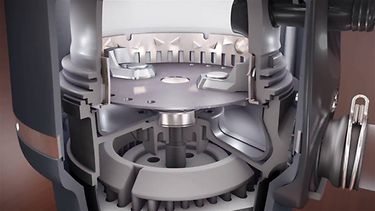
Inside a standard garbage disposal, you’ll find a round metal plate called a grind ring or impeller plate. This plate spins rapidly when you turn on the unit. Attached to the plate are two small, blunt metal pieces known as impellers. These aren’t sharp — they are designed to push food scraps against the grind ring, not cut them.
As the plate spins (usually at 1,700 to 2,800 revolutions per minute), the impellers force food particles outward by centrifugal force. The grind ring, which has small sharp edges and holes, shreds and grinds the food into tiny particles. These small particles are then flushed down the drain with water.
So, while blades would slice like a knife, garbage disposals instead grind and crush. The system is more like a cheese grater than a blender.
What’s Inside A Garbage Disposal?
To clear up the confusion, let’s look at the main parts inside a typical garbage disposal:
| Component | Function |
|---|---|
| Impeller Plate | Spins rapidly to move food outward |
| Impellers | Blunt arms that force food against the grind ring |
| Grind Ring | Shreds and grinds food into fine particles |
| Motor | Powers the spinning plate and impellers |
| Drain Outlet | Flushes out the ground food with water |
Notice there are no sharp blades listed. The only part with cutting ability is the grind ring, but it works by abrasion, not slicing.

Credit: augerpros.com
Why Do People Think Disposals Have Blades?
The idea that garbage disposals have blades is a common misconception. Here’s why:
- Blender Confusion: People often compare disposals to blenders, which do use sharp blades.
- Marketing Language: Some manufacturers use terms like “cutting system” or “grinding power,” leading to misunderstandings.
- Sound and Vibration: The loud noise and vibration from a running disposal can make it seem like there are knives inside.
In reality, the design is focused on grinding, not cutting. If you’ve ever reached into a turned-off disposal to retrieve a spoon, you probably noticed there’s nothing sharp inside.
Are Garbage Disposals Dangerous?
Even though there are no spinning blades, it’s still wise to be careful around your garbage disposal. Here’s what you need to know about safety:
- Blunt Impellers: The impellers are not sharp, but they move very fast. If the disposal is running, serious injury can still occur if your hand gets caught.
- Grind Ring Edges: The grind ring has some sharp edges, but these are hard to reach unless you completely dismantle the unit.
- Foreign Objects: Metal utensils, glass, or bones can break and create sharp fragments inside the chamber.
It’s always best to turn off the power (unplug or use the circuit breaker) before sticking your hand in for any reason.
Garbage Disposal Types And Their Mechanisms
There are two main types of garbage disposals: continuous feed and batch feed. Both types use the same grinding system, not blades.
| Type | Activation | Safety | Mechanism |
|---|---|---|---|
| Continuous Feed | Switch/button | Less safe during use | Grind ring & impellers |
| Batch Feed | Stopper/lid | Safer; runs only when covered | Grind ring & impellers |
Both types lack blades. The main difference is safety and activation style.
What Happens If You Drop Something In The Disposal?
Dropping a spoon or ring in the disposal is a common kitchen accident. Since there are no spinning blades, your item is less likely to be sliced apart. However, if the disposal runs with metal or hard objects inside, the impellers and grind ring can still cause damage — both to the item and the machine.
- Plastic and Wood: Usually get ground up or stuck.
- Metal Objects: Can cause sparks, loud noises, or jam the disposal.
- Glass: Breaks into dangerous shards. Handle with care.
Always turn off the power before reaching in. Use tongs or pliers if possible.

Credit: www.reddit.com
Cleaning And Maintenance Tips
Because garbage disposals grind rather than cut, they can handle a wide range of food scraps, but not everything. Here are key cleaning and maintenance tips:
- Flush with Cold Water: Always use cold water during and after running the disposal. This helps solidify fats and flush particles.
- Avoid Grease and Fibrous Foods: Grease can coat the grind ring, and stringy foods like celery can wrap around the impellers.
- Use Ice Cubes: Grinding ice occasionally helps clean the grind ring and impellers.
- No Harsh Chemicals: Avoid bleach or drain cleaners. Use baking soda and vinegar for odors.
A common mistake is dropping coffee grounds or eggshells in the disposal. These materials can build up in pipes, leading to clogs.
Common Myths Vs. Facts
Let’s clear up some popular myths:
| Myth | Fact |
|---|---|
| Disposals have razor-sharp blades | No blades; they use blunt impellers and a grind ring |
| You can put anything down the disposal | Hard bones, grease, and fibrous foods can cause problems |
| Hot water is best for cleaning | Cold water is safer as it keeps grease solid |
| Lemon peels sharpen the blades | There are no blades; lemon freshens but doesn’t sharpen |
Pros And Cons Of Garbage Disposals
Understanding the internal mechanism also helps you weigh the pros and cons.
Pros
- Convenient: Quickly removes food scraps from the kitchen.
- Hygienic: Reduces garbage odors and pests.
- Environmentally friendly: Less food waste goes to landfills.
Cons
- Not universal: Some municipal systems can’t handle the extra organic waste.
- Can clog pipes: If used improperly.
- Requires maintenance: Needs regular cleaning.
An often-missed insight: Garbage disposals can extend the life of your sink drain by keeping it clearer of large debris, but only if used correctly.
How To Stay Safe And Avoid Damage
Most injuries from garbage disposals happen not from blades, but from misuse. Here’s how to stay safe:
- Always turn off power before reaching in.
- Never use your hand to remove jams if possible; use tongs or pliers.
- Don’t overload: Feed scraps slowly.
- Run water: Before, during, and after use.
One beginner mistake is running the disposal dry — always use water to help the grinding process.
What To Do If The Disposal Stops Working
Sometimes the disposal jams or stops. Here’s what you should do:
- Reset Button: Most units have a red reset button underneath. Press it if the motor overheats or stalls.
- Manual Crank: Some models include a hex hole at the bottom. You can manually turn the impeller plate to free jams (with the power off).
- Professional Help: If you can’t fix it, call a plumber or appliance expert.
Never try to repair a garbage disposal while it’s plugged in.
When To Replace Your Garbage Disposal
Even with no blades, the grind ring and impellers can wear out. Signs it’s time for a new disposal:
- Frequent jams
- Strange noises not fixed by cleaning
- Leaks under the unit
- Persistent bad smells
Most disposals last 8–15 years with proper care.
Environmental Impact And Alternatives
While garbage disposals help keep kitchens clean, their impact on waste management is sometimes debated. Food scraps in the sewer can increase water treatment costs. In some cities, composting is preferred.
If you want to be eco-friendly, consider using a compost bin for vegetable peels and coffee grounds. Use the disposal only for small, hard-to-compost items. For more about the environmental impact of disposals, check the Wikipedia entry.
Frequently Asked Questions
Do Garbage Disposals Have Sharp Blades Inside?
No, garbage disposals do not have sharp blades. They use blunt metal impellers and a grind ring to crush and grind food waste, not cut it.
Is It Safe To Stick My Hand In A Garbage Disposal?
It’s safer than many people think because there are no blades. However, always turn off the power and use a tool if possible. The impellers and grind ring can still cause injury if the unit is accidentally switched on.
Why Does My Disposal Make A Loud Noise If There Are No Blades?
The loud noise comes from the high-speed spinning of the impeller plate and the grinding action against the ring, not from slicing. Hard objects like bones or utensils can also make the unit sound much louder.
Can A Garbage Disposal Grind Bones And Hard Items?
Most household disposals can handle small, soft bones (like fish bones), but not large, hard bones. Trying to grind large bones, fruit pits, or metal can damage the unit.
How Do I Clean My Garbage Disposal Safely?
Run cold water, add a few ice cubes, and turn on the disposal. For odor, pour in baking soda and vinegar, let it fizz for a few minutes, then rinse with water. Avoid harsh chemicals and keep your fingers away from the chamber.
Garbage disposals are helpful kitchen tools, but they don’t work like many people think. By knowing what’s really inside your disposal, you can use and maintain it better, avoid damage, and keep your kitchen running smoothly.
Credit: www.insinkerator.com