Every home and building relies on smoke detectors for safety. These small devices play a huge role in preventing fire disasters and saving lives. But sometimes, smoke detectors go off even when there is no fire. Many people wonder: can something as simple as water vapor from a shower, boiling pot, or humidifier set them off? Understanding this helps you avoid false alarms and keeps your home safe without unnecessary panic.
This article explains why smoke detectors sometimes react to water vapor, how different types of detectors work, and what you can do to reduce false alarms. Whether you’re a homeowner, renter, or business manager, you’ll learn practical steps to keep your smoke alarms both effective and quiet when there’s no real danger.
How Smoke Detectors Work
To understand why water vapor might trigger a smoke detector, it helps to know how these devices sense danger in the first place. There are two main types of smoke detectors: ionization and photoelectric.
Ionization Smoke Detectors
Ionization detectors have a small amount of radioactive material between two electrically charged plates. This creates a steady electric current. When smoke particles enter the chamber, they disrupt the current, and the alarm sounds. Ionization detectors are especially good at sensing fast, flaming fires with lots of small particles.
Photoelectric Smoke Detectors
Photoelectric detectors use a light beam and a sensor. When smoke enters the chamber, it scatters the light, causing it to hit the sensor and trigger the alarm. These detectors are better at catching slow, smoldering fires that produce more visible smoke.
Here’s a simple comparison of these two types:
| Type | Best at Detecting | Common Trigger |
|---|---|---|
| Ionization | Fast, flaming fires | Small particles (including dust, steam) |
| Photoelectric | Slow, smoldering fires | Visible smoke, some steam |
Why This Matters
The way a detector senses smoke particles also affects how it reacts to things like water vapor, dust, or even bugs. Not all smoke detectors respond the same way to steam or humidity.
Can Water Vapor Trigger Smoke Detectors?
The simple answer is: yes, water vapor can set off smoke detectors. But it depends on several factors:
- Type of Detector: Ionization alarms are generally more sensitive to small particles, including those in water vapor.
- Amount of Vapor: A little steam from a shower might not be enough, but thick clouds from boiling water or a hot shower can be.
- Room Ventilation: Poorly ventilated rooms allow vapor to build up and reach detectors.
- Detector Placement: Alarms close to bathrooms, kitchens, or humidifiers are more likely to react.
How Water Vapor Causes False Alarms
Water vapor consists of tiny droplets suspended in the air. These droplets can mimic the way smoke particles scatter light in photoelectric detectors or disrupt electric currents in ionization detectors. As a result, your smoke alarm might “think” there’s smoke when it’s only steam.
This is especially common in:
- Bathrooms after hot showers
- Kitchens during cooking or boiling water
- Laundry rooms with dryers
- Rooms with humidifiers
Real-world Example
A family takes a long, hot shower with the bathroom door open. Steam drifts into the hallway where a smoke detector is installed. Suddenly, the alarm rings, even though there’s no fire. This kind of false alarm is more common than many people realize.
False Alarms: How Common Are They?
False alarms are a frequent problem. The National Fire Protection Association (NFPA) reports that in the United States, about 32% of smoke alarm activations are false alarms, often caused by cooking or steam.
Here’s a breakdown of common false alarm triggers:
| Trigger | Percentage of False Alarms |
|---|---|
| Cooking | 59% |
| Steam/Water Vapor | 11% |
| Dust/Insects | 8% |
| Other | 22% |
These numbers show that water vapor is a real concern for anyone wanting to avoid unnecessary alarms.
Key Differences: Smoke Vs Water Vapor
It’s easy to confuse smoke and steam, but they’re not the same. Here’s how they differ:
- Smoke is made of tiny solid particles from burning materials.
- Water vapor (steam) is made of water droplets. It can reflect or scatter light like smoke, especially in large amounts.
However, smoke detectors are not “smart” enough to tell the difference. Both can set off the alarm if they reach the sensing chamber in the right amount.
Which Smoke Detectors Are Most Sensitive To Water Vapor?
Not all smoke detectors react the same way to water vapor. Some are much more likely to be triggered by steam or humidity.
Ionization Detectors: Higher Risk
Because ionization detectors are tuned to sense small, invisible particles, they are more likely to react to steam from showers, boiling water, or humidifiers.
Photoelectric Detectors: Less Sensitive
Photoelectric detectors react mainly to larger, visible particles. They are less likely, but not immune, to false alarms from steam.
Comparison Table
Here’s a quick look:
| Detector Type | Sensitivity to Water Vapor | Best Placement |
|---|---|---|
| Ionization | High | Living areas, bedrooms |
| Photoelectric | Moderate/Low | Near kitchens, bathrooms |
| Dual-sensor | High | General use |
Key insight: If you have frequent false alarms near bathrooms or kitchens, consider switching to photoelectric detectors in those spots.
How To Prevent False Alarms From Water Vapor
False alarms are annoying and can make people ignore real alerts. Here are steps to reduce false alarms caused by water vapor:
- Choose the Right Detector Type
- Use photoelectric detectors near kitchens and bathrooms.
- Use ionization detectors in bedrooms and living rooms.
- Placement Matters
- Install detectors at least 10 feet (3 meters) away from bathrooms and cooking appliances.
- Avoid placing alarms directly outside bathrooms or above stoves.
- Place detectors on the ceiling, but not directly above sources of steam.
- Improve Ventilation
- Use exhaust fans in bathrooms and kitchens to remove steam quickly.
- Open windows when cooking or showering for faster vapor removal.
- Regular Maintenance
- Clean detectors every few months to remove dust or residue.
- Test alarms monthly to ensure proper function.
- Replace batteries at least once a year.
- Upgrade Old Detectors
- Consider modern smoke detectors with smart technology that can better distinguish between smoke and steam.
- Replace detectors every 8-10 years.
Practical Tip
If you can’t move a detector, try using a fan or vent to direct steam away from the device. Also, always keep doors closed during hot showers or heavy cooking.

Credit: firefighternow.com
When A False Alarm Happens: What To Do
Even with all precautions, a false alarm may still happen. Here’s how to handle it safely:
- Stay Calm. Make sure there’s no real fire.
- Ventilate the Area. Open doors and windows to clear steam.
- Reset the Detector. Follow the manufacturer’s instructions. For most, you press and hold the “reset” button.
- Do Not Disable the alarm permanently. If false alarms are frequent, change the location or type of detector.
Important: Never remove the batteries or disconnect the alarm just to stop false alarms. This puts your safety at risk.
Non-obvious Insights And Common Mistakes
While most people focus on the obvious (like detector placement), here are two insights beginners often miss:
- Humidity Levels Matter: High humidity, even without visible steam, can sometimes trigger sensitive detectors. Areas with poor ventilation or ongoing moisture (like basements) are at higher risk.
- Hidden Water Sources: Leaky pipes, wet clothes drying indoors, or even aquarium covers can produce enough vapor to set off some alarms if detectors are placed too close.
A common mistake is to “test” the smoke detector by blowing steam or aerosol spray at it. This can damage the sensor or cause it to become less accurate over time.

Credit: firefighternow.com
The Role Of Smart Smoke Detectors
Smart smoke detectors offer advanced features that can help reduce false alarms. Some models use algorithms to tell the difference between smoke and steam. Others send alerts to your phone so you can silence a false alarm remotely. While these are not perfect, they represent a step forward in home safety technology.
Smart detectors can be more expensive, but for homes with frequent false alarms, the investment can be worthwhile. Check for compatibility with your home system before purchasing.
When To Call A Professional
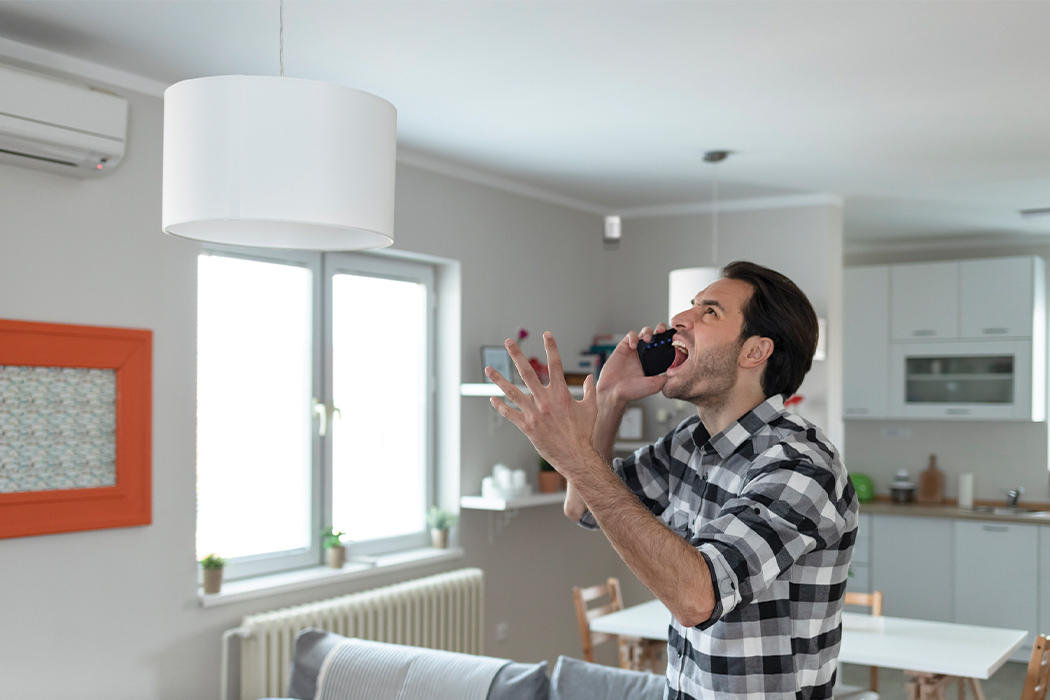
If your smoke detector keeps going off for no clear reason, and you’ve tried all the above steps, it may be time to call a professional. Electricians or fire safety experts can:
- Test your detector with specialized equipment
- Check for wiring problems
- Suggest better placement or upgrade options
Persistent false alarms can also mean a faulty detector. Smoke alarms don’t last forever—replace units older than 10 years.
Credit: brinkshome.com
Frequently Asked Questions
Why Does My Smoke Detector Go Off After A Shower?
Steam from a hot shower can drift into nearby hallways or rooms. If a smoke detector is close, the water vapor can mimic smoke particles and trigger a false alarm. This is especially true for ionization detectors.
How Can I Prevent Smoke Alarms From Reacting To Steam?
- Use photoelectric detectors near bathrooms
- Install alarms at least 10 feet away from showers or stoves
- Use exhaust fans or open windows to clear steam quickly
Can A Humidifier Set Off A Smoke Alarm?
Yes, especially if the humidifier produces a lot of mist and is placed close to a sensitive detector. Move the humidifier or the detector to reduce risk.
Is It Safe To Cover A Smoke Detector Temporarily During Cooking Or Showering?
Never cover a smoke detector for long periods. If you must, use a shower cap or cloth only for a few minutes and remove it immediately after. Forgetting to uncover the alarm puts your safety at risk.
Where Can I Learn More About Smoke Alarm Safety?
You can find more detailed information at the National Fire Protection Association website.
Smoke detectors are essential for safety, but understanding how they work can help you avoid needless stress from false alarms. By using the right type, placing them correctly, and maintaining good ventilation, you can keep your home safe without the annoyance of unwanted alarms.
Take a few simple steps now, and your smoke detectors will be ready to protect you when it matters most.