Standard carbon pitchers don’t remove lithium, but reverse osmosis systems strip out over 90% of it. Whether ordinary pitcher units or whole-house systems effectively filter out lithium depends entirely on the filtration method inside the unit. Activated carbon leaves dissolved trace alkali metals untouched, while high-pressure membranes block them.
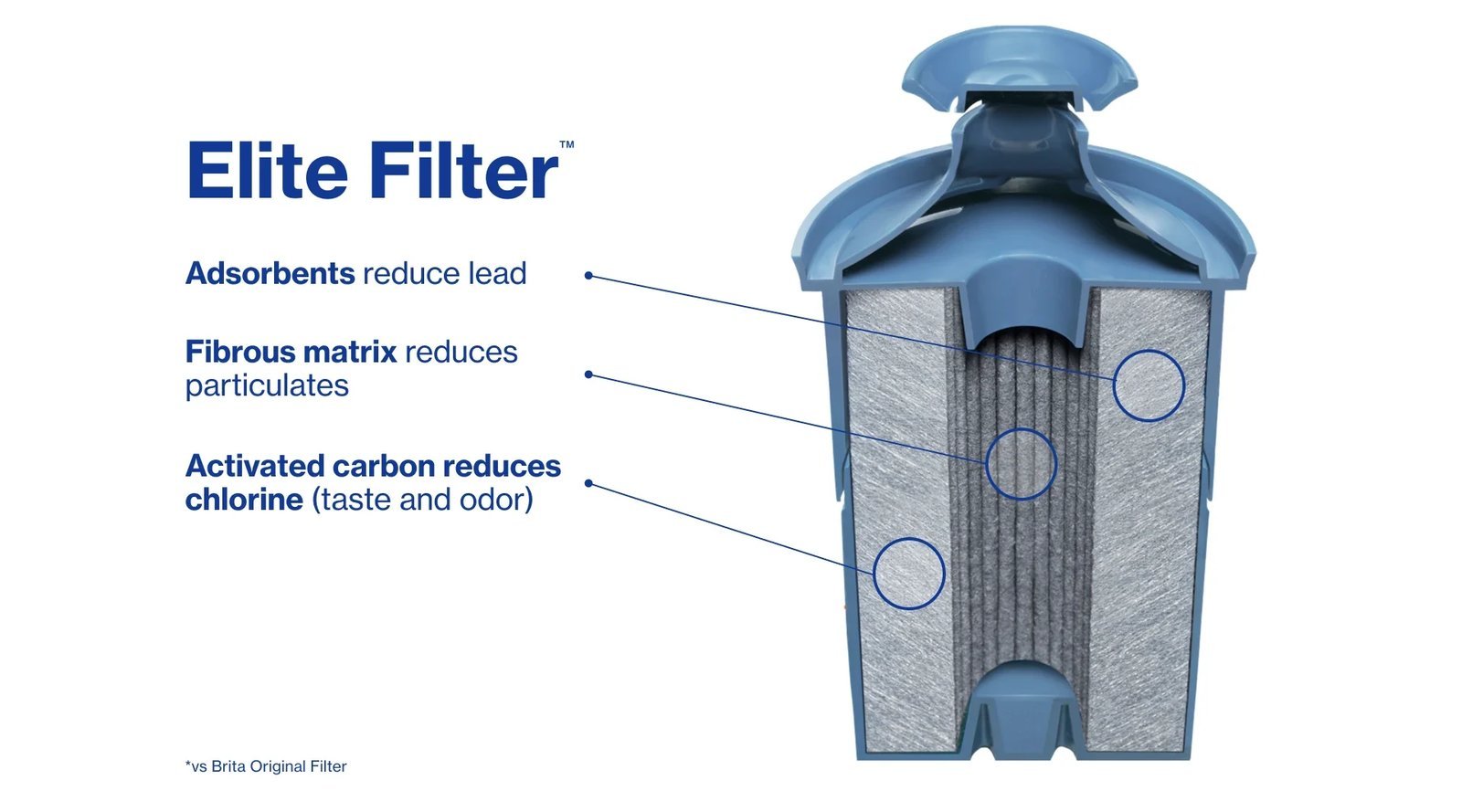 Photo: www.brita.com
The short version
- Standard carbon pitchers leave all dissolved lithium in your tap water.
- Reverse osmosis under-sink systems clear 90% to 95% of lithium ions when run at 50 PSI or higher.
- Distillation units drop lithium content to near zero by boiling water into steam and leaving minerals behind.
- Whole-house ion-exchange softeners swap calcium for sodium but don’t pull out lithium ions.
- This process isn’t for people using standard gravity pitchers who expect trace-mineral removal without membrane filtration.
- Check your local utility’s annual drinking water report to verify local lithium baseline numbers before buying gear.
Why Are People Concerned About Lithium in Water?
People are concerned about lithium in drinking water because it can occur naturally in groundwater and may also be present in some public water supplies. The amount varies widely by location and water source.
The concern is mainly about long-term exposure to elevated levels, not the tiny amounts that may occur naturally in every water source. However, there is no single lithium level that applies to every household, so knowing your local water concentration is important before choosing a treatment system.
If you are concerned about lithium, check your local water quality report or have your tap water tested by a qualified laboratory. Once you know the starting level, you can choose a filtration method based on its documented lithium-removal performance.
Why Lithium passes through common filters
Lithium dissolves in tap water as a tiny, positively charged ion ($Li^+$). Because lithium is an alkali metal with an exceptionally small ionic radius, it slips right through the porous matrix of standard activated carbon blocks. Carbon filters work through chemical adsorption, catching organic compounds, chlorine, and large sediment particles along their internal surfaces. Dissolved mineral salts simply wash past these adsorption sites without sticking.
Removing this element requires physical exclusion or phase separation. A reverse osmosis system pushes tap water against a semipermeable membrane with tiny microscopic pores under home water pressure. Water molecules fit through the membrane fabric, but hydrated lithium ions can’t cross easily due to their electric charge and surrounding water shell.
The United States Geological Survey study on lithium in groundwater shows that natural mineral concentrations vary widely by geographic region. If your water shows elevated trace elements, install membrane separation; if your source has standard trace levels below health advisory limits, carbon filtration remains completely sufficient for taste and odor. A primary trade-off with high-rejection membrane systems is wastewater production, since these units send three to four gallons down the drain for every single clean gallon produced.
When the answer is different
 Photo: www.fastcompany.com
Filter media, operational pressure, and incoming mineral loads will change these removal outcomes.
| Situation | What changes | What to do instead |
|---|---|---|
| Under-sink reverse osmosis | Strips 90% or more lithium | Use verified membrane filtration |
| Gravity pitcher with carbon | Leaves all lithium untouched | Switch to specialized distillation |
| Home water countertop distiller | Leaves all minerals behind | Collect pure boiled distillate |
| Traditional ion-exchange softener | Swaps only divalent harness | Add reverse osmosis downstream |
| Ultrafiltration 0.01-micron hollow fiber | Pores are too large | Upgrade system to reverse osmosis |
| Refrigerator door carbon filter | Only improves taste/chlorine | Install under-sink filtration lines |
How to Choose a Water Filter for Lithium
Start by checking the filtration method rather than choosing a filter based only on its brand or contaminant list. If lithium reduction is your goal, look for a reverse osmosis or distillation system with clear performance data for dissolved minerals.
Before buying, check the manufacturer’s specifications for lithium reduction, membrane performance, and required operating conditions. Do not assume that every reverse osmosis system removes the same percentage of lithium.
A total dissolved solids (TDS) meter can show whether overall dissolved solids have dropped, but it cannot confirm lithium removal by itself. If your lithium level is a serious concern, test the water before and after filtration through a qualified laboratory. This gives you a clearer picture of how well your chosen system actually works.
You might find this helpful: Does Drinking Water Help Metabolism
How to do it properly
- Collect a certified water sample using a sterile plastic collection bottle to check your starting lithium baseline. A laboratory test result showing exact parts-per-billion metrics tells you the starting concentration.
- Verify home plumbing line pressure using a thread-on mechanical gauge attached to your wash sink faucet. If your gauge shows 50 to 80 PSI, proceed; if line pressure reads below 40 PSI, purchase a booster pump.
- Mount a multi-stage reverse osmosis filtration assembly onto your cabinet wall using the included bracket screws. Check that the unit hangs level so filter sumps unscrew cleanly during future maintenance cycles.
- Fasten the quarter-inch feed-water supply saddle onto your cold supply pipe using an adjustable wrench. Confirm the cold supply valve opens fully without drips forming along the newly tightened threads.
- Mount the reverse osmosis system’s thin-film composite membrane cartridge into the central horizontal vessel. Ensure the rubber O-ring seal seats firmly into the rear housing groove to prevent bypassed untreated water.
- Flush the brand-new system completely through three full storage tank fills, which takes about 6 to 9 hours. Test output water using a handheld total dissolved solids meter to confirm readings drop near zero.
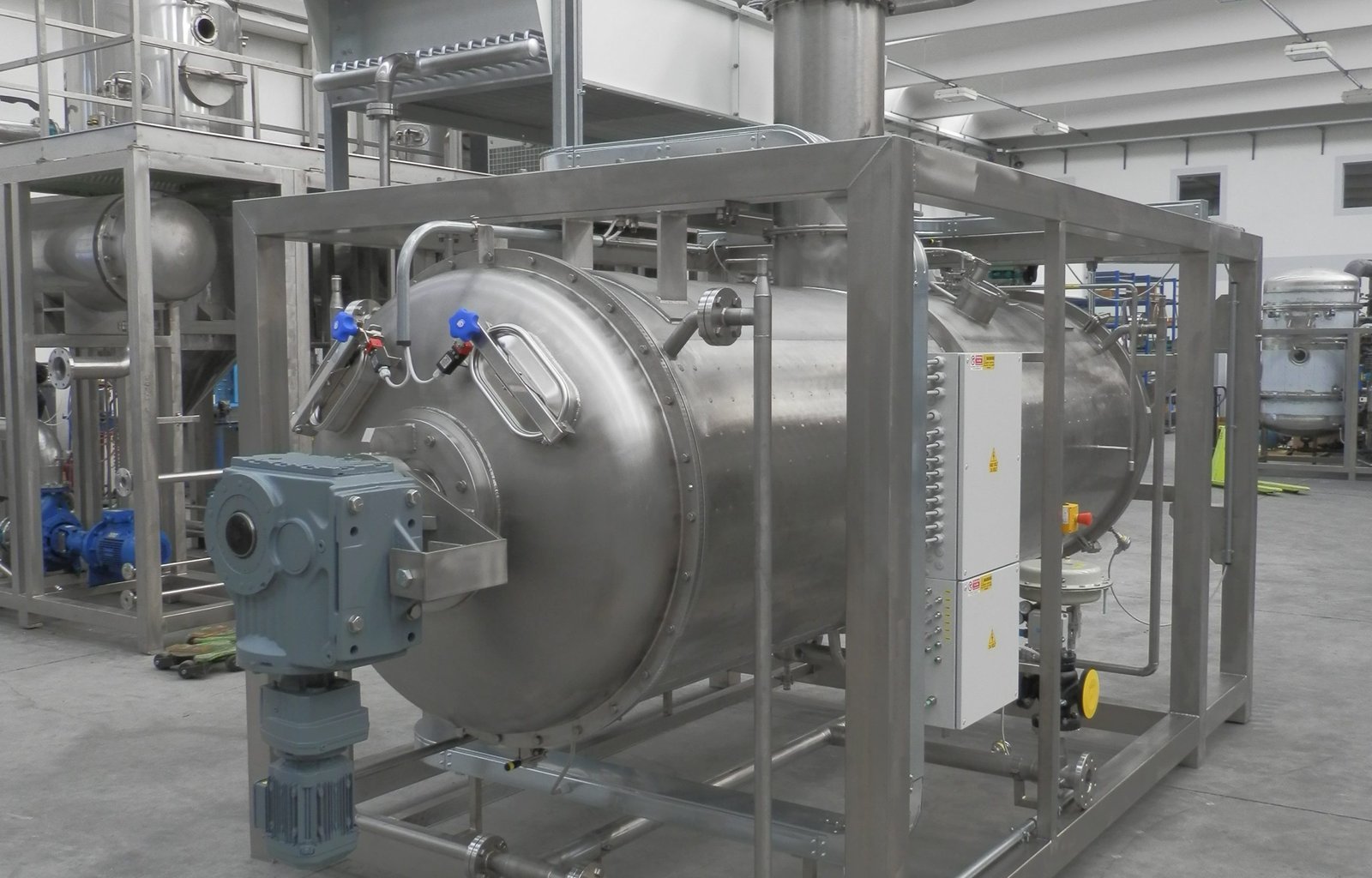 Photo: condorchem.com
The mistakes that ruin it
- Buying basic carbon pitchers expecting trace element removal; this mistake wastes $30 to $60 while leaving lithium levels unchanged.
- Letting line pressure fall below 40 PSI on a reverse osmosis membrane, which ruins the rejection rate and lets ions leak across.
- Skipping scheduled pre-filter replacements past six months, causing accumulated chlorine to eat holes through delicate polyamide membrane fabrics.
- Forgetting that whole-house water softeners only target hard scale; this leaves your kitchen drinking tap with all original dissolved lithium.
Frequently asked questions
Can a Brita filter remove lithium from water?
No, standard Brita pitchers don’t remove lithium from tap water. These filters use activated carbon and basic ion-exchange beads designed strictly to reduce chlorine taste, odor, cadmium, and copper. Because lithium ions are tiny and soluble, they pass through carbon filter granules without sticking to the media.
Does boiling water remove lithium?
No, boiling tap water doesn’t remove lithium and actually increases its concentration. When water boils on a stove, liquid water leaves the pot as pure steam while all dissolved metals and minerals stay behind. The remaining water volume holds a slightly higher percentage of lithium than before.
Is reverse osmosis effective for lithium?
Yes, reverse osmosis removes between 90% and 95% of lithium from residential drinking water. The dense membrane prevents tiny dissolved ions from passing through under standard home water pressure. This removal efficiency varies by model, operating pressure, and incoming water temperature, so check the manufacturer performance data sheet.
Can whole-house water softeners remove lithium?
No, standard water softeners don’t pull lithium out of your home water supply. Softeners use specialized resin beads that specifically target divalent ions like calcium and magnesium, swapping them for sodium. Because lithium is a monovalent alkali metal, the softening resin beads can’t attract or trap it.
How do I test for lithium in tap water?
Send a cold tap water sample to an accredited state environmental testing laboratory for trace mineral analysis. Common home test strips don’t measure dissolved lithium accurately at typical low concentrations. A certified laboratory uses mass spectrometry equipment to report your exact lithium levels in micrograms per liter.
Does a zero-water filter reduce lithium?
Yes, multi-stage filters using comprehensive mixed-bed deionization resin reduce dissolved lithium to undetectable levels when new. The trade-off is filter lifespan: high mineral levels exhaust these resin beads rapidly. Once the resin meter reads above 006 total dissolved solids, the cartridge stops capturing incoming mineral ions.