Yes, certain home filtration systems stop tiny synthetic particles completely, but whether water filters filter out microplastics depends entirely on the pore size of your cartridge. Reverse osmosis and ultrafiltration blocks capture particles down to 0.1 microns or smaller, while basic pitcher units leave smaller fragments behind.
Physical mesh size decides what passes through your tap. A standard activated carbon block relies on adsorption for chlorine, but microplastics range from 5 millimeters down to 1 micrometer or even smaller nanoplastics.
A common trap is assuming any brand removes plastics, as many standard filters only address aesthetic effects like taste and odor, so they won’t trap microscopic debris unless designed specifically for sub-micron particulate reduction.
How to Know if a Water Filter Removes Microplastics
Don’t rely on pore size alone when choosing a filter for microplastic reduction. Check the product label or manufacturer’s specifications for a specific microplastics reduction claim and look for independent certification when available. NSF says filters certified to NSF/ANSI 401 can reduce microplastics, and its certification listings identify products with specific microplastics-reduction claims.
Also check exactly what the certification covers. A filter certified for chlorine, taste, or odor does not automatically remove microplastics. NSF notes that certification applies to specific contaminant claims, not every possible contaminant.
So before buying, verify three things: the filter’s microplastic reduction claim, its independent certification, and the replacement schedule. This is more reliable than choosing a filter based only on a small micron rating.
Which Types of Water Filters Remove Microplastics?
Not every water filter works the same way, so the filter type matters. Reverse osmosis systems use a very fine membrane and can provide strong physical particle reduction. Ultrafiltration systems also use a membrane barrier that can capture very small particles, depending on the specific model and its tested performance.
Basic activated carbon and pitcher filters are different. They may improve taste, odor, and some contaminants, but you should not assume they remove microplastics unless the product has a specific reduction claim or certification.
For the best choice, check the manufacturer’s tested claims rather than relying only on the filter’s micron rating. A smaller rating can indicate finer filtration, but it does not automatically prove microplastic removal. Once you’ve chosen the right system, proper setup also matters.
Selecting and setting up the right system
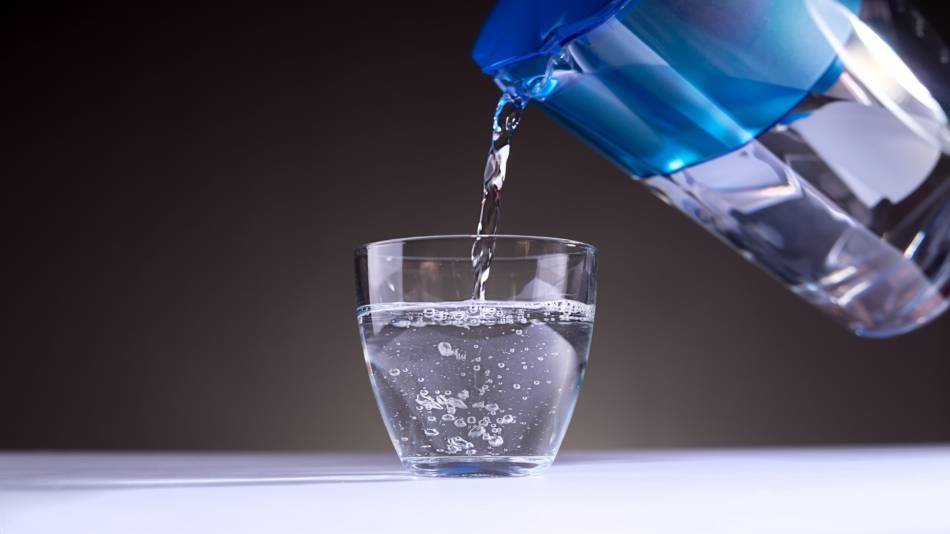 Photo: www.consumerlab.com
- Check your tap water report from your local utility to verify incoming water pressure and hardness levels.
- Select an under-sink reverse osmosis system or an ultrafiltration block rated down to at least 0.5 microns. Tip: If you choose reverse osmosis, install a drain line adapter so waste flush water exits safely without backing up.
- Turn off your cold water supply valve under the sink completely before disconnecting any pipes.
- Mount the system bracket to the cabinet wall using two screws, keeping the sump bases at least 2 inches above the floor.
- Connect the cold water feed line to the system inlet using a dedicated 3/8-inch compression fitting. Tip: Flush the brand-new filters for 10 minutes continuously into a bucket to clear factory manufacturing dust before drinking.
- Check all quick-connect fittings for moisture by wiping them dry with a clean paper towel after turning the main line back on.
If your setup requires drilling through stone countertops or altering household plumbing lines, hire a licensed plumber to prevent costly water leaks.
How long it takes
Filtration speed depends entirely on the system type, incoming water pressure, and membrane density.
| Situation | How long | What changes it | What to watch for |
|---|---|---|---|
| Gravity pitcher (1 gallon) | 10 to 15 minutes | Filter age and particulate load | Water pooling on top of the cartridge |
| Standard countertop filter (1 gallon) | 1 to 2 minutes | Incoming household water pressure | Sputtering aerator or dripping spout base |
| Reverse osmosis tank refill (3 gallons) | 2 to 4 hours | Water temperature and line pressure | Continuous drain line hissing |
| Point-of-entry whole house (10 gpm) | Immediate flow | Clogged sediment pre-filter stages | Significant drop in shower pressure |
If your storage tank takes more than five hours to fill, inspect the pre-filter cartridges for heavy sediment clogging.
You might find this helpful: Best Water Filters For Home
How to tell when it’s done
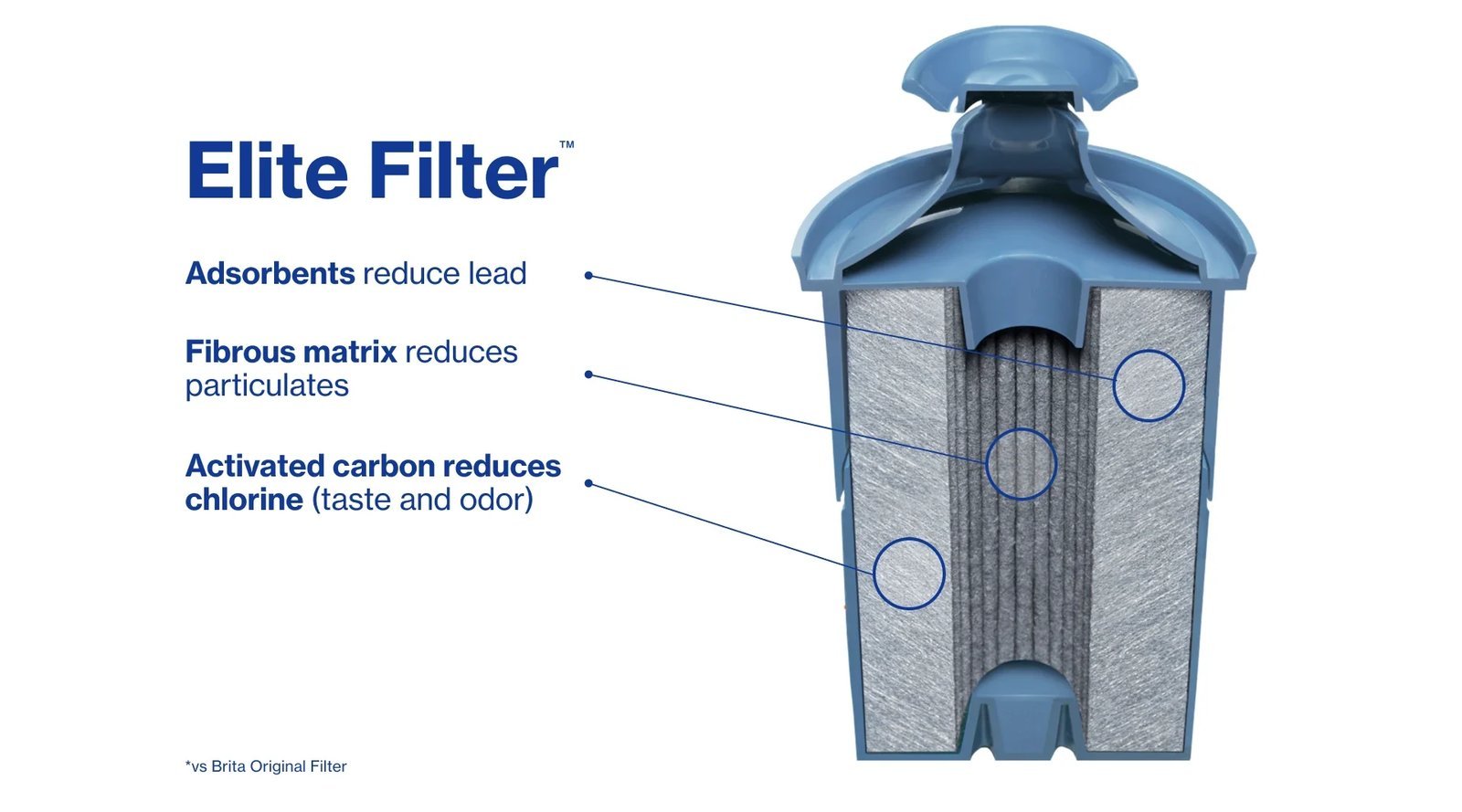 Photo: www.brita.com
A working system gives clear visual and flow clues. Your glass will stay crystal clear under direct flashlight beams, without floating flecks or cloudy haze. However, microplastics are invisible to the naked eye. The true test relies on third-party validation: check the packaging for the official NSF particulate class I reduction standard, which tests filtration down to 0.5 microns. When flow rates drop sharply, the dense pore walls have trapped their limit of physical particles, signaling it’s time to replace the cartridge.
Mistakes that ruin it
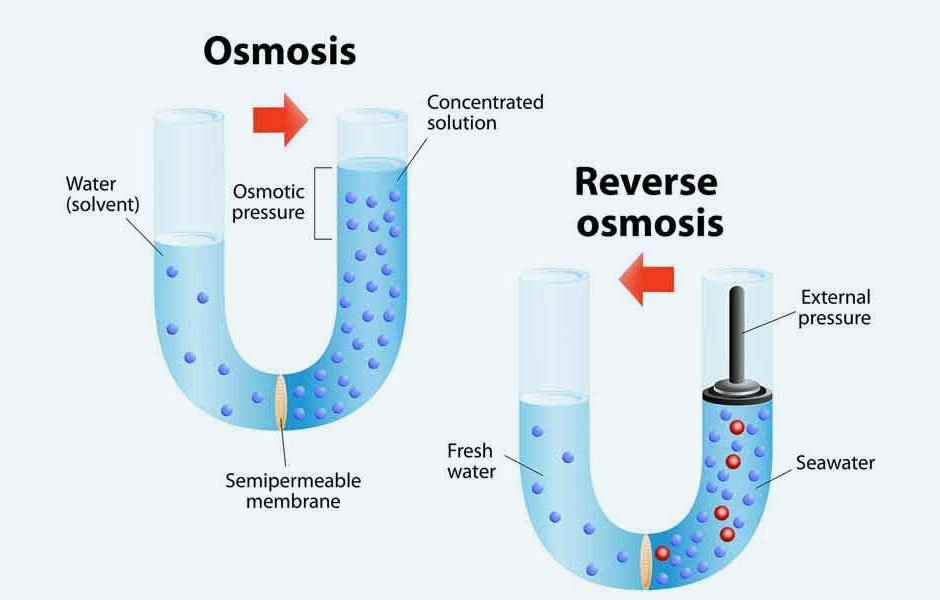 Photo: www.aquatechwatersystems.com
- Using a standard pitcher for fine particles. Basic mesh screens pass tiny synthetic fibers straight into your drinking glass, so use a sub-micron solid block instead.
- Ignoring cartridge schedule limits. Overused cartridges channel water through cracked internal pathways without filtering anything, which exposes you to collected contaminants; swap cartridges at the manufacturer’s stated interval.
- Running hot water through cold-rated filters. High heat warps internal plastic seals and releases trapped debris into your stream, so only feed cold water to your unit.
Frequently asked questions
Can boiling tap water remove microplastics?
No, boiling tap water doesn’t remove plastic particles. While boiling can cause some calcium to bind with plastics and fall to the bottom, the plastic remains in the pot unless you pour the boiled water through a dense, clean coffee filter.
Why do some filters miss microplastics?
Standard gravity pitchers use loose granular activated carbon designed to remove chlorine and odors rather than physical debris. The spaces between the loose carbon granules are simply too wide, allowing microplastics smaller than 5 microns to slip straight past them into your glass.
How long do microplastic filters last?
Most under-sink solid carbon blocks and ultrafiltration membranes last between six and twelve months. This lifespan varies by model—check the label on your specific cartridge to ensure the dense pore structure doesn’t clog prematurely from sediment buildup.
What happens if I never change my filter?
Water pressure drops severely as trapped plastic and sediment plug the small pores. If left unchanged, water forms bypass channels through the filter medium, allowing accumulated debris and microplastics to flush straight into your drinking glass.
Is reverse osmosis worth the extra waste water?
If your goal is complete removal of microplastics and nanoplastics, reverse osmosis is the most reliable option. The trade-off is water efficiency: reverse osmosis systems send several gallons of rinse water down the drain for every clean gallon produced.
Who is this equipment not for?
Under-sink multi-stage systems aren’t for apartment renters who lack permission to modify under-sink plumbing. If you can’t drill holes for a dedicated faucet or alter cold-water supply pipes, choose an independently tested countertop ultrafiltration unit instead.