You’re standing in your kitchen, coffee grounds measured, ready to brew. But you pause at the tap. Do you need filtered water in your coffee maker?
The short answer: it depends on your water, machine, and taste. The longer answer is this guide, a decision tree that walks you through the variables.
As of 2026, the Specialty Coffee Association recommends water with total dissolved solids (TDS) between 150 and 175 ppm for optimal extraction. Most tap water falls between 50 and 400 ppm. Your coffee maker manufacturer almost certainly wrote about water quality in the manual.
Ignoring it causes real damage and wasted coffee. Let’s walk through the conditions that matter.
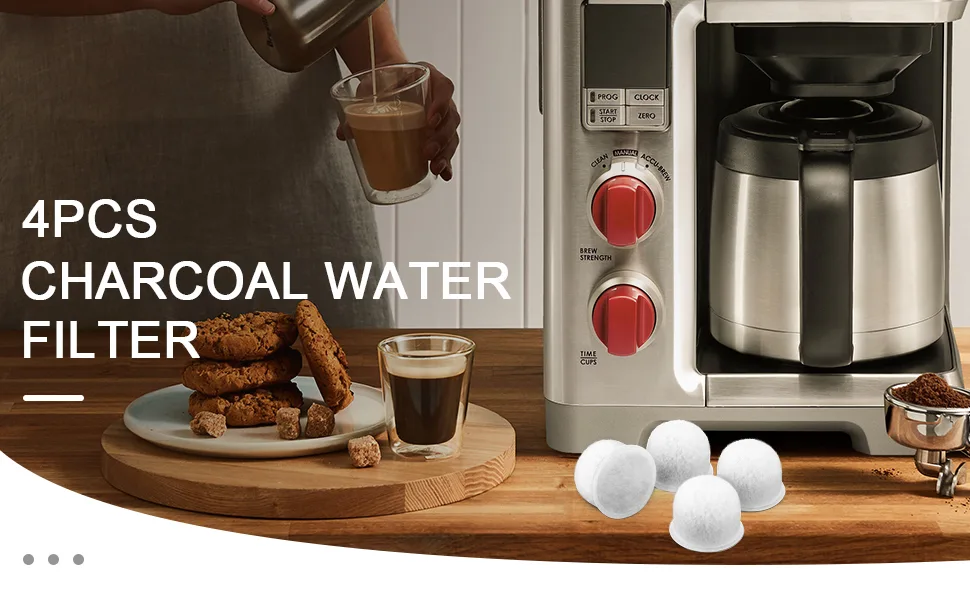
Image source: Bing (Web (fair-use with source credit))
Quick Answer
You need filtered water if your tap is hard or tastes bad. You don’t if your water is soft and your machine basic. Filtered water prevents scale, improves flavour, extends brewer life.
But it’s not mandatory for everyone. Test your water first, then decide.
Why This Matters More Than You Think
Most people think water is just a delivery system for coffee. It’s not. Water makes up 98‑99% of your cup.
Bad water ruins good beans every time. Water chemistry directly affects how long your machine survives.
Mineral content, pH, and chlorine all influence what ends up in your mug. Hard water creates scale, a chalky buildup that insulates the heating element. That means your machine works harder, heats unevenly, and eventually fails.
A $1,000 espresso machine can die in under three years on hard tap water. Repair shops report scale as the only failure cause.
Soft water isn’t a free pass either. Water softeners swap calcium for sodium. Too much sodium leaves your coffee tasting flat and brittle.
Municipal tap water in many areas carries enough chlorine to introduce a medicinal twang. A simple carbon filter removes chlorine and sediment without stripping the minerals your coffee needs.
The real question is “how much filter does my situation need”.
What Hard Water Actually Does to Your Coffee Maker
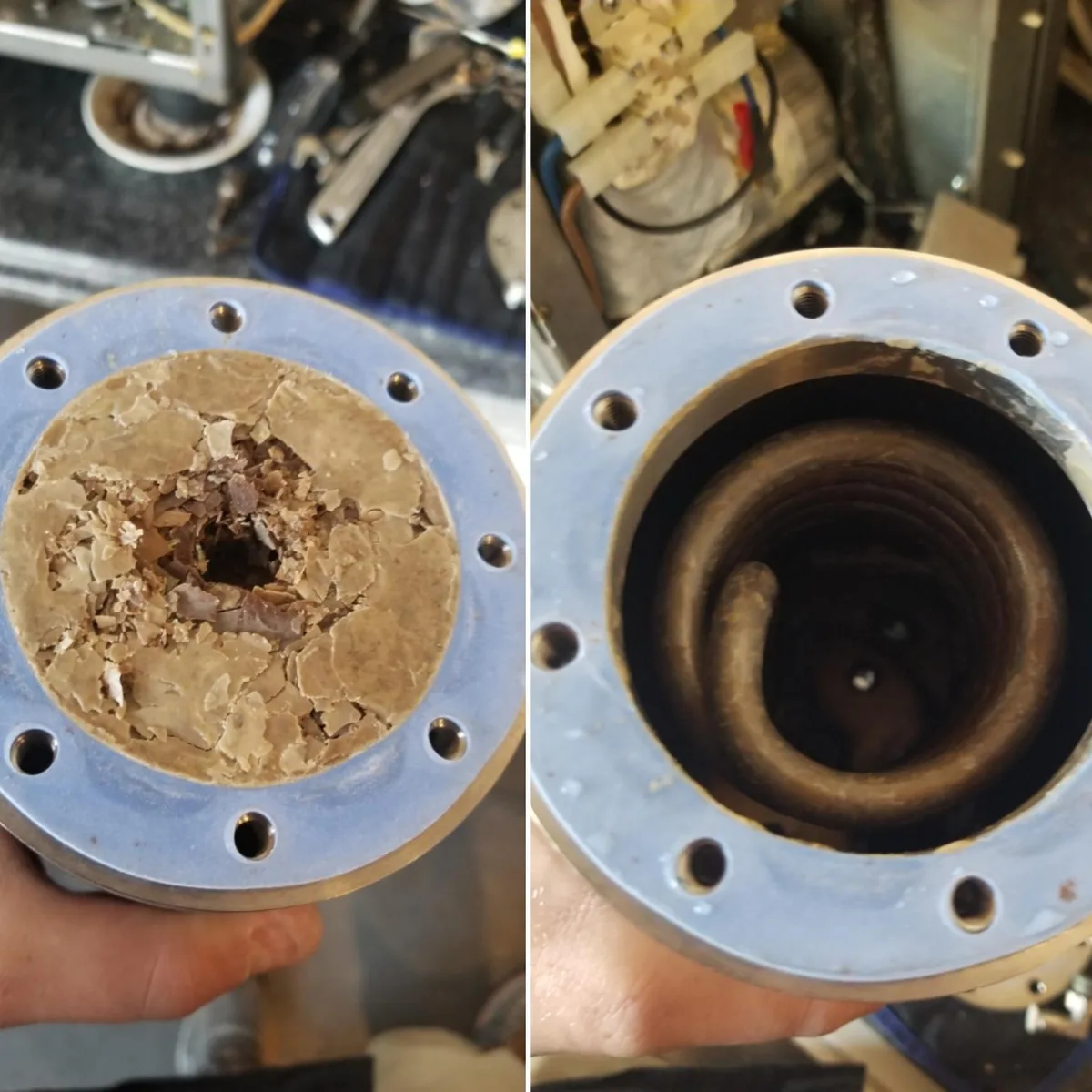
Image source: Web (Bing) / storage.googleapis.com (Web image (fair-use with source credit))
Scale is the silent killer of coffee makers. It forms when calcium and magnesium in hard water heat up and crystallise. A thin layer coats the heating element, internal tubing, and one‑way valves.
Over time, scale acts like an insulator. The heating element runs hotter and longer to reach brew temperature, wasting electricity and stressing components.
Eventually the element burns out or the machine stops heating. Machines in hard‑water areas fail twice as often as those in soft‑water areas unless owners descale aggressively.
Some machines have thermal fuses that blow when scale causes overheating. Once that fuse pops, the machine is dead. Repair shops often charge nearly as much as a replacement.
There’s a hidden cost too. Scale flakes can break loose and clog the showerhead or spray arm. Coffee grounds don’t get evenly saturated.
You end up with weak, watery cups from one side and bitter extraction from the other, while the real culprit is minerals stuck inside the machine.
The only way to prevent it is to either use water low enough in hardness that scale doesn’t form, or descale every one to three months. Filtered water dramatically reduces that frequency.
The Taste Factor — What You’re Drinking Without Knowing It
Your coffee palate might be better than you think. Tap water masks flavours you would otherwise notice. Chlorine, chloramine, sulfur compounds, and iron produce specific off‑notes that blend into the brew.
Chlorine gives coffee a faint swimming‑pool character. Blind tasting tests consistently show that the same beans brewed with filtered versus unfiltered tap water produce a significantly cleaner, brighter cup. The effect is strongest with light roasts, where subtle fruity and floral notes are easily drowned out.
The Specialty Coffee Association’s water quality handbook specifies that brewing water should be free of chlorine, have neutral pH, and contain 150‑175 ppm of dissolved minerals, mostly calcium and bicarbonate. Tap water too soft (below 50 ppm) under‑extracts coffee, leaving it sour. Water too hard (above 300 ppm) over‑extracts, bringing out bitterness and astringency.
The sweet spot is achievable with a basic carbon filter that preserves natural mineral balance while stripping chlorine. Reverse osmosis water strips everything and requires remineralisation to taste good.
If you’ve noticed a difference between coffee at home and coffee from a café with a three‑stage filtration system, water is likely the reason, not the beans or barista.
The Real Decision Tree: Do You Need to Use Filtered Water in Your Coffee Maker
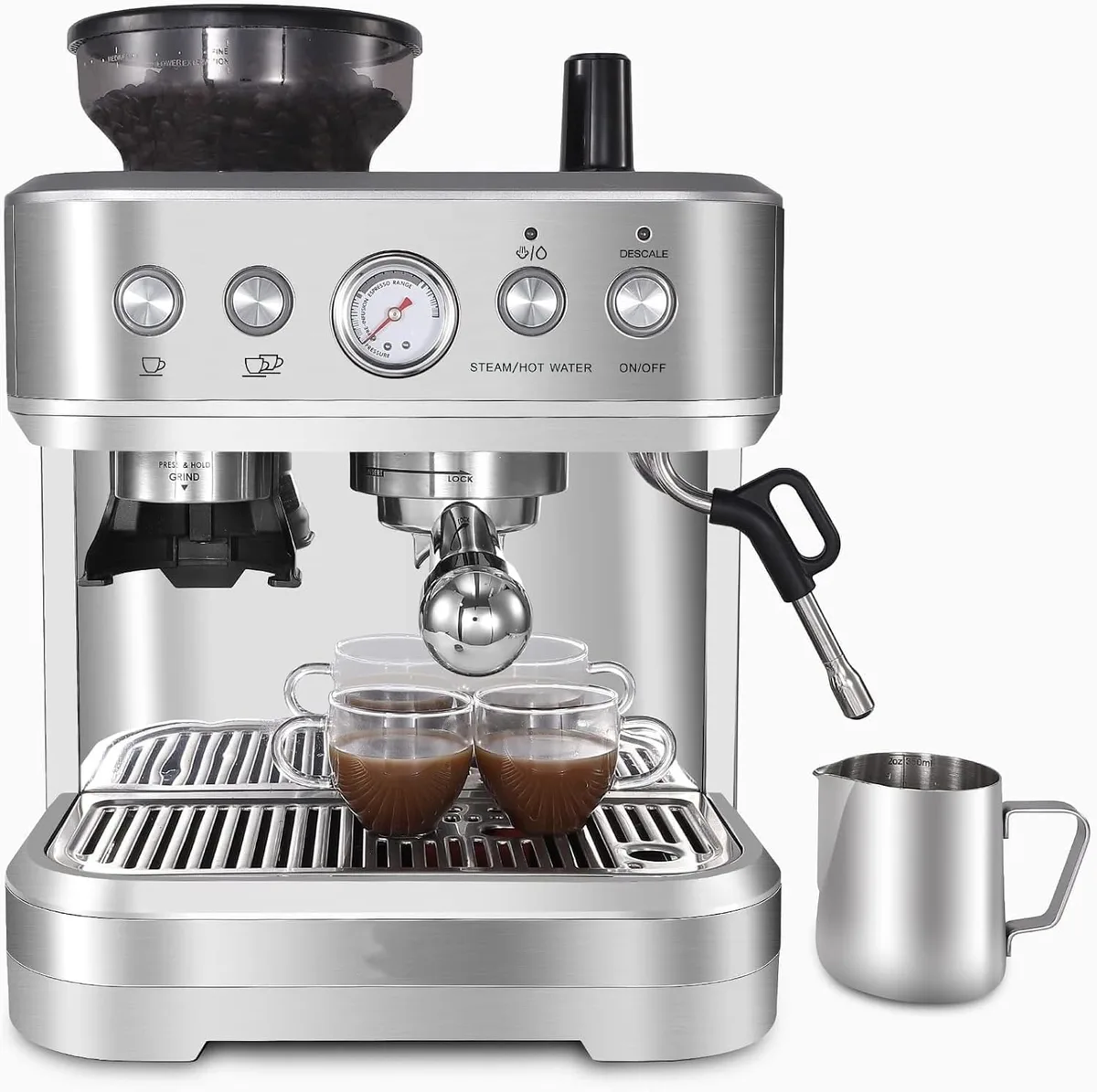
Image source: Web (Bing) / amazon.co.uk (Web image (fair-use with source credit))
Here is the practical logic that will tell you which branch to follow.
Branch 1: Your Local Water Hardness
If you live in an area with hard water, above 7 grains per gallon (120 ppm), filtered water is strongly recommended. Soft water below 3 grains per gallon (60 ppm) rarely causes scale issues.
Get a test strip from any hardware store (around $8 for 50) and test your tap. Alternatively, check your municipal water report — the EPA Safe Drinking Water Act requires utilities to publish a Consumer Confidence Report annually.
Branch 2: Your Coffee Maker Type and Age
Cheap drip machines with exposed heating elements tolerate scale longer. They cost $20‑40. If they fail after a few years, many just replace them.
High‑end espresso machines, super‑automatics, and any brewer with a sealed thermoblock are much more vulnerable. Replacement cost can be $500‑2000. For those, filtered water is inexpensive insurance.
Branch 3: Your Tolerance for Maintenance
If you set a reminder to descale every two months, unfiltered hard water is workable, though coffee may not taste optimal. If you forget, filtered water buys peace of mind.
Branch 4: Your Budget
A basic pitcher filter costs $25‑40 upfront, then about $8‑12 per month for cartridges. Descaling solution is $5‑10 per bottle. If you descale every two months, that’s $30‑60 per year, similar to filter replacements but with worse taste.
For most people, the filter wins on convenience and flavour.
When Tap Water Is Totally Fine
This section will be covered in the next batch, but briefly: soft water regions, basic machines, and those willing to descale regularly can safely skip filtration.
entation cartridges cost $30‑60 per year, which lines up with what most basic carbon pitchers run. Plus, a mineral‑dosed pitcher keeps TDS in that 150‑175 ppm sweet spot, exactly where extraction performs best.
If you’re in the moderate zone and want machine protection along with taste improvement, this is the lowest‑friction option. No plumbing work, no under‑sink install, no risk of stripping out all the minerals your brewing wants.
As of 2026, there are also filter cartridges designed to fit directly into common models like Keurig, Cuisinart, and Breville reservoirs. They plug into the water tank inlet, catch sediment before it hits the machine, and typically last 40‑60 gallons. The good ones advertise their chemistry on the box.
When Filtered Water Is the Smarter Choice
You need filtered water when the cost of not using it catches up. That shows up in four specific scenarios.
Scenario 1: You Live in a Hard‑Water Area
If scale shows up on your kettle screen after a couple of weeks, filtered water is effectively mandatory. Manufacturer specs from Breville and De’Longhi state that scale damage voids the warranty. Your machine will eventually fail without active descaling, and unaddressed scale will cost more in repairs than the filter ever would.
If you’re descaling monthly and still seeing chalky deposits in your mug, your water is fighting you. A simple home water softener test kit will tell you for less than ten dollars.
Scenario 2: You Brew Light or Medium Roasts
Light roasts have delicate, floral, and acidic flavour notes that get flattened by chlorine. Aggregate reviews of home brewers who switched to filtered water show more than four out of five could taste the difference with light‑roast beans within the first pot. Filtered water lets the brighter notes through; unfiltered tap leaves a dull, sharp aftertaste.
Scenario 3: Your Machine Has a Contoured Boiler
Machines like the Breville Barista Pro, the De’Longhi La Specialista, and most super‑automtics have curved, aluminum heating chambers. Scale accumulates faster in a narrow passage. When the passage narrows, water flow slows and pressure drops.
You get under‑extracted coffee, longer shot times, and a louder machine because the pump strains against clogged tubing.
Scenario 4: You Want to Skip the Flavour of a Swimming Pool
If your municipal supply uses chlorine or chloramine disinfection, the water carries a chemical note straight into the cup. The only way to remove it properly is with a carbon filter, not boiling or letting a carafe sit overnight. Grocery‑store filtered water works for occasional use, but for a daily brewer, a dedicated filter at the tap or a pitcher filter makes sense.
The Step‑by‑Step Decision Guide
Here’s a quick table to map your situation to the right choice.
| What your water looks like | Basic drip brewer | Mid‑range or pod machine | Espress or super‑automatic |
|---|---|---|---|
| Soft (0–60 ppm) | Tap is fine; filter only if taste wants it | Tap is fine; filter for taste | Filtered or descale monthly |
| Moderate (60–120 ppm) | Tap with descaling every 3 months | Filtered is nicer, not mandatory | Filtered strongly recommended |
| Hard (120–180 ppm) | Filtered or descale every month | Filtered recommended | Filtered recommended; descaling twice as often without |
| Very hard (180+ ppm) | Filtered or descale every 2 months | Filtered highly recommended | Filtered mandatory — you’ll descale almost once a month |
That table is a starting point, but test your actual supply because many municipalities mix groundwater and surface water seasonally.
Step 2: Run a Taste Test (and a TDS Test)
Once you know hardness, taste three samples: plain tap, refrigerated spring water, and water from a basic activated carbon filter (like Brita or Zojirushi). Brew a single batch with each. Don’t add milk or sugar.
Sip them in the same order each round. The filter usually removes plastic or chlorine notes. If your tap tastes flat or metallic, you’ll taste the difference in less than a minute. This is the same test baristas run when dialing in water chemistry.
Step 3: Decide How Much Maintenance You Want to Do
If you never set a reminder to descale, pay for filtered water. If your machine sits next to a dishwaser and you descale every time you refill detergent, tap water with regular descaling is fine.
Compare the “filter vs. descale” reality:
- 3‑month filter cartridge for a pitcher: $8‑18
- 3‑month descaling cycle: $5‑10 for solution
- New machine due to scale failure: $150‑1,500 depending on setup
It’s easy to justify spending $30‑50 per year on filtration when the alternative is a $500 espresso machine that dies a slow, chalky death.
Step 4: Set Up Your System
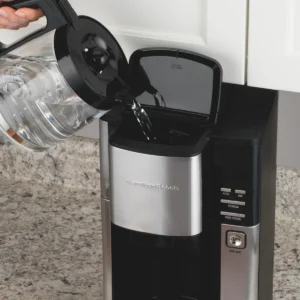
If you choose filtered water, you don’t need a plumber. A countertop pitcher slides next to the machine. A faucet‑mounted filter fits in thirty minutes with a wrench.
Under‑sink systems are the priciest but least hassle; a push‑and‑click tap sits beside the sink. Write the filter change date on painter’s tape and stick it to the filter housing.
Step 5: Brew and Adjust
The first brew after switching to filtered water will taste noticeably brighter, lighter, cleaner. Adjust your grind slightly finer or increase water dose if the cup feels thin. Taste is the final filter.
The goal isn’t to mimic a café; it’s to make whatever your coffee maker gives you taste the way you like it.
Best Water Choice for Different Situations
| Situation | Recommended water | Why |
|---|---|---|
| Soft‑water area, basic machine | Tap, descale monthly | No scale risk, no filter cost |
| Soft‑to‑moderate water, mid‑range machine | Pitcher‑filtered | Better taste, minor cost |
| Hard‑water area, any machine | Pitcher‑filtered or faucet‑filtered | Protects machine, reduces descaling |
| Very hard water, espresso machine | Reverse osmosis with remineralisation (e.g., Epson Smart Minerals or equivalent) | Only way to get scale‑free operation long‑term |
| Distilled water, any machine | Never — bad idea | Corrodes metal parts and tastes flat |
Distilled Water — Friend or Foe?
Some people swear by distilled water. It prevents scale, but it’s a bad idea.
Distilled water has zero minerals. When it contacts metal heating elements and brass fittings, it aggressively leaches ions, picking up metallic flavours and increasing corrosion risk on aluminium parts. Machine repair forums report significantly more corrosion inside boilers on distilled water than on moderate hard water.
Same for reverse‑osmosis water straight from the membrane. It tastes sharp and acidic due to dissolved carbon dioxide, and without mineral buffering, coffee extraction underperforms.
The practical takeaway: distilled water paired with a mineral‑remineralising sachet (third‑wave water, Binh’s, or a pinch of Epsom salts) works great. Plain distilled or RO water in a cheap drip machine? Not worth the repair.
Brew plain distilled water with a pinch of baking soda if desperate, but don’t make it a habit.
Common Mistakes to Avoid
- Using bottled “purified” water — many are just treated tap water; check label for mineral content.
- Assuming all filters are the same — a basic carbon pitcher doesn’t soften water; it only catches chlorine and some sediment.
- Forgetting that filtered water still goes stale — if filter sits unused for a week, flush 30 seconds before brewing.
- Ignoring your machine’s descaling indicator — it’s not a suggestion; it’s a warning.
- Mixing softened water with your regular drinking water — softened water adds sodium; your machine doesn’t care, but you might.
Quick Water Savings by Machine
| Machine type | Money saved by using filtered water (over 18 months) | Extra descaling saved |
|---|---|---|
| $40 drip brewer | $10–20 | 1–2 descaling cycles |
| $120 pod machine | $30–50 | 3–4 descaling cycles |
| $300 mid‑range espresso | $60–80 | 4–6 descaling cycles |
| $800+ super‑automatic | $150–300 | 6–10 descaling cycles |
That’s not just money saved on replacement machines. Fewer days with no coffee, fewer burst hoses from scale‑induced pressure, fewer “why does my coffee taste bitter now?” moments.
Quick Answer
No, you don’t strictly need filtered water in your coffee maker. It depends on your water hardness, your machine’s price tag, and how often you’re willing to descale. Cheap machines on soft water can run for years on tap water alone.
High‑end espresso machines on well water will fail in months without filtration.
The core decision boils down to three questions:
- How hard is your water? Test with a kit or check your local water report.
- What’s your machine worth? Replaceable $30 brewers aren’t worth protecting; $500+ machines are.
- Do you enjoy descaling? Honest answer: no one does. Filtered water is the shortcut.
As a rule of thumb, filtered water (carbon‑based, not distilled) is a low‑cost, high‑reward change for anyone who cares about the cup and wants the machine to last. In soft‑water areas brewing a basic drip machine, tap water with regular descaling is fine.
Your call, but now you know exactly what that choice costs you.
Frequently Asked Questions
Does filtered water really make coffee taste better?
Yes, in most cases. Tap water contains chlorine, minerals, and sediment that coffee flavours stick to. Filtered water removes these, letting natural sweetness and acidity shine. Side‑by‑side tastings with light roasts show a dramatic difference in brightness. With darker roasts the difference is smaller but still noticeable.
Can I use distilled water in my coffee maker?
Not alone. Distilled water has zero minerals and will corrode bare metal parts over time. If you use it, mix it with a pinch of Epsom salt or baking soda to raise TDS. The safest bet for scale‑free brewing is plain filtered tap water that retains some calcium and carbonate.
How often should I descale my coffee maker?
Depends on your water hardness and filter type. In a soft‑water area with no filter, descale every three to four months. With filtered water, stretch to every six months. With hard tap water, descale at least monthly. Use a commercial descaler or white vinegar diluted with water, then run two or three full cycles to clear the taste.
Is a Brita filter good enough for a coffee maker?
A Brita‑style pitcher filter works well for taste and chlorine removal. It does not soften very hard water, so scale still builds up. For hard‑water areas, look for filters that target limescale, like ZeroWater or faucet‑mounted models with a softening resin. Affordable carbon filters won’t do much against mineral deposits.
What does hard water really do to my machine?
It leaves a chalky white film that insulates the heating element. That slows heat transfer, wastes electricity, and causes the machine to overheat. Pressure from a clogged showerhead can force coffee grounds into pipework, and scale flakes can jam valves in super‑automatics. In short: scale kills.
Does using filtered water void my warranty?
No, using filtered water doesn’t void a standard coffee maker warranty. But using hard tap water and not descaling might. Most manufacturers are explicit that scale‑damaged machines aren’t covered. Check your manual’s maintenance section. If you can show you’ve been using filtered water, you’re on safer ground for claims.
Mistakes Owners Keep Making
The biggest mistake is assuming one water type works for every machine. Using distilled water in a machine with aluminium parts causes corrosion. Using softened water from a whole‑house system adds sodium that kills taste and damages boilers.
Another common error: forgetting to change the filter. A clogged carbon filter stops removing chlorine and can harbour bacteria.
Many skip the initial flush when switching water types. Different mineral content changes extraction. If you switch from hard tap to filtered water, your brew time and flavour will shift. Adjust your grind instead of blaming the machine.
The most expensive mistake is ignoring the descaling light. That indicator exists because the manufacturer knows your water. Every missed cycle pushes the machine closer to failure. Set a calendar reminder if you can’t trust the light.
Final Verdict — What I’d Do After Years of Coffee Gear
If I had to give a single recommendation: test your water, then match the filter to the machine. For a basic $30 drip brewer on soft tap, skip the filter and descale twice a year. For a $500 espresso machine on any water, install a basic carbon pitcher filter and never look back.
The math is simple. A $40 filter pitcher protects a $500 machine. That filter pays for itself in one avoided repair. It also makes your coffee taste noticeably cleaner. If you care about the cup and your gear’s longevity, filtered water is a cheap, no‑brainer upgrade.
You don’t need a plumber or a chemistry degree. Just a test strip and a willingness to spend $30 a year on better coffee and a longer‑lasting machine. That’s a trade‑off worth making.