Wine is a drink with history, tradition, and many rules. But one question is simple: Do you refrigerate wine? This is not just about taste; it affects freshness, aroma, and even your enjoyment. Many people, especially beginners, are unsure about storing, chilling, and serving wine. Some think only white wine needs chilling. Others put every bottle in the fridge. With so much confusion, knowing what to do matters if you want your wine to taste its best. In this guide, you’ll learn when and how to refrigerate wine, which types need cooling, and what mistakes to avoid. You’ll also see real examples, clear tables, and practical advice to help you feel confident every time you open a bottle.
Why Refrigerate Wine? The Science Behind Cooling
Wine is sensitive to temperature. Heat speeds up chemical reactions in wine, changing its taste and smell. Too much heat can cause oxidation, making wine lose flavor and freshness. Refrigeration slows these reactions, protecting the wine’s quality.
Most wines—red, white, or sparkling—should be kept cool but not freezing. Proper cooling preserves aroma, keeps balance, and prevents spoilage. For open bottles, refrigeration is even more important. Exposure to air and warmth will make wine go bad quickly.
According to the Wine Institute, wine should be stored between 45°F and 65°F (7°C–18°C), depending on type. Letting wine sit at room temperature (especially above 70°F) can ruin it in days or weeks.
Which Wines Should Be Refrigerated?
White, Rosé, And Sparkling Wines
These wines are best served chilled. The cold highlights their acidity, freshness, and fruit flavors. For storage, they need a cool environment before serving.
| Wine Type | Recommended Storage Temp | Serving Temp |
|---|---|---|
| White | 45–50°F (7–10°C) | 50–55°F (10–13°C) |
| Rosé | 45–50°F (7–10°C) | 50–55°F (10–13°C) |
| Sparkling | 40–45°F (4–7°C) | 40–50°F (4–10°C) |
Red Wines
Most people believe reds should never be chilled. This is a myth. While reds are best at cool room temperature (around 60–65°F), they can benefit from slight chilling, especially in warm climates or for lighter reds.
- Light reds (Pinot Noir, Gamay): Chill for 30 minutes before serving
- Full-bodied reds (Cabernet, Malbec): Store cool, but not cold; serve at 60–65°F
Dessert And Fortified Wines
These wines, like Port and Sherry, have higher sugar and alcohol. They can be stored at room temperature, but refrigeration after opening helps maintain flavor.
How To Refrigerate Wine Properly
Unopened Bottles
Wine should be stored in a cool, dark place. A wine fridge is ideal, but a regular fridge works for short-term storage. Avoid storing wine in the kitchen fridge for more than a few weeks, as cold, dry air can dry out corks and spoil the wine.
Tips for storing unopened bottles:
- Keep bottles lying on their side to keep cork moist.
- Avoid temperature swings.
- Protect from direct light and vibration.
Opened Bottles
Once opened, wine is exposed to air. This speeds up oxidation. Refrigeration slows this process.
- White, rosé, sparkling: Always refrigerate after opening
- Red: Refrigerate after opening, then let it warm up before drinking
| Wine Type | Fridge Life (Opened) | Best Preservation Method |
|---|---|---|
| White | 3–5 days | Re-cork or use wine stopper |
| Rosé | 3–5 days | Re-cork or use wine stopper |
| Sparkling | 1–2 days | Special sparkling stopper |
| Red | 3–5 days | Re-cork or use wine stopper |
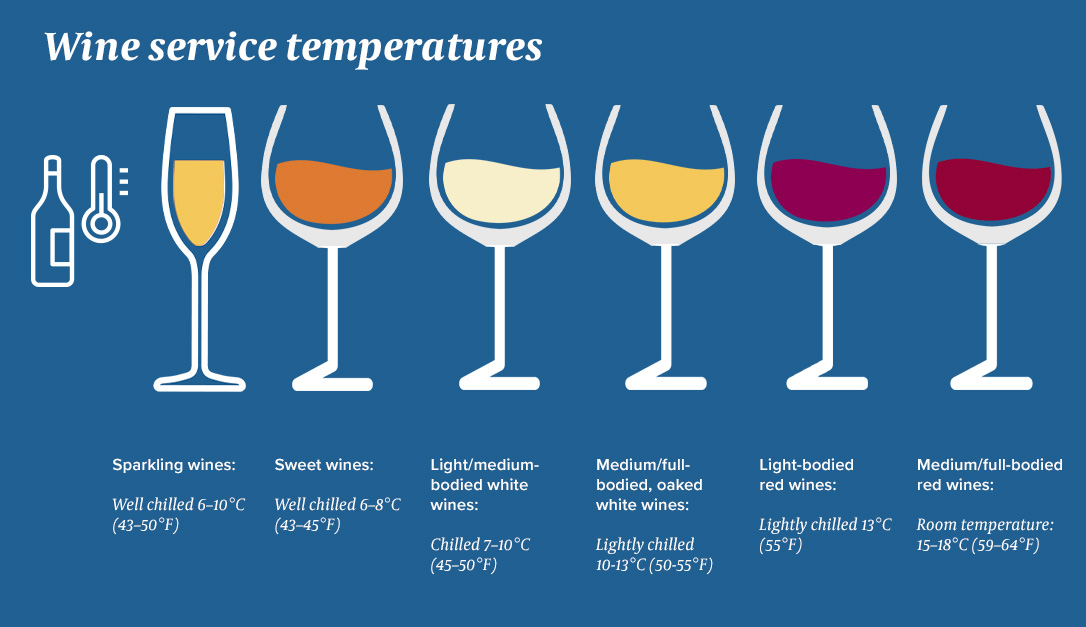
Serving Wine: The Right Temperature Matters
Wine needs the right temperature for best taste. Too cold can mute flavors; too warm can make alcohol overpowering.
Best Practices
- Take white and rosé out of fridge 15–20 minutes before serving.
- Chill reds for 15 minutes if room is hot.
- Use an ice bucket for sparkling wines.
Non-obvious insight: Many people forget that wine warms quickly in the glass. Pour small amounts so wine stays at the right temperature.
Common Mistakes
- Serving reds too warm (above 70°F): Makes wine taste flabby and alcoholic.
- Serving whites too cold: Hides aroma and flavor.
- Using the kitchen fridge for long-term storage: Can ruin cork and dry out wine.
Credit: www.wsetglobal.com
Refrigeration Vs Wine Fridge Vs Cellar
A regular kitchen fridge is cold (around 37°F) and dry. It’s good for short-term cooling, but not for long-term storage. Wine fridges are designed for wine, keeping the right humidity and temperature.
| Storage Method | Temperature Range | Best For | Drawbacks |
|---|---|---|---|
| Kitchen Fridge | 35–40°F (1–4°C) | Short-term, opened bottles | Too cold, dry, can spoil corks |
| Wine Fridge | 45–65°F (7–18°C) | All wines, long-term | Costs more, takes space |
| Cellar | 50–60°F (10–16°C) | Fine wines, aging | Needs proper setup |
Experience-based tip: If you don’t have a wine fridge or cellar, store bottles in a closet away from heat and sunlight. Only use the kitchen fridge to chill before serving or keep opened bottles fresh.
How Long Can Wine Stay In The Fridge?
The fridge helps wine last longer after opening, but not forever.
- White and Rosé: Good for 3–5 days in fridge.
- Red: Up to 5 days, but flavors change.
- Sparkling: 1–2 days; loses bubbles quickly.
- Dessert wines: Up to a week.
For unopened bottles, use the fridge only for a few weeks. Extended chilling can harm corks and affect wine.
Non-obvious insight: Even in the fridge, wine still ages. The clock starts ticking once you open the bottle. Use a wine stopper or vacuum pump to slow down spoilage.
:max_bytes(150000):strip_icc()/Wine_007-91fe38daad10496cba557a09ecdc9fc6.jpg)
Credit: www.southernliving.com
Wine Storage Myths And Facts
Myth 1: All Red Wine Should Be Stored At Room Temperature
Fact: Most reds prefer cool storage. “Room temperature” used to mean 60°F, not today’s warmer rooms. Reds stored above 70°F age too fast and lose quality.
Myth 2: Only White And Sparkling Need Refrigeration
Fact: All wines benefit from cool storage. Reds exposed to warmth spoil just as fast.
Myth 3: Open Wine Lasts Weeks In The Fridge
Fact: Even in the fridge, open wine lasts only days before flavors fade.
Myth 4: Wine Can’t Be Chilled If It’s Already Warm
Fact: You can chill wine quickly in an ice bucket (mix ice, water, and salt). Don’t freeze wine, but fast chilling is safe.
Practical Tips For Wine Lovers
- Store wine away from heat sources (oven, heater, direct sunlight).
- Use a wine fridge if possible; if not, choose the coolest part of your home.
- Always refrigerate opened bottles, regardless of wine type.
- Invest in a wine stopper or vacuum pump to extend freshness.
- Never keep wine in the fridge door; it’s the warmest part.
- If chilling wine quickly, use an ice-water bath, not just ice alone.
Confidence booster: Don’t stress about exact temperatures. Aim for cool, not cold. Trust your taste—if wine feels too warm or too cold, adjust.

Credit: expertwinestorage.co.uk
Real Examples: What Happens If You Don’t Refrigerate Wine
Let’s look at two common cases:
- Case 1: White Wine Left Out After Opening
- In 24 hours, flavor dulls, acidity fades, and aromas disappear.
- After 48 hours, wine tastes flat and may turn brown.
- Case 2: Red Wine Left at Room Temperature
- In warm climates, red wine can turn vinegary in 2–3 days.
- Tannins get harsh, and fruity flavors are lost.
A survey by Wine Spectator found that 68% of wine drinkers notice a decline in taste after 2 days if bottles are not refrigerated.
When Is Refrigeration Not Needed?
Some wines are made to last. Fortified wines (Port, Madeira) have high alcohol and can handle room temperature after opening for a week or more. Some natural wines, made without preservatives, need refrigeration even before opening.
Exception: If you finish a bottle in one sitting, refrigeration is not needed. But for most people, keeping leftovers cool is smart.
Frequently Asked Questions
How Do I Know If My Wine Has Spoiled?
Look for changes in color, cloudiness, off smells (like vinegar), or flat taste. Spoiled wine is not dangerous, but it won’t taste good.
Can I Freeze Wine To Preserve It?
Freezing is not recommended. Ice crystals can break corks and spoil flavor. If you freeze wine by accident, let it thaw slowly and check taste before drinking.
Should I Refrigerate Boxed Wine?
Yes, refrigerate after opening. The bag inside the box slows oxidation, but cool storage keeps flavor longer.
How Do I Chill Wine Quickly?
Use an ice-water bath with salt. Salt lowers the freezing point, chilling wine in 15–20 minutes. Avoid direct ice on the bottle for faster cooling.
Is It Okay To Store Wine Upright In The Fridge?
Short-term, yes. For long-term, keep bottles on their side to prevent corks from drying out.
Final Thoughts
Wine is best enjoyed fresh, with the right balance of flavor and aroma. Refrigeration plays a key role in protecting and enhancing your wine. Whether you drink red, white, or sparkling, use cool storage for unopened bottles and always refrigerate after opening. Avoid common mistakes, follow the best practices, and trust your own taste. If you want more details about wine storage and science, visit Wine Institute for expert advice.
Remember, wine is about enjoyment—not rules. With these tips, you’ll never wonder again: Do you refrigerate wine? You’ll know exactly what to do, every time.