Skip to content
Sous vide cooking is famous for making steaks tender and vegetables perfectly cooked. But many home cooks wonder: does a sous vide use a lot of electricity? Is this gentle cooking method secretly adding extra dollars to your power bill? If you’re thinking of buying a sous vide machine, or already have one, understanding its actual energy use can help you cook confidently and manage your kitchen costs.
Let’s break down how much power sous vide really uses, how it compares to other kitchen appliances, and what factors can affect your energy bill. You’ll also find practical tips to use your sous vide efficiently, plus answers to common questions about sous vide and electricity.
How A Sous Vide Machine Works
A sous vide device heats water to a precise temperature and keeps it there for hours. This gentle heat cooks food evenly, without overcooking. The most common types are immersion circulators and water ovens.
- Immersion circulators clip to a pot and heat the water directly while circulating it.
- Water ovens are self-contained units with built-in water baths.
Both types use a heating element and a small motor. The device turns on and off to keep the water at the chosen temperature.
How Much Electricity Does A Sous Vide Use?
To understand electricity use, you need to know the wattage of the device and how long you run it. Most home sous vide machines use between 800 and 1200 watts. Some high-powered models can reach 1500 watts, but this is less common for home cooks.
Let’s look at an example:
- Suppose you use a 1000-watt sous vide for 8 hours to cook a steak.
- 1000 watts = 1 kilowatt (kW).
- 1 kW x 8 hours = 8 kilowatt-hours (kWh)
But, sous vide machines do not use full power the entire time. After heating the water, they cycle on and off, using less energy. On average, the machine uses about half its maximum power during long cooks.
So, the real energy use is closer to 4 kWh for 8 hours.
Typical Cost In Dollars
Electricity rates vary, but in the US, the average cost is about $0.15 per kWh.
- 4 kWh x $0.15 = $0.60 for an 8-hour cook.
If you run your sous vide for 24 hours (for pulled pork, for example):
- 12 kWh x $0.15 = $1.80
For most recipes, the cost is less than $1. Many people are surprised at how affordable sous vide can be for daily use.
Sous Vide Vs. Other Kitchen Appliances
Wondering how sous vide compares to your oven, slow cooker, or stovetop? Here’s a simple side-by-side comparison to see how sous vide stacks up.
| Appliance | Average Wattage | Typical Cook Time | Estimated Energy Use |
|---|---|---|---|
| Sous Vide (Immersion Circulator) | 1000 W | 8 hours | ~4 kWh |
| Oven (Electric) | 2400 W | 1.5 hours | 3.6 kWh |
| Slow Cooker | 200 W | 8 hours | 1.6 kWh |
| Stovetop (Electric, one burner) | 1500 W | 1 hour | 1.5 kWh |
Sous vide uses more energy than a slow cooker for long cooks, but less than an oven. For short recipes, the difference is small, but for 24-hour cooks, sous vide uses more electricity than almost any other kitchen appliance.
What Factors Affect Sous Vide Electricity Use?
Not all sous vide cooks use the same amount of electricity. Here are the main things that change how much power your sous vide needs:
1. Water Volume
More water means more energy to heat and maintain temperature. A small pot will use less electricity than a big cooler full of water.
2. Starting Water Temperature
If you start with cold tap water, your sous vide needs more power to heat it up. Using hot tap water cuts heating time and energy use.
3. Insulation
If you use a lid or insulation (like towels or a special sleeve), you lose less heat. This means the machine cycles less, saving energy. Cooking uncovered loses more heat, so the machine works harder.
4. Target Temperature
Cooking at 131°F (medium rare steak) uses less power than 185°F (for vegetables), because the difference between water and room temperature is smaller.
5. Room Temperature
Cold kitchens make your sous vide work harder to keep water hot.
6. Model Efficiency
Some brands are better insulated or have more efficient heating elements. Check reviews and specs before buying.
7. Cooking Time
The longer you cook, the more energy you use. A 48-hour brisket will use much more power than a 1-hour egg.

Credit: www.homery.com
Real-world Examples
Let’s look at some real recipes and estimate the energy use and cost.
| Food | Temp | Time | Estimated kWh | Cost (at $0.15/kWh) |
|---|---|---|---|---|
| Steak | 131°F | 2 hours | 1.2 | $0.18 |
| Chicken Breast | 146°F | 1.5 hours | 0.9 | $0.14 |
| Pork Shoulder | 165°F | 24 hours | 12 | $1.80 |
| Soft Eggs | 167°F | 1 hour | 0.7 | $0.10 |
These numbers are averages. Your actual use may be a little higher or lower, depending on your setup and insulation.
How To Reduce Sous Vide Energy Use
If you want to enjoy sous vide without worrying about your power bill, try these simple tips:
1. Use A Lid Or Cover
A lid, plastic wrap, or even a towel over the pot keeps heat in. This can cut energy use by 30% or more.
2. Start With Hot Tap Water
Heating cold water takes more power. If safe in your area, use hot tap water to fill your bath.
3. Choose The Right Pot Size
Don’t use a huge pot for a small meal. Less water means less energy.
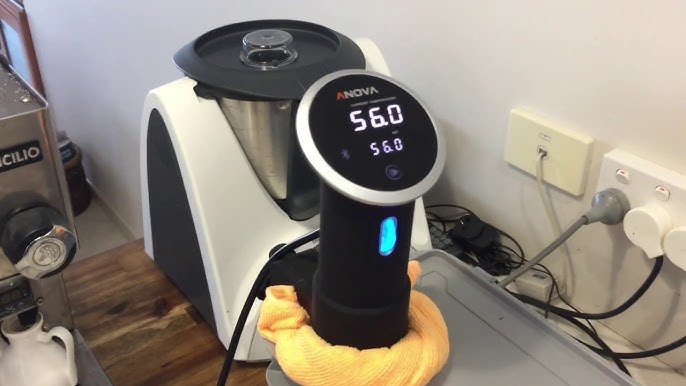
4. Insulate Your Pot
Wrap your container with a towel or buy an insulated sleeve. This helps keep heat in, especially for long cooks.
5. Cook Multiple Items At Once
Cooking several bags in one bath uses the same amount of energy as one. Batch cooking is efficient.
6. Turn Off When Done
Don’t leave the sous vide on longer than needed. Plan your timing, and turn off when finished.
7. Invest In An Efficient Model
Some brands are designed to be more energy efficient. Read reviews and look for features like auto-shutoff.
Credit: www.youtube.com
Non-obvious Insights Most Beginners Miss
Many new sous vide users focus only on the cooking time, not the actual energy used. But preheating the water often uses as much or more power as the entire cooking phase. If you preheat water with a kettle or start with hot tap water, you can cut your total energy use by up to 25%.
Another thing beginners miss: evaporation. If you leave the water bath uncovered for a long cook, water loss means the machine must keep reheating both the water and the air above it. This can easily add 10–20% more energy use over 12–24 hours. Using ping pong balls or special sous vide lids can help reduce this.
Is Sous Vide Expensive To Run?
For most home cooks, sous vide is not expensive to run. Cooking one or two meals a week with sous vide will add only a few dollars per month to your electric bill. Even if you use it daily, the total cost is often less than using your oven for the same recipes.
However, if you do a lot of long, high-temperature cooks (like 24–48 hour brisket or ribs), your costs can add up. But even then, the cost is usually lower than eating out or using a large oven for the same amount of food.

Credit: www.amazingfoodmadeeasy.com
Environmental Impact
Some people worry about the environmental effect of using a sous vide for long periods. While sous vide does use electricity, it’s often more efficient than heating a large oven for hours, especially for small amounts of food. If you insulate your pot and use efficient practices, the environmental impact is modest.
If you want to reduce your carbon footprint further, consider running your sous vide during off-peak hours (when your utility uses cleaner energy), or using renewable energy at home.
For more on energy use and cooking, the US Department of Energy has helpful resources: US Department of Energy.
When Does Sous Vide Make Sense?
Sous vide is a great choice if you:
- Want perfectly cooked food with little effort
- Need to cook large batches or meal prep
- Prefer hands-off cooking
- Value food safety and consistency
If you only cook quick meals or are very sensitive to electricity costs, a slow cooker or pressure cooker may be more efficient. But for most people, the extra cost is small compared to the convenience and results.
Frequently Asked Questions
Does Sous Vide Use More Electricity Than A Slow Cooker?
Usually, yes. Sous vide machines use more power to heat water and keep it at a steady, higher temperature. A slow cooker uses less energy, but the difference is often less than $1 per meal.
Can I Leave My Sous Vide On Overnight Safely?
Yes, sous vide machines are designed to run for many hours. Make sure your container is stable, the water won’t run dry, and you cover the water bath to prevent evaporation. Always check your device’s safety instructions.
Will Sous Vide Raise My Electric Bill A Lot?
For most households, the increase is small. Cooking several times a week with sous vide may add $3–$10 per month. It’s usually less than running an oven for the same amount of food.
Does Insulation Really Make A Difference?
Absolutely. Using a lid, towel, or insulated container can cut energy use by up to 50% during long cooks. This is one of the easiest ways to save electricity with sous vide.
What Happens If The Water Runs Low During A Long Cook?
If the water level drops below the heating element, your sous vide machine may shut off or overheat. Always cover your water bath and check the water level for cooks longer than 8 hours.
Sous vide offers easy, delicious meals with only a small impact on your energy bill. With a little planning and smart use, you can enjoy restaurant-quality food at home—without worrying about high electricity costs.