Skip to content
Juicing is everywhere these days. People buy fancy juicers, try colorful juice cleanses, and hope for fast results. Many want to lose weight and believe juicing is the answer. But does juicing help with weight loss? The truth is more complex than just drinking vegetables or fruit.
Let’s break down what juicing really does, how it can affect your body, and if it’s a smart way to reach your weight loss goals.
What Is Juicing?
Juicing is the process of extracting juice from fruits and vegetables. You remove most of the solid parts—the pulp and fiber—and keep the liquid. This juice contains vitamins, minerals, and plant compounds. People use juicers or blenders, but traditional juicers remove more fiber. Juicing is not the same as eating whole fruits or vegetables.
There are many types of juicing:
- Single-ingredient juices (like carrot juice)
- Mixed juices (combining several fruits and vegetables)
- Juice cleanses (drinking only juice for days)
Some believe juicing is healthier, but others worry about missing important nutrients.
How Juicing Affects Weight Loss
Weight loss happens when you burn more calories than you eat. Juicing can help with this, but there are risks and benefits. Let’s look at the main effects.
Lower Calorie Intake
Juicing often leads to eating fewer calories. For example, one glass of vegetable juice has fewer calories than a meal of pasta or bread. Many juice cleanses recommend drinking only juice for 1-3 days. This can create a calorie deficit, which is necessary for weight loss.
But there’s a catch: juice from fruits can be high in sugar and calories. If you drink several glasses of fruit juice daily, you might not lose weight. Vegetable juices are usually lower in calories.
| Juice Type | Calories (per 8 oz) | Sugar (g) |
|---|---|---|
| Carrot Juice | 80 | 16 |
| Orange Juice | 110 | 22 |
| Kale Juice | 50 | 2 |
| Apple Juice | 120 | 24 |
Loss Of Fiber
Juicing removes most of the fiber from fruits and vegetables. Fiber helps you feel full, slows digestion, and stabilizes blood sugar. Without fiber, juice is digested quickly, and you might get hungry faster.
Fiber also helps control appetite. For weight loss, feeling full is important. Whole fruits and vegetables are better for this than juice.
Nutrient Density
Juice is rich in vitamins and antioxidants. Drinking juice gives your body nutrients it needs. For example, carrot juice is high in vitamin A, and orange juice is packed with vitamin C.
But juice lacks protein and healthy fats. A balanced diet needs all these nutrients. If you rely only on juice for days, you miss out on key building blocks for your body.
Short-term Vs Long-term Results
Juice cleanses can lead to quick weight loss—sometimes several pounds in a few days. Most of this is water weight. When you start eating normal food again, the weight often returns.
Long-term weight loss needs lasting changes in diet and activity. Juicing alone won’t keep the weight off.
Credit: mcu.edu.ng
Benefits Of Juicing For Weight Loss
Juicing has some positive effects. Let’s explore them.
- Easy nutrient boost – Juice gives you more vitamins and minerals in one glass. This can help if you don’t eat enough vegetables.
- Lower calorie meals – Replacing a meal with vegetable juice can cut calories.
- Hydration – Juice contains water, which keeps you hydrated.
- Flavor variety – Juicing allows you to mix flavors and try new tastes, which can make healthy eating more interesting.
- Convenient for busy people – Juice is quick to make and easy to drink on the go.
Risks And Downsides
Juicing isn’t perfect. Here are some problems you might face.
- High sugar intake – Fruit juices contain lots of sugar. Too much sugar can lead to weight gain and blood sugar spikes.
- Missing fiber – Without fiber, you may feel hungry soon after drinking juice.
- Low protein – Juice doesn’t have enough protein for healthy muscles and metabolism.
- Expensive – Fresh produce and juicers can cost a lot.
- Short-term results – Most juice cleanses give only temporary weight loss.
| Benefit | Risk |
|---|---|
| Quick nutrient intake | Low fiber, hunger |
| Fewer calories (if veggie-based) | High sugar (if fruit-based) |
| Hydration | Low protein, low fat |
| Easy to consume | Costly |

Credit: www.juicepress.com
Is Juicing Better Than Eating Whole Fruits And Vegetables?
Eating whole fruits and vegetables gives you all the nutrients, including fiber. Juicing removes fiber and some plant compounds. For weight loss, whole foods are usually better.
Example: Apple Vs Apple Juice
- One medium apple: 95 calories, 4g fiber, 19g sugar
- One cup apple juice: 120 calories, 0g fiber, 24g sugar
The apple fills you up more and has fewer calories. Juice tastes good but won’t keep you full.
Practical Ways To Use Juicing For Weight Loss
Juicing can help if you use it wisely. Here are safe and practical tips:
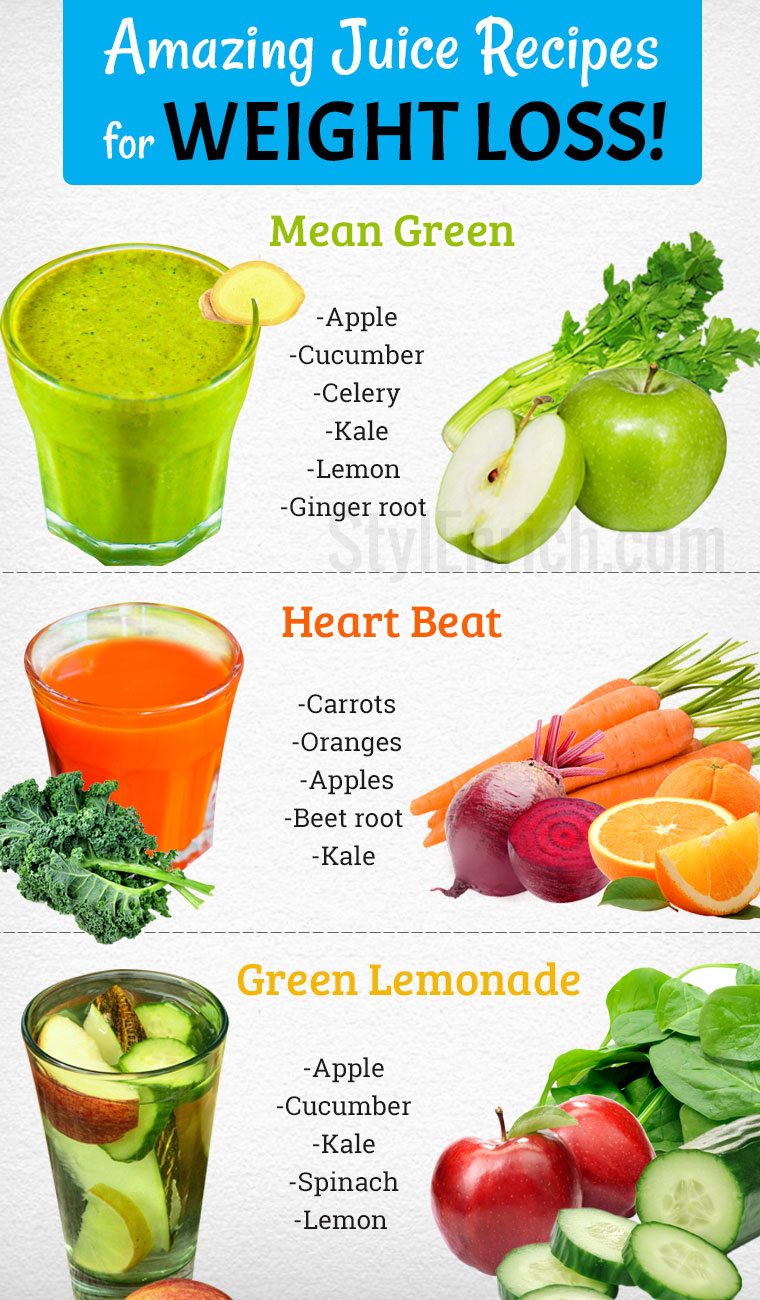
- Choose mostly vegetables – Use leafy greens, cucumbers, celery, carrots. Limit fruit to avoid extra sugar.
- Don’t replace all meals – Use juice as a snack or part of a meal, not your whole diet.
- Add protein and fiber – Pair juice with a boiled egg, nuts, or whole grain toast.
- Watch portion sizes – Keep juice servings to 8-12 ounces.
- Avoid store-bought juices – They often have added sugar and fewer nutrients.
Sample Juicing Plan For Weight Loss
- Breakfast: Green vegetable juice + Greek yogurt
- Lunch: Salad with lean chicken + small carrot juice
- Snack: Apple
- Dinner: Grilled vegetables + protein (fish, tofu)
- Hydration: Water and herbal tea
This plan keeps calories low, adds protein and fiber, and uses juice as a supplement—not a replacement.
Common Mistakes People Make
Juicing can backfire if you’re not careful. Here are mistakes to avoid:
- Using too much fruit – This increases calories and sugar, slowing weight loss.
- Skipping meals – Drinking only juice for days can cause nutrient deficiencies and loss of muscle.
- Ignoring protein – Your body needs protein to stay strong and burn fat.
- Overestimating juice benefits – Juice is healthy, but it’s not magic. You still need balanced meals and exercise.
- Buying bottled juices – These often have preservatives and less nutrition.
Scientific Evidence On Juicing And Weight Loss
Research shows mixed results. Some studies say juicing can help with weight loss, especially if it cuts calories. Others warn about risks like high sugar intake and missing nutrients.
One study found that a three-day juice cleanse led to short-term weight loss, but most of it was water, not fat. Another study showed that people lost more weight eating whole fruits and vegetables compared to drinking juice.
Experts agree: juicing can be part of a healthy diet, but should not replace balanced meals. For lasting weight loss, focus on whole foods, exercise, and good habits.
For more detailed research, see CDC Healthy Eating.
Juicing Compared To Other Diet Methods
How does juicing stack up against other popular weight loss strategies?
| Method | Calories | Sugar | Fiber | Protein | Weight Loss Potential |
|---|---|---|---|---|---|
| Juicing | Low/Medium | High (fruit-based) | Low | Low | Short-term |
| Whole foods | Medium | Medium | High | Medium/High | Long-term |
| Low-carb diet | Low | Low | Medium | High | Long-term |
| Intermittent fasting | Low | Low | Medium | Medium | Long-term |
Juicing can help for a few days, but other methods offer more lasting results by balancing nutrition.
Non-obvious Insights Beginners Usually Miss
- Juicing can cause blood sugar spikes—especially with fruit juices. This makes you feel tired and hungry soon after.
- Juicing is not suitable for everyone. People with diabetes or kidney issues should avoid high-sugar or high-potassium juices.
- Homemade juices lose nutrients quickly. Drink fresh juice within 15–30 minutes for maximum benefits.

Credit: www.youtube.com
Final Thoughts
Juicing can support weight loss—but it’s not a miracle cure. It works best when you use mostly vegetables, keep portions small, and combine juice with balanced meals. Juice cleanses may help you lose water weight fast, but the results rarely last.
For real weight loss, focus on whole foods, exercise, and healthy habits. Think of juice as a supplement, not your main meal. If you want lasting results, make small changes you can keep every day.
Frequently Asked Questions
Is Juicing Safe For Weight Loss?
Juicing is safe for most healthy adults if you use it as part of a balanced diet. Avoid juice-only cleanses for long periods, and don’t rely on fruit juices.
How Much Juice Should I Drink Daily For Weight Loss?
Stick to 8–12 ounces of vegetable juice once or twice a day. Use juice as a snack, not a meal replacement.
Can Juicing Help Burn Belly Fat?
Juicing does not target belly fat specifically. Weight loss depends on overall calorie intake and activity. Juice can help lower calories if used wisely.
What Are The Best Vegetables For Juicing?
Good choices are spinach, kale, cucumber, celery, and carrots. These are low in sugar and calories but high in nutrients.
Is Juicing Better Than Smoothies For Weight Loss?
Smoothies keep the fiber and often add protein (like yogurt or nut butter), making them better for fullness and balanced nutrition. Juicing is lighter but less filling.
By understanding how juicing works, you can make smarter choices for your weight loss journey. Remember, juice can be a healthy addition—but lasting results come from balanced eating and active living.