Skip to content
A stand mixer is a kitchen tool that many home cooks and bakers dream of owning. Its motor and mixing attachments take the hard work out of blending, kneading, and whipping. But if you’ve only seen a stand mixer on TV or in a friend’s kitchen, you may wonder: What is a stand mixer used for, really? Is it just for cakes and cookies, or does it offer more? Let’s explore how this powerful machine can change your cooking and baking routine.
What Is A Stand Mixer?
A stand mixer is an electric appliance designed to mix, whip, and knead ingredients with minimal effort. It stands on your countertop and has a fixed mixing bowl. You attach different tools—like a whisk, paddle, or dough hook—to the mixer’s head.
The mixer does the work for you, spinning the attachment and bowl to mix everything quickly and evenly.
Stand mixers usually have multiple speeds and a strong motor. They are built for heavier tasks than hand mixers, letting you prepare doughs, batters, and more in large quantities.
Core Uses Of A Stand Mixer
A stand mixer is not just for baking. Here’s how people use it in kitchens around the world:
1. Mixing Cake And Cookie Batter
The most popular use is making cake batter and cookie dough. The mixer combines butter, sugar, eggs, and flour quickly and evenly. You get smooth batters with less effort and less mess. Stand mixers are especially useful for recipes that need a lot of mixing, like pound cakes or thick cookie dough.
2. Kneading Bread And Pizza Dough
Making bread by hand can be tiring and time-consuming. A stand mixer, with its dough hook, kneads dough for you. It handles tough doughs like whole wheat or pizza dough, saving your arms and giving you more consistent results. Most mixers knead dough in 5–10 minutes, compared to 15 minutes or more by hand.
3. Whipping Cream And Egg Whites
The whisk attachment creates fluffy whipped cream and stiff egg whites for meringues, soufflés, or angel food cake. The mixer adds more air than you can by hand, so you get higher, lighter results.
4. Making Frostings And Icings
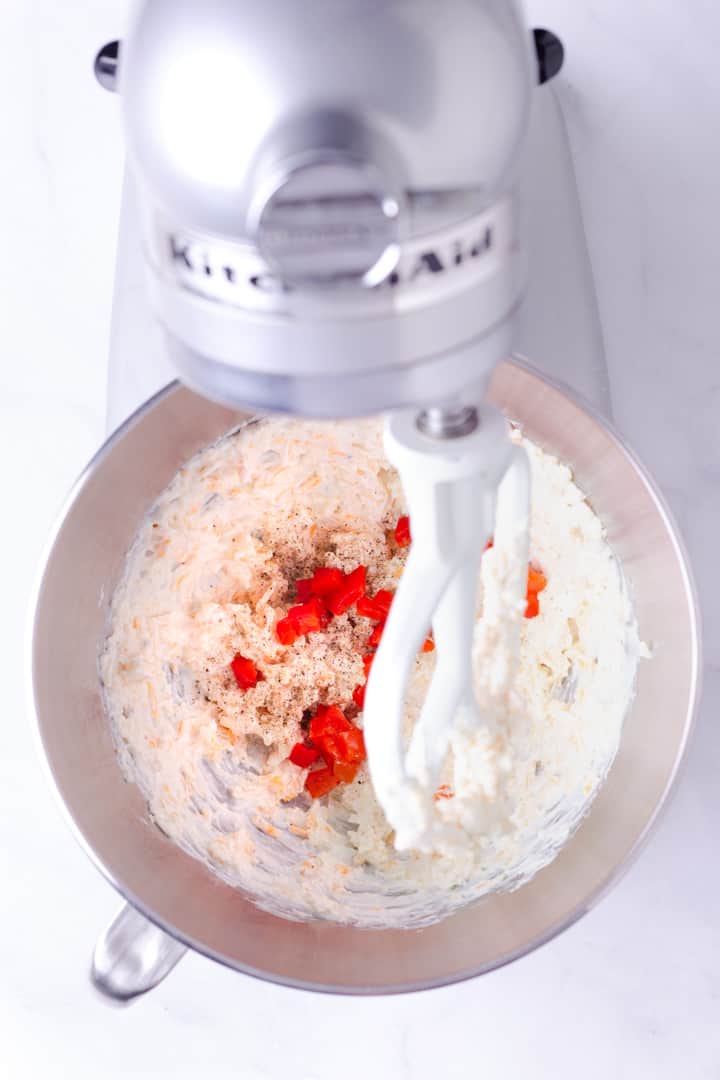
Buttercream and cream cheese frosting require a lot of mixing to become light and smooth. The stand mixer’s paddle attachment does this quickly, avoiding lumps and giving a silky texture.
5. Preparing Mashed Potatoes
A stand mixer mashes boiled potatoes easily. You add butter, milk, or cream, and the mixer makes them smooth without turning them gluey. This is a favorite trick for holiday meals.
6. Mixing Meat Mixtures
A stand mixer can mix ground meat with seasonings for meatballs, meatloaf, or sausage filling. This ensures even blending without overworking the meat, which can make it tough.
7. Making Pasta And Specialty Doughs
With optional attachments, some stand mixers roll out pasta dough or make noodles. Specialty doughs, like brioche or pretzel dough, also benefit from the mixer’s power.
8. Preparing Large Batches
If you cook for a big family or events, a stand mixer can handle large volumes. You can double or triple recipes without worrying about uneven mixing.
Attachments And Accessories: Expanding The Mixer’s Role
Stand mixers come with basic attachments, but you can buy extras to do even more. Here are the most common ones:
- Flat beater (paddle): For batters, cookie dough, and frostings.
- Wire whisk: For whipping cream, eggs, and light mixtures.
- Dough hook: For bread and pizza dough.
- Pasta maker: Rolls and cuts pasta sheets.
- Meat grinder: Grinds meat for burgers or sausage.
- Vegetable spiralizer: Cuts vegetables into spirals for salads.
- Ice cream maker: Makes homemade ice cream in the mixer bowl.
These accessories can turn your stand mixer into a multi-use kitchen machine. However, not all brands offer the same attachments, so check compatibility.
Comparing Stand Mixers To Hand Mixers
Is a stand mixer better than a hand mixer? Both have their place, but a stand mixer is more powerful and hands-free. Here’s a quick comparison:
| Feature | Stand Mixer | Hand Mixer |
|---|---|---|
| Mixing Power | High (can knead dough, mix thick batters) | Low to medium (best for light batters) |
| Capacity | Large (up to 7 quarts or more) | Small (limited by bowl size) |
| Hands-Free Operation | Yes | No |
| Portability | No (heavy, stays on counter) | Yes (lightweight, easy to store) |
| Price Range | $$$ (often $200–$800+) | $–$$ (often $20–$100) |
A stand mixer is ideal for frequent bakers, bread makers, or anyone who cooks in large quantities. If you only bake occasionally or have little kitchen space, a hand mixer may be enough.
Why Use A Stand Mixer Instead Of Mixing By Hand?
Mixing by hand works for small jobs, but stand mixers bring clear advantages:
- Consistency: The mixer blends ingredients evenly, reducing lumps or missed spots.
- Speed: Mixing, whipping, or kneading is much faster.
- Less Effort: You save energy, especially for heavy doughs.
- Better Results: Some recipes (like whipped cream or meringue) turn out lighter and higher with a mixer.
- Multitasking: The hands-free design lets you prepare other ingredients while mixing.
Many professionals say their baked goods improved when they switched to a stand mixer. For example, brioche dough is so sticky that hand mixing often fails, but a stand mixer can handle it with no problem.
How To Use A Stand Mixer: Basic Steps
If you’ve never used a stand mixer, the process is simple:
- Attach the bowl: Lock it into place.
- Choose your attachment: Paddle, whisk, or dough hook.
- Add your ingredients: Follow your recipe.
- Start slow: Turn the mixer on at a low speed to avoid splattering.
- Increase speed as needed: For whipping or kneading, use higher speeds.
- Scrape the bowl: Stop the mixer occasionally to scrape the sides.
- Finish and clean: Remove the bowl and attachments, and wash them.
Always read your mixer’s manual for specific advice. Overloading the bowl or using the wrong attachment can harm the motor or ruin your recipe.
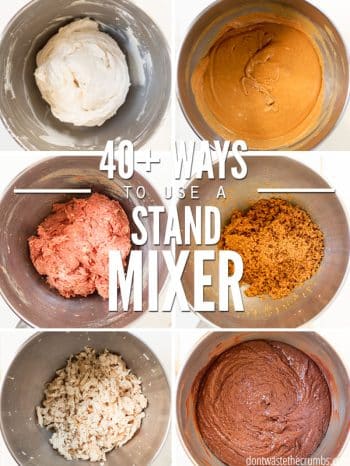
Credit: dontwastethecrumbs.com
Common Beginner Mistakes
New users often make some easy-to-avoid errors:
- Overmixing: Too much mixing can make cakes dense or dough tough. Stop as soon as ingredients are combined.
- Wrong attachment: Using the whisk for dough or the dough hook for batter gives poor results.
- Not scraping the bowl: Ingredients can stick to the sides or bottom; always check and mix in by hand if needed.
- Overfilling: Never fill the bowl above the recommended line, or you’ll get spills and uneven mixing.
- Ignoring speed guidance: Mixing too fast at first can make flour fly out or ingredients splash.
Practice makes perfect. Start with simple recipes and learn how your mixer feels and sounds.
Other Surprising Uses For A Stand Mixer
Besides the usual baking and doughs, a stand mixer can help with jobs you might not expect:
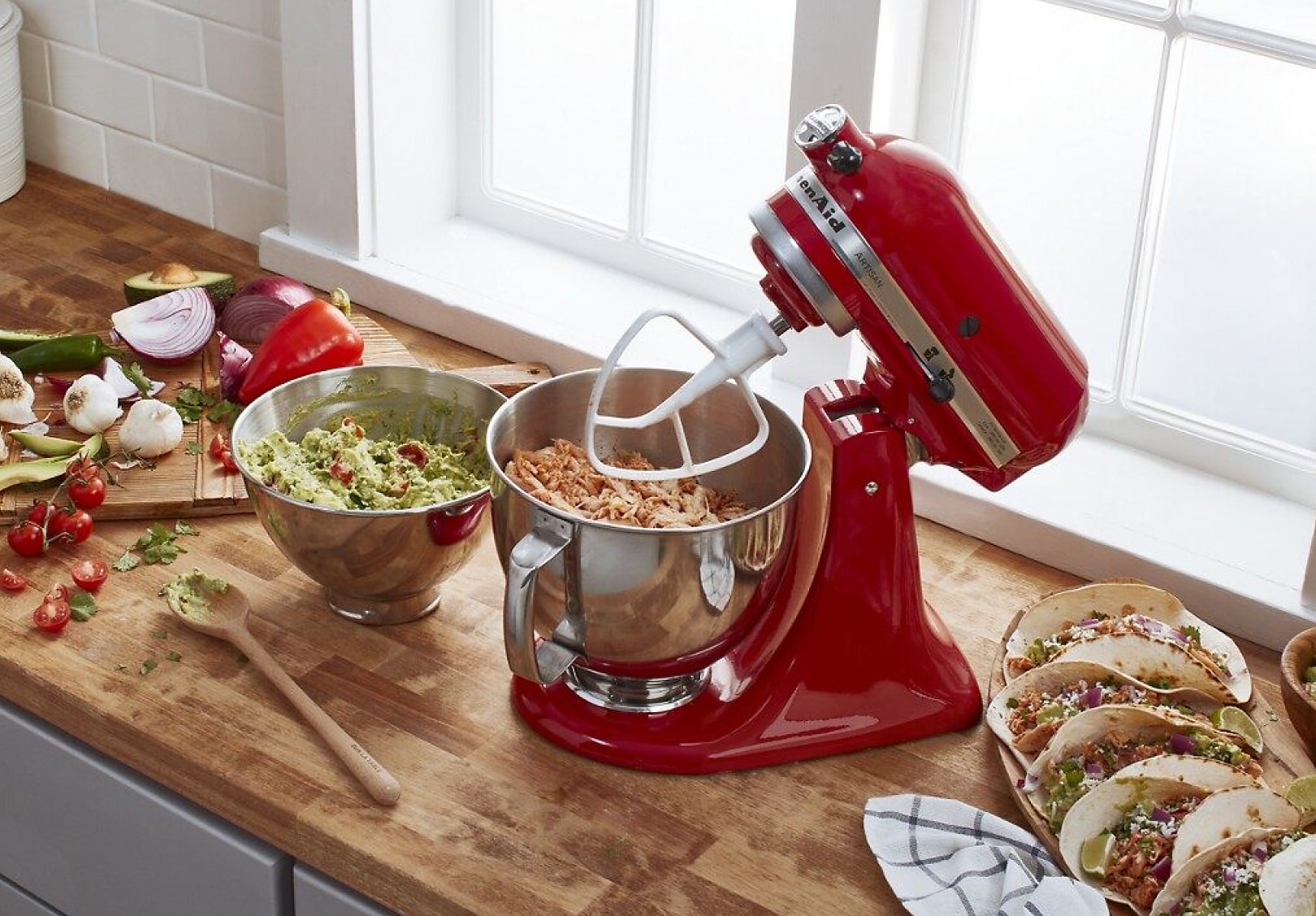
- Shredding cooked chicken or pork: Use the paddle attachment on low speed for quick, even shredding.
- Mixing homemade butter: Whip cream past the whipped stage, and the mixer separates butter from buttermilk.
- Preparing energy bars or protein balls: Sticky mixtures are easy to combine without hand fatigue.
- Making marshmallows: The whisk attachment handles hot sugar syrup and gelatin, which is tough to mix by hand.
- Mashing beans for spreads: Get smooth hummus or bean dips without a food processor.
Many owners find new ways to use their stand mixer over time. It often becomes a “go-to” tool for tricky or heavy mixing jobs.
How To Choose The Right Stand Mixer
If you’re thinking of buying a stand mixer, keep these points in mind:
- Bowl size: 4.5–5 quarts is good for most homes. Go larger if you make double or triple batches.
- Motor power: Look for at least 250 watts. Bread bakers may want 325 watts or more.
- Weight: Heavier mixers are more stable but harder to move.
- Attachments: Check which come standard and what you can add later.
- Build quality: All-metal construction lasts longer than plastic.
- Brand reputation: Reliable brands include KitchenAid, Cuisinart, and Breville.
Here’s a snapshot of popular stand mixer models:
| Model | Bowl Size | Motor Power | Price Range |
|---|---|---|---|
| KitchenAid Artisan | 5 qt | 325 watts | $450–$500 |
| Cuisinart SM-50 | 5.5 qt | 500 watts | $250–$300 |
| Breville Bakery Chef | 5 qt | 550 watts | $350–$400 |
Be careful with very cheap mixers. They may not last, and motors can burn out with heavy dough.
Cleaning And Maintenance Tips
Keeping your stand mixer clean is simple but important:
- Wash attachments and bowl after each use. Most are dishwasher safe, but check your manual.
- Wipe the mixer body: Use a damp cloth, not harsh cleaners.
- Clean under the head: Batter can drip under the mixer head—wipe it regularly.
- Oil moving parts: Some mixers need a drop of oil now and then.
- Store attachments safely: Keep them together to avoid losing pieces.
A well-cared-for mixer can last for decades. Some KitchenAid models from the 1950s are still in use!
Credit: www.kitchenaid.com
Is A Stand Mixer Worth It?
If you bake often or want to make bread, pizza, or large batches, a stand mixer is a wise investment. It saves time, effort, and can improve your results. Even if you’re a beginner, the mixer helps you try new recipes and techniques with confidence.
However, if your kitchen is small or you rarely bake, a hand mixer might be all you need. Think about your cooking habits before buying.
For more on the history and science of stand mixers, check out this Wikipedia page.
Frequently Asked Questions
What Is The Difference Between A Stand Mixer And A Food Processor?
A stand mixer is designed for mixing, whipping, and kneading. A food processor chops, slices, grinds, and purees. They are different tools—one is best for doughs and batters, the other for prepping vegetables and making sauces.
Can I Use A Stand Mixer For Dough Every Day?
Yes, most quality stand mixers can knead dough daily. Make sure you follow the recommended mixing times and don’t overload the bowl. Heavy, daily use is fine for well-built mixers.
What Size Stand Mixer Is Best For A Family?
For most families, a 4.5–5.5 quart stand mixer is enough. If you bake in large batches or for events, go up to 6 or 7 quarts.
Can I Clean Stand Mixer Attachments In The Dishwasher?
Many attachments are dishwasher safe, especially stainless steel ones. Some coated or aluminum parts may need hand washing. Always check your mixer’s instructions.
Are Stand Mixer Attachments Universal?
No, attachments usually fit only their brand and sometimes only certain models. Always check compatibility before buying new attachments.
A stand mixer is more than just a luxury for bakers. It’s a time-saving, multi-purpose machine that helps you cook and bake with less effort and better results. Whether you’re whipping cream, kneading bread, or making cookies for a crowd, the stand mixer is a true kitchen helper.
Credit: www.asweetpeachef.com