Skip to content
Vacuum sealers are now common in homes and businesses. They keep food fresh, help with meal prep, and save money. But many buyers face a big question: should you use the dry mode or moist mode on your vacuum sealer? These two settings look simple, but they affect how well your food is preserved. If you choose the wrong mode, your food might spoil or lose quality faster than you expect.
This guide will help you understand the difference between dry and moist mode, how each works, and when to use them. You’ll learn what matters most when choosing a vacuum sealer, get real examples, and see clear tables to compare. Whether you’re storing grains, meats, or leftovers, you’ll find practical tips to get the best results.
What Is Dry Mode On A Vacuum Sealer?
The dry mode is designed for foods with little or no moisture. When you use this setting, the vacuum sealer removes air from the bag and creates a tight seal. Dry mode is best for:
- Grains like rice and oats
- Nuts and seeds
- Snacks such as chips or crackers
- Dried fruits and jerky
Dry mode ensures air is removed without worrying about liquid interfering with the seal. If you use dry mode on moist foods, liquid can get sucked out and disrupt the sealing process. This can cause a weak seal or even damage the machine.
How Dry Mode Works
Vacuum sealers in dry mode use strong suction. They quickly pull air out, then heat-seal the bag. Because there’s no moisture, the seal stays clean and strong. Dry mode is also faster and easier for most foods.
Key Benefits Of Dry Mode
- Long shelf life for dry goods
- Easy sealing process, less risk of mess
- Ideal for bulk storage
What Is Moist Mode On A Vacuum Sealer?
Moist mode is for foods that contain water, oil, or sauce. Think of raw meats, cooked vegetables, soups, or marinated items. Moist mode changes the sealing process so liquid doesn’t get sucked into the machine. Instead, it gently removes air, then seals the bag with extra heat and time.
When To Use Moist Mode
Choose moist mode for:
- Raw chicken, beef, or fish
- Cooked pasta with sauce
- Stews, soups, and leftovers
- Cheese with high moisture
Moist mode helps prevent leaks and ensures the bag stays sealed even with liquid inside.
How Moist Mode Works
The vacuum sealer uses slower suction. It may stop before all air is gone to avoid pulling out liquid. Then, it applies extra heat to create a strong seal. Some advanced sealers have double seals or wider heating strips for moist foods.
Key Benefits Of Moist Mode
- Prevents leaks
- Keeps liquid in the bag
- Safer for wet or oily foods
Dry Vs Moist Mode: Key Differences
Understanding the main differences helps you pick the right mode. Here’s a direct comparison.
| Feature | Dry Mode | Moist Mode |
|---|---|---|
| Best For | Dry foods (grains, snacks) | Wet foods (meat, soup, pasta) |
| Suction Speed | Fast | Slower |
| Seal Strength | Standard | Extra heat, often double seal |
| Risk of Leaks | Low | Lower than dry mode |
| Food Shelf Life | Months to years | Weeks to months |
| Common Mistakes | Using dry mode for moist foods | Using moist mode for dry foods (no benefit) |
Choosing The Right Mode: Practical Examples
Many beginners miss the importance of matching the mode to the food. Here are practical examples:
- Vacuum sealing steak: Choose moist mode. The meat has juices that can seep out.
- Sealing almonds: Dry mode is best. No moisture, so you get a strong seal.
- Packing cooked rice: Even though rice seems dry, cooked rice has moisture. Use moist mode to prevent leaks.
- Storing dried herbs: Dry mode works well. Herbs are naturally dry.
- Saving leftover soup: Always use moist mode. Soup is mostly liquid and will leak if sealed in dry mode.
Two Insights Beginners Miss
- Many think dry mode is “stronger,” but moist mode actually uses more heat and sealing time for safety.
- Some foods look dry but contain hidden moisture (like cooked pasta or cheese). Always check before sealing.
Credit: help.foodsaver.com
Vacuum Sealer Features That Matter
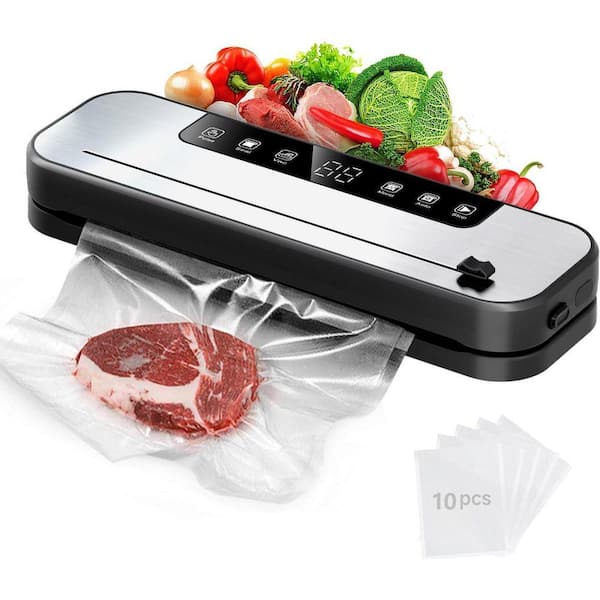
When buying a vacuum sealer, look for these features:
- Mode selection: Some cheaper sealers have only one mode. For best results, pick a model with both dry and moist settings.
- Seal width: Wider seal strips are better for moist foods.
- Double sealing: This prevents leaks in moist mode.
- Drip tray: Helps catch liquid during moist sealing.
- Pulse function: Allows manual control of suction—handy for delicate foods.
Comparison Of Popular Models
Here’s a quick look at how features differ across top vacuum sealer brands.
| Model | Dry Mode | Moist Mode | Seal Width | Double Seal | Drip Tray |
|---|---|---|---|---|---|
| FoodSaver FM2435 | Yes | Yes | Standard | No | Yes |
| NutriChef PKVS | Yes | Yes | Wide | Yes | No |
| Seal-a-Meal FSSMSL0160 | Yes | No | Standard | No | No |
Common Mistakes And How To Avoid Them
Even experienced users make mistakes. Here are the most frequent ones:
- Wrong mode selection: Using dry mode for moist foods can cause weak seals and leaks.
- Overfilling bags: Too much food or liquid makes sealing difficult. Leave space at the top.
- Not cleaning the sealing area: Moisture or crumbs can stop the seal from forming.
- Ignoring hidden moisture: Foods like cooked grains, fruits, or cheese may need moist mode even if they look dry.
- Not using proper bags: Cheap or thin bags may break during vacuuming, especially in moist mode.
Data: Moist Foods Are More Likely To Spoil
Studies show that vacuum-sealed moist foods still spoil faster than dry foods. For example, vacuum-sealed cooked chicken lasts about 2 weeks in the fridge, while vacuum-sealed nuts can last over 1 year. Proper mode selection reduces spoilage but cannot make moist foods last as long as dry ones.

Credit: www.trailscouncil.org
Storage Results: Dry Vs Moist Mode
Let’s see how shelf life changes with proper mode use.
| Food Type | Mode Used | Average Shelf Life (Room Temp) | Average Shelf Life (Fridge) | Average Shelf Life (Freezer) |
|---|---|---|---|---|
| Rice | Dry | 12 months | Not needed | 2+ years |
| Cooked Chicken | Moist | Not safe | 2 weeks | 6 months |
| Almonds | Dry | 12 months | 18 months | 2+ years |
| Soup | Moist | Not safe | 7 days | 3 months |
Tips For Best Vacuum Sealing Results
- Label bags: Write the date and food type for easy tracking.
- Use high-quality bags: They resist punctures and seal better.
- Freeze moist foods first: This reduces liquid movement and makes sealing easier.
- Clean the sealing area: Wipe away moisture and crumbs before sealing.
- Store sealed bags properly: Keep dry foods in a cool, dry place; moist foods in the fridge or freezer.
Dry Vs Moist Mode: Which Should You Use?
There’s no single answer. The right mode depends on your food. Ask yourself:
- Is the food completely dry or does it contain moisture?
- Will liquid leak out during vacuuming?
- Do you want to store the food at room temperature, in the fridge, or freezer?
If in doubt, choose moist mode for anything wet, sticky, oily, or juicy. Use dry mode for hard, dry foods. Using the correct mode prevents waste and keeps food safe.
Advanced Insights: What Most Guides Miss
- Moist mode sometimes leaves a tiny bit of air in the bag. This is normal and protects the machine from liquid damage. Don’t worry if the bag isn’t as tight as in dry mode.
- Some foods require pre-treatment before vacuum sealing. For example, blanching vegetables or freezing liquids improves sealing and shelf life.
If you want to learn more about food preservation and vacuum technology, visit Wikipedia’s Vacuum Packing page.
Credit: www.homedepot.com
Frequently Asked Questions
How Do I Know Which Mode To Use For Mixed Foods?
If your food has both dry and moist parts, always use moist mode. For example, pasta with sauce or a meal with gravy should be sealed using moist mode to avoid leaks.
Can I Vacuum Seal Liquids Directly?
It’s possible but tricky. For best results, freeze the liquid first, then seal it in moist mode. This prevents spills and gives a stronger seal.
Is It Safe To Vacuum Seal Cooked Foods?
Yes, but always use moist mode for cooked foods with moisture. Store them in the fridge or freezer to prevent bacteria growth.
Why Does My Vacuum Sealer Leave Air In Moist Mode?
Moist mode sometimes leaves a small amount of air to protect the machine from liquid damage. The bag may not look as tight as in dry mode, but the seal is still strong.
What Happens If I Use Dry Mode For Moist Foods?
Using dry mode for moist foods can cause leaks, weak seals, or even damage the vacuum sealer. Always match the mode to the food type for best results.
Vacuum sealing is a smart way to preserve food, but the right mode makes all the difference. With this knowledge, you can keep your food fresher, save money, and avoid common mistakes. Choose wisely and enjoy the benefits of your vacuum sealer.