Skip to content
Electric griddles have changed home cooking. They are fast, easy to use, and work for many types of food. But using a griddle is not just about turning it on and putting food on top. If you want the best results, you need to know a few electric griddle cooking hacks. These hacks help you cook tastier meals, save time, and avoid common problems. Whether you are new to griddle cooking or have used one for years, you can learn ways to cook smarter and cleaner.
Many people make mistakes without knowing it—like using the wrong oil, setting the wrong temperature, or flipping food too soon. These mistakes lead to burnt pancakes, dry sandwiches, or unevenly cooked eggs. With the right tricks, you can fix these issues.
In this article, you will discover practical hacks for better griddle cooking, from choosing the best tools to cleaning up quickly. You will also learn how to cook popular foods—like bacon, burgers, and pancakes—with perfect results. Plus, you’ll find tables comparing oils, griddle temperatures, and cleaning methods to help you make the best choices.
Read on to get simple, clear advice that will make your next meal delicious and stress-free.
Choosing The Right Electric Griddle
The first step to great griddle cooking is picking the right electric griddle. Not all griddles are the same. Some heat up faster, some are easier to clean, and some are better for big families. If you already own a griddle, you can skip to the next section, but if you plan to buy one, here are key points to consider:
- Size matters: For a family, a large griddle (about 20 inches) lets you cook more food at once. For one or two people, a smaller griddle saves space and energy.
- Temperature control: Adjustable settings are important. Some griddles only have low, medium, and high. Others show exact degrees. The more precise, the better your control.
- Surface material: Non-stick surfaces are easier to clean and require less oil. Cast iron griddles last longer but need seasoning and more cleaning.
- Drip tray: If you cook fatty foods like bacon, a good drip tray keeps grease off your food and makes cleaning easier.
- Removable parts: Griddles with removable plates or trays are simpler to wash.
Most beginners miss the importance of surface material. A poor-quality non-stick layer can peel off quickly, which is unhealthy and annoying. Look for griddles with a thick, durable coating.
Comparison Of Popular Griddle Types
Here’s a quick table showing the differences between common griddle surfaces:
| Surface Type | Pros | Cons |
|---|---|---|
| Non-stick | Easy to clean, less oil needed | Can scratch, may wear off |
| Cast iron | Great heat retention, lasts long | Heavy, needs seasoning, harder to clean |
| Ceramic | Safer, no chemicals, easy clean | May chip, not as durable |
Getting The Right Temperature
Temperature is one of the most important factors in griddle cooking. If you use the wrong heat, food burns, sticks, or comes out raw. Many people just guess, but there are better ways.
- Preheat your griddle: Always preheat for 10 minutes. This gives even heat and prevents sticking.
- Use a thermometer: For perfect pancakes, eggs, or burgers, check the surface temperature. Most griddles range from 250°F to 450°F.
- Know your food: Different foods need different temperatures. Pancakes work best at 375°F, bacon at 400°F, and eggs at 325°F.
- Avoid sudden changes: If you turn the heat up or down quickly, you may get uneven results.
- Test with water: Drop a little water on the surface. If it dances and evaporates fast, the griddle is ready.
Optimal Cooking Temperatures Table
Here’s a handy table with ideal temperatures for popular foods:
| Food | Best Temp (°F) | Cooking Time (min) |
|---|---|---|
| Pancakes | 375 | 2-3 per side |
| Bacon | 400 | 5-8 |
| Burgers | 375 | 4-5 per side |
| Eggs | 325 | 2-3 |
| French Toast | 350 | 3-4 per side |
A common mistake is cooking everything at the same temperature. This leads to dry pancakes or burnt bacon. Adjust the heat for each food.
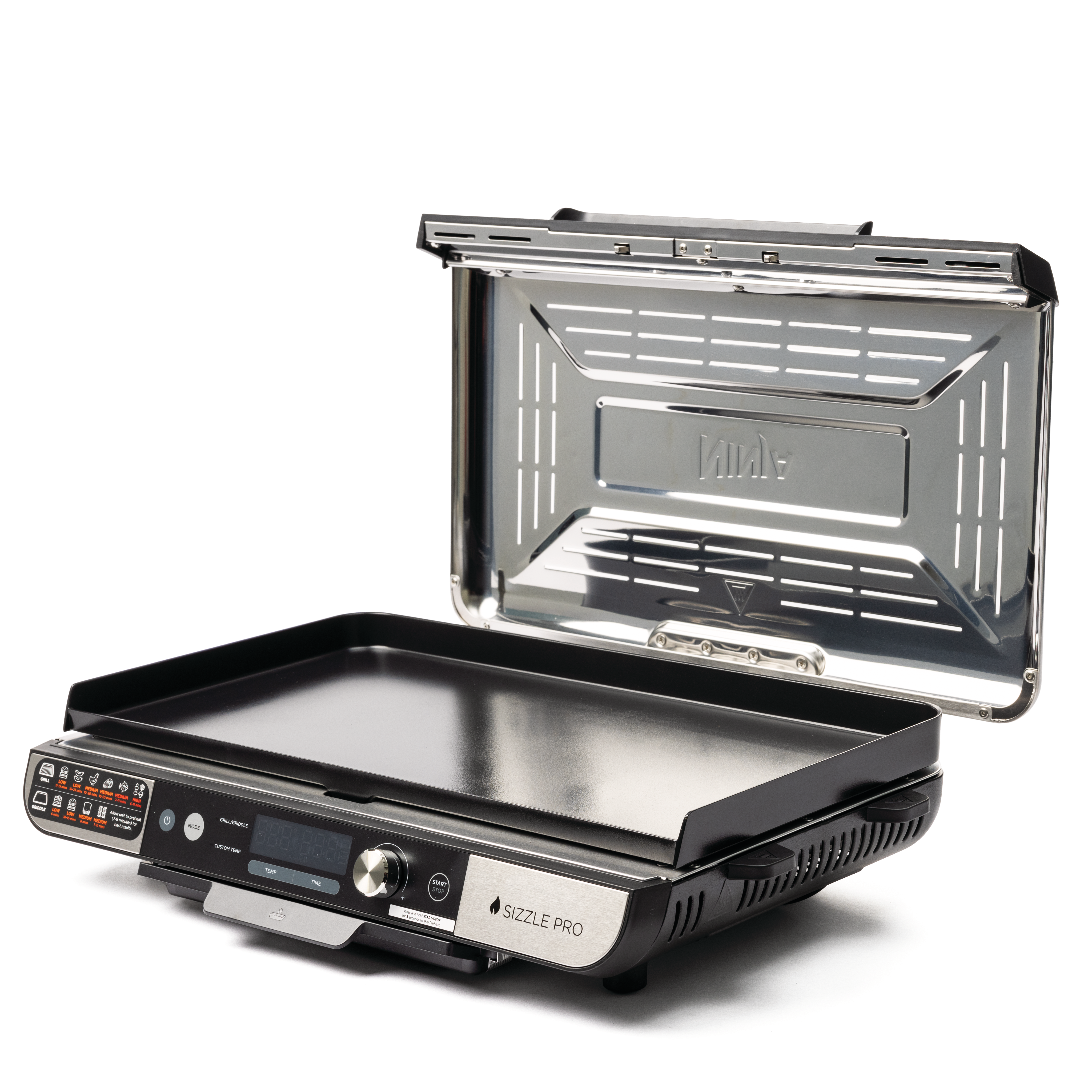
Credit: www.americastestkitchen.com
Using The Right Oils And Fats
Oil is more than just a way to stop sticking. The oil you choose changes the taste, texture, and healthiness of your food.
- High smoke point oils: Use oils like canola, grapeseed, or avocado for high heat. Butter and olive oil burn quickly at 400°F.
- Flavor matters: For eggs or pancakes, use neutral oils. For burgers, add a little butter for rich flavor.
- Amount: Too much oil makes food greasy. Too little causes sticking. Use about 1 tablespoon for every 2 square feet.
- Spread evenly: Use a brush or paper towel to spread oil before cooking.
- Avoid sprays: Aerosol sprays can damage non-stick coatings over time.
Oil Comparison Table
Let’s compare popular oils for griddle cooking:
| Oil Type | Smoke Point (°F) | Flavor | Best For |
|---|---|---|---|
| Canola | 400 | Neutral | Pancakes, eggs |
| Avocado | 520 | Mild | Bacon, burgers |
| Butter | 350 | Rich | French toast, grilled cheese |
| Olive oil | 375 | Strong | Vegetables |
| Grapeseed | 420 | Neutral | General use |
Many beginners use olive oil for everything, but it’s not always best. For high heat, avocado oil is safer and healthier.
Preparing Food For The Griddle
Preparation makes griddle cooking faster and tastier. If you prep food the right way, you get even cooking and better flavor.
- Dry your food: Wet food sticks and steams instead of browning. Pat meat, veggies, or bread dry before cooking.
- Cut evenly: If food is different sizes, it cooks at different speeds. Slice everything to similar thickness.
- Season before cooking: Season meat or veggies before putting them on the griddle. Salt draws out water, so do it just before cooking.
- Room temperature: Let meat or eggs rest at room temp for 10-15 minutes. Cold food can stick or cook unevenly.
- Don’t overcrowd: Too much food lowers the griddle temperature. Leave space between items.
Many people skip drying their food, but moisture is the enemy of crispness. Always pat food dry for best results.
Cooking Pancakes And Breakfast Foods
Electric griddles are famous for breakfast. Pancakes, eggs, bacon, and French toast turn out perfect with a few simple hacks.
Pancakes
- Use a squeeze bottle: Pour batter with a squeeze bottle for even sizes and less mess.
- Let the batter rest: Rest batter for 10 minutes so bubbles form—this makes pancakes fluffy.
- Flip at the right time: Wait for bubbles on top and dry edges before flipping.
- Don’t press down: Pressing pancakes makes them dense and removes air.
- Keep warm: After cooking, keep pancakes warm in a 200°F oven.
Eggs
- Low heat for eggs: Cook eggs at 325°F for soft, creamy texture.
- Use a ring mold: For round eggs, use a metal ring mold.
- Add water for steam: A few drops of water under a lid makes eggs tender.
Bacon
- Start with a cold griddle: For crisp bacon, place strips on a cold griddle and heat up slowly.
- Drain fat: Use the drip tray to remove extra fat.
- Flip only once: Too much flipping causes uneven cooking.
French Toast
- Soak bread well: Use thick slices and soak for 30 seconds.
- Cook at medium heat: 350°F is best for French toast.
- Use butter and oil: Mix for rich flavor and less burning.
Most people flip pancakes too early or cook eggs at high heat. Wait for visual cues and use the right temperatures.
Cooking Lunch And Dinner Foods
Griddles are not just for breakfast. You can cook burgers, grilled cheese, stir fry, and more.
Burgers
- Shape patties thin: Griddle burgers cook faster than on a grill.
- Season after shaping: Salt pulls water, so season once patties are formed.
- Cook at medium-high heat: 375°F is ideal.
- Flip once: Like bacon, flipping once keeps burgers juicy.
- Melt cheese with a lid: Cover burgers to melt cheese quickly.
Grilled Cheese
- Butter both sides: Butter the outside of bread, not just the inside.
- Low heat is key: Cook at 325°F for crisp, golden bread.
- Press gently: Use a spatula to press, but don’t crush.
Stir Fry
- Cut veggies small: Small pieces cook faster and evenly.
- High heat and quick stir: Use 400°F and stir often.
- Add sauce last: Pour sauce after veggies are nearly done.
Quesadillas
- Use two spatulas: One to flip, one to hold together.
- Medium heat: 350°F prevents burning.
- Let cheese melt: Wait until cheese is fully melted before removing.
Many beginners overcrowd burgers or grilled cheese. Give each item space for better browning.
Advanced Griddle Cooking Hacks
If you want to go beyond simple meals, try these advanced hacks:
- Use parchment paper for sticky foods: Place a sheet between food and griddle for easy removal.
- Make griddle pizzas: Use pre-cooked dough, cook at 400°F, add toppings, and cover with a lid.
- Cook frozen foods: Thaw frozen items first, then cook at lower heat to avoid burning.
- Reverse sear steaks: Cook steak at 250°F until nearly done, then finish at 450°F for a crust.
- Griddle desserts: Try banana pancakes or cinnamon rolls—use medium heat and cover with a lid.
Most people don’t realize you can use parchment paper. It stops sticking and helps with cleanup, especially for sticky desserts.
Cleaning And Maintenance Hacks
Cleaning your electric griddle is important. A dirty griddle leads to bad flavors, sticking, and even fire risk. Here are hacks to keep your griddle spotless:
- Clean while warm: Wipe the surface while it’s still warm, not hot. Food comes off easier.
- Use mild soap: Avoid harsh chemicals. Mild soap and water work best for most surfaces.
- Avoid metal tools: Metal spatulas scratch non-stick surfaces. Use silicone or wood.
- Deep clean monthly: Remove plates and drip tray, soak in warm water, scrub gently.
- Season cast iron: If you have a cast iron griddle, rub with oil after cleaning to prevent rust.
- Dry fully: Always dry your griddle before storing.
Cleaning Method Comparison Table
Here is a quick look at cleaning methods for different griddles:
| Griddle Type | Best Cleaning Method | Special Tips |
|---|---|---|
| Non-stick | Warm water, mild soap, soft cloth | No metal tools, avoid soaking |
| Cast iron | Hot water, stiff brush, oil after | No soap, dry fully |
| Ceramic | Mild soap, soft sponge | Don’t use abrasive pads |
Many people use metal tools or harsh cleaners on non-stick griddles. This ruins the coating and shortens the griddle’s life.

Credit: www.amazon.com
Safety Tips For Electric Griddle Cooking
Safety is often overlooked but very important.
- Keep cords away from water: Water and electricity don’t mix. Always keep the cord dry.
- Don’t leave griddle unattended: Even for a few minutes, it’s risky.
- Use heat-resistant tools: Plastic can melt; use silicone or wood.
- Let cool before cleaning: Avoid burns by waiting until the griddle is just warm.
- Check for damage: Inspect the cord and plug before use.
Many beginners forget to check for damage. This can cause shocks or fires.
Common Mistakes And How To Avoid Them
Electric griddles are simple, but mistakes happen. Here are some of the most common, and how to avoid them:
- Cooking too fast: Rushing leads to uneven cooking. Take your time.
- Not preheating: Always preheat for even heat.
- Using wrong oil: Choose oil with a high smoke point for high heat.
- Overcrowding: Leave space between food items.
- Ignoring cleaning: Clean after each use, not just sometimes.
- Wrong tools: Use silicone or wood, never metal.
- Flipping food too often: Flip only when needed.
Most people flip food too much or crowd the griddle. This leads to poor browning and uneven cooking.

Credit: www.t-fal.com
Extra Tips For Better Griddle Cooking
Sometimes small tricks make a big difference:
- Use a spray bottle for water: Mist the surface for easy steaming.
- Warm plates before serving: Food stays hot longer.
- Rest meat after cooking: Let burgers or steaks rest for 3-5 minutes.
- Keep salt and spices handy: Season food just before cooking.
- Try new recipes: Experiment with griddle pizzas, wraps, and desserts.
One insight most beginners miss is resting meat. This keeps it juicy and flavorful.
Frequently Asked Questions
What Foods Can I Cook On An Electric Griddle?
You can cook many foods: pancakes, eggs, bacon, burgers, grilled cheese, stir fry, French toast, quesadillas, vegetables, and some desserts. Try new recipes to use your griddle fully.
How Do I Stop Food From Sticking To The Griddle?
Use the right oil, preheat the griddle, and dry your food before cooking. For sticky foods, try parchment paper. Avoid cooking cold food straight from the fridge.
Is It Safe To Use Metal Tools On A Non-stick Electric Griddle?
No. Metal tools scratch non-stick surfaces and shorten their life. Use silicone or wooden tools. If you have a cast iron griddle, metal is okay.
How Often Should I Clean My Electric Griddle?
Clean after every use. For deep cleaning, remove plates and drip tray monthly. Never leave old oil or food on the surface.
What Is The Best Oil For High Heat Griddle Cooking?
Avocado oil is best for high heat. It has a smoke point of 520°F and a mild flavor. Canola and grapeseed oil also work well. Butter is good for flavor but burns easily.
Electric griddles are simple, but with the right hacks, you can cook better meals, faster, and cleaner. Try these tips and tricks next time, and see the difference in your results. For more griddle safety and cooking info, visit Wikipedia. Your griddle can do more than you think—use these hacks to cook like a pro and enjoy every meal.