
Cooking a ham in a roasting pan can seem intimidating, but it’s actually a simple process that delivers delicious results. Whether you’re preparing a holiday feast or a family dinner, roasting a ham brings out rich flavors and creates a centerpiece everyone will enjoy.
This guide walks you through everything you need to know: from choosing the right ham, seasoning, and roasting, to common mistakes, serving ideas, and expert tips. If you’re new to roasting ham or want to improve your skills, you’ll find practical advice and clear steps to make your meal a success.
Choosing Your Ham
Before you start cooking, selecting the right ham matters. The type you pick affects the flavor, cooking time, and even the way you prepare it.
Types Of Ham
There are several popular types of ham you might see at the store:
- Bone-in ham: Has the bone; more flavor and moisture.
- Boneless ham: Easier to slice; slightly less juicy.
- Spiral-cut ham: Pre-sliced for convenience; often sold pre-cooked.
- Fresh ham: Not cured or smoked; requires full cooking.
Most people choose bone-in or spiral-cut hams for roasting. Spiral hams are simple to serve, but bone-in hams give a classic, juicy result.
Ham Size Guide
How much ham should you buy? Here’s a quick guide:
| Ham Type | Serving Size | Recommended Weight |
|---|---|---|
| Bone-In | 1/2 – 3/4 lb per person | 8-10 lbs for 10 people |
| Boneless | 1/3 – 1/2 lb per person | 5-7 lbs for 10 people |
| Spiral-Cut | 1/2 lb per person | 8 lbs for 10 people |
For a family gathering (8–12 people), a 7–10 lb ham is ideal.
Preparing The Ham
Proper preparation helps your ham roast evenly and taste great. Don’t skip these steps.
Thawing
If your ham is frozen, thaw it in the fridge. Allow 24 hours for every 5 lbs. Never thaw at room temperature; it’s unsafe.
Trimming
Cut off excess fat, leaving a thin layer for flavor. Some hams have a thick skin—remove most, but not all.
Scoring
Score the fat in a diamond pattern (about 1/4 inch deep). This lets the glaze soak in and makes your ham look attractive.
Seasoning And Glazing
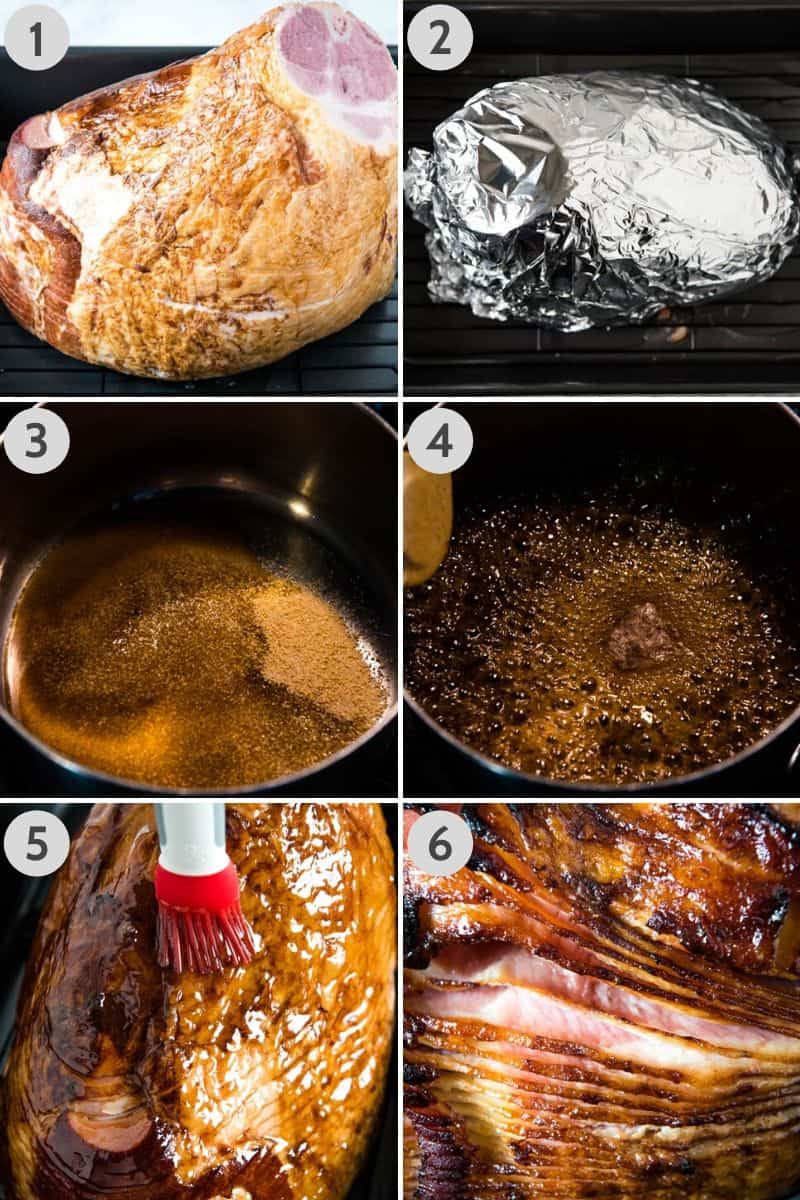
A good glaze brings out the best in ham. Classic glazes include brown sugar, honey, and mustard. Here’s a simple recipe:
- Brown sugar: 1 cup
- Honey: 1/2 cup
- Dijon mustard: 2 tbsp
- Apple cider vinegar: 2 tbsp
- Ground cloves: 1/2 tsp
Mix these ingredients and brush over the ham before and during roasting.
Setting Up The Roasting Pan
The right setup ensures your ham cooks evenly and stays moist.
Choosing The Roasting Pan
Pick a large, deep pan with room for air circulation. It should fit the ham with space for drippings.
Roasting Rack
If possible, use a roasting rack. This keeps the ham off the bottom so heat surrounds it.
Adding Liquid
Pour 1–2 cups of water or apple juice in the pan. This prevents burning, creates steam, and keeps your ham moist.
Roasting Your Ham
Roasting is the main event. Follow these steps for the best results.
Oven Temperature
Most hams roast at 325°F (163°C). Preheat your oven before placing the ham inside.
Cooking Time
Cooking time depends on ham size and type. Here’s a comparison:
| Ham Type | Weight | Cooking Time | Internal Temp |
|---|---|---|---|
| Bone-In (Fully Cooked) | 7-10 lbs | 15-18 min/lb | 140°F |
| Boneless (Fully Cooked) | 5-7 lbs | 18-20 min/lb | 140°F |
| Fresh Ham | 8-12 lbs | 22-24 min/lb | 160°F |
Always check with a meat thermometer.
Covering The Ham
Cover the ham loosely with aluminum foil. This keeps moisture in. Remove the foil for the last 30 minutes to brown the glaze.
Basting
Baste the ham every 20–30 minutes. Use the pan juices or extra glaze for flavor and shine.
Glazing
For a sticky, flavorful glaze, brush extra glaze during the last 30 minutes of roasting. The sugars caramelize and create a beautiful crust.
Checking Doneness
Check the internal temperature at the thickest part (not touching bone). For cooked hams, aim for 140°F; for fresh ham, 160°F.
Common Mistakes And How To Avoid Them
Even experienced cooks make mistakes. Here’s how to avoid problems:
- Overcooking: Ham dries out if cooked too long. Check temperature early, and remove when done.
- Skipping the Glaze: Without glaze, the ham tastes bland. Always use a glaze, even if simple.
- Not Basting: Basting keeps ham moist and flavorful. Set a timer if you tend to forget.
- Wrong Oven Temperature: Too hot dries the ham; too cool undercooks it. Stick to 325°F.
- Not Letting Ham Rest: Resting helps juices settle. Let the ham rest 15–20 minutes before slicing.
Carving And Serving
Slicing ham the right way makes it easy for guests and keeps the meat juicy.
Carving Tips
- Use a sharp carving knife.
- For bone-in ham, cut around the bone and slice thin pieces.
- For spiral ham, follow the pre-cut lines.
- Serve with extra glaze or pan juices.
Serving Suggestions
Ham goes well with classic sides:
- Mashed potatoes
- Roasted vegetables
- Green beans
- Dinner rolls
- Fruit chutney or mustard
Ham is also great for leftovers—think sandwiches, omelets, or soups.
Expert Tips For Better Results
If you want your ham to stand out, try these tips:
- Let ham come to room temperature for 30–60 minutes before roasting. It cooks more evenly.
- Use fruit juices (apple, pineapple) in the pan for extra flavor.
- Add whole cloves into the scored fat for aroma and taste.
- Try a double glaze: Apply once before roasting, and again near the end.
- For extra moist ham, tent with foil and add liquid to the pan.
Non-obvious Insights
Many beginners miss these points:
- Ham is often pre-cooked: Most store-bought hams only need reheating, not full cooking. Always check the label.
- Letting the ham rest is crucial for juicy meat. Cutting too soon makes the ham dry.
Sample Roasting Schedule
Here’s a sample schedule for a 9 lb bone-in ham:
- 8: 00 am: Remove ham from fridge.
- 8: 45 am: Preheat oven to 325°F. Prepare glaze.
- 9: 00 am: Score and glaze ham. Place in roasting pan with liquid.
- 9: 15 am: Put ham in oven, cover loosely with foil.
- Every 30 min: Baste with juices/glaze.
- 12: 15 pm: Remove foil, brush with glaze.
- 12: 45 pm: Check temperature (should be 140°F). Remove ham.
- 1: 00 pm: Let ham rest, then carve and serve.
This schedule helps you plan ahead and avoid last-minute stress.
Comparing Roasting Pan Options
Choosing the right roasting pan can make a big difference. Here’s a quick comparison:
| Pan Type | Size | Material | Pros | Cons |
|---|---|---|---|---|
| Traditional Roasting Pan | Large, deep | Stainless steel | Durable, easy to clean | Heavy, expensive |
| Disposable Foil Pan | Large, deep | Aluminum | Cheap, easy to use | Can bend, less heat control |
| Enamel Pan | Medium, deep | Enamel-coated steel | Good heat distribution | Can chip, more expensive |
A stainless steel roasting pan with a rack is best for even cooking and easy cleanup.
Leftovers And Storage
Ham leftovers are tasty and easy to store. Here’s how:
- Refrigerate: Store in an airtight container for up to 4–5 days.
- Freeze: Wrap tightly; freeze for up to 2 months. Thaw in fridge.
- Use leftovers: Try ham sandwiches, casseroles, or breakfast omelets.
Credit: adventuresofmel.com
Frequently Asked Questions
How Do I Know If My Ham Is Fully Cooked?
Check the label. Most hams are pre-cooked—they only need reheating to 140°F. Fresh ham must reach 160°F. Always use a meat thermometer.
Can I Roast Ham Without A Rack?
Yes, but a roasting rack helps air circulate, which cooks the ham evenly. If you don’t have a rack, use vegetables (like carrots or celery) as a base to lift the ham.
What’s The Best Glaze For Ham?
The classic glaze uses brown sugar, honey, and mustard. Add fruit juice or spices for variety. Experiment to find your favorite flavor.
How Long Should Ham Rest Before Slicing?
Let your ham rest for 15–20 minutes after roasting. This allows juices to settle, making the meat more flavorful and moist.
Can I Cook Ham In Advance?
Yes. You can cook ham the day before, then reheat gently in the oven at 300°F until warmed through. Cover with foil to prevent drying out.
If you want more details on ham preparation, visit Simply Recipes for expert advice.
Cooking a ham in a roasting pan is a rewarding experience. With the right preparation, seasoning, and careful roasting, you can serve a delicious meal that brings people together. Remember to choose the right ham, use a flavorful glaze, and pay attention to cooking times.
Let your ham rest before carving, and enjoy leftovers in creative ways. With these tips and techniques, you’ll be confident in the kitchen and ready for any occasion.