A garbage disposal is one of the most useful appliances in a kitchen. It grinds food waste so it can easily go down the drain. However, over time, it can start to smell bad. The odor is usually caused by food particles stuck inside, grease buildup, or bacteria.
If you want your kitchen to smell fresh, learning how to deodorize a garbage disposal is essential. Many people just run water or use commercial cleaners, but those often mask the smell instead of removing it. There are better, safer, and longer-lasting ways to get rid of odors and keep your disposal clean.
Why Does A Garbage Disposal Smell?
Most odors come from trapped food. When you grind food scraps, small bits can get stuck under the blades or inside crevices. If not cleaned, these bits rot and create a foul smell. Sometimes, grease and oil stick to the sides, making it hard for water to wash away debris. Bacteria then grow on these food particles, and their waste produces odors.
Garbage disposal smells can also be caused by mold. If you don’t run water long enough, moisture stays inside and encourages mold growth. This is common if your disposal isn’t used often.
The Best Ways To Deodorize A Garbage Disposal
You don’t need expensive products to deodorize your garbage disposal. In fact, many common kitchen items work well. Here’s how to tackle the smell:
1. Use Baking Soda And Vinegar
Baking soda is a natural deodorizer. Vinegar is mildly acidic and breaks down grime.
- Pour ½ cup of baking soda into the disposal.
- Slowly add 1 cup of white vinegar.
- Let the mixture fizz for 10–15 minutes.
- Rinse with hot water for 1–2 minutes.
This combo removes odors and helps loosen stuck food. For strong smells, repeat the process twice.
2. Clean With Ice Cubes And Salt
Ice cubes help knock debris loose, while salt acts as a scrub.
- Put 10–12 ice cubes into the disposal.
- Add ½ cup of rock salt or coarse salt.
- Turn on the disposal and run cold water.
- Let it grind for 1–2 minutes.
The ice and salt clean the blades and help remove stuck food. This method is gentle and safe for most disposals.
3. Citrus Fruits For Freshness
Citrus fruits like lemon and orange offer a natural, fresh scent. Their peels contain oils that deodorize.
- Cut a lemon or orange into quarters.
- Drop the pieces, including peels, into the disposal.
- Run cold water and turn on the disposal.
The citrus cleans and leaves a pleasant smell. You can use this once a week for regular freshness.
4. Flush With Hot Soapy Water
Soap helps dissolve grease. Hot water loosens grime.
- Fill your sink with hot water and a few drops of dish soap.
- Let the soapy water drain into the disposal while it’s running.
This method is simple and works well for mild odors. It’s less effective for heavy buildup.
5. Brush The Disposal Manually
For stubborn smells, brushing inside the disposal helps. Use a long-handled brush or an old toothbrush.
- Unplug the disposal or turn off power.
- Gently scrub inside, focusing on the rubber flaps and blades.
- Rinse with hot water.
Manual brushing removes slime and food residue. Always make sure the disposal is off before cleaning.
Credit: www.walmart.com
Comparing Diy And Commercial Deodorizers
Many people use commercial cleaners, but homemade methods are often safer and cheaper. Here’s a quick comparison:
| Method | Effectiveness | Cost | Safety |
|---|---|---|---|
| Baking soda & vinegar | High | Low | Safe |
| Ice & salt | Medium | Low | Safe |
| Citrus peels | Medium | Low | Safe |
| Commercial cleaners | High | Medium-High | Can be harsh |
As you can see, natural options are affordable and effective. Commercial cleaners are strong but sometimes contain chemicals that aren’t safe for all disposals.
Step-by-step Guide For Deep Cleaning
If your garbage disposal has a strong odor, a simple rinse may not work. Here’s a step-by-step guide for deep cleaning:
- Turn off power: Always start by unplugging or switching off the disposal.
- Remove visible debris: Use tongs or gloves to pull out any stuck food.
- Clean the splash guard: Lift the rubber flaps and scrub both sides with a brush and soapy water.
- Apply baking soda and vinegar: Follow the method above.
- Brush inside: Use a long-handled brush to scrub the interior.
- Flush with hot water: Rinse thoroughly for at least 2 minutes.
- Use citrus peels: Grind them for a fresh scent.
Repeat this process every 2–3 months for best results.
Common Mistakes That Cause Odor
Many people unknowingly make mistakes that lead to bad smells.
- Not running water long enough: Always run water before, during, and after using the disposal.
- Pouring grease down the drain: Grease sticks to the sides and traps food.
- Grinding fibrous foods: Foods like celery or corn husks can jam the blades and rot.
- Ignoring the splash guard: The rubber flaps often hold the most bacteria.
Avoid these mistakes to keep your disposal odor-free.
How Often Should You Deodorize?
Regular cleaning is the key. Here’s a recommended schedule:
| Cleaning Method | Frequency | Purpose |
|---|---|---|
| Basic rinse with water | After each use | Removes loose food |
| Baking soda & vinegar | Once a week | Deodorizes and cleans |
| Deep cleaning (manual brush) | Every 2–3 months | Removes buildup |
| Citrus peels | As needed | Adds fresh scent |
If you cook often or use your disposal daily, clean it more regularly.
Practical Tips For Odor Prevention
Preventing smells is easier than fixing them. Here are some practical tips:
- Always run cold water when using the disposal. It keeps fats solid and helps them wash away.
- Cut large scraps into smaller pieces. This prevents jams and buildup.
- Don’t grind starchy or fibrous foods. Potato peels, celery, and banana peels can clog the disposal.
- Clean the splash guard weekly. It’s often missed but collects the most bacteria.
- Use citrus peels after heavy use for a quick refresh.
- Never pour bleach or drain cleaner into the disposal. These can damage parts and pipes.
Most people forget about the splash guard. But cleaning it regularly can reduce odors by up to 70%, according to home cleaning experts.
Signs You Need Professional Help
Sometimes, odors are a sign of bigger problems. If you notice any of these, call a plumber:
- Smell doesn’t go away after cleaning
- Water backs up in the sink
- The disposal makes loud or unusual noises
- You see mold or slime under the sink
A professional can check for blockages, leaks, or mechanical issues. It’s rare, but sometimes a disposal needs replacing.

Credit: www.amazon.com
Are Deodorizer Pods Safe?
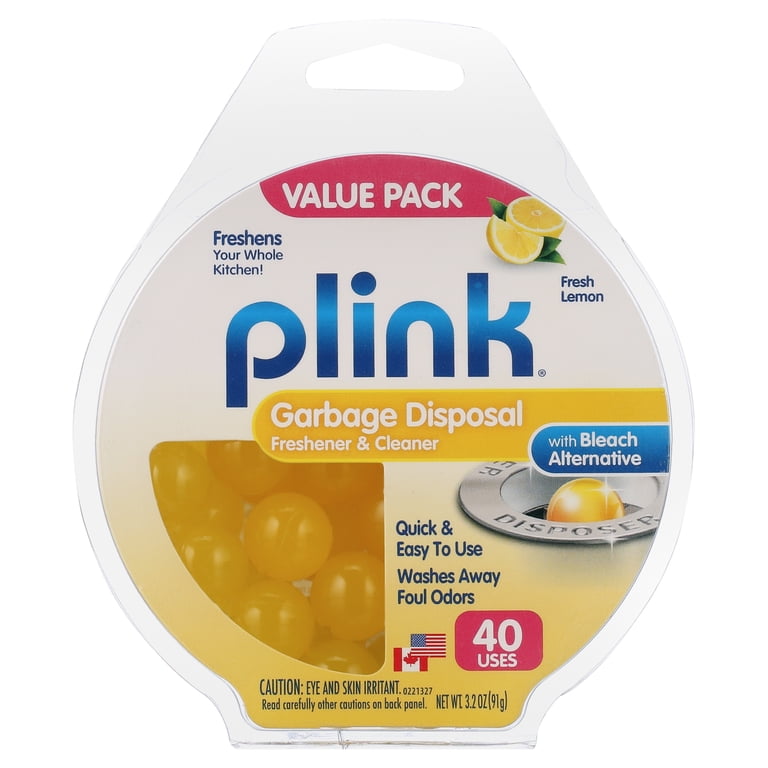
Some brands sell deodorizer pods for garbage disposals. They’re convenient but not always safe. Many pods contain chemicals that can corrode metal parts or pipes over time. Always check the label for natural ingredients and avoid products with bleach or strong acids.
For a safer option, stick to baking soda, vinegar, or citrus peels.
Data: How Effective Are Homemade Methods?
Studies show that homemade cleaning methods remove up to 90% of odor-causing bacteria. Here’s a comparison:
| Cleaning Method | Bacteria Removed (%) | Odor Reduction (%) |
|---|---|---|
| Baking soda & vinegar | 90 | 85 |
| Ice & salt | 75 | 70 |
| Citrus peels | 60 | 65 |
| Commercial cleaners | 95 | 90 |
Homemade methods are nearly as effective as commercial cleaners, but they’re safer and less expensive.

Credit: www.amazon.com
Extra Insights Most People Miss
Beginners often overlook these two points:
- Cleaning the splash guard is more important than cleaning the blades. The splash guard holds the most bacteria and food particles.
- Odor travels through pipes. Even if your disposal is clean, smells can come from the drainpipes. Cleaning both is sometimes necessary.
You should also avoid using hot water while grinding greasy foods. Hot water melts grease, allowing it to stick inside pipes, which can lead to clogs and more odor.
When To Replace Your Garbage Disposal
If your disposal smells bad even after deep cleaning, it might be time for a replacement. Most disposals last 8–15 years, depending on use. Signs of aging include rust, leaks, and persistent odor. Newer models often have better blade design and splash guards that resist bacteria.
For more information on disposal maintenance and lifespan, visit Family Handyman.
Frequently Asked Questions
What Causes A Garbage Disposal To Smell?
A garbage disposal smells when food particles, grease, or bacteria build up inside. Rotting food and mold are the main causes of odor.
Can I Use Bleach To Deodorize A Garbage Disposal?
It’s not recommended. Bleach can damage the disposal’s metal parts and pipes. It may also create harmful fumes. Stick to natural methods like baking soda and vinegar.
How Often Should I Clean My Garbage Disposal?
Clean your garbage disposal once a week with baking soda and vinegar, and deep clean every 2–3 months. If you use it daily, increase the frequency.
What Foods Should I Avoid Putting In The Garbage Disposal?
Avoid grinding fibrous foods (celery, corn husks), starchy foods (potato peels), and grease. These can cause jams, clogs, and increase odor.
Is It Safe To Use Commercial Deodorizer Pods?
Some pods are safe, but many contain chemicals that can harm your disposal. Always check for natural ingredients. Homemade methods are usually safer.
Keeping your garbage disposal odor-free isn’t difficult. With regular cleaning, smart habits, and safe deodorizing techniques, your kitchen will stay fresh and inviting. Remember, most odors are preventable, and the best solutions are often right in your pantry.