Marble is a beautiful stone often used in homes for floors, countertops, and bathroom surfaces. Its natural shine and elegant look make spaces feel special. However, marble is also a porous material. This means it can absorb liquids and become stained more easily than other stones. One of the most stubborn marks you might find is rust stains. These orange or brown spots are not only ugly, but they can also damage marble over time if not removed properly. If you’re dealing with rust stains on marble, you need to be careful—many cleaning methods can make the problem worse. This guide will show you safe and effective ways to remove rust stains from marble, help you avoid common mistakes, and keep your marble looking beautiful.
What Causes Rust Stains On Marble?
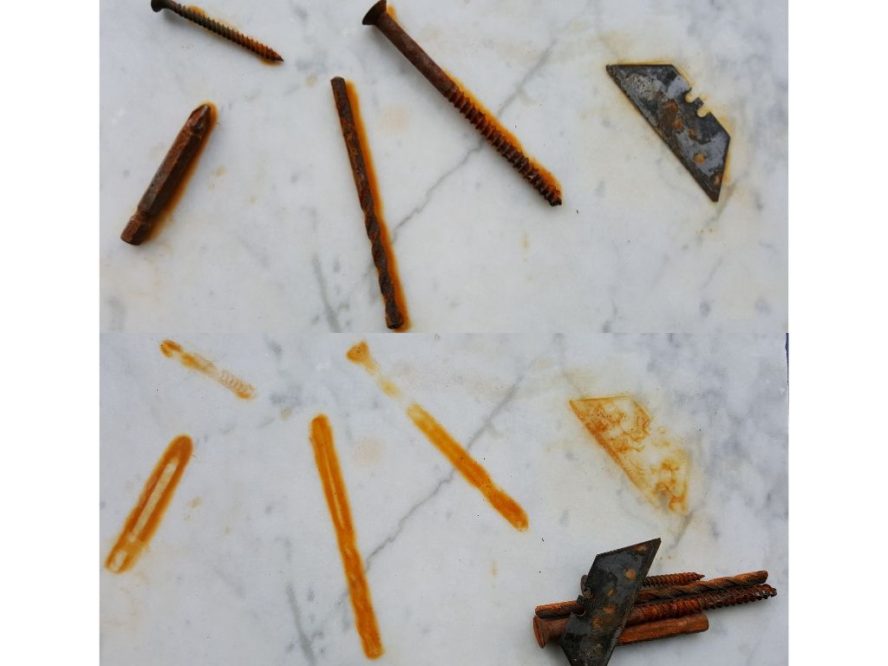
Rust stains usually come from metal objects left on marble surfaces. For example, cans, razors, nails, or even metal decorations can cause rust if they get wet and sit on marble. Water reacts with the metal, causing it to oxidize (rust), and the rust transfers to the marble. Sometimes, marble itself contains small amounts of iron. If water seeps into the stone, the iron can oxidize inside the marble and create stains that come up from below.
Some common sources of rust stains:
- Bathroom accessories: Metal soap dishes, razors, or cans.
- Outdoor marble: Patio furniture or garden tools left on marble.
- Kitchen items: Metal pots or utensils on countertops.
- Hidden iron in marble: Natural iron minerals reacting with water over time.
Not all stains are rust. It’s important to identify rust stains correctly before treating them. Rust stains are typically orange, brown, or reddish, and they don’t wash off with regular cleaning.
Why Marble Needs Special Care
Marble is softer and more sensitive than granite or quartz. Many strong cleaners can damage marble, causing dull spots called etching. This happens when acid or harsh chemicals react with the calcium carbonate in marble. Even some rust removers that work on other surfaces can harm marble. So, always use gentle, marble-safe methods.
If you use the wrong cleaner, you might remove the rust but leave a dull, rough patch behind. That’s why professional cleaners recommend mild, pH-neutral products and gentle techniques.
Step-by-step: Removing Rust Stains From Marble
Step 1: Check The Stain
First, make sure you have a rust stain. If the spot is orange or brown and came from a metal object, it’s likely rust. If it’s yellow, black, or green, it might be from something else (like mold or food).
Step 2: Gather Supplies
You’ll need:
- Marble-safe cleaner (pH-neutral stone soap)
- Distilled water (to avoid minerals)
- Hydrogen peroxide (3% solution)
- Poultice powder (baking soda or talc)
- Plastic wrap
- Soft cloths
- Plastic spatula (never metal)
Do not use vinegar, lemon juice, or strong acids.
Step 3: Prepare The Surface
Clean the marble gently with stone soap and distilled water. Dry it with a soft cloth. This removes dirt and helps you see the stain clearly.
Step 4: Make A Poultice
A poultice is a paste that draws out the stain. Here’s how to make it:
- Mix baking soda (or talc) with hydrogen peroxide until you get a thick paste.
- Spread the paste over the rust stain, about 1/4 inch thick.
- Cover the area with plastic wrap. Tape the edges to seal it.
- Let it sit for 24–48 hours.
The poultice will pull the rust out of the marble.
Step 5: Remove And Rinse
After 24–48 hours, remove the plastic wrap and scrape off the dried paste with a plastic spatula. Clean the area with distilled water and dry with a soft cloth.
If the stain remains, repeat the process up to two more times.
Step 6: Assess Results
If the stain is gone, great! If not, you may need a professional. Deep stains from iron inside the marble are harder to remove and require special tools.
Step 7: Polish (optional)
If the surface looks dull after cleaning, use a marble polishing powder. Follow the instructions carefully and use a soft cloth.
Comparing Rust Removal Methods
Different methods work better for different stains. Here’s a quick comparison:
| Method | Effectiveness | Safety for Marble | Best For |
|---|---|---|---|
| Poultice (baking soda & hydrogen peroxide) | High | Safe | Surface rust stains |
| Commercial marble rust remover | Medium–High | Safe if labeled for marble | Persistent stains |
| Acidic cleaner (vinegar, lemon) | High | Unsafe | Never use on marble |
| Professional treatment | Very high | Safe | Deep, internal rust stains |

Credit: ntpavers.com
What Beginners Often Miss
Many people think stronger cleaners work better. But with marble, gentle methods are more effective and safer. Another mistake is using metal tools, which can scratch the stone. Also, using regular tap water can leave mineral deposits, making stains worse. Always use distilled water.
Some stains come from deep inside the marble, not just the surface. If a stain doesn’t respond to poultice after two or three tries, don’t keep scrubbing. You could damage the stone. Instead, call a marble care expert.
Prevention: How To Avoid Rust Stains
Protecting marble from rust is easier than removing stains. Here’s how:
- Keep marble dry: Wipe up spills quickly.
- Avoid metal objects: Don’t leave cans, razors, or tools on marble.
- Use coasters and trays: Place them under metal items.
- Seal marble: Use a marble sealer every 6–12 months.
- Check for leaks: Fix dripping faucets or pipes near marble.
- Clean regularly: Use pH-neutral stone cleaner.
Which Sealers Work Best?
Sealers create a barrier that helps stop water and stains. Not all sealers are equal. Here’s a comparison:
| Sealer Type | Durability | Protection Level | Reapplication Frequency |
|---|---|---|---|
| Penetrating sealer | High | Excellent | 6–12 months |
| Topical sealer | Medium | Good | 3–6 months |
| Natural wax | Low | Fair | Every 2–3 months |
For best results, choose a penetrating sealer made for marble.

Credit: stone-repairs.com
When To Call A Professional
Some rust stains are too tough for home methods. If the stain:
- Has been there for months or years
- Is deep and keeps coming back
- Covers a large area
It’s time to call a stone care specialist. Professionals use advanced tools, like diamond pads and special chemicals, to remove deep stains without harming the marble. They can also polish and reseal the surface for lasting protection.
Common Mistakes To Avoid
- Using acidic cleaners: Vinegar, lemon, and other acids damage marble.
- Scrubbing with metal: Only use soft cloths or plastic tools.
- Not rinsing: Leftover cleaner can stain or dull marble.
- Skipping sealing: Unsealed marble stains much faster.
- Ignoring small stains: Early treatment is easier and more effective.
Credit: stone-repairs.com
Real-life Example
A homeowner in Florida left a metal can of shaving cream on their marble bathroom counter. After a week, an orange rust ring appeared. They tried cleaning with regular soap, but it didn’t work. They used a baking soda and hydrogen peroxide poultice, letting it sit for 48 hours.
The stain almost disappeared after one application; a second poultice removed it completely. The marble remained shiny, and no damage occurred.
Trusted Sources For Marble Care
If you want more information or need professional help, the Marble Institute of America is a reliable resource. Their website has guides on marble care, sealing, and stain removal. You can also find certified stone care professionals. For more in-depth information on marble cleaning, visit Natural Stone Institute.
Frequently Asked Questions
How Can I Tell If A Stain Is Rust Or Something Else?
Rust stains are usually orange or brown and often appear where metal touched the marble. If the stain is black, green, or yellow, it might be from mold, food, or other sources. Try removing it with a marble-safe cleaner first. If it doesn’t come off, and it’s orange or brown, it’s probably rust.
Is Hydrogen Peroxide Safe For Marble?
Yes, hydrogen peroxide (3% solution) is safe for most light-colored marble. It helps remove rust without harming the stone. However, always test in a small, hidden area first. Some dark marbles may lighten slightly.
What If The Rust Stain Keeps Coming Back?
Recurring stains may mean there’s iron inside the marble reacting with water. Home methods can’t reach deep stains. You need a stone care professional with special tools and chemicals.
Can I Use Clr Or Other Commercial Rust Removers?
No, most commercial rust removers are too strong and not safe for marble. They contain acids that can etch or dull the stone. Only use products labeled as safe for marble.
How Often Should I Seal Marble Surfaces?
Seal marble every 6–12 months for best protection. High-use areas may need sealing more often. Always use a sealer made for marble, and follow the product instructions.
Marble brings beauty to your home, but it needs careful attention. By using gentle methods, acting quickly, and preventing stains, you can keep your marble surfaces shining for years. If you face stubborn rust stains, don’t risk damaging the stone—seek expert advice.
With the right care, marble remains one of the most elegant choices for any space.