Skip to content
A rice cooker seems like a simple kitchen appliance, but it’s actually a clever piece of technology. It makes cooking rice easy, consistent, and hands-free, even for beginners. Many people use rice cookers every day, but few understand how they really work.
If you’ve ever wondered what goes on inside, or why the rice always turns out perfect, this article will explain everything in clear, simple English. Along the way, you’ll learn about the parts, the science, and the differences between basic and advanced rice cookers.
By the end, you’ll know how a rice cooker works—and how to get better results from yours.
The Main Parts Of A Rice Cooker
To understand how a rice cooker works, you need to know its basic components. Most rice cookers share these essential parts:
- Inner pot: The removable container where you put rice and water.
- Heating plate: Located under the inner pot, it produces heat.
- Thermal sensor: Measures temperature, usually below the heating plate.
- Lid: Seals the pot and keeps steam inside.
- Control panel: Buttons or switches for operation.
Some advanced models add features like timers, fuzzy logic chips, or even induction heating coils. But the basic process is the same.
Here’s a quick comparison of parts between basic and advanced rice cookers:
| Component | Basic Rice Cooker | Advanced Rice Cooker |
|---|---|---|
| Inner Pot | Aluminum | Non-stick, ceramic, or stainless steel |
| Heating Plate | Single | Multiple, induction or microcomputer controlled |
| Thermal Sensor | Mechanical | Digital/Multiple sensors |
| Control Panel | Simple switch | Digital display, presets, timer |
| Lid | Plastic/Metal | Sealed, sometimes pressure |
The Basic Cooking Process
A rice cooker’s magic happens through a controlled heating cycle. Here’s how it works, step by step:
- Add rice and water: You put the desired amount of rice into the inner pot and add water, usually following markings or a ratio (like 1:2 for white rice).
- Start cooking: Press the cook button or switch. The heating plate warms the pot, causing water to heat up.
- Water boils: As the temperature rises, water reaches its boiling point (212°F or 100°C). The rice absorbs water and starts to soften.
- Thermal sensor monitors temperature: The sensor underneath the pot checks the temperature. As long as water is present, the temperature won’t go above boiling.
- Water evaporates/absorbs: When all water is gone (either absorbed by rice or evaporated), the temperature inside the pot starts to rise above 212°F.
- Switch to “warm”: The thermal sensor detects this temperature change and automatically turns off cooking heat, switching the rice cooker to “warm” mode.
This simple cycle guarantees that rice cooks fully without burning or drying out.
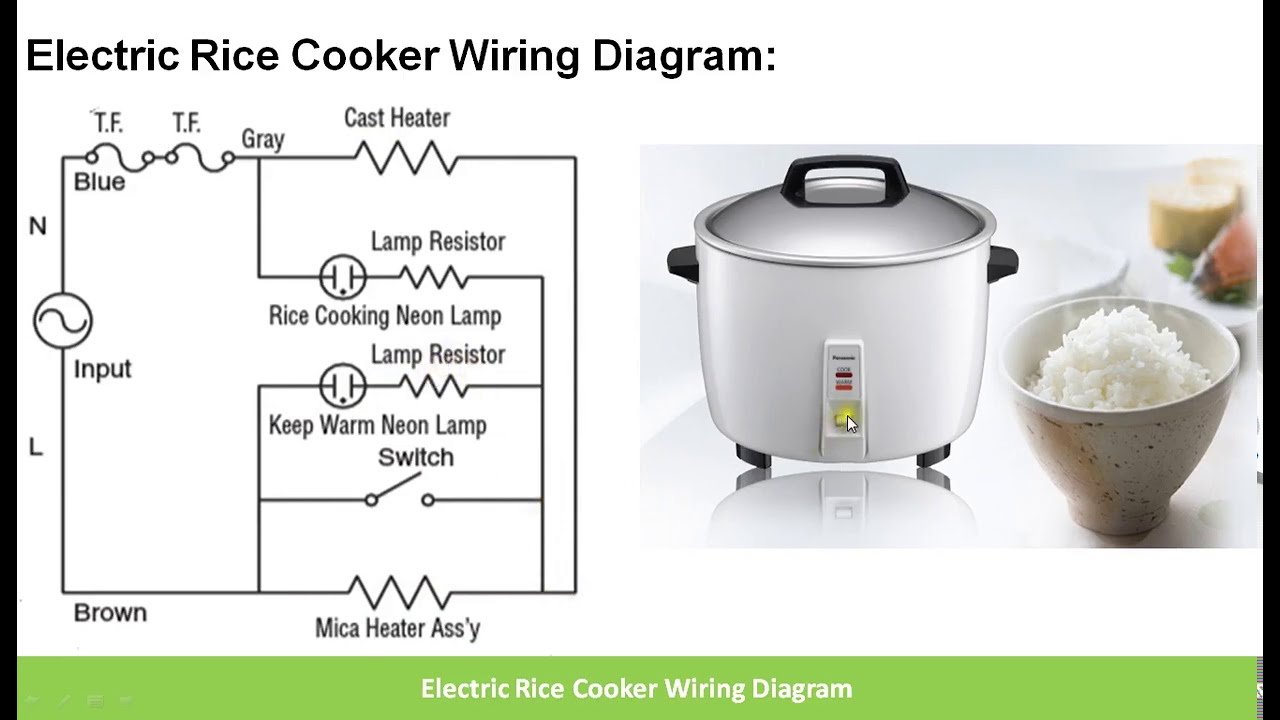
Credit: www.youtube.com
The Science Behind Cooking Rice
Rice cookers use physics and thermodynamics. The boiling point of water is key. As long as there’s water in the pot, the temperature stays at 212°F. This protects the rice from overcooking or burning. Only when the water is gone does the temperature rise, and the cooker responds.
Why does this matter? Because different rice types absorb water differently. For example, brown rice needs more water and more time than white rice. That’s why many rice cookers have a “brown rice” or “multigrain” setting.
Advanced Features In Modern Rice Cookers
Today’s rice cookers offer much more than just “cook” and “warm.” Let’s look at some advanced features:
- Fuzzy logic: This technology lets the cooker “think” and adjust cooking times and temperatures based on the rice and water inside.
- Induction heating: Instead of a single heating plate, induction cookers heat the whole pot evenly using magnetic fields.
- Pressure cooking: Some models seal the lid to cook rice under pressure, making it softer and faster.
- Preset menus: Options for porridge, sushi rice, steamed vegetables, and more.
Here’s a table comparing common rice cooker features:
| Feature | Basic Cooker | Fuzzy Logic Cooker | Induction Cooker |
|---|---|---|---|
| Cooking Modes | White rice | White, brown, porridge | Multiple grains, custom |
| Heating Method | Plate | Plate + microchip | Induction coil |
| Sensor Type | Mechanical | Digital | Digital (multiple) |
| Keep Warm Function | Basic | Extended warm, reheating | Extended warm, timer |
| Price Range | $20–$40 | $60–$120 | $150–$400 |
How The Thermal Sensor Works
The thermal sensor is a small disk, usually made from metal, placed under the inner pot. It’s the key to automatic cooking. The sensor is sensitive to the pot’s temperature. When water boils, the sensor maintains a steady reading. Once water is absorbed or evaporated, the sensor detects a temperature spike and triggers the switch.
Some beginners miss that cleaning the sensor area is important. If there is rice or water under the pot, the sensor can’t read correctly, and the cooker may stop too soon or too late. Always keep the sensor and heating plate clean for best results.
Cooking Different Types Of Rice
Rice cookers can handle many types of rice, including:
- White rice
- Brown rice
- Jasmine rice
- Basmati rice
- Sticky/glutinous rice
Each type needs different water ratios and sometimes cooking times. For example, brown rice needs more water and a longer cooking cycle. Most rice cookers include guides or markings for white and brown rice.
A common mistake is using the same water ratio for all types. For best results, adjust water amounts based on rice type. Here’s a quick guide:
| Rice Type | Water Ratio (cups) | Cooking Time (minutes) |
|---|---|---|
| White | 1:2 | 20–25 |
| Brown | 1:2.5 | 40–45 |
| Jasmine | 1:1.8 | 20–22 |
| Basmati | 1:1.5 | 18–20 |
| Sticky | 1:1.2 | 25–30 |
Common User Mistakes And How To Avoid Them
Many people struggle with rice cookers because of simple errors:
- Wrong water ratio: Not all rice types need the same amount of water. Check the rice cooker’s guide or use the ratios above.
- Not rinsing rice: Unwashed rice can cause sticky or uneven results. Always rinse rice until water runs clear.
- Overfilling: Too much rice or water can lead to overflowing or undercooked grains. Follow maximum capacity guidelines.
- Lid not closed tightly: If steam escapes, the rice may dry out or cook unevenly.
- Forgetting to clean: Leftover rice or water under the pot can block the sensor.
A helpful tip is to let the rice rest for 5–10 minutes after cooking. This allows excess moisture to evaporate and gives you fluffier rice.
The Benefits Of Using A Rice Cooker
Rice cookers offer several advantages over traditional stovetop methods:
- Consistency: Every batch comes out the same, with less risk of burning.
- Convenience: Just press a button and walk away; no need to watch the pot.
- Versatility: Many models cook grains, steam vegetables, or make soups.
- Energy efficiency: Rice cookers use less energy than stovetops for rice.
In countries like Japan and South Korea, over 90% of households own rice cookers. This shows how important and useful they are around the world.

Credit: buymode.shop
Rice Cooker Vs. Stovetop Cooking
How does a rice cooker compare to cooking rice on the stove? Here’s a quick overview:
- Automation: Rice cookers switch off automatically, while stovetop cooking needs attention.
- Temperature control: Rice cookers use sensors for precise heat, stovetops rely on manual adjustment.
- Keep warm: Rice cookers keep rice ready for hours; stovetop rice cools quickly.
For more details, you can check out this Wikipedia page.
Non-obvious Insights For Better Rice
Most beginners focus only on rice and water, but there are two key points often missed:
- Using filtered water can improve taste, especially in areas with hard tap water.
- Adding a small amount of oil or butter (like half a teaspoon per cup) helps separate grains and adds flavor.
Some rice cookers also let you add spices or herbs directly to the pot. Experimenting with these can make your rice more interesting.
Cleaning And Maintenance Tips
To keep your rice cooker working well:
- Clean the inner pot, lid, and sensor after every use.
- Check for leftover rice under the pot—this can block heating.
- Wipe the outside and control panel with a damp cloth.
- Avoid using metal utensils inside the inner pot to prevent scratches.
A well-maintained rice cooker can last for years, and regular cleaning ensures better-tasting rice.
Frequently Asked Questions
How Does The Rice Cooker Know When Rice Is Ready?
The thermal sensor detects when the water has been absorbed or evaporated. When the temperature rises above boiling, the rice cooker switches from “cook” to “warm.”
Can I Cook Other Grains In A Rice Cooker?
Yes. Many rice cookers can cook quinoa, oats, or barley. Adjust water ratios and cooking times for each grain.
Why Is My Rice Sometimes Mushy Or Undercooked?
This usually means the water ratio was incorrect or the rice was not rinsed. Double-check the rice type and use the right amount of water.
Is It Safe To Leave Rice In “keep Warm” Mode?
Rice cookers are designed for this. However, for best taste and safety, eat rice within 12 hours of cooking. Longer storage can lead to dryness or bacteria growth.
What’s The Difference Between A Basic And Advanced Rice Cooker?
Advanced models offer fuzzy logic, induction heating, and more settings. They cost more but provide better control, texture, and convenience.
Rice cookers are more than just simple gadgets—they’re reliable partners in the kitchen. Understanding how a rice cooker works helps you get the most from it, avoid common mistakes, and enjoy perfect rice every time. Whether you use a basic model or a high-tech version, the science inside guarantees consistent results.
With a little care and practice, your rice cooker can become one of your most valuable kitchen tools.

Credit: shop.feelcomfee.com