Skip to content
Choosing the best way to sharpen your kitchen knives can be confusing. Many home cooks debate between using a whetstone or a knife sharpener. Both tools promise sharp blades, but the experience and results are not the same. If you want to cook safely, slice smoothly, and keep your knives in good shape, understanding the differences is important.
You might see chefs on TV using whetstones with slow, careful strokes. In stores, you’ll find pull-through sharpeners that promise quick results. Which is better? What are the risks or benefits of each? This guide breaks down the facts to help you pick the right tool for your kitchen and skill level.
What Is A Whetstone?
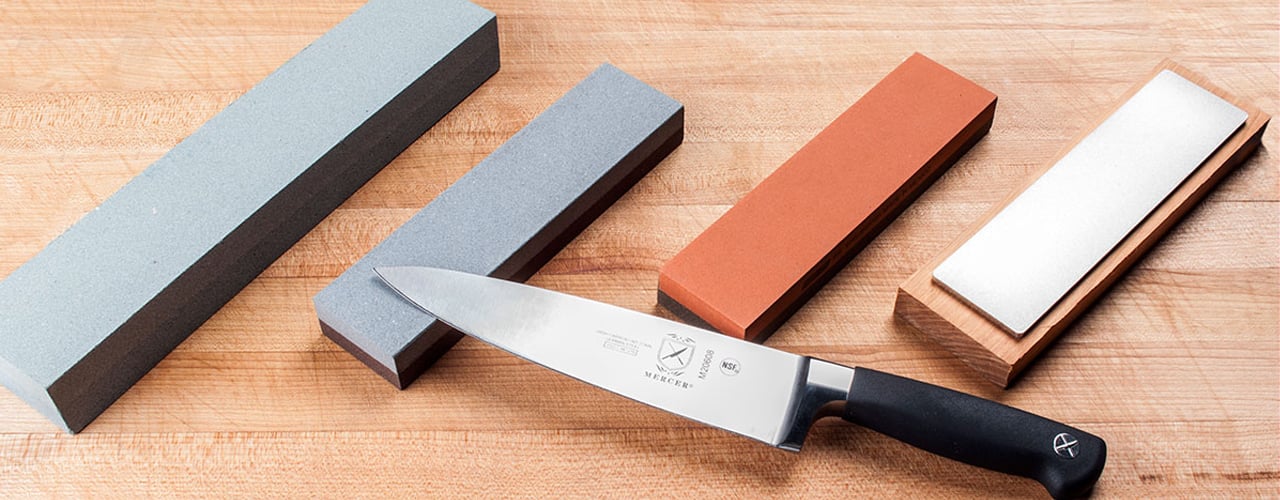
A whetstone (also called a sharpening stone) is a flat block made from materials like ceramic, diamond, or natural stone. You rub the knife blade against the stone to sharpen it. Whetstones come in different grits—fine for polishing, coarse for heavy sharpening.
Whetstones have been used for centuries by cooks, craftsmen, and even hunters. They offer control and precision, letting you adjust the angle and pressure as you sharpen. With practice, you can get a razor-sharp edge that lasts longer than most quick sharpeners.
Types Of Whetstones
- Water stones: Soak before use. They remove metal quickly and don’t clog easily.
- Oil stones: Lubricate with oil. These last longer but work slower.
- Diamond stones: Tough and effective, often used for very dull blades.
Typical Grits
- Coarse (200-600 grit): For repairing damaged knives.
- Medium (800-1500 grit): For regular sharpening.
- Fine (2000+ grit): For finishing and polishing.
What Is A Knife Sharpener?
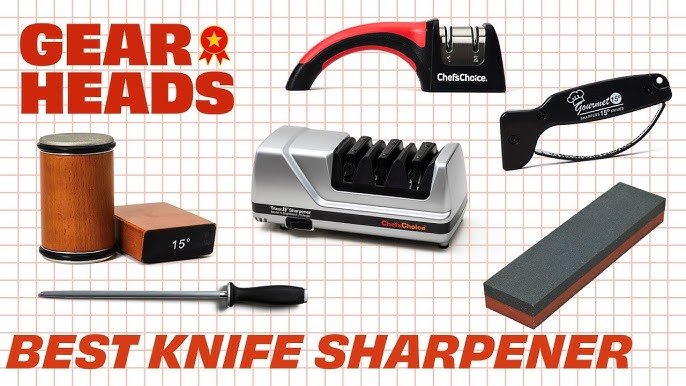
A knife sharpener is a tool designed to make blade sharpening quick and easy. There are different styles, but the most common for home kitchens are pull-through sharpeners and electric sharpeners.
These sharpeners use fixed angles and abrasive wheels or rods. You simply pull the knife through a slot or press a button. They’re popular because they don’t need much skill and work fast.
Main Types
- Manual pull-through sharpeners: Simple, affordable, and portable.
- Electric sharpeners: Plug-in devices with motorized sharpening wheels.
- Rod sharpeners (honing rods): Mostly for realigning the edge, not full sharpening.
Comparing Whetstone Vs Knife Sharpener
To make a clear decision, you need to look at performance, ease of use, safety, cost, and maintenance. Here’s a detailed comparison:
| Feature | Whetstone | Knife Sharpener |
|---|---|---|
| Sharpening Quality | High, custom edge | Good, fixed angle |
| Skill Needed | Medium to high | Low |
| Time Required | 10-20 min | 2-5 min |
| Blade Life | Longer | Shorter (may remove too much metal) |
| Cost Range | $20–$100+ | $10–$150+ |
| Versatility | All blade types | Some blade types only |
| Safety | Requires care | Easy, safer |
Sharpening Quality And Blade Life
A whetstone lets you control the sharpening angle and pressure. This means you can match the blade’s factory angle or adjust for special uses. The result is a sharper, longer-lasting edge. Many professional chefs prefer whetstones for this reason.
Pull-through sharpeners have fixed angles. They work well for most Western kitchen knives, but may not suit Japanese knives or special blades. These devices can remove too much metal, which shortens blade life. You might get a quick edge, but it may dull faster and need more frequent sharpening.
Real-world Example
A chef’s knife sharpened with a whetstone can stay sharp for months with proper care. If you use a pull-through sharpener, you might need to sharpen the same knife every few weeks.
Ease Of Use
Whetstones require practice. You must hold the blade at the right angle (usually 15–20 degrees) and use smooth strokes. Beginners often struggle with consistency, leading to uneven sharpening.
Knife sharpeners are much easier. You simply pull the blade through the slot a few times. Electric models do the work for you. This is perfect for busy kitchens or people with less confidence.
Common Mistake With Whetstones
Many beginners use too much force or the wrong angle. This can damage the blade or make it duller. It helps to watch videos or take a short class before starting.
Safety
Whetstones need careful handling. You work with exposed blades, so accidents can happen if you rush or lose focus. Always keep your fingers away from the sharpening area, and use a stable surface.
Knife sharpeners cover the blade more. Manual pull-through sharpeners keep fingers safe, and electric models are even safer. For homes with children or busy cooks, sharpeners offer extra peace of mind.
Credit: www.webstaurantstore.com
Cost And Maintenance
Both tools come in different price ranges. Whetstones can be cheap but high-quality stones can cost over $100. They last years if cared for. You must clean and flatten them occasionally.
Knife sharpeners range from $10 to $150. Manual models are cheap and portable. Electric sharpeners cost more but save time. Some sharpeners wear out and need replacement parts.
Maintenance Table
| Tool | Care Needed | Average Lifespan |
|---|---|---|
| Whetstone | Clean after use, flatten yearly | 5–15 years |
| Knife Sharpener | Clean slots, replace wheels/rods | 2–10 years |
Versatility
Whetstones work for all blade types—chef’s knives, paring knives, cleavers, and even scissors. You can adjust for Japanese knives, which often need a finer edge.
Knife sharpeners usually fit Western-style knives. Some models cannot handle thick blades, serrated knives, or unusual shapes. Always check the tool’s instructions before use.
Non-obvious Insight
Most people don’t realize that whetstones can also repair chips and reshape damaged blades. Knife sharpeners cannot fix serious blade problems.
When To Choose A Whetstone
- You want custom sharpening and perfect blade quality.
- You own expensive or specialty knives (like Japanese chef knives).
- You’re willing to learn proper technique.
- You want to fix blade chips or reshape edges.
When To Choose A Knife Sharpener
- You need quick sharpening for everyday knives.
- You don’t want to learn detailed technique.
- You have children or need safer tools.
- Your knives are mostly Western-style and not too expensive.
Practical Tips For Sharpening
If you use a whetstone, start with a medium grit (around 1000). Hold the blade at 15–20 degrees and use even strokes. Finish with a fine grit for polishing. Use water or oil as instructed—never let the stone dry out during sharpening.
For knife sharpeners, clean the blade before sharpening. Pull the knife through the slot slowly, not fast. Check the blade edge after each pass. Don’t over-sharpen, as this removes too much metal.
Common Mistake With Knife Sharpeners
Some people push the blade too hard or use dull blades that need repair. Knife sharpeners cannot fix heavy damage—they only sharpen edges.
Data: Sharpening Frequency
Studies show that cooks who use whetstones sharpen their knives less often. On average:
- Whetstone users: Sharpen every 2–6 months
- Knife sharpener users: Sharpen every 2–4 weeks
This means whetstones help blades stay sharper longer, but require more care per session.
Environmental Impact
Whetstones are simple, long-lasting, and create little waste. Some are made from natural stone. Knife sharpeners, especially electric models, use plastic, metals, and may need replacement parts.
If you want to reduce waste, whetstones are the better choice. They need no electricity and can last for years.
How To Choose The Right Tool
Think about your kitchen routine, knife types, skill level, and how much time you have. Here are questions to ask:
- Do you want the sharpest possible edge?
- Are your knives expensive or special?
- Do you have time to learn whetstone technique?
- Is safety a top concern?
- Do you sharpen knives often or rarely?
If you answer “yes” to 1 or 2, try a whetstone. If you answer “yes” to 4 or 5, a knife sharpener may be better.

Credit: seidoknives.com
Expert Opinion
Many chefs use whetstones for their best knives and a quick sharpener for everyday blades. Some even combine both—whetstone for big sharpening, sharpener for quick touch-ups. You can do this too, especially if you want both quality and convenience.
For more detailed sharpening guides, you can check resources from Serious Eats.
Frequently Asked Questions
What Is The Best Grit For Kitchen Knives?
For most kitchen knives, a medium grit (1000–1500) is best for regular sharpening. Use a coarse grit if the knife is damaged, and finish with a fine grit for a polished edge.
Can Knife Sharpeners Damage Blades?
Yes. Some pull-through sharpeners can remove too much metal or create uneven edges, especially if used incorrectly. This shortens blade life and can harm expensive knives.
How Often Should I Sharpen Kitchen Knives?
It depends on use and blade quality. Whetstone users sharpen every 2–6 months, while knife sharpener users often sharpen every 2–4 weeks. Check your knife’s sharpness by slicing a tomato or paper.
Are Electric Sharpeners Better Than Manual?
Electric sharpeners are faster and easier, but may not suit all blade types. Manual sharpeners offer more control and are safer for delicate knives.
Can I Use A Whetstone For Serrated Knives?
No. Serrated knives need special tools or professional sharpening. Whetstones are best for smooth, straight blades.
Choosing between a whetstone and a knife sharpener depends on your needs, skills, and kitchen habits. Whetstones give the sharpest, longest-lasting edges but need practice. Knife sharpeners are fast and safe for most home cooks but may shorten blade life.
If you care about blade quality or own special knives, learning to use a whetstone is worth the effort. For quick sharpening, a pull-through sharpener is fine—just check the tool fits your blade type. With the right tool and good technique, your kitchen knives will stay sharp and ready for any recipe.
Credit: www.youtube.com