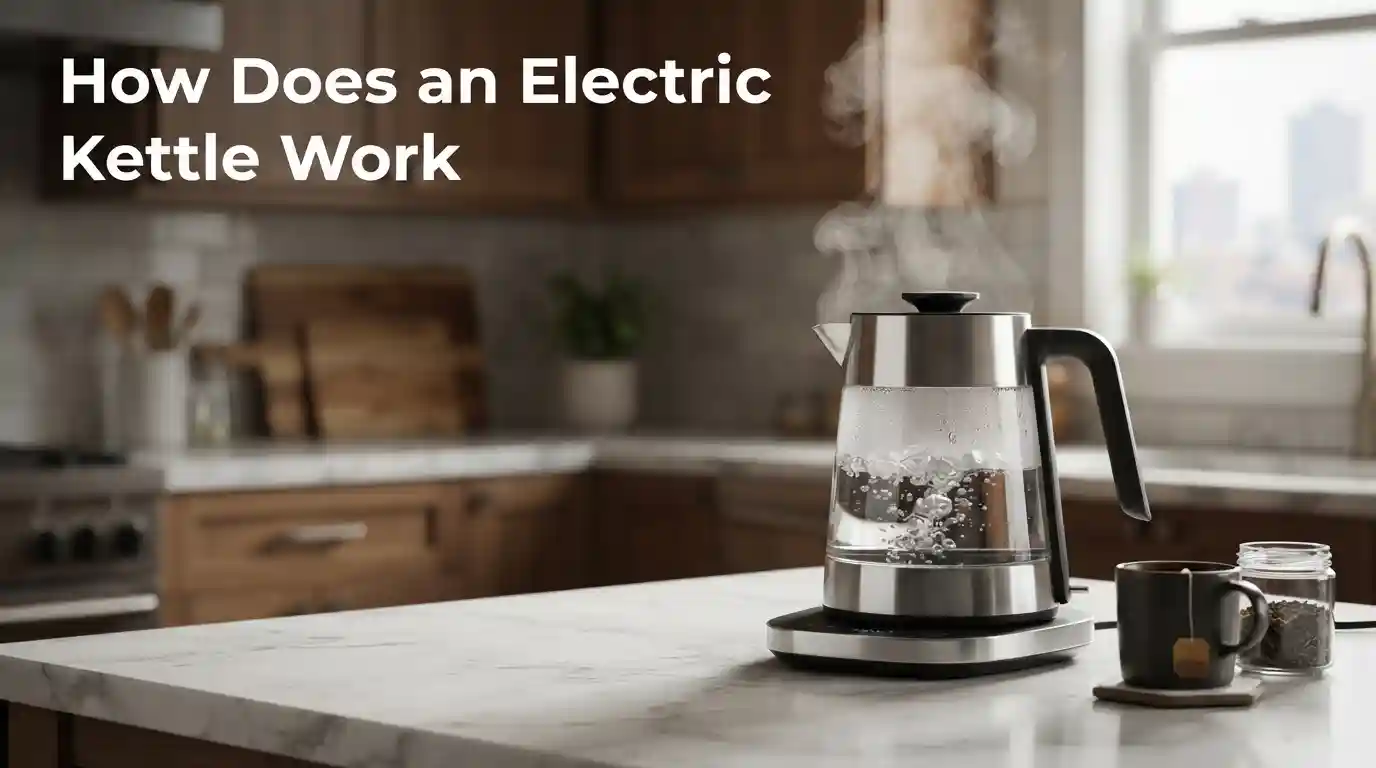
Millions of people use electric kettles every day, but few understand how these handy devices turn cold water into boiling hot water so quickly. If you’ve ever wondered what happens inside an electric kettle, you’re not alone. Whether you’re making tea, coffee, or instant noodles, knowing how your kettle works can help you use it better, avoid mistakes, and even extend its lifespan.
This article will guide you through the entire process, from the basic parts to the science behind heating, and help you compare electric kettles with other boiling methods.
What Is An Electric Kettle?
An electric kettle is a kitchen appliance designed to heat water fast using electricity. Unlike traditional kettles that sit on a stove, electric kettles have built-in heating elements. These devices are popular in homes, offices, and hotels because they are efficient, safe, and easy to use.
Electric kettles come in different shapes, sizes, and materials—most commonly stainless steel, glass, or plastic. Modern kettles often include automatic shut-off features, temperature controls, and water level indicators.
Key Parts Inside An Electric Kettle
To understand how an electric kettle works, it helps to know the main parts inside. Each part plays a crucial role in heating water quickly and safely.
- Heating element: This is the heart of the kettle. It’s usually a coil or a metal plate at the base, responsible for turning electrical energy into heat.
- Thermostat: This sensor detects when the water reaches boiling point, then shuts off the kettle to avoid overheating.
- Power switch: Activates the kettle and connects the heating element to the power supply.
- Water container: The main body where you pour water.
- Lid and spout: For easy filling and pouring, and to prevent spills.
- Base unit: Connects the kettle to the power outlet, sometimes allowing for cordless rotation.
Let’s look at a simple comparison between electric kettles and stove kettles:
| Feature | Electric Kettle | Stove Kettle |
|---|---|---|
| Heating Speed | 2-5 minutes | 5-10 minutes |
| Energy Use | Efficient | Less efficient |
| Auto Shut-off | Yes | No |
| Portability | High | Low |
How Heating Works: The Science Behind Boiling
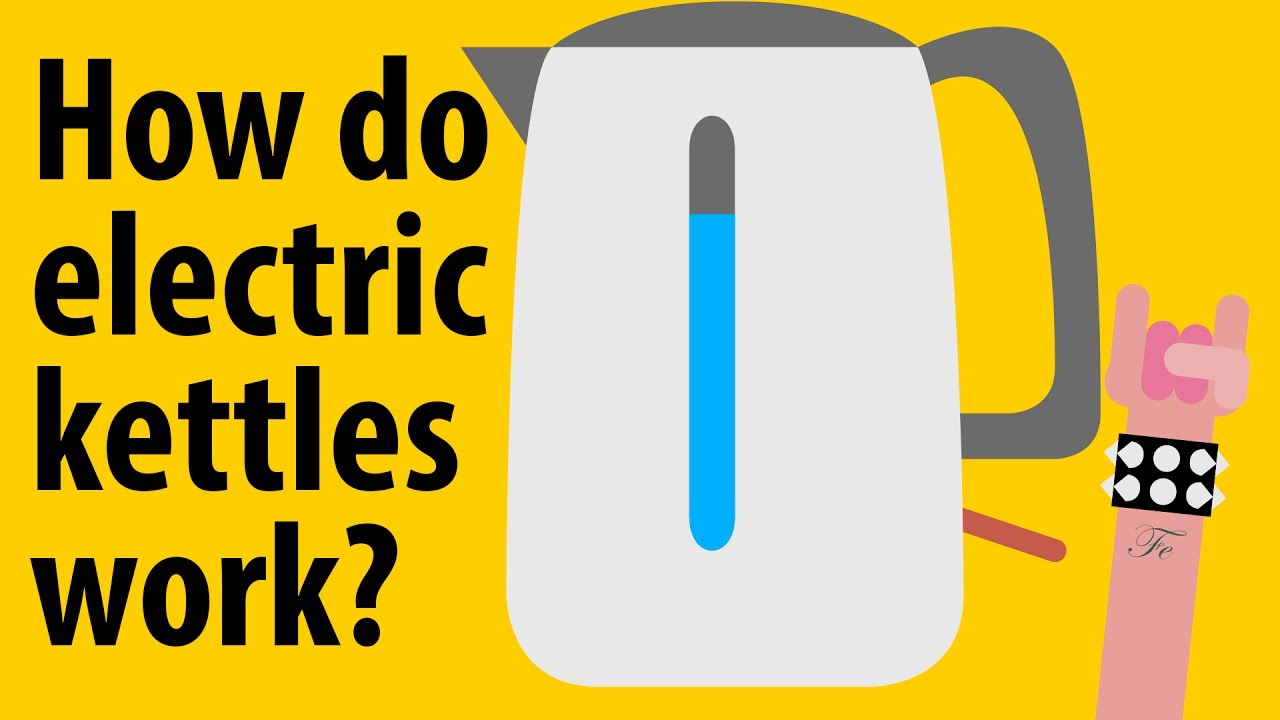
The heating element inside an electric kettle uses a principle called resistance heating. When electricity flows through the metal coil or plate, resistance causes the element to heat up. The heat then transfers to the water, raising its temperature.
Here’s a step-by-step breakdown:
- Electricity flows from the wall outlet into the kettle’s base.
- The heating element receives power and heats up quickly.
- Heat transfers from the element to the water through direct contact.
- As water heats, the thermostat measures temperature.
- When water boils (212°F or 100°C), the thermostat triggers the shut-off.
Most modern kettles use a bimetallic strip thermostat. This strip bends when heated, and the bending motion disconnects the power. The process is simple but very reliable.
You might find this helpful: Best Electric Kettle With Keep Warm Function
Comparing Heating Elements
Different kettles use different types of heating elements. Understanding the differences can help you choose the best kettle for your needs.
| Type | Location | Efficiency | Cleaning |
|---|---|---|---|
| Coil | Inside water | High | Hard |
| Concealed Plate | Under base | Very high | Easy |
Coil heating elements were common in older models, but they make cleaning difficult because mineral deposits can build up on the coils. Concealed plate elements are flat, hidden beneath the base, and easier to clean.

Credit: www.youtube.com
The Automatic Shut-off Feature
Safety is one of the main reasons people prefer electric kettles. The automatic shut-off feature uses the thermostat to detect boiling. Once the water reaches boiling point, the kettle turns off. This prevents overheating, boiling dry, or burning out the element.
Modern kettles may also include boil-dry protection. If the kettle is turned on with little or no water, the thermostat senses the rapid rise in temperature and shuts off the device.
Energy Efficiency Of Electric Kettles
Electric kettles are much more efficient than stove-top kettles. According to the U.S. Department of Energy, electric kettles convert about 80-90% of electrical energy into heat. Gas stoves often lose a lot of energy through the air, making them less efficient.
Here’s a data comparison:
| Device | Energy Efficiency (%) | Average Boiling Time (1 liter) |
|---|---|---|
| Electric Kettle | 80-90 | 3-5 minutes |
| Gas Stove | 40-55 | 6-10 minutes |
| Microwave | 55-70 | 8-10 minutes |
This high efficiency saves money, time, and energy—especially when boiling water multiple times a day.
Practical Usage Tips For Electric Kettles
Knowing how your kettle works can help you avoid mistakes and keep your device working longer.
- Fill only what you need: Boiling more water than needed wastes energy and time.
- Descale regularly: Minerals from tap water can build up inside the kettle. Use vinegar or descaling solution every month.
- Don’t boil dry: Always check the water level before turning on the kettle.
- Allow cooling before refilling: Pouring cold water into a hot kettle can stress the heating element.
- Use filtered water: Reduces scale buildup and improves taste.
Many beginners forget about descaling. Mineral buildup can reduce heating efficiency and damage the kettle’s element. Another common mistake is overfilling, which can cause water to spill out or boil longer than necessary.
How Electric Kettles Compare To Other Boiling Methods
Electric kettles are not the only way to boil water. You might wonder how they stack up against microwaves or stove-top pots. Here’s a practical comparison:
- Microwave: Heats water unevenly and takes longer. No automatic shut-off for boiling.
- Stove-top pot: Slower, uses more energy, and requires supervision.
- Electric kettle: Fast, efficient, safe, and convenient.
For people who need hot water several times a day, electric kettles are the most practical choice. Their speed and safety features make them ideal for busy homes and offices.
Credit: www.youtube.com
Innovations In Modern Electric Kettles
Recent models include features that make kettles even more useful:
- Variable temperature control: Lets you choose different temperatures for tea, coffee, or baby formula.
- Keep warm function: Keeps water hot for longer periods.
- Cordless design: Allows easy pouring and transport.
- Digital displays: Show temperature and timer settings.
Some high-end kettles even connect to smart devices, letting you control them from your phone. While these features are not essential, they can make life more convenient and precise.
Common Problems And Troubleshooting
Even the best electric kettles can face problems. Here are some typical issues and solutions:
- Kettle won’t turn on: Check if the base is plugged in. Make sure the lid is closed and the kettle is seated properly.
- Water doesn’t boil: Mineral buildup on the heating element can slow heating. Try descaling.
- Kettle shuts off too soon: Thermostat may be faulty or blocked by scale.
- Strange taste or smell: Clean the kettle thoroughly with vinegar and rinse well.
If your kettle is still not working, check the warranty or contact the manufacturer. Most problems can be fixed with regular cleaning and careful use.

Credit: emausasturias.org
Environmental Impact Of Electric Kettles
Because electric kettles are efficient, they use less energy and produce fewer emissions than stove-top boiling. If you want to reduce your environmental impact, look for kettles with auto shut-off, energy-saving modes, and recyclable materials.
Another tip is to boil only the amount of water you need, as this saves both energy and money. According to a study by the UK’s Energy Saving Trust, boiling excess water wastes millions of dollars in electricity every year.
Safety Considerations
Electric kettles are safer than stove kettles, but you should still be careful:
- Never touch the heating element.
- Keep the kettle away from children.
- Don’t immerse the kettle in water.
- Unplug the kettle when not in use.
Modern kettles have cool-touch exteriors and locking lids to prevent burns and spills. Always check for safety certifications when buying a new model.
Frequently Asked Questions
How Does The Automatic Shut-off In An Electric Kettle Work?
The automatic shut-off uses a thermostat to detect when water reaches boiling point. When the temperature hits 212°F (100°C), the thermostat triggers a switch that turns off the heating element, stopping the kettle from boiling dry or overheating.
Can I Heat Milk Or Other Liquids In An Electric Kettle?
Most electric kettles are designed for water only. Heating milk or other liquids can cause residue buildup, bad smells, or even damage the heating element. Some specialized kettles allow for other liquids, but always check your device’s instructions.
What Is The Best Way To Clean An Electric Kettle?
The best method is to descale regularly using a vinegar solution. Fill the kettle with equal parts water and vinegar, boil, then let it sit for 20 minutes. Rinse thoroughly before use. For tough stains, use a soft brush or cloth.
Why Does My Kettle Take Longer To Boil Over Time?
This usually happens because of mineral buildup on the heating element. Hard water leaves deposits that slow heating. Regular descaling restores performance and extends the kettle’s life.
How Energy-efficient Are Electric Kettles Compared To Other Devices?
Electric kettles are among the most efficient ways to boil water, converting up to 90% of energy directly into heat. Gas stoves and microwaves lose more energy through the air and surfaces. For more details, check studies at the Wikipedia Electric Kettle page.
Electric kettles make daily life easier and safer, all while saving energy and money. Knowing how they work helps you use them wisely, avoid common mistakes, and get the most from your appliance. Next time you boil water, you’ll know exactly what happens inside—and you can enjoy your tea or coffee with confidence.