Are you trying to decide between an air fryer and a convection oven for your kitchen? Both appliances promise crispy, delicious meals with less oil, but they work in different ways.
Knowing how an air fryer differs from a convection oven can help you choose the right one for your cooking style and needs. You’ll discover the key differences, advantages, and when to use each. Keep reading to find out which appliance will make your meals tastier and your cooking easier.
Air Fryer vs Convection Oven: Design, Size, and Space Requirements
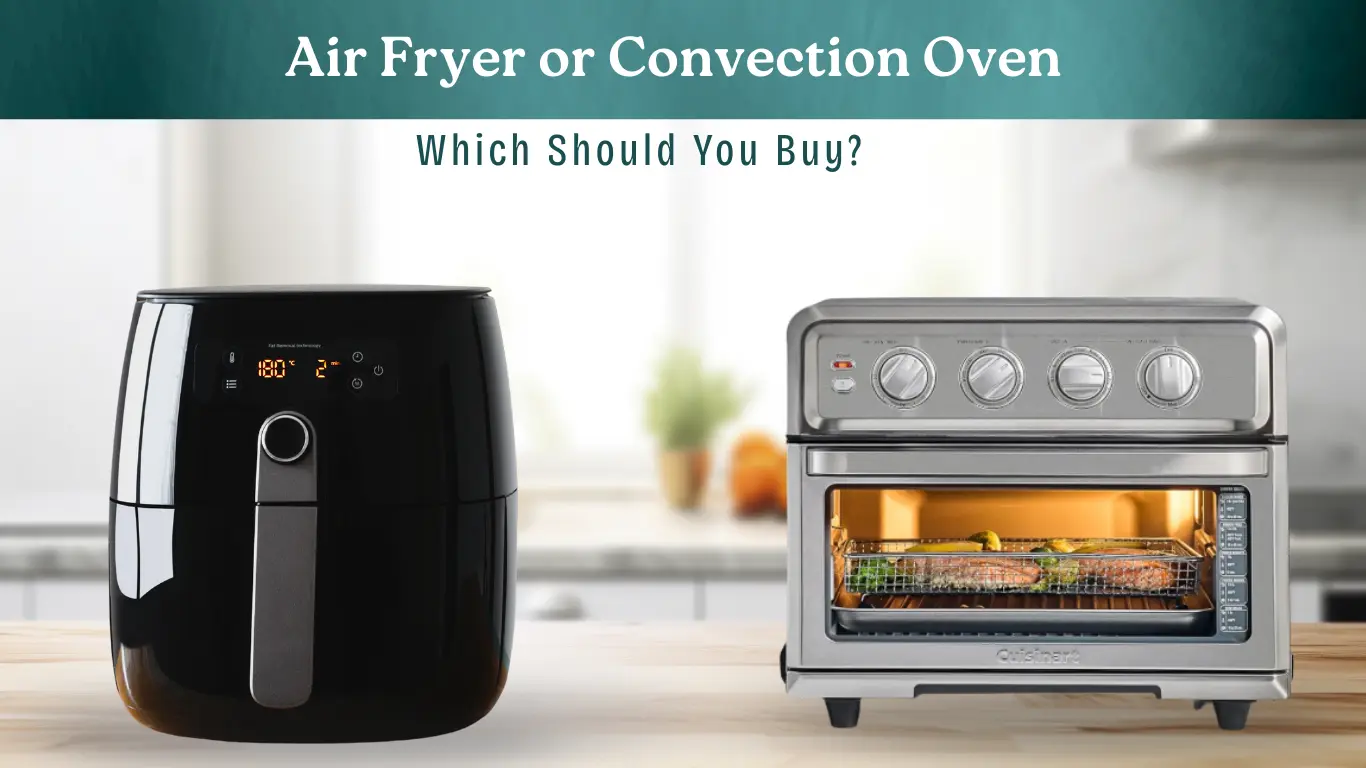
The air fryer and convection oven both use hot air to cook food, but they differ in design and function. Understanding these differences helps choose the right appliance for your kitchen needs. Both appliances can produce crispy and tasty meals without much oil. Their unique features affect how they cook and how fast food is ready.
Design And Size Differences
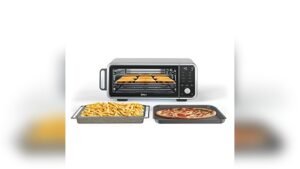
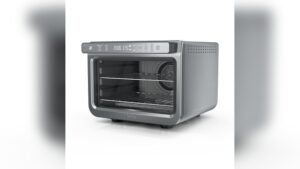
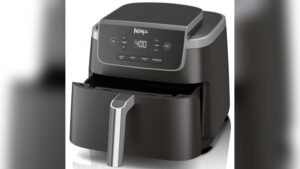
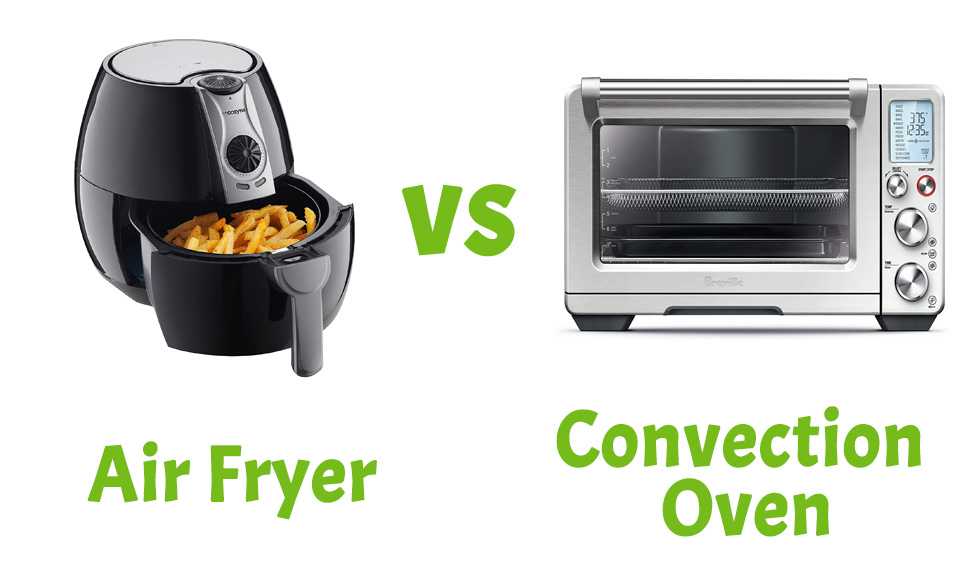
An air fryer is usually compact and fits easily on a countertop. It has a basket where food sits, allowing air to flow all around. Convection ovens are larger, often part of a kitchen range or a standalone appliance. They have racks and more space, which lets you cook bigger amounts of food at once. The size difference means air fryers are great for small meals, while convection ovens suit larger families.
Heating And Air Circulation
Air fryers use a powerful fan to blow hot air quickly over the food. This fast air movement helps create a crispy outer layer. Convection ovens also use fans to circulate hot air, but the airflow is slower and covers a bigger space. The heating element in air fryers is close to the food, making the cooking more direct. Convection ovens heat the food more evenly but less intensely.
Cooking Speed And Efficiency
Air fryers cook food faster because of their smaller size and strong air circulation. They reach the cooking temperature quickly and crisp food in less time. Convection ovens take longer to heat and cook, especially with large food amounts. For small meals, air fryers save energy and time. For bigger meals, convection ovens can cook everything in one go, avoiding multiple batches.
Cooking Performance Comparison: Crispiness, Texture & Overall Results
Cooking performance is a key factor when choosing between an air fryer and a convection oven. Both appliances use hot air circulation but differ in how they cook food. These differences affect how crispy food gets, how much you can cook at once, and the types of dishes you can prepare.
Crispiness And Texture
Air fryers excel at creating a crispy outer layer. They use rapid air circulation in a small space, which cooks food quickly and evenly. This method gives fried-like textures without much oil. Convection ovens also crisp food but take longer. Their larger size can lead to less intense air movement, so the texture may be less crunchy than air fryer results.
Batch Size And Capacity
Air fryers usually have smaller baskets. They are perfect for cooking small batches or snacks. Convection ovens have larger interiors. They can cook big meals or multiple dishes at once. If you often cook for many people, convection ovens save time by handling larger quantities. Air fryers suit singles or small families better.
Versatility In Cooking Methods
Convection ovens offer more cooking options. You can bake, roast, broil, and even toast in one appliance. Air fryers focus mainly on frying and roasting with a crisp finish. Some models have extra features, but their range is narrower. For varied cooking styles, convection ovens provide more flexibility.
Energy Consumption Guide
Energy consumption plays a key role in choosing between an air fryer and a convection oven. Understanding how much power each appliance uses helps save electricity and reduces bills. Both use hot air circulation to cook food, but their designs affect energy use differently.
Knowing which appliance uses less energy can guide better kitchen choices. The size and cooking method impact how efficiently energy is used. This section compares power usage and efficiency for different meal sizes.
Power Usage Comparison
An air fryer usually uses between 1400 to 1800 watts. A convection oven can use from 1500 to 2500 watts. The air fryer consumes less power because it is smaller. It heats up faster and cooks food quicker. The convection oven takes longer to preheat and cook. This leads to higher energy use for small meals.
Efficiency For Small Vs Large Meals
For small meals, the air fryer is more energy-efficient. Its compact size means less space to heat. It cooks food faster, saving time and energy. For large meals, a convection oven is better. It can cook more food at once, avoiding multiple cooking rounds. This reduces total cooking time and energy use. Choosing the right appliance depends on meal size and frequency of cooking.
Ease of Use: Which Appliance Is Simpler to Cook With Daily?
Ease of use plays a big role in choosing between an air fryer and a convection oven. Both appliances offer healthy cooking options but differ in handling and convenience. Understanding these differences helps you pick the right device for your kitchen. Let’s explore how simple each appliance is to operate and maintain.
Controls And Settings
Air fryers often have straightforward controls. Many models include digital panels with preset cooking modes. This simplicity lets even beginners cook without confusion. Convection ovens usually have more buttons and dials. These allow precise temperature and timer adjustments. Some convection ovens come with an air fry setting, blending features from both devices. However, the learning curve might be steeper for convection ovens because of their complex controls.
Maintenance And Cleaning
Cleaning an air fryer is usually easier. Most air fryer baskets and trays are non-stick and dishwasher-safe. Their compact size means fewer parts to wash. Convection ovens have larger interiors and multiple racks. This size increases cleaning time and effort. Oven walls might require scrubbing to remove grease buildup. Regular maintenance is necessary for both, but air fryers save time with simpler cleaning routines.
Cost, Value & Durability: Which Appliance Is Worth the Money?
The cost and value of kitchen appliances matter a lot. Choosing between an air fryer and a convection oven involves more than just features. Understanding their price and durability helps make a smart buy. This section explains the differences in cost and value between these two popular appliances.
Initial Investment
Air fryers usually cost less than convection ovens. They are smaller and simpler in design. This lowers their price for buyers on a budget. Convection ovens tend to be bigger and have more functions. This makes them more expensive upfront. Still, the price range varies for both appliances. You can find budget-friendly or high-end models for each type.
Long-term Durability
Convection ovens often last longer due to stronger build quality. They use heavier materials and robust parts. Air fryers, being compact, may face wear faster. The heating element and fan in air fryers work hard in a small space. Regular use can lead to quicker breakdowns. Proper care extends the life of both appliances. Repair costs for convection ovens might be higher but less frequent. Air fryers may need replacement sooner but cost less to fix.
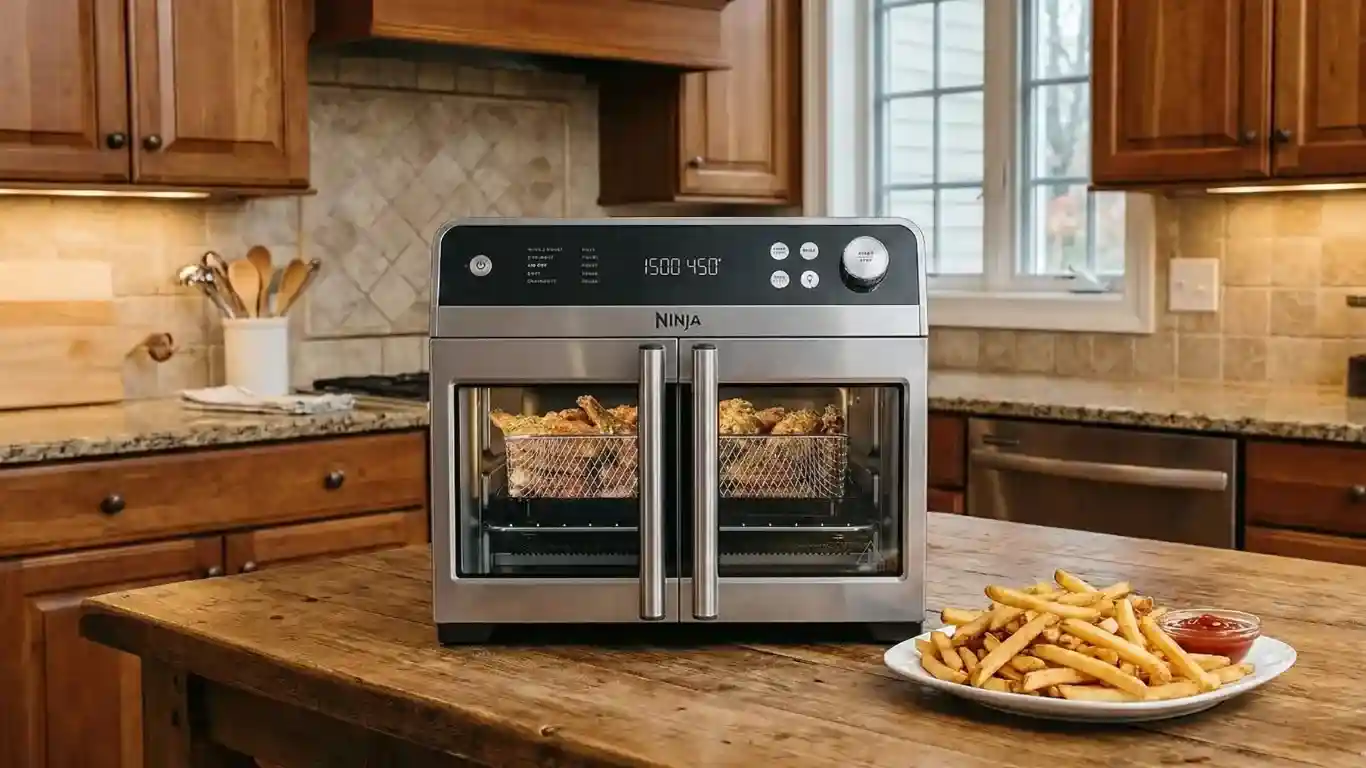
Using Convection Ovens For Air Frying
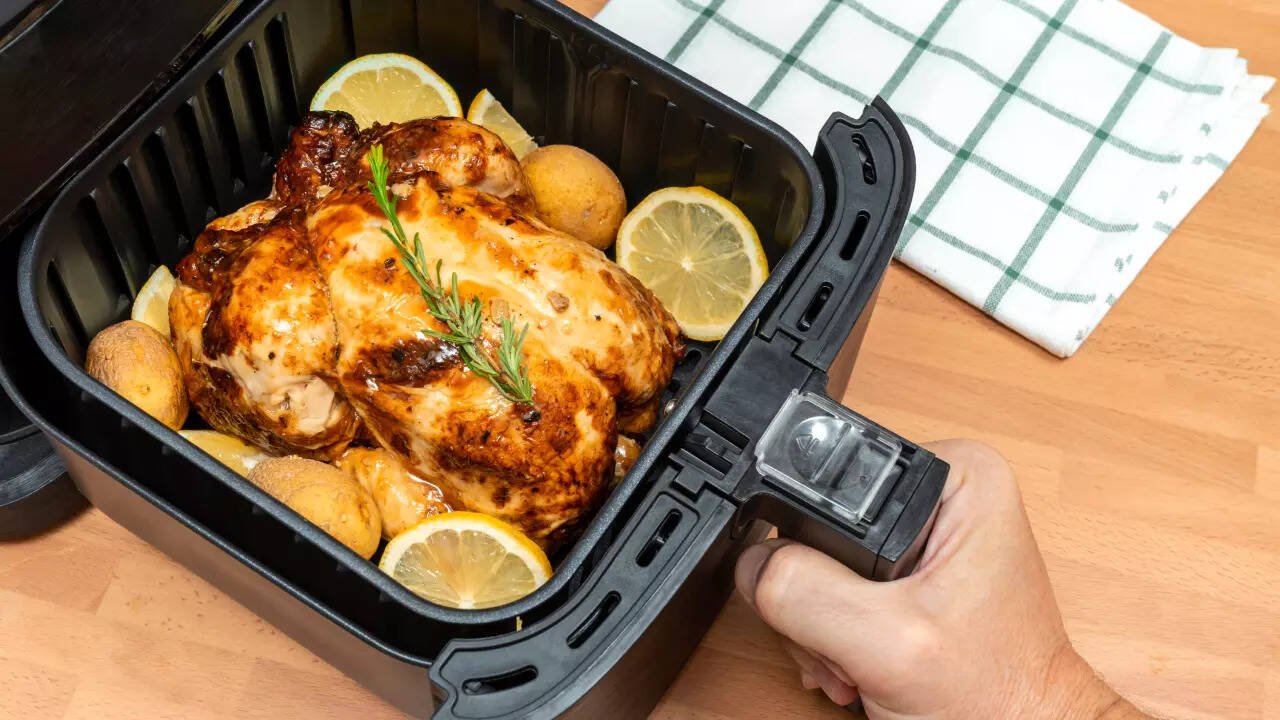
Using a convection oven for air frying is possible and practical. Convection ovens have a fan that circulates hot air around the food. This airflow helps to cook food evenly and gives a crispy texture, similar to an air fryer. Adjustments in temperature, cooking time, and cookware choice improve the air frying results in a convection oven.
Adjusting Temperature And Time
Set the convection oven temperature about 25°F lower than the air fryer recipe. Cooking time usually needs to be longer by 5 to 10 minutes. Check the food often to prevent burning. Every oven heats differently, so watch closely the first few times.
Best Cookware For Crisping
Use perforated trays or wire racks to allow air to flow under and around the food. Dark-colored, non-stick pans help brown the food better. Avoid deep pans that trap moisture and make food soggy. Proper cookware enhances crispiness in a convection oven.
Maximizing Airflow
Place food in a single layer with space between pieces. Avoid overcrowding the oven rack. Use the convection setting or fan mode for consistent air circulation. Keep the oven door closed during cooking to maintain heat and airflow. Good airflow is key to achieving a crispy finish.
When To Choose Each Appliance
Choosing between an air fryer and a convection oven depends on your cooking needs and kitchen space. Both appliances use hot air circulation for cooking but serve different purposes. Understanding who benefits most from each appliance helps make the right choice for your home. Here’s a guide to help decide which appliance suits your lifestyle best.
Ideal Users For Air Fryers
Air fryers suit people who want quick meals with less oil. They are perfect for small kitchens or limited counter space. Busy individuals who need fast cooking times benefit from air fryers. Those who cook for one or two people find the size convenient. Air fryers also work well for snacks and small portions. Users who prefer crispy textures without deep frying enjoy air fryers.
Best Uses For Convection Ovens
Convection ovens fit families or those who cook larger meals. They handle multiple dishes at once, saving time and effort. People who bake or roast often find convection ovens useful. They offer more space for baking trays and bigger foods. Those who want versatility in cooking options prefer convection ovens. Ideal for slow roasting, baking, and cooking large batches of food.
Credit: www.corriecooks.com
Frequently Asked Questions
Can You Use A Convection Oven Like An Air Fryer?
Yes, you can use a convection oven like an air fryer by enabling its convection setting. Use a perforated tray for airflow and adjust cooking time and temperature for crispiness.
Why Are People Getting Rid Of Air Fryers?
People discard air fryers due to their bulky size, limited capacity, noise, uneven cooking, or preference for convection ovens.
Is 350 In An Air Fryer The Same As 350 In An Oven?
350°F in an air fryer cooks faster than 350°F in an oven due to rapid hot air circulation. Adjust time accordingly.
Which Is Better, An Airfryer Or A Convection Oven?
An air fryer cooks faster and crisps better for small batches. A convection oven handles larger volumes and versatile cooking. Choose based on your cooking needs and space.
What Is The Main Difference Between An Air Fryer And Convection Oven?
An air fryer is compact and cooks faster, while a convection oven is larger and cooks more food at once.
Final Verdict: Should You Buy an Air Fryer or a Convection Oven?
Both air fryers and convection ovens cook food using hot air circulation. Air fryers are smaller and heat up quickly, making them ideal for small portions. Convection ovens are larger and can handle more food at once. Air fryers often give crispier results faster, and they use very little oil. In fact, the Cleveland Clinic reports that air frying is generally healthier than deep-frying because it significantly reduces oil consumption. However, the overall nutritional benefit still depends on the type of food you prepare.
Convection ovens offer more versatility with a wider range of cooking options. Choosing between the two ultimately depends on your kitchen space and cooking needs. Understanding these differences helps you pick the right appliance for your home. With either tool, simple and effective cooking is entirely possible.