Skip to content
Running a stand mixer is a common task in many kitchens. Whether you are baking bread, whipping cream, or mixing cookie dough, your stand mixer is a powerful tool. But how long can you run a stand mixer safely? This question matters because mixing times affect your food results and the life of your machine.
Understanding how long to use your mixer, what factors impact the time, and how to avoid common mistakes can help you get the most out of your appliance.
What Determines Safe Mixer Run Time?
The time you can run a stand mixer depends on several factors. Most mixers are built for short bursts, not continuous use. The motor size, speed settings, type of ingredients, and mixer brand all influence how long you can operate the machine without risk.
Motor Power And Mixer Class
Stand mixers come in different sizes and strengths. Some home mixers have 250-400 watts, while professional models go up to 800 watts or more. More powerful motors can handle longer mixing times, but even they need breaks. Small home mixers usually need rest after 5-10 minutes of continuous use. Larger, commercial mixers may run for 15-30 minutes, depending on the load and speed.
Mixer Brands And Models
Every brand has its own guidelines. For example, KitchenAid recommends running their tilt-head models for a maximum of 10 minutes when kneading dough. Bosch mixers, known for strong motors, can often run longer—up to 20 minutes for bread dough. Always check your mixer’s manual for specific limits.
Below is a comparison of popular stand mixer brands and their recommended maximum continuous run times:
| Brand | Model | Max Run Time (minutes) | Notes |
|---|---|---|---|
| KitchenAid | Artisan Tilt-Head | 10 | For heavy dough |
| Bosch | Universal Plus | 20 | For bread dough |
| Cuisinart | SM-50 | 12 | For dense mixtures |
| Hamilton Beach | 7-Speed Stand Mixer | 8 | For cake batter |
Mixing Times For Common Recipes
How long you need to run your mixer depends on what you are making. Some recipes require short bursts, others need longer mixing. Let’s look at typical mixing times for popular kitchen tasks.
Bread Dough
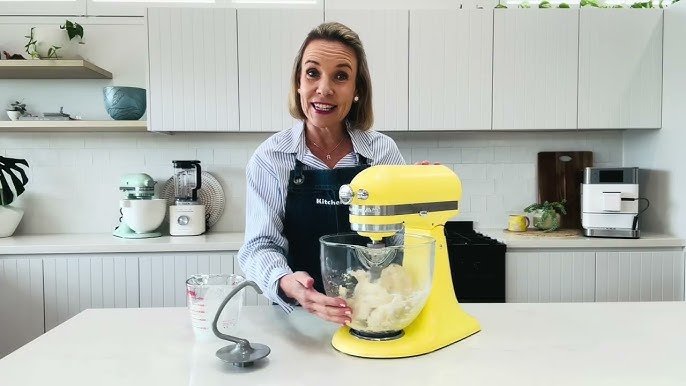
Kneading bread dough is one of the toughest jobs for a stand mixer. Most recipes recommend kneading for 5-10 minutes on low speed. If your dough is very dense, stop every 5 minutes to check the temperature of your mixer’s motor. It should not feel hot. If it does, let it rest for 15 minutes before resuming.
Cake Batter
Cake batter mixes quickly. Usually, 2-3 minutes at medium speed is enough. Over-mixing can make the cake tough. If your recipe calls for more time, break it into short intervals.
Whipped Cream
To whip cream, use high speed for 1-2 minutes. Stop as soon as stiff peaks form. Running longer can turn the cream into butter.
Cookie Dough
Cookie dough often needs 2-4 minutes on medium speed. Thick doughs can strain the motor, so check the mixer every few minutes.
Here’s a quick reference of typical mixing times for common recipes:
| Recipe | Recommended Run Time (minutes) | Speed Setting |
|---|---|---|
| Bread Dough | 5-10 | Low |
| Cake Batter | 2-3 | Medium |
| Whipped Cream | 1-2 | High |
| Cookie Dough | 2-4 | Medium |
Credit: www.youtube.com
Signs You Should Stop Your Stand Mixer
Knowing when to stop your mixer is key. Here are signs that your stand mixer needs a break:
- Motor gets hot: If the top or sides feel very warm, stop immediately. Let it cool for at least 15 minutes.
- Unusual noises: Grinding, squealing, or clicking are warning signs.
- Smell of burning: Any burning smell means the motor is overloaded.
- Slow speed: If the mixer slows down, it is struggling.
Ignoring these signs can damage your mixer and shorten its lifespan.
Practical Tips For Running Your Stand Mixer
You can safely maximize your mixer’s life by following these best practices:
- Follow recipe instructions. Most recipes are designed for standard mixing times.
- Start slow. Begin on a low speed, then increase as needed.
- Don’t overload. Stick to your mixer’s bowl capacity. Too much dough or batter can strain the motor.
- Rest between batches. If you are making several recipes, let the mixer cool for 15-30 minutes between uses.
- Clean after use. Food buildup can make the mixer work harder next time.
One insight beginners miss is that room temperature ingredients are easier to mix. Cold butter or eggs make the motor work harder, increasing wear. Another often overlooked tip is to store your mixer in a cool, dry place. Heat and humidity can damage electrical parts over time.
Impact Of Mixer Speed Settings
Speed matters. Most stand mixers have 6-10 speed settings. Higher speeds mix faster but stress the motor more. Running on low or medium speed is safer for heavy doughs and thick batters.
Low Speed
Use low speed for kneading bread, mixing thick dough, and starting recipes. It prevents splashing and reduces motor strain.
Medium Speed
Medium speed works for cake batters, cookie dough, and light mixing. It balances power and control.
High Speed
High speed is best for whipping cream, egg whites, or mixing light ingredients. Only use high speed for short bursts (under 3 minutes).
Below is a table showing how speed settings relate to safe run times:
| Speed Setting | Recommended Max Run Time (minutes) | Best For |
|---|---|---|
| Low | 10-15 | Bread, pizza dough |
| Medium | 6-8 | Cake batter, cookies |
| High | 2-3 | Whipped cream, egg whites |
How To Prevent Mixer Overheating
Overheating is the main risk when running a stand mixer too long. Here’s how to avoid it:
- Keep loads reasonable. Never fill the bowl above the recommended line.
- Use proper attachments. Dough hooks for bread, whisks for cream, paddles for batter.
- Pause often. If mixing heavy dough, give the mixer a break every 5 minutes.
- Check for airflow. Don’t run the mixer in a tight spot. Good airflow helps cooling.
Some mixers have thermal protection—they shut down automatically if too hot. If yours does, let it cool before restarting.
A non-obvious insight is that mixers work harder at high altitudes. Air pressure affects motor cooling, so in mountain areas, reduce your run time by 20%.
Credit: www.kitchenaid.com
Manufacturer Recommendations
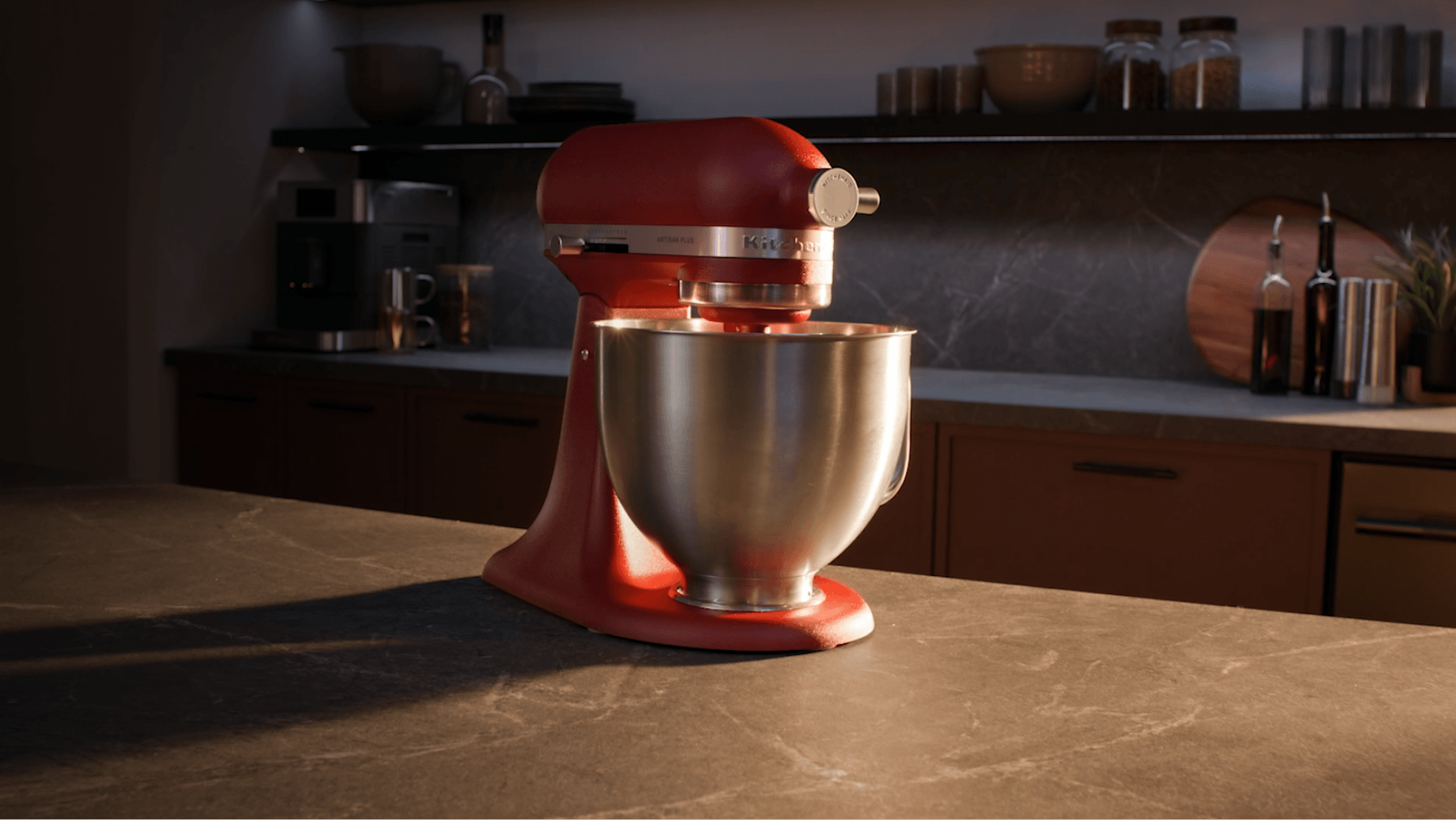
Always check your mixer’s manual or the manufacturer’s website. They often list maximum run times and maintenance tips. For example, KitchenAid warns against running their mixers more than 10 minutes at a time for heavy dough. Bosch allows longer times, but still recommends breaks.
If you lost your manual, you can often find guidelines online. For reliable information, visit Consumer Reports.
How Long Is Too Long?
If you run a stand mixer beyond the recommended time, you risk:
- Motor burnout
- Gear damage
- Shorter mixer life
For most home mixers, 10 minutes is a safe upper limit for heavy work. For lighter tasks, 2-5 minutes is enough.
Commercial mixers, made for bakeries, can run longer—sometimes up to 30 minutes—but even they need breaks.

Credit: www.ebay.com
Comparing Stand Mixer Types
There are two main types of stand mixers: tilt-head and bowl-lift.
- Tilt-head mixers: Usually smaller and best for home use. Max run times are 5-10 minutes for heavy dough.
- Bowl-lift mixers: Larger and stronger. Can run 15-20 minutes for tough mixing.
If you bake often or make large batches, a bowl-lift mixer may be better. If you only bake occasionally, a tilt-head model is easier to store and clean.
Frequently Asked Questions
How Do I Know If My Mixer Is Overheating?
If your stand mixer feels hot to the touch, smells burnt, or makes strange noises, it is overheating. Stop immediately and let it cool down for at least 15 minutes.
Can I Run My Mixer Longer If I Use Low Speed?
Yes, low speed puts less stress on the motor. You can usually run your mixer longer at low speed, but always follow your manufacturer’s guidelines.
What Happens If I Run My Mixer Too Long?
Running a mixer too long can burn out the motor, damage gears, and void the warranty. It may also make your food texture worse.
Do Professional Mixers Have Longer Run Times?
Professional mixers are designed for longer use. They can handle 15-30 minutes of continuous mixing for heavy dough, but still need breaks to prevent overheating.
Is It Okay To Mix Multiple Batches Without Resting The Mixer?
It’s best to let your mixer cool between batches, especially with heavy dough. Continuous use can overheat the motor and cause lasting damage.
Every stand mixer is different, but following these guidelines will help you get great results and keep your appliance working for years. Remember to check your manual, watch for warning signs, and use the right speed and attachments for each recipe.
With these tips, you’ll know exactly how long you can run a stand mixer—safely and confidently.