Fresh eggs are a kitchen staple, but how long do they really last in the refrigerator? Many people guess or rely on the date printed on the carton. But eggs are unique—when stored right, they can stay safe and tasty much longer than you might think.
If you want to avoid food waste or protect your health, knowing the facts about egg storage is essential. This article explains how long eggs last in the fridge, what affects their shelf life, and how to check if your eggs are still good.
How Eggs Stay Fresh
Eggs have a natural protective layer called the bloom or cuticle. This layer helps keep bacteria out and moisture in. In the US, eggs are washed before sale, which removes most of this layer. That’s why refrigeration is important here. In some countries, eggs aren’t washed and can be stored at room temperature for a while. But in the US, always keep eggs in the refrigerator to slow down spoilage.
Average Shelf Life Of Eggs In The Refrigerator
Eggs last longer than many people expect. Here is a breakdown of typical shelf lives:
| Egg Type | Refrigerator Shelf Life |
|---|---|
| Fresh eggs (in shell) | 3-5 weeks |
| Hard-boiled eggs (in shell) | 1 week |
| Egg whites | 2-4 days |
| Egg yolks | 2-4 days |
| Cooked eggs (scrambled, omelet) | 3-4 days |
Fresh, in-shell eggs are the winners—they can last up to five weeks past their pack date if refrigerated properly. Hard-boiled eggs don’t last as long because the boiling process removes their natural protective layer.
Factors Affecting Egg Shelf Life
Several factors change how long eggs stay good:
- Temperature: Eggs should always be stored below 40°F (4°C). Higher temperatures speed up spoilage and let bacteria grow.
- Humidity: Too much moisture can cause mold. A dry, cool fridge is best.
- Packaging: Keep eggs in their original carton. The carton protects eggs from absorbing strong odors and prevents moisture loss.
- Egg Age: Eggs gradually lose moisture and CO₂. Older eggs are still safe if stored well, but their quality drops.
- Egg Washing: Washed eggs spoil faster because their protective layer is gone.
The Role Of Expiration Dates
Egg cartons usually have two dates: the sell-by date and the expiration date. These dates guide stores and buyers, but they don’t always match the egg’s real shelf life.
- Sell-by date: This is for stores, telling them when to remove eggs from shelves.
- Expiration date: This tells you when the eggs are likely to be at their best quality.
According to the USDA, eggs can stay fresh for 3-5 weeks after the pack date, not just until the expiration date. So, if you keep your eggs cold and handle them right, they can last well beyond what the carton says.
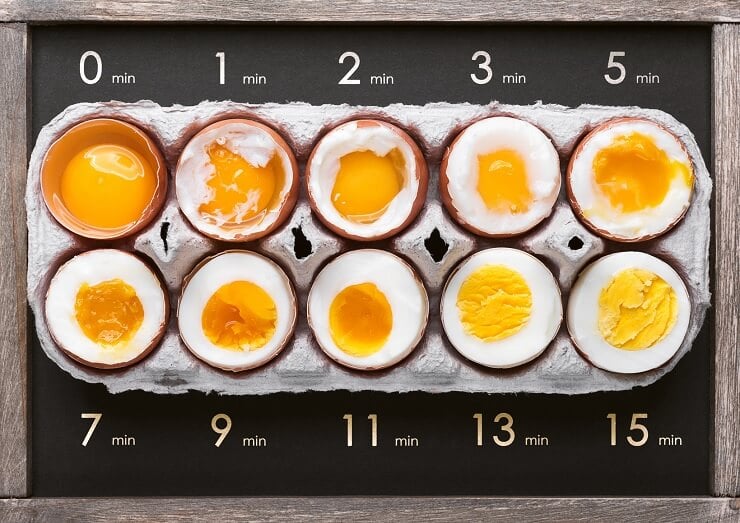
Credit: www.thehappychickencoop.com
How To Check If Eggs Are Still Good
Don’t rely only on the expiration date. There are practical ways to check egg freshness:
The Water Test
This is a simple method. Fill a bowl with cold water and gently place your egg inside.
| Egg Position | Meaning |
|---|---|
| Egg lays flat on the bottom | Very fresh |
| Egg stands upright on the bottom | Older, but still safe |
| Egg floats to the top | Bad, throw it away |
As eggs age, their contents shrink and air enters, making them float. This method is simple and reliable.
Smell And Visual Check
Crack the egg open on a clean plate. If it smells bad or has a strange color, throw it away. Fresh eggs have a mild scent and a thick, bright yolk. If the egg is watery or the white is cloudy, it may be old but not necessarily unsafe.
Non-obvious Insight: Shell Texture
Most people ignore the shell. If an egg’s shell is slimy or sticky, bacteria may be present. A powdery shell can mean mold. These eggs should be discarded.
Differences Between Store-bought And Farm-fresh Eggs
Store-bought eggs and farm-fresh eggs can have different shelf lives.
- Store-bought eggs are washed and refrigerated quickly, but lose their protective layer.
- Farm-fresh eggs often keep their bloom and can last a bit longer at room temperature. Once refrigerated, their shelf life matches store-bought eggs.
However, for both, once eggs are refrigerated, keep them cold. Don’t switch between fridge and room temperature—this causes condensation, which can lead to bacteria growth.
Credit: www.coastappliances.ca
How To Store Eggs For Maximum Freshness
Here are some proven tips to keep eggs fresh:
- Leave eggs in their carton—it prevents moisture loss and keeps them from absorbing odors.
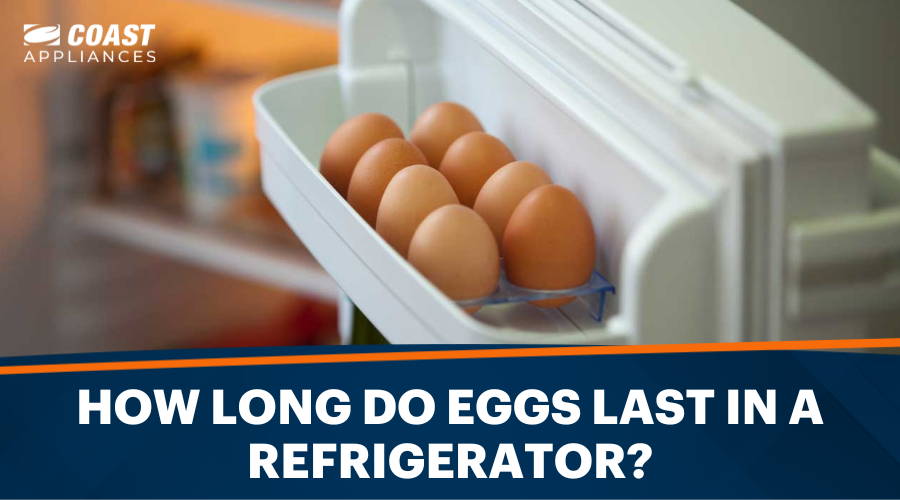
- Place eggs in the coldest part of the fridge—usually the back, not the door. The door is warmer and eggs can spoil faster there.
- Don’t wash eggs before storing—washing removes the protective bloom.
- Store eggs pointed end down—this keeps the yolk centered and slows aging.
- Avoid temperature changes—once eggs are cold, keep them cold.
Non-obvious Insight: Avoid Freezing Whole Eggs In Shell
Many people freeze eggs to extend their shelf life. But freezing whole eggs in their shell is risky. The liquid inside expands and cracks the shell, making the egg unsafe. If you want to freeze eggs, crack them and store them in airtight containers.
How Egg Quality Changes Over Time
Eggs don’t spoil suddenly. Their quality drops slowly. Here’s how:
| Age | Egg Quality | Use |
|---|---|---|
| 1-2 weeks | Thick whites, centered yolks | Best for frying, poaching |
| 3-4 weeks | Whites thinner, yolks less centered | Good for baking |
| 5+ weeks | Whites watery, yolks fragile | Use for hard-boiling |
As eggs age, they lose moisture and CO₂. The whites become thinner and the yolks flatten. Very fresh eggs are best for recipes where texture matters, like poached eggs. Older eggs are fine for baking or hard-boiling.
Safety Concerns And Salmonella
Eggs can carry Salmonella, a bacteria that causes food poisoning. The risk is low, but present. To reduce risk:
- Always refrigerate eggs.
- Cook eggs until both the yolk and white are firm.
- Don’t eat raw or undercooked eggs unless they are pasteurized.
According to the CDC, about 1 in 20,000 eggs may contain Salmonella. Proper storage and cooking greatly lower the risk.
What To Do With Old Eggs
If eggs are past their best, they can still be used in many ways:
- Hard-boil them—older eggs peel more easily.
- Bake with them—texture doesn’t matter as much in cakes or muffins.
- Compost—if eggs are spoiled, compost them instead of throwing them away.
But never eat eggs with a bad smell, odd color, or floating in water.
Comparing Egg Storage Methods
Different storage methods affect egg shelf life. Here’s a quick comparison:
| Method | Expected Shelf Life | Notes |
|---|---|---|
| Refrigeration (in shell) | 3-5 weeks | Best for safety and freshness |
| Room temperature (unwashed eggs) | 1-2 weeks | Only for farm-fresh eggs |
| Freezing (cracked) | 1 year | Must remove from shell |
| Pickling | 3 months | Boil before pickling |
Refrigeration is always safest for store-bought eggs.
Frequently Asked Questions
How Long Can Eggs Stay Out Of The Refrigerator?
Eggs should not be left out for more than 2 hours. Room temperature lets bacteria grow fast, especially after eggs are washed. Unwashed, farm-fresh eggs can stay out for about a week, but always refrigerate store-bought eggs.
Can You Eat Eggs After The Expiration Date?
Yes, you can often eat eggs 1–3 weeks past the expiration date if they’re kept cold and show no signs of spoilage. Use the water test and smell check for extra safety.
What Happens If You Eat A Spoiled Egg?
Eating a spoiled egg can cause symptoms like nausea, vomiting, diarrhea, and fever. Most problems come from Salmonella or other bacteria. If you suspect an egg is bad, do not eat it.
Is It Safe To Freeze Eggs?
Freezing eggs is safe if you crack them first and store them in airtight containers. Don’t freeze eggs in their shell. Frozen eggs can last up to a year, but the texture may change.
Should Eggs Be Stored In The Fridge Door Or Inside?
Eggs should be stored inside the fridge, not in the door. The door is warmer and less stable, which can make eggs spoil faster. Use the coldest part of your fridge, usually the back or a middle shelf.
Eggs are simple, but storing them the right way is key to safety and flavor. Whether you use eggs daily or just sometimes, knowing how long they last in the refrigerator helps you plan, save money, and avoid risk. The next time you wonder if your eggs are still good, remember the water test and keep your fridge cold. For more scientific details about egg safety and storage, visit the USDA Egg Safety Guide. Proper storage means less waste, better meals, and peace of mind for you and your family.

Credit: www.ecodisposer.com