Are you tired of waiting too long for your coffee to brew? Knowing exactly how long your coffee maker takes to brew can save you time and frustration, especially on busy mornings.
Whether you’re rushing out the door or just craving that perfect cup, understanding the brewing time helps you plan better and enjoy your coffee without the wait. You’ll discover the factors that affect brewing time and how to get the fastest, freshest cup every time.
Keep reading to make your coffee routine smoother and more satisfying.
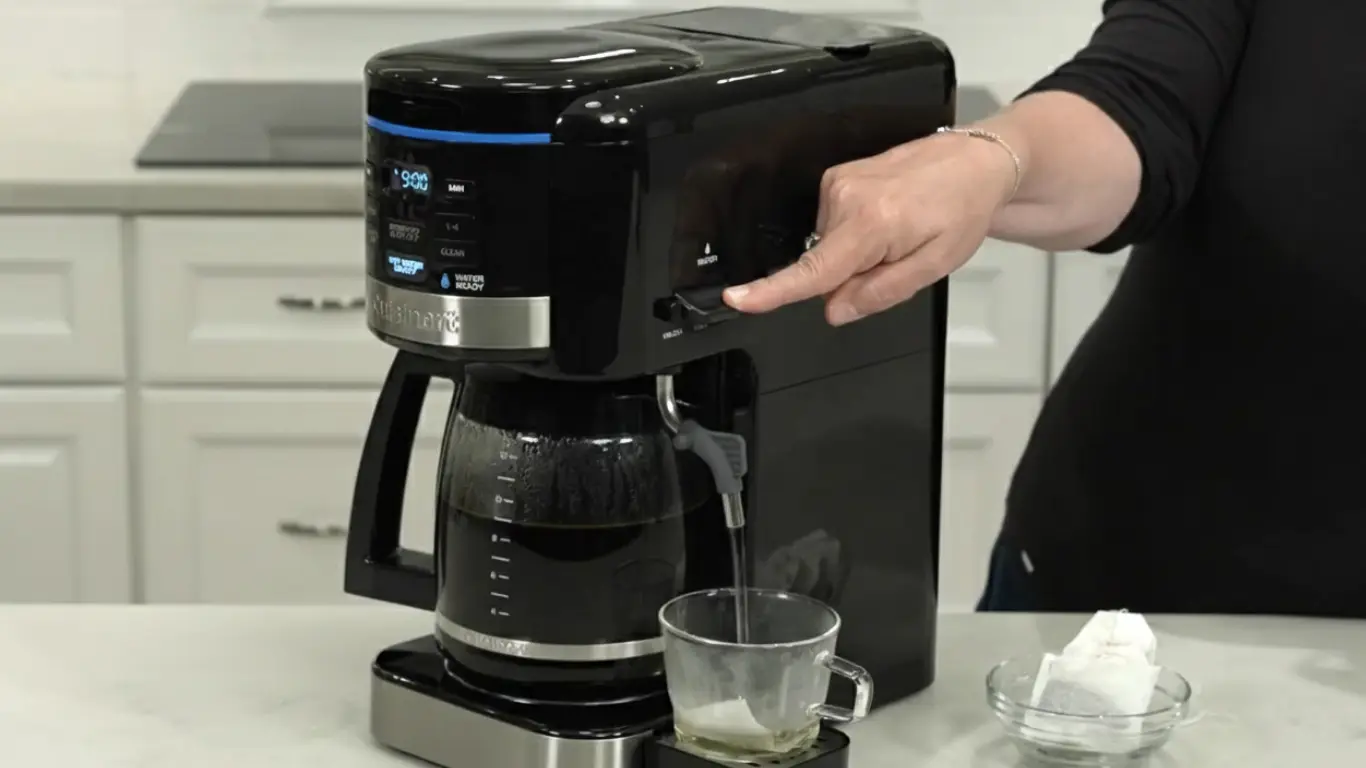
Key Factors That Affect How Long Does Coffee Maker Take to Brew
Brew time varies with many factors. Understanding these helps you get better coffee faster. Small changes in your coffee-making process can change the time it takes to brew. Let’s explore the key factors that affect how long your coffee maker takes to brew.
Type Of Coffee Maker
Different coffee makers brew at different speeds. Drip coffee machines usually take 4 to 6 minutes. Single-serve machines can brew in under 2 minutes. French presses need about 4 minutes to steep. Espresso machines work fast, often under 30 seconds. The brewing method affects the total time.
Coffee Grind Size
Grind size controls how fast water passes through coffee. Fine grinds slow water down, increasing brew time. Coarse grinds let water flow faster, cutting brew time. Espresso uses fine grind for quick extraction. French press needs coarse grind for even brewing. Match grind size to your coffee maker for best results.
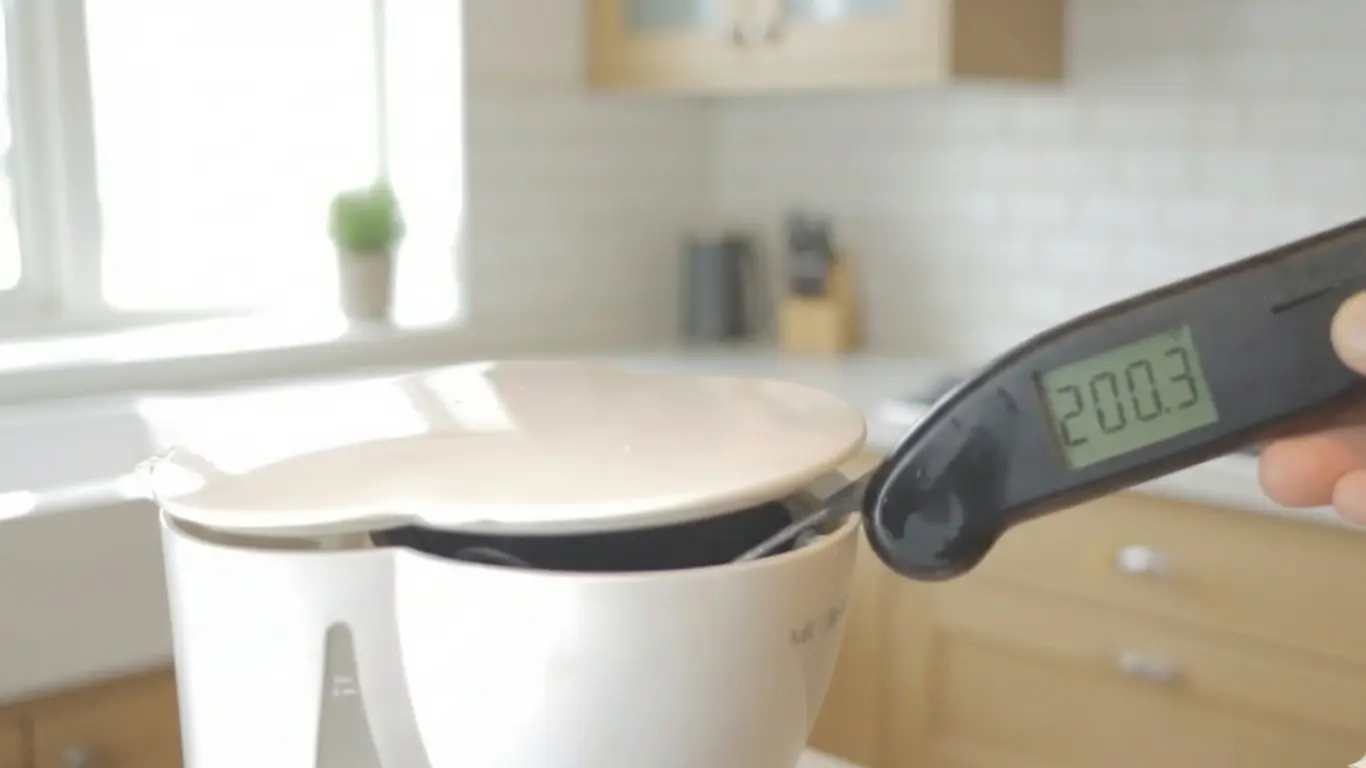
Water Temperature
Hotter water extracts coffee faster. Ideal temperature is between 195°F and 205°F. Water below this range slows brewing and weakens flavor. Too hot water can cause bitter coffee. Most coffee makers heat water to the right range. Check your machine’s water temperature for optimal brewing time.
Coffee-to-water Ratio
The amount of coffee to water changes brew time. More coffee means longer extraction time. Less coffee means shorter brew time. Standard ratio is about 1 to 15 or 1 to 16. Adjust ratio to control strength and brewing speed. Consistent measurement helps keep brew time steady.
Coffee Maker Brew Times by Type
Brew time changes with each coffee maker type. This affects how fast you get your coffee. Some machines work quickly. Others take more time to bring out the best flavor. Understanding these times helps you plan your coffee break better.
Drip Coffee Makers
Drip coffee makers usually take 5 to 10 minutes. They brew multiple cups at once. Water heats and slowly drips through coffee grounds. This method gives a smooth, mild taste. It’s great for mornings with a crowd.
Single Serve Machines
Single serve machines work fast. Most brew coffee in 1 to 3 minutes. They use pods or capsules for quick brewing. Perfect for one cup at a time. These machines are easy and convenient.
French Press
French press needs about 4 to 5 minutes. You pour hot water over grounds and wait. Then press the plunger down slowly. This method makes rich and strong coffee. It requires a bit of attention but tastes great.
Espresso Machines
Espresso machines are very fast. They brew a shot in 25 to 30 seconds. High pressure forces water through finely ground coffee. The result is a strong, concentrated coffee. Ideal for those who like bold flavors quickly.
Pour Over Methods
Pour over takes 3 to 4 minutes. You pour hot water slowly over coffee grounds. This method lets you control the brew speed and flavor. It produces a clean and bright cup. Requires some patience and practice.
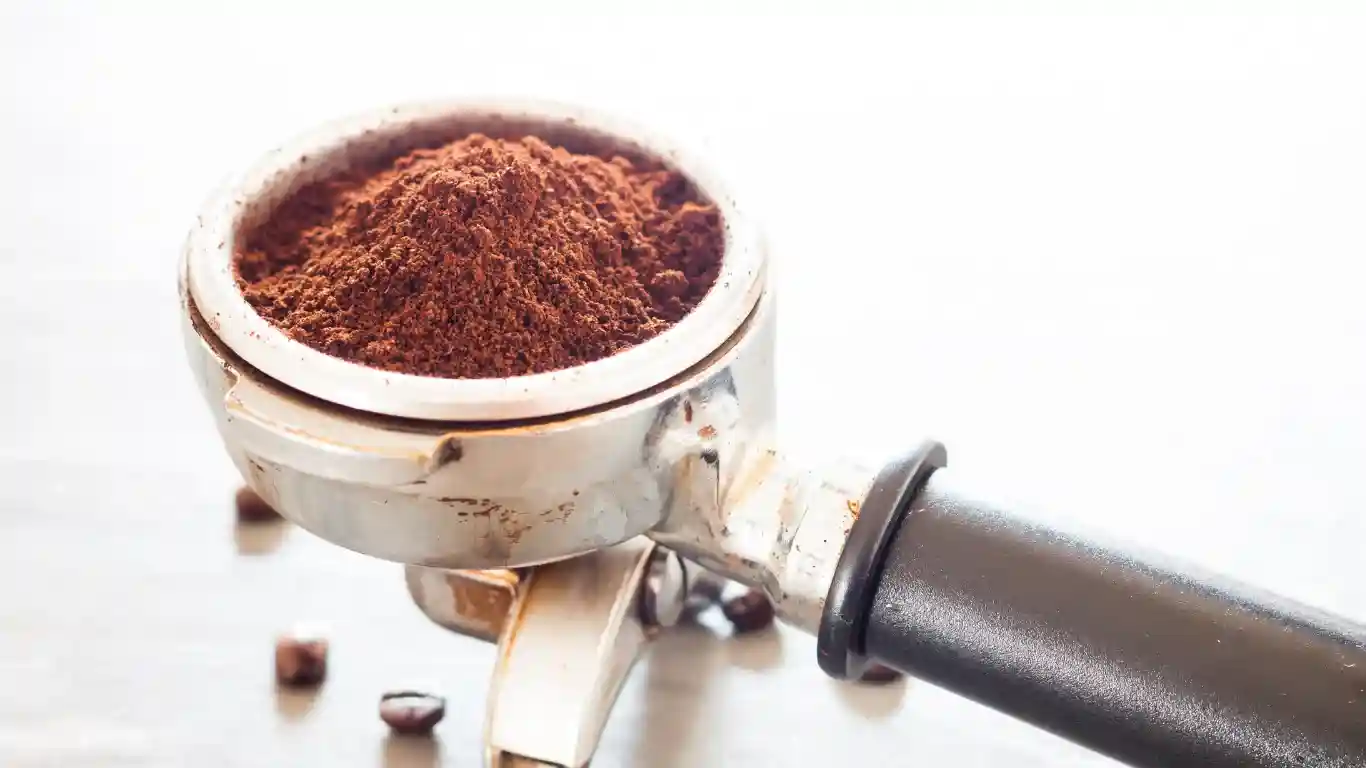
How Coffee Grind Size Affects Brewing Time and Flavor Extraction
The size of your coffee grind plays a key role in brewing time and flavor. Different grind sizes change how water flows through the coffee grounds. This affects how long the coffee maker takes to brew and the taste of your coffee. Understanding grind size helps you get the best brew every time.
Coarse Vs Fine Grinds
Coarse grinds are large and chunky. They let water pass through quickly. This means a shorter brewing time. Coarse grinds are best for methods like French press or cold brew.
Fine grinds are small and powdery. They slow down water flow. This leads to a longer brewing time. Fine grinds work well for espresso or drip coffee makers.
Effect On Extraction Time
Coarse grinds extract flavor slowly. Water touches fewer surfaces. This reduces brewing time but may miss some flavors.
Fine grinds extract flavor quickly. More surface area means more contact with water. This increases brewing time and intensifies taste.
Choosing the right grind size balances brewing time and flavor. It depends on your coffee maker and taste preference.
Optimizing Water Temperature for Faster and Better Coffee Brewing
Water temperature plays a key role in coffee brewing. It affects the taste and the time it takes to brew. Using the right temperature helps get the best flavor from coffee grounds. It also ensures the brewing process is efficient and consistent. Understanding how temperature impacts brewing can improve your coffee experience.
Ideal Brewing Range
The best water temperature for brewing coffee is between 195°F and 205°F (90°C to 96°C). Temperatures in this range extract flavors well without burning the coffee. Water below 195°F may under-extract, causing weak and sour coffee. Above 205°F, the water can over-extract, leading to bitterness. Staying in this range helps balance taste and brewing time perfectly.
Temperature Influence On Flavor And Time
Water temperature changes how fast coffee brews. Hotter water extracts flavors quicker but risks bitterness. Cooler water slows extraction and may taste flat. The right temperature brings out coffee’s natural sweetness and aroma. It also controls brewing time, usually between 4 to 6 minutes for drip coffee. Adjusting temperature can fine-tune flavor and speed.
Coffee-to-water Ratio And Brew Duration
The coffee-to-water ratio and brew duration affect your coffee’s taste and strength. They also influence how long your coffee maker takes to brew. Using the right ratio helps balance flavor and extraction. Adjusting brew time can make coffee stronger or lighter. Understanding these two factors helps you get better coffee every time.
Standard Ratios
The standard coffee-to-water ratio is about 1 to 15 or 1 to 16. This means 1 gram of coffee for every 15 to 16 grams of water. For example, 2 tablespoons of coffee per 6 ounces of water. This ratio gives a balanced flavor for most coffee makers. It usually takes 4 to 6 minutes to brew at this ratio.
Adjusting For Taste And Speed
Using more coffee makes the brew stronger and richer. This can increase brew time slightly. Using less coffee makes the drink lighter and faster to brew. Shortening brew time can reduce bitterness but may weaken flavor. Finding your preferred ratio and time helps create the perfect cup. Small changes can make a big difference in taste.
Pro Tips to Reduce Coffee Maker Brew Time Without Losing Flavor
Waiting for coffee to brew can feel long, especially in busy mornings. Simple tips can help speed up the process. Faster brewing means you enjoy your coffee sooner without losing taste or quality.
These easy steps improve your coffee maker’s efficiency. Each method saves time and keeps your coffee hot and fresh.
Preheating Equipment
Warm your coffee maker before brewing. Run a cycle with just water to heat the machine. This reduces the time the coffee takes to reach the right temperature. Warm equipment helps extract flavors faster.
Using Hot Water
Start with hot water instead of cold. Fill the reservoir with hot water from a kettle. Hot water speeds up brewing by reducing heating time inside the machine. This method shortens wait time without changing taste.
Adjusting Settings
Check your coffee maker’s settings. Some machines have brew strength or speed options. Choose a faster brew or lighter strength for quicker results. Adjusting these settings cuts down brewing time effectively.
Common Brewing Time Myths (Debunked by Experts)
Many people believe wrong facts about how long coffee makers take to brew. These myths can cause confusion and impatience. Understanding the truth helps you enjoy better coffee and avoid mistakes.
Let’s clear up some common myths about coffee brewing time.
Myth: Faster Brewing Means Better Coffee
Some think quick coffee is always better. But rushing can cause weak or bitter taste. Good coffee needs the right time to extract flavors.
Myth: All Coffee Makers Brew At The Same Speed
Different machines work at different speeds. A drip coffee maker takes longer than a single-serve machine. Brewing time depends on the type and model.
Myth: Longer Brewing Always Means Stronger Coffee
Brewing too long can make coffee bitter. Strength depends on coffee amount, grind size, and water temperature. More time does not always mean better strength.
Frequently Asked Questions
How Long Does A Standard Coffee Maker Take To Brew?
A standard drip coffee maker typically brews coffee in 5 to 10 minutes. Brew time varies by machine size and model. Larger machines may take longer, while compact models brew faster. Always check your coffee maker’s manual for exact brewing times to optimize flavor and convenience.
Does Brew Time Affect Coffee Flavor Quality?
Yes, brew time directly impacts coffee flavor. Under-extraction from short brew times causes weak taste. Over-extraction from long brew times results in bitterness. Ideal brew times balance extraction for rich, smooth flavor. Adjust your coffee maker settings to achieve the best taste.
How Fast Do Single-serve Coffee Makers Brew Coffee?
Single-serve coffee makers usually brew coffee in 1 to 3 minutes. They use pods or capsules for quick brewing. This speed suits busy mornings or office use. Brew time depends on model and cup size selected. Always refer to your machine’s guide for specifics.
Can Grind Size Influence Coffee Maker Brew Time?
Yes, grind size affects brewing time significantly. Coarse grounds slow water flow, increasing brew time. Fine grounds speed up extraction but risk over-extraction if too fine. Adjust grind size according to your coffee maker’s recommendations for optimal brew duration and taste.
Final Thoughts: How Long Should a Coffee Maker Take to Brew?
Coffee makers usually take between 3 to 10 minutes to brew. The time depends on the type and size of the machine. Simple drip coffee makers are faster than espresso machines. Remember, water temperature and grind size also affect brewing time.
A good cup of coffee needs patience. Choose the right machine for your needs. Enjoy fresh coffee without rushing. Brewing time matters, but taste matters more. Keep your coffee maker clean for best results. Brewing coffee is a small wait for a great start to your day.