Every modern refrigerator comes with features that make life easier. Automatic defrost is one of the most useful. It saves you from scraping ice off freezer walls and helps your fridge run smoothly. But many people wonder, “How long does refrigerator automatic defrost take?” Knowing this helps you plan, avoid surprises, and keep your food safe. Let’s break down how automatic defrost works, how long it takes, and what you should expect from different refrigerator models.
Understanding Automatic Defrost
Automatic defrost is a system built into many fridges and freezers. It prevents ice build-up by melting frost at regular intervals. This process is important because too much ice can cause your fridge to work harder, use more energy, and make food storage less efficient.
Unlike manual defrost, where you turn off the fridge and wait for ice to melt, automatic defrost handles everything for you. The fridge uses a heater, timer, and sensors to manage the process. This means less work for you and better performance for your appliance.
How Does Automatic Defrost Work?
Inside your refrigerator, a defrost heater sits near the cooling coils. Every few hours, the fridge stops cooling and turns on this heater. The heater melts the frost built up on the coils. A drain pan collects the water as the frost melts, and then the fridge resumes cooling.
Most fridges use a defrost timer to control when and how often this happens. The timer ensures that defrost only happens when needed, so your food stays cold and safe.
Typical Defrost Duration
The time needed for automatic defrost can vary. Many factors affect how long the process takes, including the fridge model, size, and how much ice has built up. Here are typical durations for common types:
| Refrigerator Type | Defrost Cycle Duration | Defrost Frequency |
|---|---|---|
| Side-by-side | 20–40 minutes | Every 6–12 hours |
| Top freezer | 20–35 minutes | Every 8–12 hours |
| Bottom freezer | 25–45 minutes | Every 6–10 hours |
| French door | 30–50 minutes | Every 8–12 hours |
Most automatic defrost cycles take between 20–50 minutes. The frequency depends on the model, but usually happens every 6–12 hours. For example, a standard side-by-side fridge will defrost for about half an hour, twice a day. A bottom freezer model may take closer to 45 minutes but happens less often.
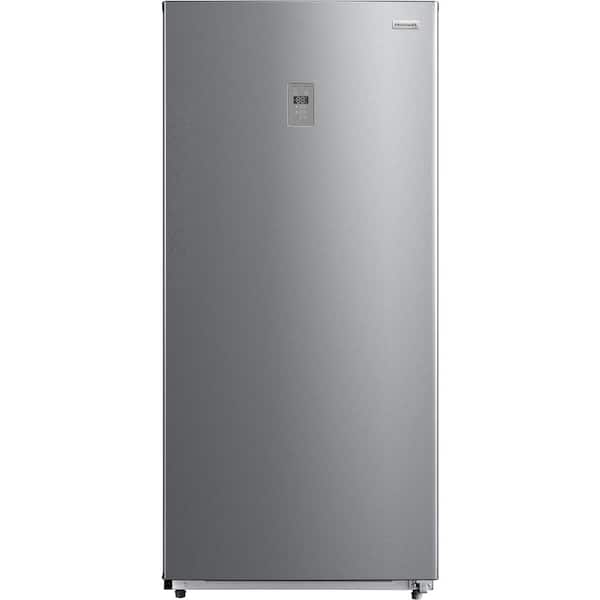
Credit: www.homedepot.com
What Influences Defrost Duration?
Several things can change how long automatic defrost lasts:
- Refrigerator size: Bigger fridges have larger coils, so melting the ice takes longer.
- Amount of frost: If you open the door often or live in a humid area, more ice will form. The cycle may take longer.
- Model and age: Newer fridges often have faster, more efficient defrost systems.
- Temperature settings: Colder settings can create more frost, affecting defrost time.
- Usage habits: Frequent door opening lets in moist air, causing more frost and possibly longer defrost cycles.
Here’s a quick comparison showing how usage affects defrost time:
| Usage Pattern | Approximate Defrost Time |
|---|---|
| Light use (few door openings) | 20–25 minutes |
| Normal use (average openings) | 25–35 minutes |
| Heavy use (frequent door openings) | 35–50 minutes |
Signs Your Refrigerator Is Defrosting
Sometimes, you may notice signs that your fridge is in a defrost cycle:
- The fridge feels warmer for a short period.
- The compressor and fan are quieter or off.
- Water drips into the drain pan.
- Some frost disappears from freezer walls.
These signs are normal. The fridge returns to cooling after defrost ends. If you notice water pooling under the fridge, it may mean the drain pan is full or blocked.
How Automatic Defrost Protects Your Food
You might worry that defrosting could warm your food or spoil it. However, automatic defrost is designed to keep food safe. The cycle is short, and the fridge is insulated, so temperatures stay low.
Food safety standards say perishable foods should stay below 40°F (4°C). During automatic defrost, fridge temperatures may rise slightly but rarely go above safe levels. The short duration ensures your milk, meat, and vegetables stay fresh.
It’s also important to note that the freezer compartment often stays colder, even during defrost, because of its thicker insulation.
Common Myths About Automatic Defrost
Many people have wrong ideas about automatic defrost. Let’s clear up some myths:
- Myth: Food gets warm during defrost.
- Fact: The cycle is short and temperatures stay safe.
- Myth: Defrost wastes energy.
- Fact: Automatic defrost uses a small amount of energy but saves more by keeping the fridge efficient.
- Myth: You should stop the defrost cycle if you notice it.
- Fact: Interfering can damage the fridge. Let it run as designed.
- Myth: Ice build-up means the defrost system is broken.
- Fact: Some frost is normal. Only large ice sheets or frequent build-up signal a problem.

Credit: www.amazon.com
Comparing Manual Vs. Automatic Defrost
If you’ve ever had an old fridge, you know manual defrost is a pain. Let’s see how automatic defrost compares:
| Feature | Manual Defrost | Automatic Defrost |
|---|---|---|
| Defrost Duration | 2–24 hours | 20–50 minutes |
| User Involvement | High | Low |
| Food Safety | Risk of warming | Safe |
| Energy Use | Higher when ice builds up | Efficient |
| Maintenance | Needs regular manual cleaning | Self-maintaining |
Automatic defrost is much faster and easier. Manual defrost can take a whole day and requires you to unplug the fridge and move food. With automatic defrost, the process happens quietly in the background.
Practical Tips To Help Your Fridge Defrost Efficiently
You can support your fridge’s defrost system with simple habits:
- Keep the door closed as much as possible. This reduces frost build-up.
- Set the temperature at manufacturer-recommended levels (usually 37°F for fridge, 0°F for freezer).
- Check seals and gaskets. If they’re damaged, humid air enters and creates more frost.
- Clean drain pans and vents every few months. This prevents blockages during defrost.
- Don’t overfill the fridge. Good airflow helps even cooling and effective defrost.
A non-obvious tip: placing food away from the back wall can help prevent frost formation. Items pressed against the coils freeze faster and create more ice.
Troubleshooting Slow Or Failed Defrost Cycles
Sometimes, automatic defrost may not work correctly. Here are signs and solutions:
- Excessive frost: If you see thick ice, the defrost heater or timer may be faulty.
- Water leaks: The drain pan or drain tube could be blocked.
- Food warming: If food gets warm often, the cycle may be too long or frequent.
If you suspect a problem, try these steps:
- Unplug the fridge and check the drain pan for blockages.
- Inspect door seals for gaps.
- Listen for the defrost timer clicking. If silent, it may need replacement.
For persistent issues, call a certified technician. Repairing defrost systems can involve electrical parts and sensors, so it’s best left to professionals.
How Often Should Automatic Defrost Run?
Automatic defrost cycles are scheduled based on the fridge’s design. Most run every 6–12 hours. Some models have sensors that adjust timing based on frost build-up. This means your fridge could defrost more often if you open the door a lot or live in a humid area.
If you notice defrost happening very frequently (more than once every six hours) or not at all, your fridge may need service. Too many cycles can increase energy use, while too few can cause ice problems.

Credit: www.amazon.com
Can You Speed Up Automatic Defrost?
Some users try to speed up defrost by changing settings or unplugging the fridge. Automatic systems, however, are optimized for safety and efficiency. Manually speeding up defrost is not recommended.
If you need to defrost quickly (for example, before moving or cleaning), unplugging the fridge will force manual defrost. This is not automatic and can cause food to warm up. Let the system run as designed for best results.
Extra Insights Most Owners Miss
- Many people don’t realize that ambient room temperature affects defrost duration. In hot climates, the cycle may be slightly shorter because ice melts faster.
- Using the fast freeze or power cool settings may postpone defrost to avoid warming new items. This means the next cycle could be longer if more frost forms.
Frequently Asked Questions
How Long Does Refrigerator Automatic Defrost Usually Take?
Most automatic defrost cycles take 20–50 minutes, depending on the refrigerator type and how much ice has built up. Side-by-side and French door models are often closer to 30–50 minutes, while smaller units may finish in 20–35 minutes.
Is It Safe To Keep Food In The Fridge During Automatic Defrost?
Yes. Automatic defrost is designed to keep food safe. The process is quick and temperatures rarely rise above safe levels. Insulation keeps food cold throughout the cycle.
What Should I Do If My Fridge Seems To Defrost Too Often?
If your fridge runs defrost cycles more than once every six hours, check for door seal leaks, overfilled fridge space, or blocked vents. These issues can cause excess frost. If the problem continues, contact a technician.
Can I Stop Or Pause An Automatic Defrost Cycle?
No. Automatic defrost cycles are set by the fridge’s timer and sensors. Stopping or pausing the cycle can damage the system and affect food safety.
How Do I Know If The Automatic Defrost System Is Working?
Signs include melting frost, quiet compressor sounds, and water dripping into the drain pan. If frost disappears and temperatures stay stable, your system is working well.
Automatic defrost is one of the best features in modern refrigerators. It keeps your fridge efficient, food safe, and saves you time. Understanding how long the process takes—and what affects it—helps you get the most from your appliance. If you notice anything unusual, simple checks and maintenance can solve most problems.
Enjoy the convenience and peace of mind that automatic defrost brings to your kitchen.