Skip to content
Vacuum sealed tuna is a popular choice for people who want both convenience and freshness. Whether you’re storing cooked tuna steaks, sashimi-grade slices, or canned tuna that’s been repackaged, knowing exactly how long vacuum sealed tuna lasts in the fridge can save you from waste—and from eating spoiled fish.
This article clears up confusion, explains key factors, and gives actionable advice, so you can keep your tuna safe and delicious.
What Makes Vacuum Sealed Tuna Last Longer?
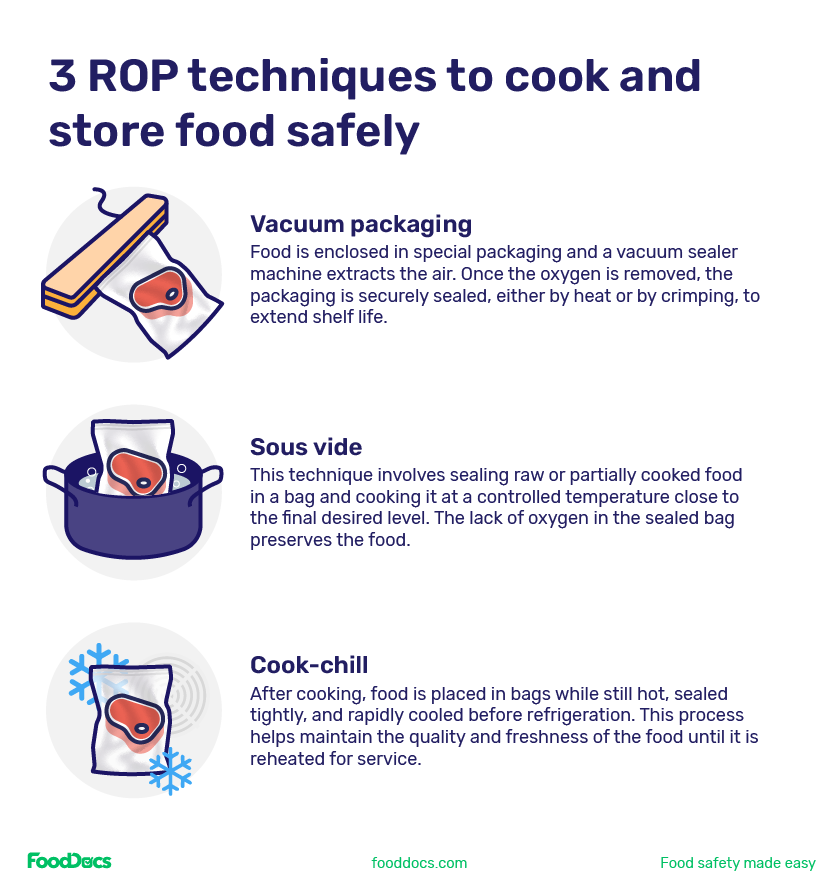
Vacuum sealing is a process where air is removed from a package before sealing. This slows down spoilage by limiting oxygen, which bacteria and molds need to grow. When tuna is vacuum sealed, it stays fresh much longer than tuna stored in a regular container.
Oxygen is the main cause of food spoilage. By removing it, vacuum sealing helps:
- Prevent bacteria growth
- Reduce oxidation (which causes off-flavors and color changes)
- Keep moisture inside the fish
But vacuum sealing isn’t magic. Tuna still has a shelf life, even when sealed. The cold temperature of your fridge is also crucial. If you leave vacuum sealed tuna at room temperature, it will spoil quickly, even if sealed.
How Long Does Vacuum Sealed Tuna Last In The Fridge?
The actual shelf life depends on several factors:
- Type of tuna (fresh, cooked, raw, or canned)
- Fridge temperature
- Initial freshness before sealing
- Handling and hygiene
Let’s look at each scenario.
Fresh Raw Tuna
If you buy fresh raw tuna and vacuum seal it immediately, it usually lasts:
- Up to 7 days at 34°F–38°F (1°C–3°C)
Most home refrigerators are set between 35°F and 40°F. At these temperatures, vacuum sealed raw tuna is safe for about a week. After this, the risk of bacterial growth rises.
Cooked Tuna
Cooked tuna, like grilled steaks or baked fillets, can last a bit longer:
- 7–10 days at 34°F–38°F
Cooking kills bacteria, so vacuum sealed cooked tuna is less risky. However, it should still be eaten within 10 days for best quality.
Canned Tuna (repackaged)
If you open a can of tuna and vacuum seal leftovers, the storage time changes:
- 5–7 days at 34°F–38°F
Once opened, canned tuna is exposed to air and bacteria. Vacuum sealing helps, but does not restore the original shelf life.
Sashimi-grade Tuna
Sashimi-grade tuna is eaten raw, so freshness is vital:
- Up to 5 days at 34°F–38°F
It’s best to consume sashimi-grade tuna as soon as possible. Even when vacuum sealed, texture and flavor degrade quickly.
| Type of Tuna | Vacuum Sealed Shelf Life (Fridge) | Notes |
|---|---|---|
| Fresh Raw Tuna | Up to 7 days | Seal immediately after purchase |
| Cooked Tuna | 7–10 days | Good for meal prep |
| Canned Tuna (Opened) | 5–7 days | Seal leftovers right away |
| Sashimi-Grade Tuna | Up to 5 days | Consume quickly |
Factors That Affect Tuna Shelf Life
Even with vacuum sealing, tuna can spoil faster if certain conditions aren’t met. These factors are often overlooked by beginners.
Fridge Temperature
Most people don’t realize how much fridge temperature matters. If your fridge is too warm (above 40°F), bacteria multiply fast. Always use a fridge thermometer to check.
| Fridge Temperature | Safe Storage Time |
|---|---|
| 32°F–35°F | Maximum shelf life |
| 36°F–39°F | Average shelf life |
| 40°F+ | Reduced shelf life |
Quality Before Sealing
Vacuum sealing only preserves the current state. If you seal tuna that is already old, it won’t last as long. Always start with fresh tuna.
Hygiene And Handling
Touching tuna with dirty hands or using unclean tools introduces bacteria. Wash hands and utensils before handling. Even small contamination can shorten shelf life.
Packaging Material
High-quality vacuum bags block oxygen and moisture better. Cheap bags may leak, leading to faster spoilage.
Storage Location In Fridge
Tuna should be placed in the coldest part of the fridge, usually the bottom shelf at the back. Don’t store it in the fridge door, which is warmer.
Signs Tuna Has Gone Bad
Even if tuna is vacuum sealed and refrigerated, it can still spoil. Watch for these signs:
- Strong, sour smell (fresh tuna has a mild, ocean scent)
- Slimy or sticky texture
- Discoloration (brown or greenish spots)
- Bubbles in the vacuum bag (can indicate gas produced by bacteria)
If you notice any of these, discard the tuna. Eating spoiled tuna can cause food poisoning.
Example: Smell Test
A simple way to check is the smell test. If the tuna smells fishy or sour, it’s probably unsafe.
Example: Visual Check
Look for color changes. Fresh tuna is bright pink or red. If it turns brown, it’s time to throw it out.

Credit: uspackagingandwrapping.com
How To Vacuum Seal Tuna Properly
Vacuum sealing tuna isn’t difficult, but there are important steps for best results.
- Clean the tuna: Rinse with cold water and pat dry.
- Cut into portions: Smaller pieces seal better and thaw faster.
- Use fresh bags: Old or reused bags may not seal well.
- Seal tightly: Make sure there are no air pockets.
- Label and date: Write the sealing date on each package.
For cooked tuna, let it cool completely before sealing. Sealing warm food can cause condensation and spoilage.
| Step | Purpose | Tips |
|---|---|---|
| Clean | Remove surface bacteria | Use cold water only |
| Portion | Even freezing and thawing | Cut to meal-size |
| Seal | Keep air out | Check for leaks |
| Label | Track shelf life | Include date |
Storing Tuna For Longer: Freezing Vs Refrigerating
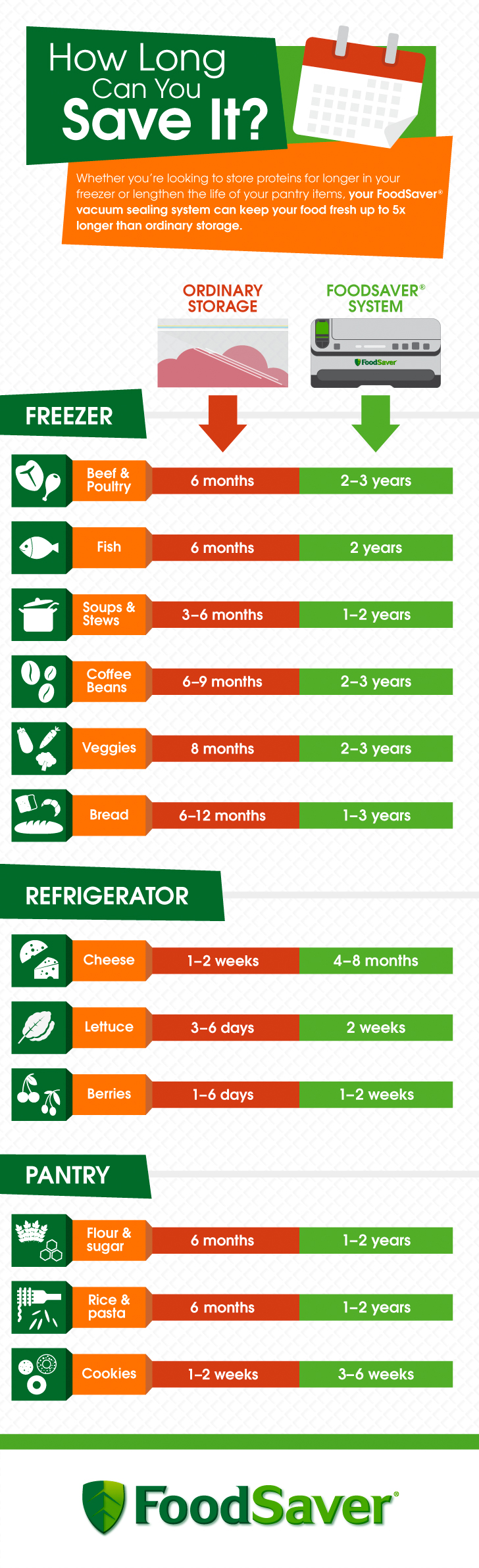
Vacuum sealing is great for fridge storage, but for longer-term preservation, freezing is better.
Refrigerated Storage
- Best for short-term (up to 10 days)
- Maintains texture and flavor
- Easy access
Freezer Storage
- Best for long-term (2–3 months for tuna)
- Prevents spoilage almost completely
- May slightly alter texture
If you want to store tuna for more than 10 days, freeze it. Vacuum sealing before freezing prevents freezer burn.
Credit: www.foodsaver.com
Common Mistakes When Storing Vacuum Sealed Tuna
Many people make errors that shorten tuna’s shelf life. Avoid these:
- Storing at room temperature: Even vacuum sealed, tuna spoils quickly if not refrigerated.
- Using old bags: Bags with tiny holes let in air.
- Sealing tuna that’s already old: Start with fresh fish.
- Not labeling: Forgetting dates leads to eating spoiled food.
- Opening and resealing: Each time you open, bacteria can enter.
Practical Tips For Maximizing Tuna Shelf Life
- Keep fridge at 34°F–38°F
- Seal tuna immediately after purchase or cooking
- Use high-quality vacuum bags
- Store in coldest part of fridge
- Check for signs of spoilage before eating
- Freeze if storing longer than 7–10 days
A non-obvious tip: If you notice condensation inside the bag, it means moisture is present. This can lead to faster spoilage. Pat tuna dry before sealing.
Another insight: Sometimes, vacuum sealers don’t remove all air. Press the bag to check for leaks. If air returns, the seal is weak.
Is Vacuum Sealing Safe For Tuna?
Vacuum sealing is safe and used by professionals, but it’s not a substitute for refrigeration. Botulism bacteria can grow in anaerobic (no oxygen) environments. Always keep vacuum sealed tuna cold.
According to the FDA, vacuum packed fish should never be stored at room temperature. For more details, see the FDA’s guidelines.
Frequently Asked Questions
How Can I Tell If Vacuum Sealed Tuna Is Still Good?
Check for smell, texture, and color. Fresh tuna smells mild, not sour. It should feel firm, not slimy. The color should be bright pink or red. If you see bubbles or brown spots, it’s spoiled.
Can I Refreeze Vacuum Sealed Tuna After Thawing?
It’s not recommended. Refreezing can damage texture and flavor, and increase risk of spoilage. If you must, refreeze only if tuna was thawed in the fridge and never reached room temperature.
Does Vacuum Sealing Change The Taste Of Tuna?
No, vacuum sealing doesn’t change taste, but it helps preserve original flavor longer. If the tuna was not fresh before sealing, the taste will still degrade.
What Happens If I Eat Spoiled Vacuum Sealed Tuna?
Eating spoiled tuna can cause food poisoning. Symptoms include nausea, vomiting, stomach pain, and diarrhea. Seek medical help if symptoms are severe.
Is Vacuum Sealed Tuna Safe For Sushi Or Sashimi?
Only if the tuna was sashimi-grade and sealed immediately. Even then, consume within 5 days, and always check for freshness before eating raw.
Credit: www.fooddocs.com
Final Thoughts
Vacuum sealing is a simple, effective way to extend the shelf life of tuna in your fridge. By following best practices—using fresh fish, maintaining a cold fridge, and checking for signs of spoilage—you can enjoy delicious, safe tuna for up to 10 days.
Remember, vacuum sealing preserves freshness but doesn’t stop spoilage completely. If you need to store tuna longer, freezing is the safest option. Pay attention to details like fridge temperature and sealing quality, and you’ll avoid common mistakes. With these tips, your tuna will stay flavorful and safe until you’re ready to enjoy it.