Baking lasagna is a classic kitchen challenge. Even with “oven ready” noodles, many home cooks wonder how long to bake their dish for perfect results. Get it right, and you’ll enjoy bubbling cheese, tender pasta, and rich flavors. Get it wrong, and you might end up with crunchy noodles or a dry casserole. Let’s break down the science and art of baking oven ready lasagna so you can serve up a delicious meal every time.
What Are Oven Ready Lasagna Noodles?
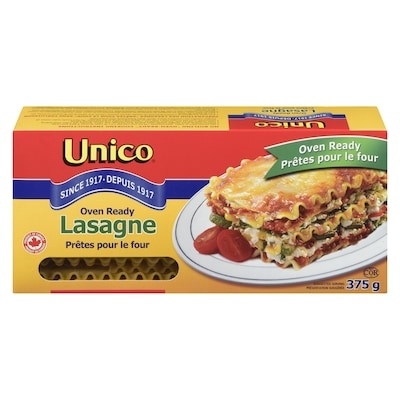
Oven ready lasagna noodles (sometimes called “no-boil” noodles) are made to go straight into your baking dish—no boiling water needed. These noodles are pre-cooked and then dehydrated. When layered with sauce, cheese, and other ingredients, they absorb moisture and soften during baking.
This convenience has made them a favorite for busy cooks. However, using oven ready noodles changes the baking process, including the time, temperature, and even the sauce quantity you need.
Typical Baking Time For Oven Ready Lasagna
For most recipes, the standard answer is to bake oven ready lasagna at 375°F (190°C) for 45 to 60 minutes. But the best time depends on several factors, including the size of your pan, the type of filling, and your oven’s accuracy.
Here’s a quick reference for common baking times:
| Pan Size | Temperature | Covered/Uncovered | Approx. Bake Time |
|---|---|---|---|
| 9×13 inch | 375°F (190°C) | Covered 30-40 min, Uncovered 10-15 min | 40-55 min total |
| 8×8 inch | 375°F (190°C) | Covered 25-35 min, Uncovered 10 min | 35-45 min total |
| Deep Dish (3+ layers) | 375°F (190°C) | Covered 40-50 min, Uncovered 10-15 min | 50-65 min total |
Key Insight: Oven ready noodles need enough sauce to soften properly. If your lasagna looks dry, add a little extra sauce before baking.
Credit: efbs.edu.es
Factors That Affect Baking Time
Not all lasagnas are equal. The right baking time depends on:
1. Number Of Layers
More layers mean a longer baking time. A traditional lasagna has three layers, but some recipes use four or more. Each layer adds thickness, which slows down cooking.
2. Type Of Filling
- Meat sauces (ground beef, sausage) hold heat and may bake slightly faster than vegetable-only lasagna.
- Vegetable lasagna with watery vegetables (like zucchini) might need extra time for moisture to evaporate.
- Cheese-heavy lasagna can brown faster, so you may want to cover it with foil for most of the baking time.
3. Pan Material And Depth
Glass and ceramic pans retain heat longer but may take a little more time to get hot. Metal pans heat quickly but may cook the edges faster. Deeper pans need more time than shallow ones.
4. Starting Temperature
If you assemble lasagna ahead and refrigerate, it will take at least 10-20 minutes longer to bake than one at room temperature.
How To Layer Oven Ready Lasagna For Best Results
Even though oven ready noodles are made for convenience, the way you layer your ingredients affects both baking time and texture.
- Start with Sauce: Always put a generous layer of sauce on the bottom of your pan. This prevents sticking and helps soften the first noodle layer.
- Alternate Layers: Add noodles, sauce, cheese, and any other fillings. Press down gently after each layer to remove air pockets.
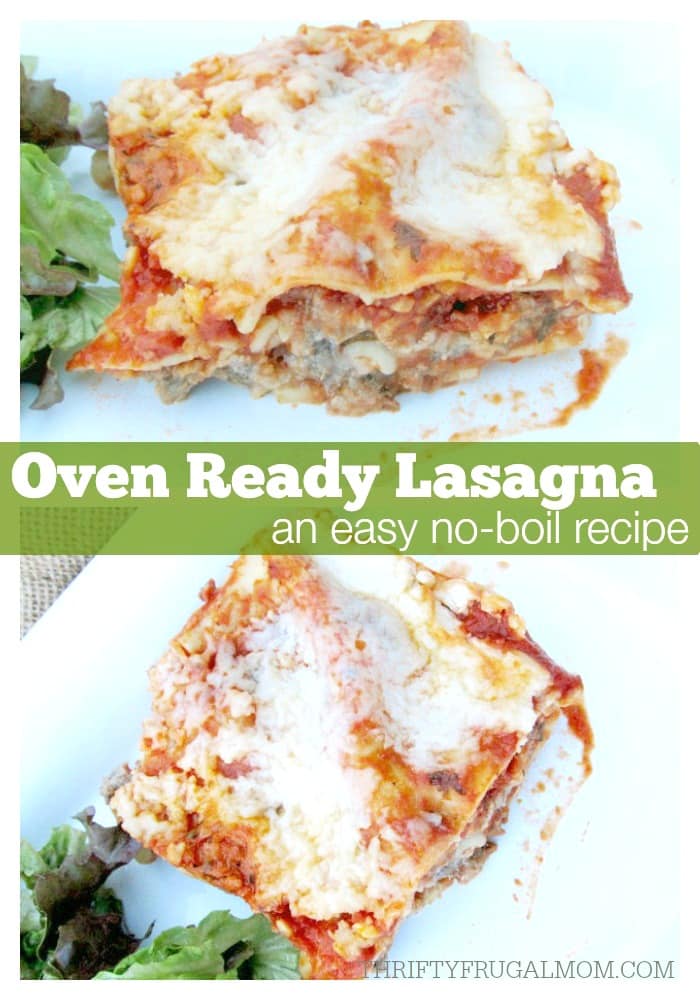
- End with Sauce and Cheese: The top layer should always have sauce and a good sprinkle of cheese. This helps noodles cook evenly and gives a golden finish.
- Don’t Overfill: Stay about half an inch below the pan’s rim. Lasagna expands as it bakes, and too much filling can overflow.
Pro Tip: Oven ready noodles soak up more liquid than regular noodles. If your sauce is thick, thin it with a bit of water or broth before assembling.
Covered Vs. Uncovered: Which Is Better?
Covering lasagna with foil for most of the baking time is key. This traps steam and keeps the noodles moist. For the last 10-15 minutes, remove the foil to brown the cheese.
- Covered: Prevents dryness, helps cook noodles evenly.
- Uncovered: Gives a crispy top and browned cheese.
Be careful not to let the foil touch the cheese, or it might stick. A little trick is to tent the foil so it sits above the surface.
Signs Your Oven Ready Lasagna Is Done
The best way to know if your lasagna is finished is to look for these signs:
- Bubbling edges: Sauce should bubble around the pan.
- Golden top: Cheese should be melted and golden brown.
- Noodles tender: Insert a knife in the center—if it slides through easily, the noodles are cooked.
- Internal temperature: For food safety, the center should reach at least 165°F (74°C).
Let it rest for 10-15 minutes before slicing. This helps the layers set and makes serving easier.
Common Mistakes And How To Avoid Them
Many cooks run into problems with oven ready lasagna. Here’s how to avoid the most common ones:
- Dry lasagna: Caused by not enough sauce or overbaking. Solution: Use extra sauce and cover with foil.
- Crunchy noodles: Usually from too little liquid. Add more sauce, and let the lasagna rest after baking to finish softening.
- Soggy layers: Too much liquid from watery vegetables or sauce. Drain vegetables before adding, and don’t overdo the sauce.
- Burnt cheese: Cover with foil until the last 10-15 minutes.
- Uneven cooking: Rotate the pan halfway through baking if your oven has hot spots.
Extra Insight: Some brands of oven ready noodles are thinner than others. If you use a new brand, check the package for specific instructions or reduce your baking time by 5-10 minutes the first time.
Adjusting For Different Ovens
Every oven is a little different. Some run hot, others cooler. Invest in an oven thermometer to check your real temperature. If your lasagna usually burns on top before it’s done inside, try lowering the rack or reducing the heat by 25°F.
Convection ovens bake faster—reduce the temperature by 25°F and start checking doneness 10 minutes early.
Credit: www.thriftyfrugalmom.com
Quick Comparison: Oven Ready Vs. Regular Lasagna Noodles
For cooks curious about the differences, here’s a side-by-side look:
| Feature | Oven Ready Noodles | Regular Noodles |
|---|---|---|
| Prep Needed | No boiling | Boil before baking |
| Required Sauce Amount | More (to hydrate noodles) | Less |
| Baking Time | 45–60 min | 35–45 min |
| Texture | Slightly firmer if underbaked | Soft, more forgiving |
| Convenience | High | Medium |
Sample Recipe: Classic Oven Ready Lasagna
Let’s put the tips together in a simple, proven recipe.
Ingredients (Serves 8):
- 1 box (about 9 oz) oven ready lasagna noodles
- 4 cups marinara sauce (store-bought or homemade)
- 1 lb ground beef or Italian sausage, cooked and drained
- 2 cups shredded mozzarella cheese
- 1 ½ cups ricotta cheese
- ½ cup grated Parmesan cheese
- 1 egg
- 2 tablespoons chopped parsley (optional)
- ½ teaspoon salt
- ¼ teaspoon black pepper
Steps:
- Preheat oven to 375°F (190°C).
- In a bowl, mix ricotta, egg, parsley, salt, and pepper.
- Spread 1 cup sauce on the bottom of a 9×13-inch baking dish.
- Layer: Noodles (overlap slightly), half the ricotta mixture, half the meat, 1 cup sauce, 2/3 cup mozzarella. Repeat layers.
- Top with noodles, remaining sauce, remaining mozzarella, and all Parmesan.
- Cover with foil (tent it to avoid cheese sticking).
- Bake 40 minutes, remove foil, and bake another 15 minutes until bubbly and golden.
- Let rest 15 minutes before slicing.
Cooking Tip: If you like crispier edges, leave the lasagna uncovered for the last 15–20 minutes.
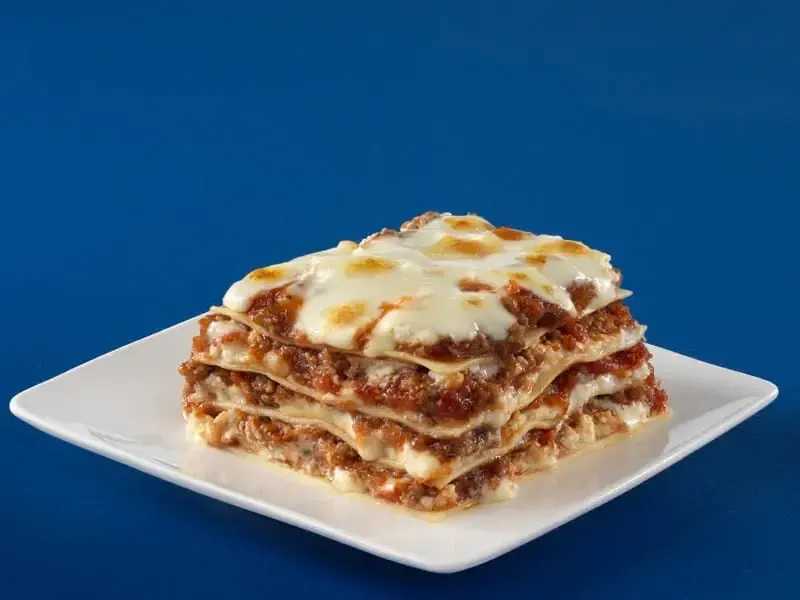
Credit: www.linkopinghealthcare.se
Tips For Freezing And Reheating
Lasagna is a great make-ahead meal. Here’s how to handle leftovers or prepare in advance:
- To freeze unbaked: Assemble, cover tightly, and freeze up to 2 months. Bake from frozen at 350°F for 75–90 minutes, or thaw overnight and bake as usual.
- To freeze baked: Cool completely, cut into portions, and wrap well. Reheat individual pieces at 350°F for 20–30 minutes.
- Reheating tip: Add a spoonful of water or sauce before reheating to keep noodles moist.
Time-saving Shortcuts
- Use store-bought sauce and pre-shredded cheese.
- Prepare fillings ahead and assemble quickly.
- Try a disposable foil pan for easy cleanup.
When To Use A Meat Thermometer
Lasagna with meat should reach at least 165°F in the center for safety. A digital probe thermometer makes this easy. For vegetarian lasagna, the bubbling sauce and tender noodles are your best cues.
Extra Insight: The “resting” time after baking lets the temperature rise another 5–10 degrees and helps slices hold their shape.
Nutrition And Serving Sizes
A typical serving of oven ready lasagna (about 1/8 of a 9×13 pan) has:
| Nutrient | Per Serving |
|---|---|
| Calories | 350–450 kcal |
| Protein | 18–22 g |
| Carbohydrates | 32–40 g |
| Fat | 18–25 g |
| Sodium | 700–950 mg |
Nutrition can vary depending on the ingredients and sauce used.
Frequently Asked Questions
How Do I Prevent Oven Ready Lasagna Noodles From Being Hard?
Make sure your lasagna has enough liquid. Oven ready noodles need plenty of sauce to hydrate during baking. If the sauce is thick, add a bit of water or broth. Always cover the dish with foil for the first part of baking.
Can I Bake Oven Ready Lasagna At A Lower Temperature?
Yes, you can bake at 350°F (175°C). Add 10–15 minutes to the total baking time. Check for bubbling sauce and tender noodles as your main signs of doneness.
Should I Soak Oven Ready Noodles Before Using?
No, soaking is not necessary. These noodles are designed to soften in the oven. However, if you prefer a softer texture, you can dip them in hot water for 1–2 minutes, but this step is optional.
Can I Assemble Lasagna The Night Before And Bake Later?
Absolutely. Store the assembled lasagna in the fridge. Add 10–20 minutes to the baking time since it will start cold. Cover with foil and check for bubbling edges and a hot center.
What If My Oven Ready Lasagna Is Still Hard After Baking?
This usually means there wasn’t enough sauce or the baking time was too short. Cover the dish and return it to the oven for another 10–15 minutes. Next time, use more sauce or thin your sauce with water.
For more details about pasta cooking and safe temperatures, you can visit the USDA Safe Minimum Internal Temperature Chart.
Lasagna can seem tricky, but with the right timing and a few smart tips, oven ready noodles make it easy and delicious. Serve your masterpiece with a simple salad or garlic bread and enjoy a classic, crowd-pleasing meal.