Cooking ribs in a pressure cooker is one of the fastest ways to get tender, flavorful meat without hours of slow roasting. For many home cooks, using a pressure cooker can be a little intimidating—especially when you want perfect ribs that fall off the bone but don’t turn to mush. Understanding the right cooking times, best practices, and common mistakes can help you enjoy delicious ribs with less effort and less guesswork.
Let’s explore how long to cook ribs in a pressure cooker, the factors that affect timing, practical tips for the best results, and answers to the most common questions.
Why Use A Pressure Cooker For Ribs?
Traditional methods like oven baking or slow-cooking can take anywhere from 2 to 4 hours. A pressure cooker shortens this time dramatically, often to less than an hour. This works because pressure cookers trap steam, which raises the internal temperature and cooks food faster while keeping it moist.
Pressure cooking is especially helpful for ribs because:
- It breaks down tough connective tissues quickly.
- It locks in flavor, so marinades and spices penetrate deeper.
- It’s more energy-efficient than using an oven for hours.
Types Of Ribs And Their Impact On Cooking Time
Not all ribs are created equal. The type of rib you use can affect both the cooking time and the final texture. Here’s a comparison of the most common rib types:
| Type of Rib | Description | Average Thickness | Typical Pressure Cook Time |
|---|---|---|---|
| Pork Baby Back Ribs | Short, curved, lean | 1–1.5 inches | 20–25 minutes |
| Pork Spare Ribs | Larger, flatter, more fat | 1.5–2.5 inches | 28–35 minutes |
| Beef Short Ribs | Thick, meaty, rich flavor | 2–3 inches | 35–45 minutes |
Non-obvious insight: Many beginners don’t realize that meat thickness and fat content affect how quickly the meat becomes tender. Thicker ribs need more time under pressure.
Key Factors That Affect Cooking Time
Cooking time for ribs in a pressure cooker isn’t just about the cut. Here are the main factors you should consider:
- Rib Type and Size: As shown in the table above, baby back ribs cook faster than spare ribs or beef short ribs.
- Pressure Level: Most recipes use high pressure (about 11–13 psi), which cooks ribs faster. If your cooker has multiple settings, always check your manual.
- Amount of Meat: Cooking a single rack versus stacking two or three can change the needed time. For more ribs, you might need to add a few minutes.
- Bone Content: Ribs with more bone (like beef short ribs) may require longer cooking to soften the connective tissue.
- Desired Texture: If you want “fall-off-the-bone” ribs, add 2–3 minutes to the lower end of cooking times.
Quick tip: Ribs cooked too long can become mushy. If you prefer a bit of chew, use the shorter suggested time.
How Long To Cook Ribs In A Pressure Cooker (by Type)
Here’s a practical guide for the most common types of ribs:
Pork Baby Back Ribs
- Recommended cook time: 20–25 minutes at high pressure.
- Quick release for chewier ribs, or natural release (let the pressure drop naturally for 10 minutes) for extra-tender ribs.
Pork Spare Ribs
- Recommended cook time: 28–35 minutes at high pressure.
- Natural release is best for these, as the meat is thicker and fattier.
Beef Short Ribs
- Recommended cook time: 35–45 minutes at high pressure.
- Always use natural release to let the fat render and the meat stay moist.
St. Louis Style Ribs
- These are trimmed spare ribs.
- Recommended cook time: 25–30 minutes at high pressure.
- Natural release for best texture.
Frozen Ribs
- Add 5–10 minutes to the normal time if cooking from frozen.
- Do not stack ribs too tightly, or the pressure cooker may not work evenly.
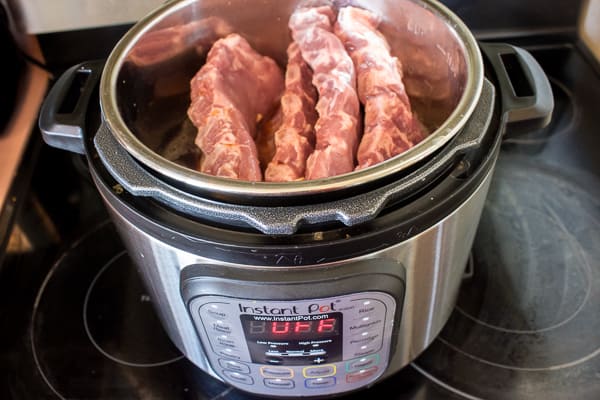
Credit: www.theblackpeppercorn.com
Step-by-step: Cooking Ribs In A Pressure Cooker
Follow these steps for reliable results:
- Prep the Ribs
- Remove the thin silver skin membrane on the back. This helps seasoning and makes the ribs more tender.
- Pat ribs dry and season with your favorite dry rub or marinade.
- Add Liquid
- Always add at least 1 cup of liquid to generate steam. Good choices: Water, broth, apple juice, or a mix.
- Place a trivet or rack in the pressure cooker to keep ribs above the liquid.
- Arrange the Ribs
- Cut the rack into 2–3 pieces to fit if necessary.
- Stand ribs on their side, or loosely coil them. Don’t pack tightly.
- Set Pressure and Time
- Secure the lid, set to high pressure, and use the cooking times from the section above.
- Release Pressure
- For baby back ribs, use quick release for firmer texture, or natural release for softer.
- For spare and beef ribs, always use natural release.
- Finish for Flavor
- For sticky, caramelized ribs, brush with BBQ sauce and broil or grill for 3–5 minutes after pressure cooking.
Pro tip: If you want smoky flavor, add 1/2 teaspoon of liquid smoke to your cooking liquid.
Example Recipe: Pressure Cooker Pork Baby Back Ribs
Here’s a simple recipe to get you started.
Ingredients
- 1 rack baby back ribs (about 2–2.5 lbs)
- 2 tablespoons dry rub (store-bought or homemade)
- 1 cup apple juice or chicken broth
- 1 tablespoon apple cider vinegar
- 1/2 cup BBQ sauce
Instructions
- Remove membrane from back of ribs.
- Cut rack in half to fit in cooker.
- Rub dry seasoning evenly over the ribs.
- Pour apple juice and vinegar into the pressure cooker. Place trivet inside.
- Arrange ribs on trivet, standing upright or coiled.
- Seal lid and cook on high pressure for 23 minutes.
- Let pressure release naturally for 10 minutes, then quick release any remaining pressure.
- Carefully remove ribs. Brush with BBQ sauce.
- Broil in oven for 3–4 minutes until sauce is caramelized.
Serving size: 2–3 people.
Cooking time: About 35–40 minutes total.
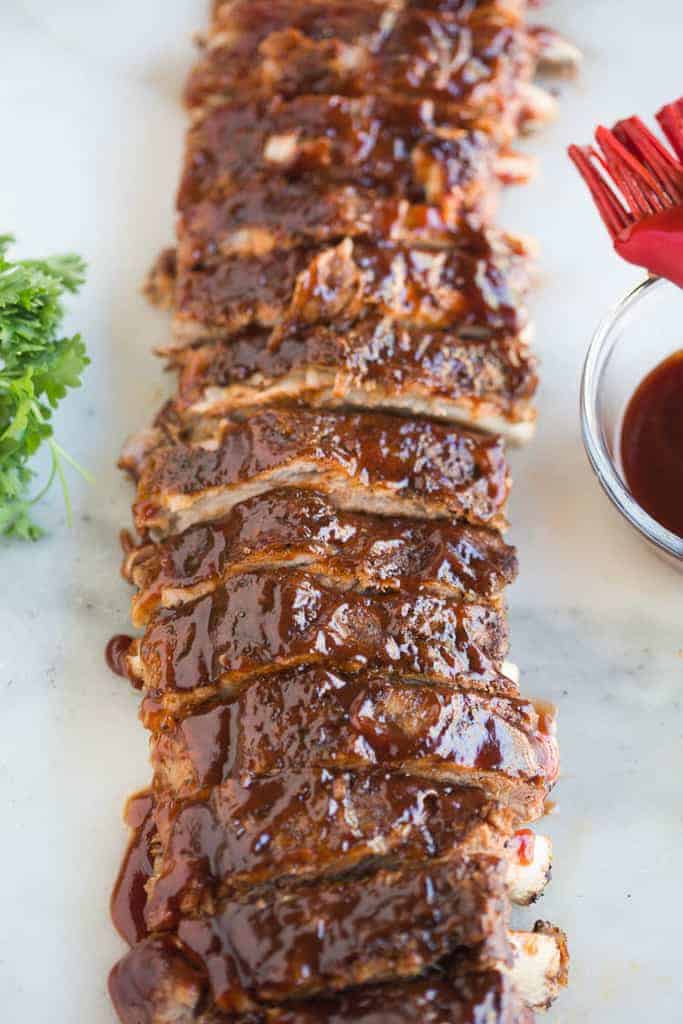
Credit: tastesbetterfromscratch.com
Common Mistakes When Cooking Ribs In A Pressure Cooker
Even experienced cooks make mistakes with pressure cooker ribs. Here are some to avoid:
- Skipping the Membrane Removal: This thin layer can block flavors and make ribs chewy.
- Not Enough Liquid: Your pressure cooker needs steam to build pressure. Too little liquid means it won’t work.
- Overcrowding: Ribs need space for steam to circulate. Packing them tightly leads to uneven cooking.
- Overcooking: Adding too much time makes ribs mushy and bland.
- No Finishing Step: Pressure cooking alone won’t give a crispy or sticky exterior. Always finish under a broiler or grill.
Non-obvious insight: Some people add all the BBQ sauce before pressure cooking, but sugars can burn and create a bitter taste. Always add sauce after cooking.
Practical Tips For Perfect Pressure Cooker Ribs
- Use a trivet or rack: This keeps ribs out of the cooking liquid and prevents boiling.
- Stack ribs loosely: If cooking more than one rack, stagger or coil them for even steam exposure.
- Experiment with liquids: Apple juice, beer, or broth can add subtle flavors.
- Adjust for your cooker: Some electric models (like Instant Pot) cook a bit slower than stovetop models. Add 2–3 minutes if your ribs seem underdone.
- Rest before serving: Let ribs rest for 5–10 minutes after cooking to let juices redistribute.
Pressure Cooking Ribs Vs. Other Methods
How Does Pressure Cooking Compare With Other Popular Rib-cooking Techniques?
| Method | Cook Time | Texture | Flavor Depth | Effort |
|---|---|---|---|---|
| Pressure Cooker | 20–45 min | Very tender, moist | Good, needs post-cooking finish | Low |
| Oven Baking | 2–3 hrs | Tender, slightly drier | Deep, slow flavor | Medium |
| Slow Cooker | 5–7 hrs | Very tender, may fall apart | Good, not smoky | Very low |
| Grilling | 1.5–2 hrs | Chewy or tender (depends on technique) | Smokiest | High |
Observation: Pressure cooking is best for speed and tenderness, but you’ll get the best flavor if you finish ribs under a broiler or on a grill.
Adjusting For Altitude And Special Diets
High Altitude Cooking
At higher elevations, water boils at a lower temperature, which can affect pressure cooking. Add 5% more time for every 1,000 feet above 2,000 feet altitude. For example, if you’re in Denver (about 5,000 feet), add about 15% to your cook time.
Special Diets
- Low-sodium: Use unsalted broth and low-sodium rubs.
- Gluten-free: Most dry rubs and BBQ sauces are naturally gluten-free, but always check labels.
- Keto/Low-carb: Skip sugary sauces. Use spices, vinegar, and herbs for flavor.
Troubleshooting: When Ribs Don’t Turn Out Right
- Ribs are tough: Increase cook time by 3–5 minutes next time.
- Ribs are mushy: Decrease cook time, and always use a trivet to keep them above the liquid.
- Unevenly cooked: Rearrange ribs for better steam circulation, or cook in two batches if needed.
Pro tip: Let ribs rest after cooking. This helps the juices settle and improves texture.
Frequently Asked Questions
How Do I Know When Ribs Are Done In A Pressure Cooker?
Ribs are done when the meat is tender and pulls away from the bone easily. You can use a fork to test: if it slides in easily, they’re ready. The internal temperature should be at least 190°F for pork ribs.
Can I Cook Frozen Ribs Directly In A Pressure Cooker?
Yes, but you must add 5–10 minutes to the normal cook time. Make sure to separate ribs so steam can circulate, and never fill your cooker above the max line.
Is It Safe To Stack Ribs In A Pressure Cooker?
Stacking is safe as long as steam can move around the meat. Coil or stagger the racks, and avoid packing tightly. This helps ensure even cooking.
What Is The Best Liquid To Use In The Pressure Cooker For Ribs?
You can use water, broth, apple juice, or beer. Each adds its own subtle flavor. Avoid thick sauces (like BBQ) during cooking, as they can burn.
Can I Use A Stovetop Pressure Cooker For Ribs?
Absolutely. Stovetop cookers often reach higher pressure and cook a little faster. Start with the same cooking times, but check doneness a few minutes early.
For more details on pressure cooking times and safety, you can visit the official Instant Pot Recipe site.
Enjoy making tender, flavorful ribs in less time with your pressure cooker. With a little practice and these tips, you’ll discover just how easy and reliable this method can be—making weeknight ribs a realistic treat.
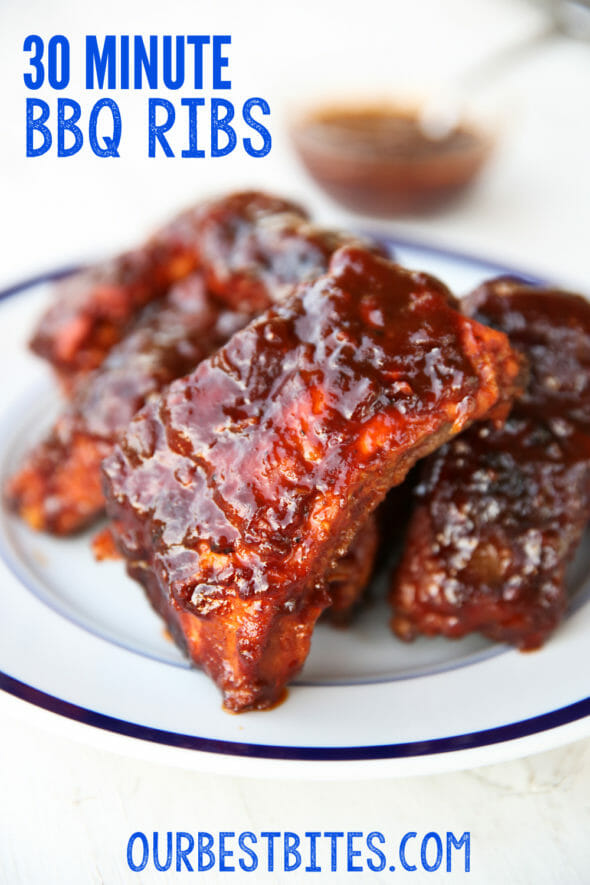
Credit: ourbestbites.com