Cooking a pork butt in a pressure cooker can turn a tough cut into a juicy, tender meal faster than traditional methods. But how long should you pressure cook pork butt for best results? This question matters for anyone wanting flavorful pulled pork, stew, or roast without hours in the oven or slow cooker.
In this article, you’ll learn exactly how timing affects pork butt in the pressure cooker, how to choose the right cooking time for your recipe, and what else you need to know for perfect results. If you’re new to pressure cooking or just want to avoid tough, dry pork, you’re in the right place.
What Is Pork Butt?
Pork butt (also called Boston butt) comes from the upper shoulder of the pig, not the rear. It’s a thick, marbled cut with plenty of fat and connective tissue. This makes it ideal for slow cooking methods that break down fibers and release flavor.
Pork butt is popular for:
- Pulled pork
- Carnitas
- Roasts
- Stews
Because it’s a tough cut, pressure cooking can save time and still produce tender meat.
Why Use A Pressure Cooker For Pork Butt?
Pressure cookers use steam and heat to cook food quickly. The pressure increases the boiling point of water, which speeds up the cooking process and helps break down tough muscle fibers. For pork butt, this means:
- Faster cooking: What takes 6-8 hours in a slow cooker can be done in 60-90 minutes.
- Juicier meat: The sealed environment keeps moisture locked in.
- Consistent results: Pressure cooking minimizes the risk of dry or stringy pork.
Unlike oven roasting, you don’t need to monitor the pork for hours. Set the timer and let the pressure cooker work.
How Long To Pressure Cook Pork Butt?
The ideal pressure cooking time depends on several factors:
- The size and weight of the pork butt
- Whether it’s bone-in or boneless
- Your desired texture (shreddable, sliceable, or stew-ready)
Standard Timing Guidelines
For most recipes, the typical pressure cooking times are:
| Pork Butt Size | Pressure Cooking Time (High Pressure) | Resting Time (Natural Release) |
|---|---|---|
| 2-3 lbs (boneless) | 60-70 minutes | 15-20 minutes |
| 4-6 lbs (boneless) | 80-90 minutes | 20-25 minutes |
| Bone-in (any size) | Add 10 extra minutes | 20-25 minutes |
Tip: If your pork butt is frozen, add 15-20 minutes to the total time.
Shreddable Vs. Sliceable Texture
If you want shreddable pulled pork, use the longer end of the cooking times (e.g., 90 minutes for a 4-6 lb piece). For sliceable pork that holds its shape, use the shorter times (e.g., 60 minutes for 2-3 lbs).
Example: Cooking A 4 Lb Boneless Pork Butt
- Place pork butt in the pressure cooker.
- Add 1 cup of broth or water.
- Set to high pressure for 80 minutes.
- Allow natural release for 20 minutes.
- Check tenderness: If not shreddable, cook for 10-15 minutes more.
Most home cooks report that 80-90 minutes at high pressure gives the best texture for pulled pork.
Factors That Affect Cooking Time
Cooking pork butt isn’t just about size and weight. Other factors can change the time you need.
Thickness And Shape
A thick, compact pork butt cooks slower than a flatter piece of the same weight. If possible, cut the pork into 2-3 chunks before cooking to reduce time and improve tenderness.
Bone-in Vs. Boneless
Bone-in pork butt needs more time because the bone slows heat transfer. Boneless cooks faster and is easier to shred.
Fresh Vs. Frozen
Frozen pork butt cooks slower. You don’t need to thaw it, but add 15-20 minutes to the normal time. If you’re in a hurry, cut frozen pork into smaller chunks.
Pressure Cooker Model
Different pressure cookers have different wattage and pressure levels:
- Instant Pot: Most recipes use high pressure (10.2–11.6 psi)
- Stovetop pressure cookers: Often reach higher pressure (12–15 psi), so reduce cooking time by 10%.
Always check your cooker’s manual for specific guidance.
Step-by-step Guide: Pressure Cooking Pork Butt
Here’s how to pressure cook pork butt for best results:
- Trim excess fat from the pork butt (optional).
- Season the meat with salt, pepper, spices, or marinade.
- Add liquid: 1–1.5 cups of broth, water, or sauce.
- Place pork in the pressure cooker. If possible, cut into chunks.
- Set pressure: High pressure.
- Cooking time: 60–90 minutes (see table above).
- Natural release: Let pressure drop naturally for 15–25 minutes.
- Check tenderness: Use a fork to test. If not tender, cook longer.
- Rest: Let the meat sit for a few minutes before shredding or slicing.
Practical Cooking Tips
- Don’t overfill the pressure cooker. Leave space for steam and expansion.
- Use the natural release method for best texture.
- If meat isn’t tender after cooking, return to pressure for 10–15 minutes.
- Always check internal temperature. Pork should reach at least 190°F for shreddable texture.
Comparison: Pressure Cooker Vs. Other Methods
How does pressure cooking pork butt compare to slow cooking or roasting? Here’s a quick look:
| Cooking Method | Typical Time | Texture | Ease |
|---|---|---|---|
| Pressure Cooker | 60–90 min | Juicy, tender, shreddable | Hands-off, fast |
| Slow Cooker | 6–8 hrs | Very tender, shreddable | Easy, but slow |
| Oven Roasting | 3–4 hrs | Crispy outside, juicy inside | Needs monitoring |
Pressure cooking is best when you need a meal quickly. Slow cooking gives deep flavor, but takes much longer.
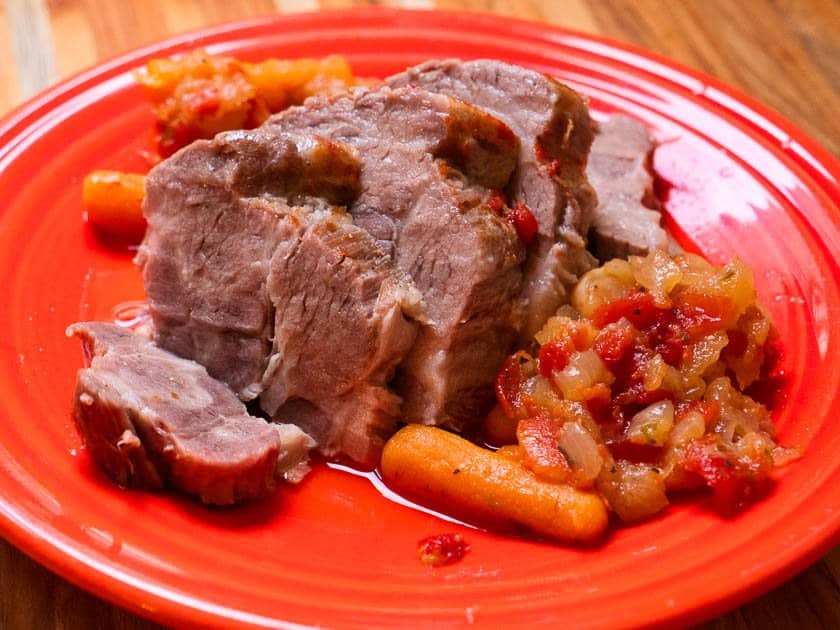
Credit: www.dadcooksdinner.com
Common Mistakes When Pressure Cooking Pork Butt
Many beginners make mistakes that affect the final result. Here are some to avoid:
- Not adding enough liquid: Pressure cookers need steam to work. Always use at least 1 cup of liquid.
- Releasing pressure too soon: Quick release can dry out the meat. Use natural release for tenderness.
- Overfilling the cooker: Pork butt expands as it cooks. Don’t fill more than two-thirds full.
- Skipping the resting time: Resting allows juices to redistribute, improving flavor.
- Using low pressure: Always cook pork butt at high pressure for proper breakdown.
Non-obvious insight: Even if your pork butt looks done, it may need extra time for connective tissues to fully break down. Cooking until the meat reaches 190°F ensures it’s ready for shredding.
How To Choose The Right Cooking Time For Your Recipe
Not every pork butt recipe is the same. Think about these points:
- Pulled pork: Cook longer (80–90 minutes) for easy shredding.
- Roast-style pork: Cook less (60–70 minutes) for sliceable texture.
- Stews and soups: Cut pork into smaller pieces. Cook for 45–60 minutes.
- Carnitas: Pressure cook, then crisp in the oven or skillet.
Example Recipes
- Pulled Pork Sandwiches: Season pork butt, cook 90 minutes, natural release, shred, mix with barbecue sauce.
- Pork Stew: Cut pork into chunks, cook 50 minutes, add vegetables after pressure cooking.
Beginner tip: If you’re unsure, start with the shorter time. You can always cook longer, but you can’t undo overcooking.

Credit: www.pressurecookrecipes.com
How To Tell If Pork Butt Is Done
The best way to check is with a fork and a thermometer.
- Shreddable: Fork easily pulls meat apart.
- Sliceable: Meat holds shape but is tender.
- Internal temperature: Should be at least 190°F for shreddable pork, 170°F for sliceable.
If your pork isn’t tender, return to the pressure cooker for 10–15 more minutes.
Serving Suggestions
Pressure-cooked pork butt can be used in many ways:
- Pulled pork sandwiches
- Tacos
- Carnitas
- Pork stew
- Roast pork with vegetables
Try serving with coleslaw, pickles, or your favorite barbecue sauce. Leftovers can be stored in the fridge for up to 4 days, or frozen for 3 months.
Nutrition Facts For Pressure-cooked Pork Butt
A typical 3 oz serving of cooked pork butt (without sauce) contains:
- Calories: 210–230
- Protein: 17g
- Fat: 15g
- Carbohydrates: 0g
The nutrition can change depending on added sauces and sides.
Useful Tools And Accessories
Having the right tools makes cooking easier:
- Instant-read thermometer: Check internal temperature quickly.
- Pressure cooker rack: Keeps meat off the bottom, improves heat circulation.
- Meat claws or forks: Shred meat easily.
- Fat separator: Removes excess fat from cooking liquid.
Non-obvious insight: Using a rack prevents sticking and helps meat cook evenly, especially for larger cuts.
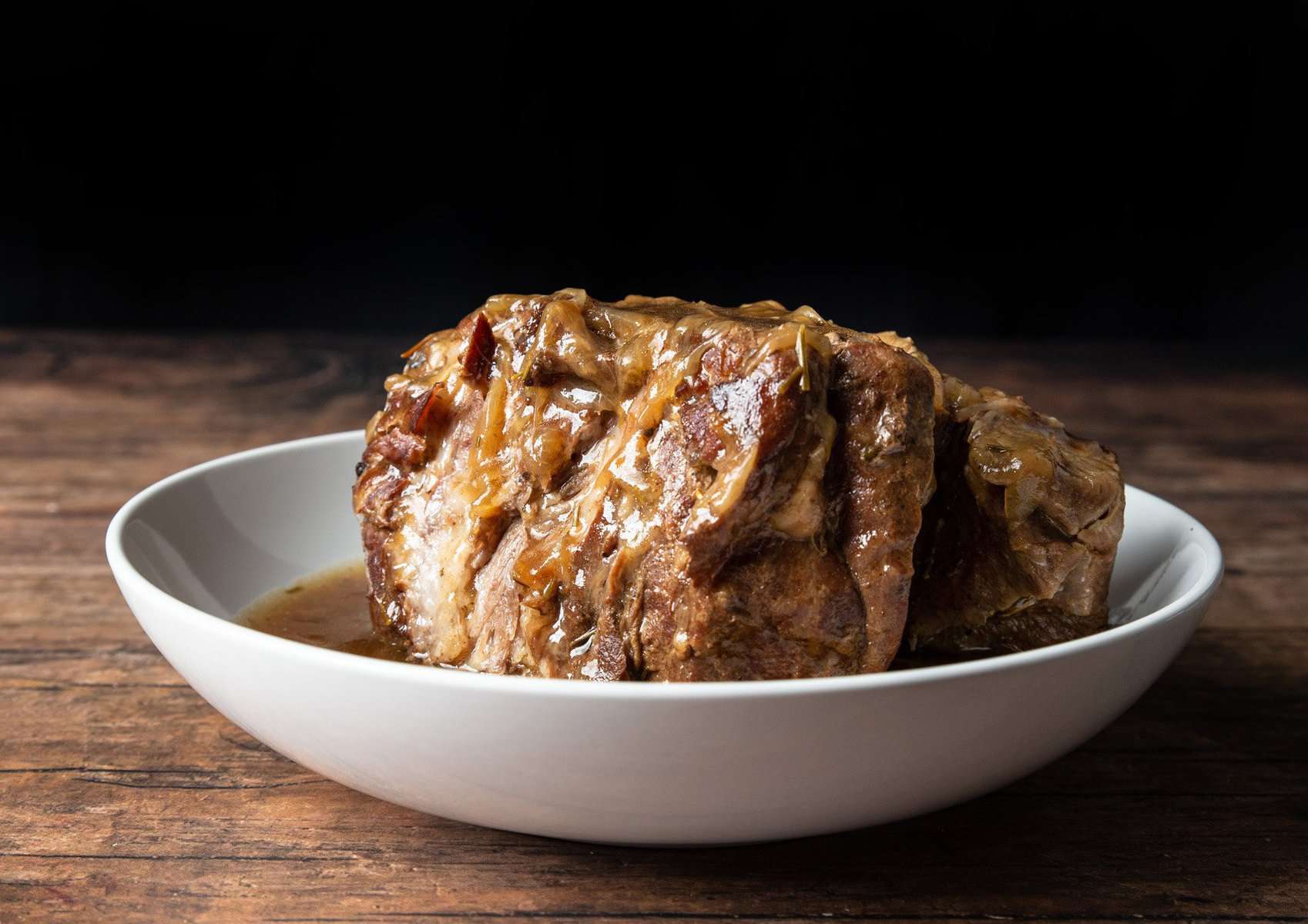
Credit: www.pressurecookrecipes.com
Frequently Asked Questions
How Much Liquid Do I Need For Pressure Cooking Pork Butt?
At least 1 cup of liquid (water, broth, or sauce) is needed for proper steam. For larger cuts, use 1.5 cups. This prevents burning and ensures even cooking.
Can I Pressure Cook Pork Butt From Frozen?
Yes, you can cook pork butt straight from frozen. Add 15–20 minutes to the normal cooking time. Make sure the pieces fit in the cooker and use enough liquid.
Should I Use Natural Release Or Quick Release?
Natural release is best for pork butt. It keeps the meat juicy and tender. Quick release can cause tough, dry pork and may result in splattering.
What Spices Work Best With Pork Butt?
Classic spices include salt, pepper, garlic powder, paprika, and cumin. For barbecue, add brown sugar and chili powder. For carnitas, use oregano and lime.
Where Can I Find More Detailed Pressure Cooking Tips?
You can find professional guidance and recipes at Instant Pot’s official recipe site.
Pressure cooking pork butt gives you tender, flavorful meat with less waiting. With the right timing and tips, you’ll enjoy perfect results every time. Whether you want pulled pork or a juicy roast, knowing how long to pressure cook pork butt makes all the difference.