You pull out your coffee maker, fill the water reservoir to the “12 cup” line, and brew a pot. Then you pour a mug and wonder: is that really a full cup of coffee? The question “how many ounces in a cup of coffee maker” has a frustrating answer, but it is actually simple once you know the catch.
It is not a trick. It is an industry standard. The Specialty Coffee Association (SCA) defines a standard coffee “cup” as 6 fluid ounces.
However, many US manufacturers, especially older brands like Mr. Coffee, built their machines around a 5 ounce cup. That means you could be getting 10 to 20 percent less coffee than you think.
Let us clear up this measurement mess for good.
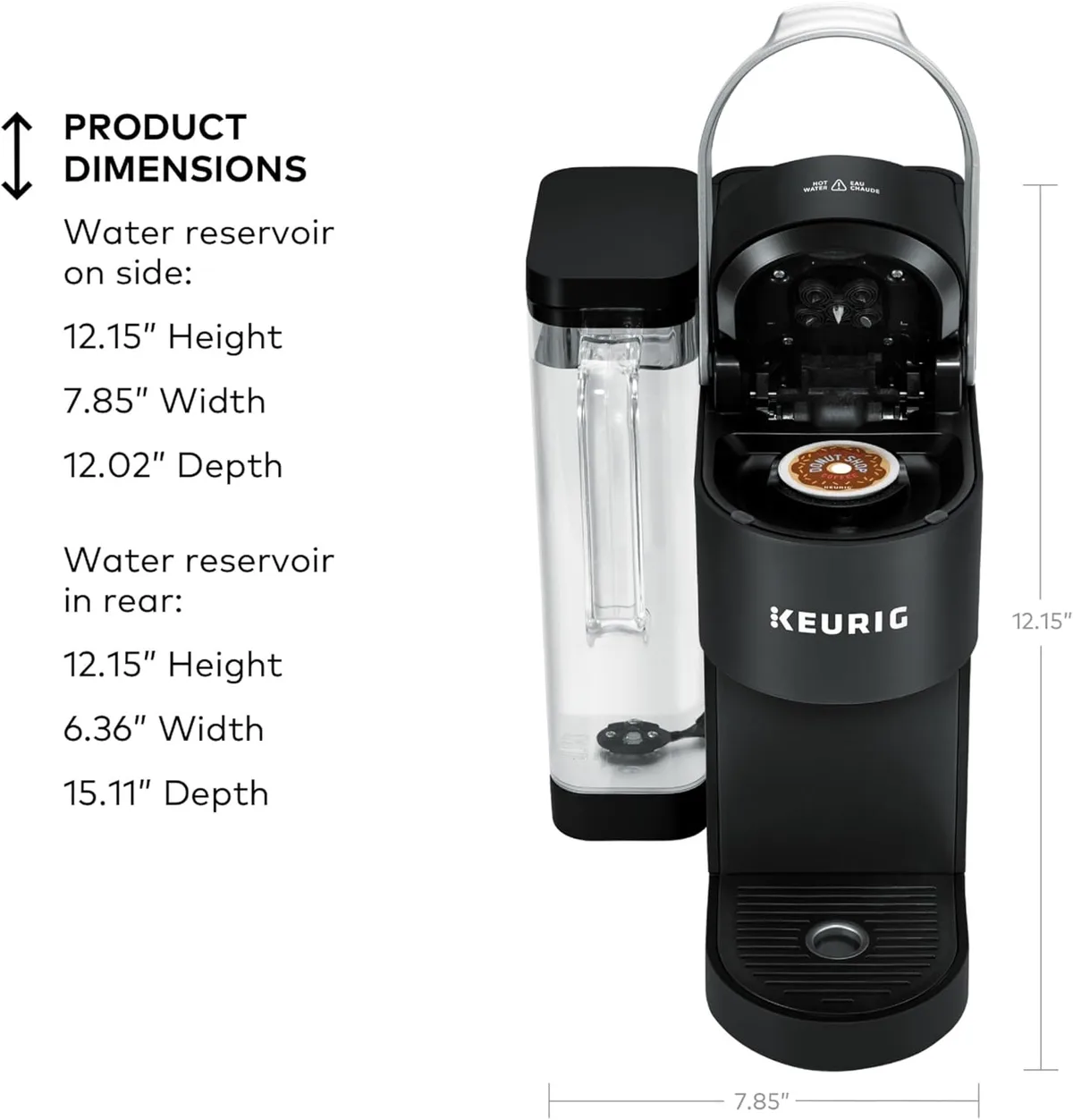
Image source: Web (Bing) / keurig-coffeemaker.com
Quick Answer
A cup on a standard drip coffee maker equals 5 to 6 fluid ounces. Most home machines use 5 ounces. The Specialty Coffee Association recommends 6 ounces.
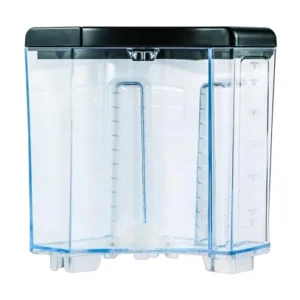
Standard US measuring cups hold 8 ounces. Always check your specific maker’s manual. Reservoir markings are the one reliable guide.
Why Coffee Makers Use a Different Cup Size Than You’d Expect
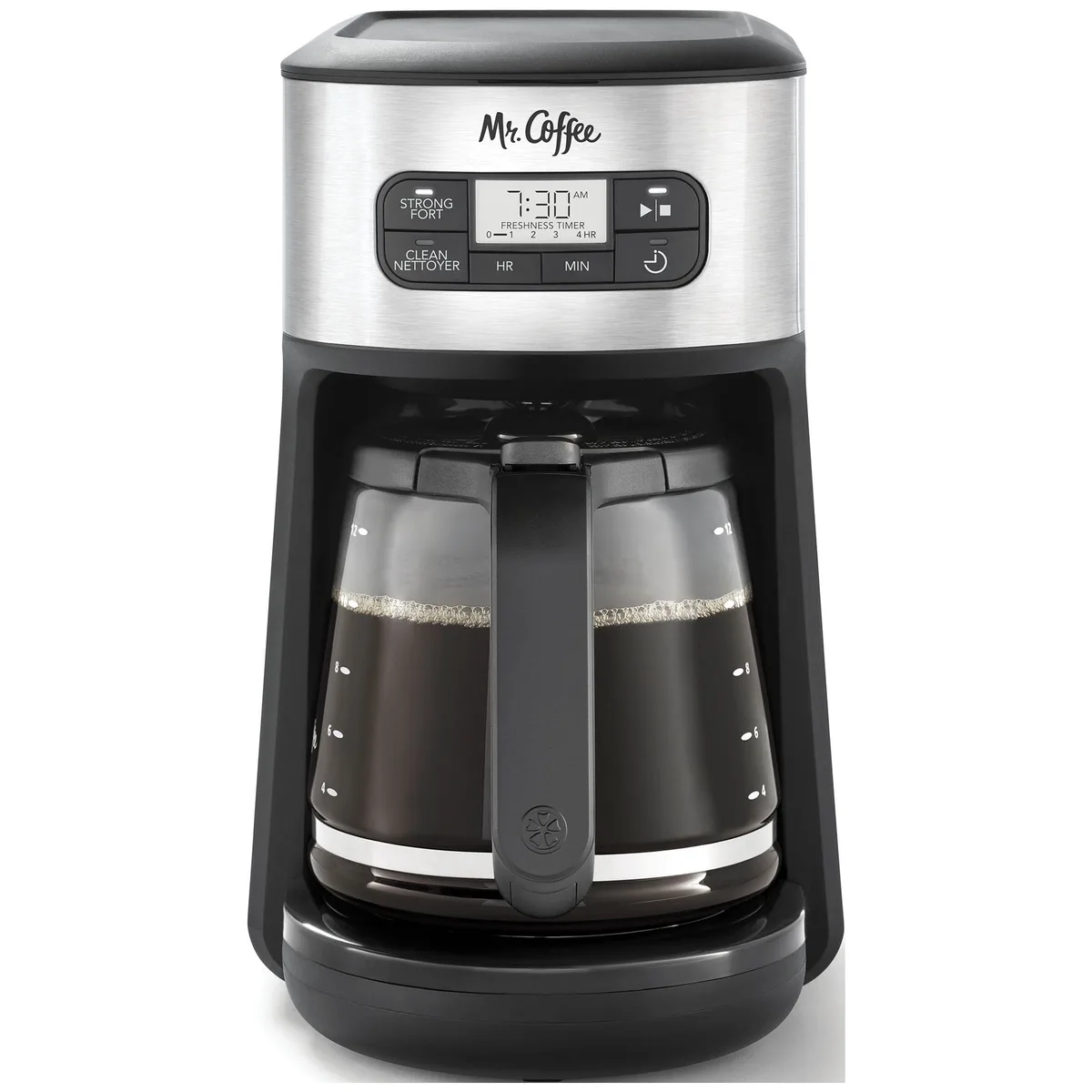
Image source: Web (Bing) / walmart.com
The short version: coffee makers do not use the same “cup” as your measuring cup because they were never designed to. The 8 ounce standard measuring cup comes from US cooking guidelines defined by the National Institute of Standards and Technology (NIST). Coffee makers follow their own history.
In the 1970s, Mr. Coffee popularized the automatic drip machine for home use. Their carafes and reservoirs used a 5 ounce “cup” as the base unit.
Other manufacturers quickly copied this. Why 5 ounces? It matched the typical smaller coffee mug of that era.
A standard cup of brewed coffee was considered a smaller serving than a full glass of water or milk.
Over time the Specialty Coffee Association pushed for a 6 ounce standard. This is what most specialty coffee shops use as a single serving. But the industry never fully standardized.
As of 2026, you still find machines from brands like Cuisinart, Hamilton Beach, and Black+Decker using 5 ounce markings. Some newer models use 6 or even 5.5 ounces.
This mismatch causes real confusion. If you follow a recipe that says “use one scoop per cup” and your machine uses 5 ounce cups but the recipe assumes 6, your coffee will be slightly stronger or weaker than intended. That is why knowing your specific machine matters.
The key takeaway is simple: the number on your reservoir is not a US measuring cup. It is a coffee industry serving size. Trust the reservoir.
Ignore your measuring cup when filling the tank.
How to Find Out Exactly What Your Machine’s “Cup” Equals
Image source: Bing
You can settle this in about two minutes with nothing but water and a measuring cup. Here is the test.
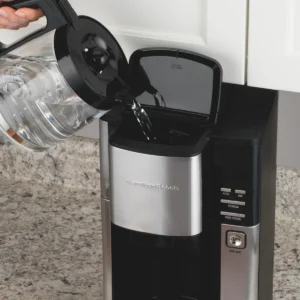
First, empty your carafe. Place it on a flat surface. Fill the water reservoir to the “1 cup” line using a standard liquid measuring cup.
Pour that water into the carafe. Note how many fluid ounces it actually holds.
If your reservoir “1 cup” line fills a carafe to 5 ounces on the carafe’s markings, you have a 5 ounce cup machine. If it hits 6 ounces, you have a 6 ounce cup machine. If it hits somewhere in between, you have an oddball.
Another method uses the carafe itself. Many carafes have ounce markings on the side. Fill to the “2 cup” line, then pour into a measuring cup.
Divide the total ounces by 2. That gives you ounces per machine cup.
Do this test once. Write the number on a piece of tape and stick it on the back of your machine. You will never guess again.
The same logic applies to single serve machines. A Keurig “small” cup is usually 6 ounces. A “medium” is 8.
A “large” is 10 or 12. These are not coffee maker cup sizes. They are user selectable options.
If your machine has no markings at all, check the manual. Manufacturer specifications usually list the carafe capacity. A “12 cup” carafe that holds 60 ounces means 5 ounces per cup.
A “12 cup” carafe that holds 72 ounces means 6 ounces per cup.
Once you know your number, you can scale any recipe confidently.
Coffee Maker Cup Sizes by Brand and Type
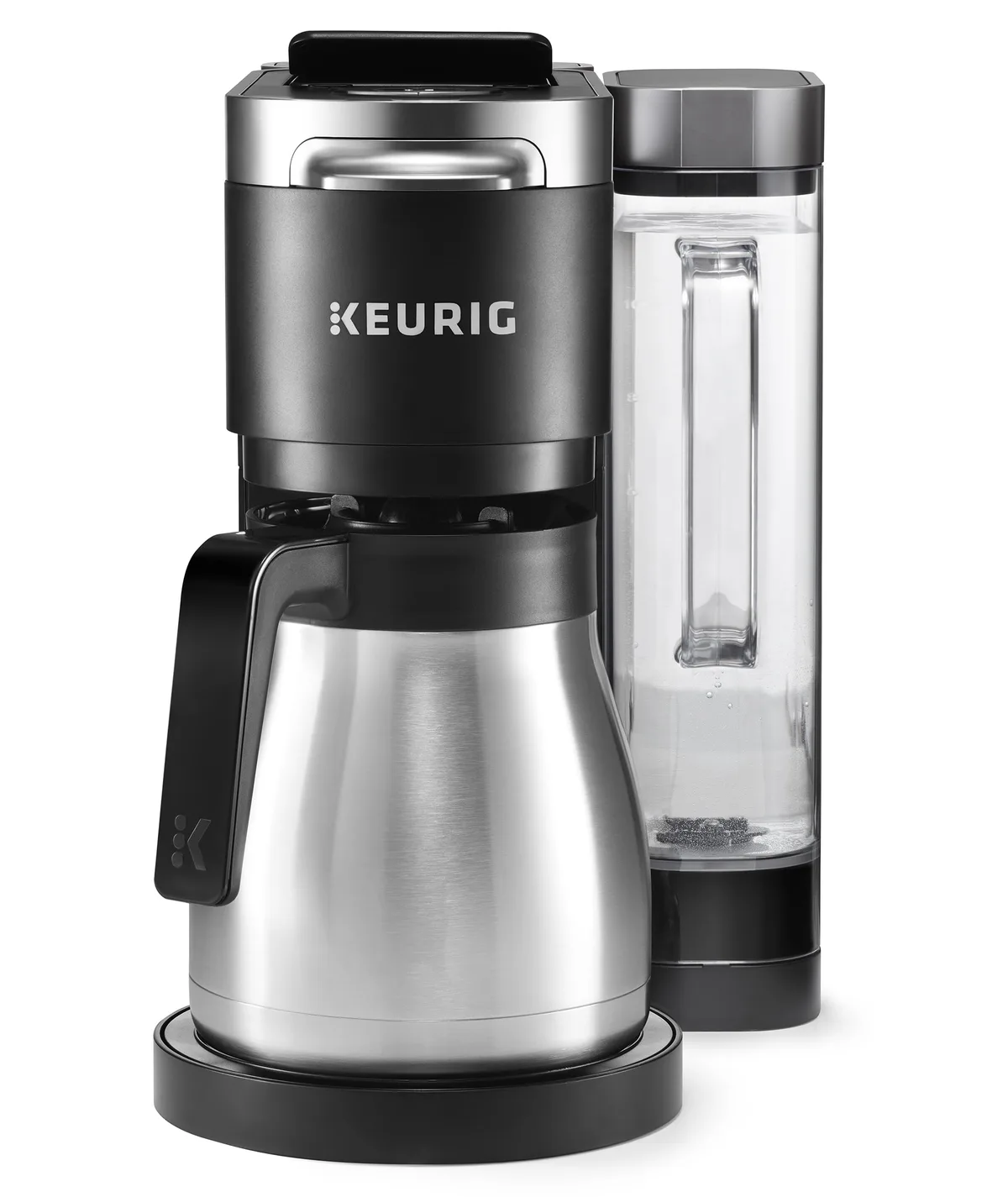
Image source: Web (Bing) / walmart.ca
Not all coffee makers are created equal. Here is a breakdown of what different brands and types actually mean by “cup”.
| Brand / Type | Machine “Cup” in Ounces | Notes |
|---|---|---|
| Mr. Coffee (classic drip) | 5 oz | Industry originator of 5 oz standard |
| Mr. Coffee (newer models) | 5 oz | Still uses 5 oz on most units |
| Cuisinart (drip) | 5 oz | Common for most DCC series |
| Cuisinart (Grind & Brew) | 5 oz | Same across the line |
| Hamilton Beach (drip) | 5 oz | Most models use 5 oz |
| Black+Decker (drip) | 5 oz | Consistent with older standard |
| Keurig (single serve) | 6–12 oz | User selectable, not fixed |
| Ninja (drip) | 6 oz | Specialty Coffee Association standard |
| Breville (drip) | 6 oz | Matches SCA guidelines |
| Bonavita (drip) | 6 oz | Specialty focused |
| Technivorm Moccamaster | 6 oz | Gold Cup standard certified |
| French press (generic) | 8 oz | Uses standard US measuring cup |
| Espresso machine | 1–2 oz | Single shot vs double shot |
| Moka pot | 2–3 oz | Very small “cups” |
The table tells a clear story. Drip machines from mass market brands lean toward 5 ounces. Specialty focused brands use 6 ounces.
Single serve machines let you pick. French presses and pour over setups use standard 8 ounce cups because they are not tied to a coffee maker reservoir.
If you own a Mr. Coffee or Cuisinart, assume 5 ounces until you confirm. If you own a Ninja, Breville, or Bonavita, expect 6 ounces.
If you own anything else, run the test.
For drip machines, the difference between 5 and 6 ounces matters most when you brew a full pot. A “12 cup” pot from a 5 ounce machine yields 60 ounces. The same pot from a 6 ounce machine yields 72 ounces.
That is a full cup difference in your mug.
How to Convert Coffee Cups to Ounces
Once you know your coffee maker’s cup size, converting measurements becomes easy. Use this quick reference:
| Coffee Maker Cup | Fluid Ounces | Milliliters | Grams of Water |
|---|---|---|---|
| 5 oz cup | 5 oz | 148 mL | 148 g |
| 6 oz cup | 6 oz | 177 mL | 177 g |
| Standard US cup | 8 oz | 237 mL | 237 g |
How to Convert a Recipe to Your Coffee Maker
If a recipe calls for 6 standard cups of water, it means 48 fluid ounces because a standard US cup contains 8 ounces.
If your coffee maker uses 5-ounce cups, 48 ounces equals about 9.6 coffee-maker cups.
If your machine uses 6-ounce cups, 48 ounces equals 8 coffee-maker cups.
This is why you should check whether a recipe uses standard 8-ounce cups or your coffee maker’s smaller cup measurement.
How Many Ounces Are in a 12-Cup Coffee Maker?
A 12-cup coffee maker does not usually make twelve 8-ounce cups of coffee.
If your machine uses 5-ounce cups:
12 × 5 = 60 ounces
If your machine uses 6-ounce cups:
12 × 6 = 72 ounces
So, a 12-cup coffee maker typically holds 60 to 72 fluid ounces, depending on the machine.
That equals about 7.5 to 9 standard 8-ounce cups before accounting for water lost during brewing and coffee grounds.
How to Adjust Coffee Recipes
If you use a coffee-to-water ratio, always base it on the actual amount of water your machine uses. The Specialty Coffee Association’s coffee standards provide a useful reference for consistent brewing and coffee-to-water measurements.
For example, if you use 1.5 grams of coffee per 5 ounces of water, a 10-cup, 5-ounce-per-cup machine would use 50 ounces of water.
For a 6-ounce-per-cup machine, the same 10-cup setting would provide 60 ounces of water.
The important point is simple: your coffee maker’s “cup” is a measurement specific to that machine. Once you know whether it holds 5 or 6 ounces, you can convert recipes and brewing amounts accurately.
For recipes that use standard measuring cups, remember that 4 standard cups of brewed coffee equals 32 ounces. That would be about 6.4 coffee-maker cups on a 5-ounce machine or 5.3 cups on a 6-ounce machine.
Use your machine’s actual cup size when scaling recipes, and you will get much more consistent results.