How Many OZ Is A Regular Coffee Mug?
Many people drink coffee every day, but most have never measured how much their coffee mug actually holds. You might have wondered, “How many ounces is a regular coffee mug? ” The answer is not as simple as it seems.
Coffee mugs come in many sizes, and “regular” can mean different things in different countries and even in different coffee shops. Choosing the right mug size can affect not just your morning routine, but also the taste and temperature of your coffee.
Understanding the average mug size helps you make better choices, measure your caffeine intake, and enjoy your coffee just the way you like it.
What Is Considered A “regular” Coffee Mug Size?
The term regular coffee mug is often used, but it’s not always clear what it means. In the United States, a regular mug is usually 8 to 12 ounces. Some people think 8 ounces is standard, like a measuring cup. Others say 12 ounces is more common, especially in homes and offices. This difference comes from changes in coffee culture and the types of drinks people enjoy.
Here’s a quick look at what “regular” often means:
- 8 ounces: Traditional mug size, close to a cup measurement.
- 10 ounces: Gaining popularity as people want more coffee.
- 12 ounces: Common in modern households and offices.
In Europe, mugs can be smaller, often 6 to 8 ounces. In Australia, the “regular” mug might be 12 to 16 ounces. There is no single answer, but in most US homes, 10 to 12 ounces is the most common size.
Standard Coffee Mug Sizes Around The World
To understand the regular coffee mug size, it helps to see how different countries measure their mugs. This table shows the typical mug sizes in different places:
| Country/Region | Common Mug Size (oz) | Notes |
|---|---|---|
| United States | 10–12 | Most home and office mugs |
| United Kingdom | 8–10 | Often used for tea and coffee |
| Europe (general) | 6–8 | Smaller mugs, espresso common |
| Australia | 12–16 | Larger mugs popular in cafes |
| Japan | 6–8 | Often used for tea and small coffees |
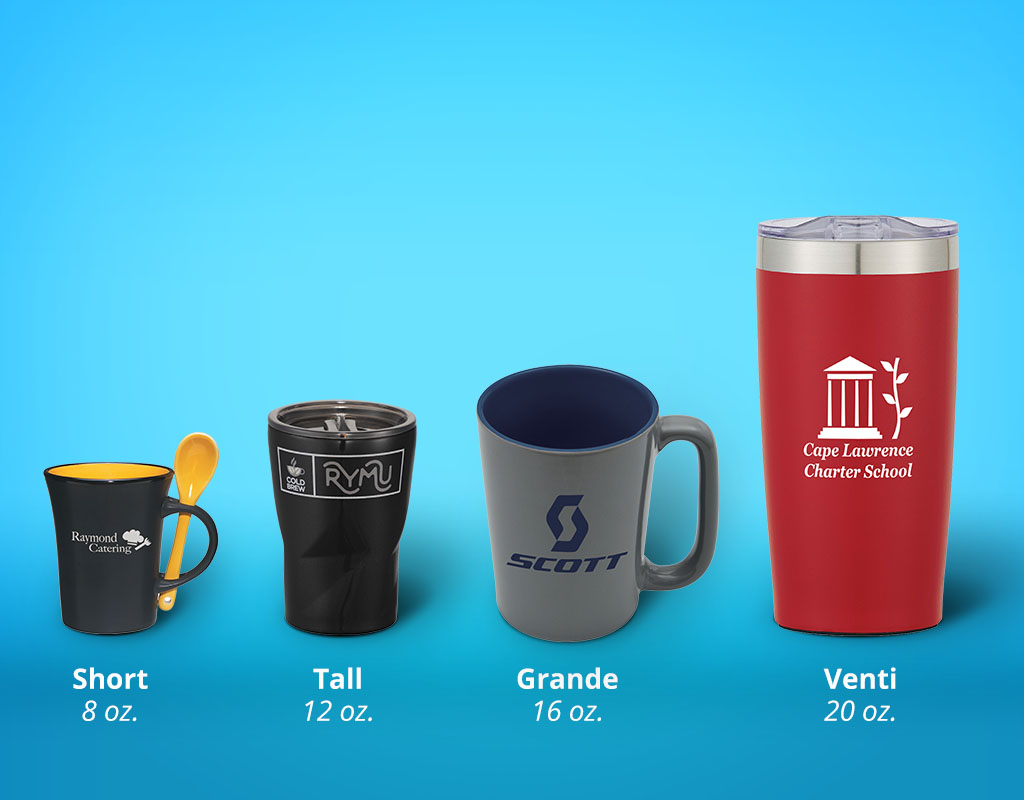
Non-obvious insight: Mugs in coffee shops are often bigger than the “regular” mugs found at home. When you buy a “medium” or “large” coffee, you might get 16 or even 20 ounces, much more than a home mug.
Why Does Mug Size Matter?
The size of your mug does more than hold your coffee. It can change your coffee’s strength, temperature, and even how fast you drink it.
- Strength: If you use the same amount of coffee grounds but a bigger mug, your drink will taste weaker.
- Temperature: A larger mug lets your coffee cool down faster. Smaller mugs keep coffee hot longer.
- Caffeine intake: Drinking from a large mug can mean more caffeine than you realize.
People often forget these points. For example, if you switch from an 8-ounce mug to a 12-ounce mug but use the same coffee pod or scoop, your coffee will taste different. Most coffee makers and recipes use “cups,” but their idea of a cup might be just 6 ounces, not 8 or 12.
Comparing Coffee Mug Sizes: Home Vs. Coffee Shop
Let’s compare mug sizes you use at home and those you get at popular coffee shops. This helps you understand why your “regular” mug might not match what you get outside.
| Setting | Small (oz) | Medium (oz) | Large (oz) |
|---|---|---|---|
| Home Mug | 8 | 10 | 12 |
| Starbucks | 12 (Tall) | 16 (Grande) | 20 (Venti) |
| Dunkin’ | 10 (Small) | 14 (Medium) | 20 (Large) |
Tip: If you’re following a recipe that says “one cup of coffee,” check if they mean 6, 8, or 12 ounces. This can change the result a lot.
How To Measure Your Coffee Mug In Ounces
Sometimes your mug does not say how many ounces it holds. Here’s an easy way to measure it:
- Fill your mug with water to the top.
- Pour the water into a measuring cup that shows ounces.
- Check the number. That is your mug’s capacity in ounces.
This simple test is more accurate than guessing. Many people are surprised to learn their “regular” mug is 14 or even 16 ounces.
Practical tip: If you want to control your caffeine or calorie intake, measure all your favorite mugs at home. You might discover you’re drinking more than you think.
Does Mug Shape Affect How Much It Holds?
Yes, mug shape can change how much liquid fits inside. Tall, narrow mugs and short, wide mugs with the same height can hold different amounts. Sometimes, mugs with thick walls look bigger but hold less coffee.
Common shapes:
- Classic cylindrical mug: Straight sides, easy to fill, holds the stated amount.
- Tapered mug: Narrow at the bottom, wide at the top, often holds less than it looks.
- Oversized mug: Thick walls or extra space can make it look huge, but check the actual ounces.
Non-obvious insight: The space for your fingers in the handle can reduce the amount the mug holds, especially in novelty mugs.
Choosing The Right Coffee Mug Size For Your Needs
Picking the best mug size depends on your habits and preferences. Here’s what to consider:
- How much coffee do you drink at once? If you like strong, hot coffee, a smaller mug (8 ounces) is good. If you sip slowly or like lattes, a larger mug (12–16 ounces) might be better.
- What type of coffee do you make? Espresso and strong brews work best in small mugs. Drip coffee or milk-based drinks need larger mugs.
- Are you watching your caffeine intake? Bigger mugs can mean more caffeine than you plan to drink.
- Do you use a single-serve coffee maker? Many machines brew 6–10 ounces per cycle, so match your mug to avoid overflow.
Mistake to avoid: Buying a mug just for looks without checking its capacity. Many decorative mugs hold much less (or more) than you expect.
How Many Ounces In Common Types Of Coffee Cups And Mugs?
The word “mug” covers many shapes and sizes. Here’s a breakdown of popular types and their typical sizes:
| Mug/Cup Type | Typical Size (oz) | Common Use |
|---|---|---|
| Espresso cup (demitasse) | 2–3 | Espresso shots |
| Teacup | 6 | Tea, small coffees |
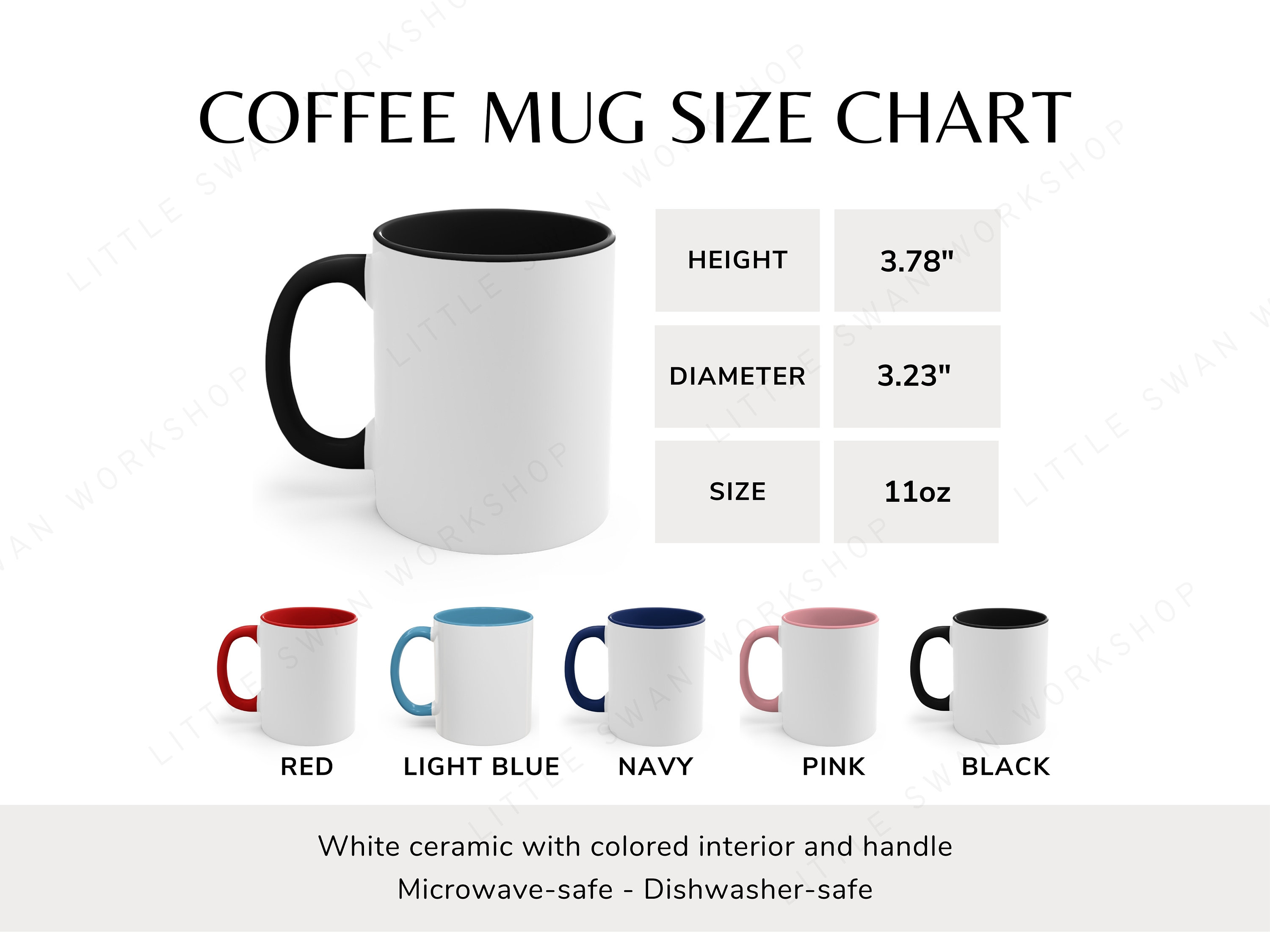
| Classic coffee mug | 8–12 | Home, office coffee |
| Travel mug | 14–20 | Coffee on the go |
| Oversized novelty mug | 16–24 | Soup, extra-large drinks |
Example: If you use a travel mug, you might be drinking twice as much coffee as someone with a classic mug.
Credit: www.pens.com
Mug Size And Coffee Makers: What To Watch For
Coffee makers often label their carafes by “cups,” but this can be confusing. Most coffee makers use a “cup” that is only 5 or 6 ounces, not the 8 ounces you might expect.
- Drip coffee makers: Usually 5–6 oz per “cup”
- Single-serve machines (like Keurig): 6, 8, 10, and sometimes 12 oz settings
- French press: Often marked in milliliters, not ounces
Tip: If you want to fill your 12-ounce mug, set your machine for the right amount or run two cycles.
Measuring Your Caffeine Intake By Mug Size
Knowing your mug’s size helps you track how much caffeine you’re drinking. An average 8-ounce cup of brewed coffee has about 95 mg of caffeine. If your mug is 12 ounces, you get about 140 mg.
If you drink several mugs a day, the total can add up quickly. For healthy adults, the FDA recommends no more than 400 mg of caffeine a day. That’s about three to four 8-ounce mugs, or two 16-ounce travel mugs.
Common mistake: People count cups, not ounces, and drink more caffeine than they realize.

Credit: www.homegrounds.co
The Science Of Mug Size And Coffee Enjoyment
Believe it or not, the size of your mug can affect how you enjoy your coffee. Studies show that the shape and weight of your mug change how you taste and smell your drink. A larger mug might make your coffee feel lighter or milder, while a small, heavy mug can make the flavors seem stronger.
Practical example: If you want your morning coffee to stay hot, use a thick ceramic mug and fill it only two-thirds full. If you want a big, smooth latte, pick a 12-ounce or larger mug.
When To Choose A Smaller Or Larger Mug
Smaller mug (6–8 oz):
- You prefer strong, hot coffee.
- You drink espresso or small lattes.
- You want to control your caffeine intake.
Larger mug (12–16 oz):
- You like to add milk or flavored syrups.
- You enjoy sipping slowly over time.
- You want fewer refills during work or study.
Credit: www.etsy.com
How To Find Your Perfect Mug Size
Choosing your ideal mug is personal. Here’s how to decide:
- Measure your favorite mug at home.
- Try different sizes at coffee shops and see what feels best.
- Think about your daily routine—do you drink quickly or sip slowly?
- Remember, mug size affects taste, temperature, and caffeine.
Key takeaway: There is no single “right” answer for everyone, but knowing your mug’s actual ounces helps you make better choices.
Frequently Asked Questions
How Many Ounces Is A Standard Coffee Mug In The Us?
A regular coffee mug in the United States usually holds 10 to 12 ounces. However, some classic mugs are 8 ounces, and larger mugs are becoming more popular. Always check your own mug to be sure.
Is A Coffee Cup The Same As A Coffee Mug?
No, a coffee cup is usually smaller, around 6 to 8 ounces, and may have a thinner handle and more delicate shape. A coffee mug is sturdier, holds more (often 10–12 ounces or more), and is used for casual drinking.
Why Do Coffee Makers Call A “cup” Only 5 Or 6 Ounces?
Coffee makers often use an older measuring system where a “cup” is 5 or 6 ounces. This is less than the standard kitchen cup (8 ounces). It’s important to check your coffee maker’s manual to know how much you’re really brewing.
How Do I Measure The Size Of My Coffee Mug?
Fill your mug with water, then pour the water into a measuring cup marked in ounces. The number you see is the mug’s capacity in ounces. This method is simple and accurate.
Does Mug Material Change The Ounces It Holds?
No, the material (ceramic, glass, metal) does not change the mug’s ounce capacity, but it does affect how hot your coffee stays. Some thick mugs may look larger but actually hold less liquid due to thick walls.
If you want to learn more about coffee measurements and mug sizes, you can read more on this Wikipedia page.
No matter what mug you choose, knowing its true size helps you enjoy every cup of coffee just the way you like it.