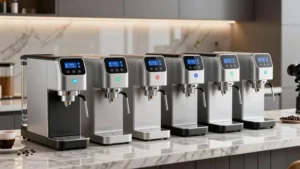
For many people, a cup of coffee is the best way to start the day. But have you ever wondered how many watts a coffee maker uses? Understanding this can help you manage your energy bills, choose the right model, and even figure out if your kitchen outlets can handle your coffee machine. Whether you use a simple drip brewer, a fancy espresso machine, or a single-serve pod coffee maker, each device consumes different amounts of electricity.
In this guide, you’ll learn how coffee makers use power, what affects their energy consumption, and how to make smarter choices for your home or office.
What Is Wattage And Why Does It Matter?
Wattage is the measure of electrical power. One watt equals one joule per second. When you see “1000 watts” on a coffee maker, it means the machine uses 1000 joules of energy each second it’s running. This matters because higher wattage means higher energy consumption, which leads to higher electricity bills. For example, if your coffee maker uses 1000 watts and runs for 10 minutes, it consumes about 0.17 kilowatt-hours (kWh).
Many people overlook wattage when buying appliances. But knowing the watts used by a coffee maker helps you:
- Estimate monthly energy costs
- Choose the right size for your power supply
- Avoid overloading circuits
Coffee Maker Wattage: Typical Ranges
Different types of coffee makers use different amounts of power. Here are the most common types and their typical wattage ranges:
| Type | Average Wattage | Typical Brew Time |
|---|---|---|
| Drip Coffee Maker | 900–1200 watts | 5–10 minutes |
| Single-Serve Pod (e.g. Keurig) | 1200–1500 watts | 2–4 minutes |
| Espresso Machine | 1000–1500 watts | 3–6 minutes |
| French Press | 0 watts (manual) | 4–7 minutes |
| Percolator | 800–1200 watts | 7–10 minutes |
A drip coffee maker usually uses between 900 and 1200 watts. Single-serve pod machines often use more power because they heat water quickly. Espresso machines can use up to 1500 watts, especially those with steam wands. Manual methods like a French press use zero electricity, though you’ll need to heat water separately.
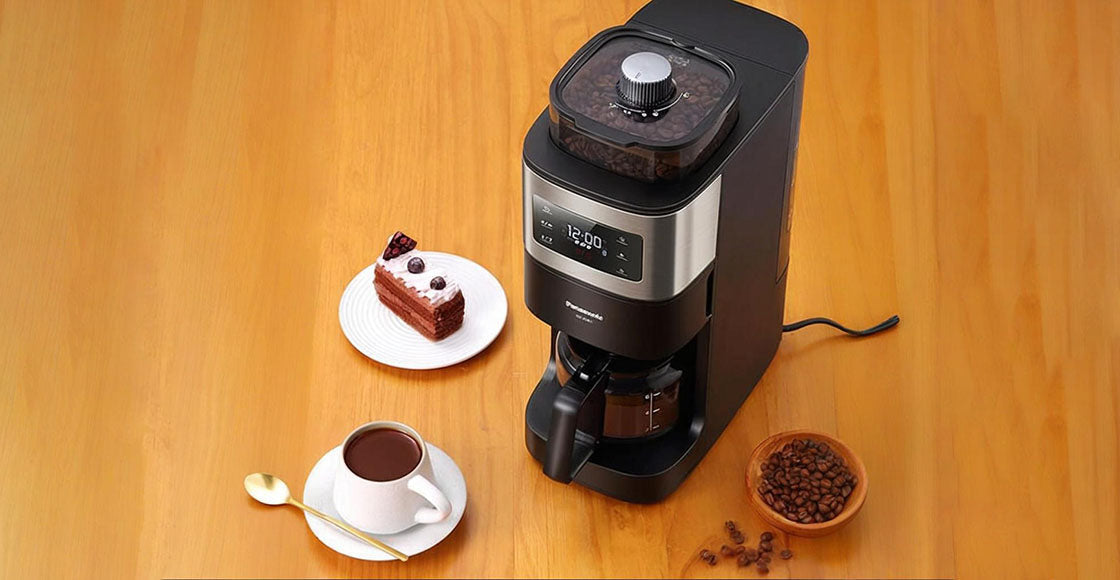
Credit: www.topbullshop.com
Real-life Examples: Popular Coffee Maker Models
To make things clearer, let’s look at the wattage of some popular models:
| Brand & Model | Type | Wattage |
|---|---|---|
| Keurig K-Classic | Single-Serve Pod | 1500 watts |
| Mr. Coffee 12-Cup | Drip Coffee Maker | 900 watts |
| Breville Barista Express | Espresso Machine | 1450 watts |
| Hamilton Beach Percolator | Percolator | 1000 watts |
As you can see, single-serve machines tend to use the most power, while standard drip makers use less. Espresso machines often sit near the top, especially if they have extra features.
How To Calculate Coffee Maker Energy Use
Understanding wattage is only part of the story. You also need to know how long the coffee maker runs. Energy use is measured in kilowatt-hours (kWh).
The formula is simple:
Energy (kWh) = Power (watts) × Time (hours) ÷ 1000
Let’s use an example:
- Your drip coffee maker uses 1000 watts.
- It runs for 15 minutes (0.25 hours).
Energy used = 1000 × 0.25 ÷ 1000 = 0.25 kWh
If your electricity costs $0. 15 per kWh, making coffee costs about $0. 04 per brew. If you brew daily, that’s about $1. 20 per month.
Factors Affecting Coffee Maker Wattage
Coffee makers do not always use the same amount of power. Many things can change how much energy they need:
1. Heating Element Size
Larger heating elements use more watts to heat water faster.
2. Brew Size
Making a single cup uses less energy than brewing a full pot.
3. Standby Mode
Some machines use power even when not brewing, especially those with digital clocks or programmable timers.
4. Extra Features
Built-in grinders, steam wands, and warming plates all add to wattage.
5. Water Temperature
Machines that heat water hotter (e. g. , for espresso) use more watts.
6. Age And Efficiency
Older machines may be less efficient, using more electricity for the same result.
Non-obvious Insight: Standby Power
Many coffee makers with digital displays or timers use standby power. This can be up to 2–5 watts even when the machine is “off.” Over a year, this can add up to a few dollars on your bill. Unplugging your coffee maker when not in use can save energy.
Non-obvious Insight: Brewing Time Vs. Wattage
A high-wattage machine may actually use less energy than a low-wattage one if it brews much faster. For example, a 1500-watt Keurig brewing for 3 minutes uses less total energy than a 900-watt drip maker brewing for 10 minutes.
Comparing Coffee Maker Energy Use With Other Appliances
How does a coffee maker’s energy use compare to other kitchen devices?
| Appliance | Average Wattage | Typical Use Time | Energy Used (kWh) |
|---|---|---|---|
| Coffee Maker | 1000 watts | 10 minutes | 0.17 kWh |
| Microwave Oven | 1200 watts | 5 minutes | 0.10 kWh |
| Toaster | 800 watts | 3 minutes | 0.04 kWh |
| Electric Kettle | 1500 watts | 4 minutes | 0.10 kWh |
A coffee maker uses about the same energy as a microwave or kettle, but much less than an oven or refrigerator.
Credit: www.renogy.com
How To Find Your Coffee Maker’s Wattage
Most coffee makers list their wattage on a sticker or label, usually found on the bottom or back of the machine. Look for a number followed by “W” (for watts). If you can’t find it, check the user manual or the manufacturer’s website.
If you want to measure the real energy use, you can use a plug-in watt meter. Plug the coffee maker into the meter, then brew a cup. The meter will show real-time wattage and total energy used.
Saving Energy With Coffee Makers
Coffee makers are not big energy users, but small changes can help save electricity:
- Brew only as much coffee as you need
- Unplug machines with clocks or timers when not in use
- Use manual methods like French press or pour-over
- Choose energy-efficient models
- Clean heating elements regularly for better performance
Practical Tip: Brew Size
Many people make a full pot when they only need one cup. Brewing less saves both energy and water.
Practical Tip: Maintenance
Mineral buildup in the heating element can make your coffee maker use more power. Clean it regularly with vinegar or descaling solution.

Credit: goldenmateenergy.com
Coffee Maker Wattage For Travel And Off-grid Use
If you plan to use a coffee maker in an RV, boat, or off-grid cabin, wattage is even more important. You need to know if your inverter or generator can supply enough power.
- Most small inverters can handle up to 1000 watts
- High-wattage espresso machines may require larger inverters
- Manual methods are best for off-grid situations
If you use batteries or solar power, calculate total energy use before choosing a coffee maker.
Commercial Coffee Makers: How Much Power?
Commercial coffee makers in offices, restaurants, or cafes often use much more power:
- Large drip brewers: 1500–2000 watts
- Industrial espresso machines: 2000–3000 watts
- Coffee urns: 1500–2500 watts
These machines often run all day, making them significant energy users. If you manage a business, look for energy-efficient models and consider turning off machines when not needed.
Frequently Asked Questions
How Many Watts Does A Typical Home Coffee Maker Use?
Most home coffee makers use between 900 and 1200 watts. Single-serve pod machines and espresso makers can use up to 1500 watts, especially during heating.
Is A Higher Wattage Coffee Maker Better?
Not always. Higher wattage means faster heating, but it also uses more energy. If you need quick brewing, higher wattage helps. For basic brewing, lower wattage is fine and saves electricity.
Can I Use A Coffee Maker With A Generator Or Inverter?
Yes, but check the wattage rating of your coffee maker and make sure your generator or inverter can handle it. Some small generators may not supply enough power for high-wattage machines.
Does Leaving A Coffee Maker Plugged In Use Electricity?
Yes. Many coffee makers with digital displays or timers use standby power, usually 2–5 watts. Over time, this can add up. Unplugging when not in use saves energy.
What Is The Most Energy-efficient Way To Make Coffee?
Manual methods like French press or pour-over use no electricity (except for heating water). Among electric machines, simple drip makers with basic features are usually most efficient.
Making coffee is a daily habit for millions, but knowing how much energy your coffee maker uses can help you make smarter choices. Whether you want to save money, reduce your environmental impact, or just get a great cup of coffee, understanding wattage is key. If you’re interested in more technical details or want to compare models, check out this helpful resource: Wikipedia Coffeemaker Page. By paying attention to wattage and energy use, you can enjoy your morning brew without worrying about your electricity bill.