Keeping your food dehydrator clean is more than a matter of hygiene—it’s about getting the best results, extending the machine’s life, and keeping your food safe. Many people use dehydrators to preserve fruits, vegetables, meats, and herbs, but few pay enough attention to cleaning routines.
If you’re wondering how often you should clean your food dehydrator, and what happens if you skip cleaning, you’re not alone. Let’s explore the practical details, real data, and expert tips to help you build the right habits.
Why Cleaning A Food Dehydrator Matters
Food dehydrators remove moisture from foods, making them safe to store and eat later. However, bits of food, juice, and oils can stick to trays and surfaces. Over time, these leftovers can grow bacteria, attract pests, and even affect the taste of your next batch.
A study by the US Food Safety and Inspection Service found that food equipment left dirty for more than 24 hours can grow bacteria like Salmonella and Listeria. These bacteria can survive even after dehydration, especially if you’re drying meats or high-sugar fruits. Dirty dehydrators also develop odors, stains, and sometimes mold.
Besides health, cleaning also affects performance. A clogged fan or mesh tray will dry food unevenly, causing some pieces to spoil or become too hard. The National Center for Home Food Preservation recommends regular cleaning to maintain efficiency and avoid costly repairs.
How Often Should You Clean Your Food Dehydrator?
There’s no single answer because it depends on how you use your dehydrator. But experts agree on a few key guidelines:
| Frequency | When to Clean | Reason |
|---|---|---|
| After Every Use | Trays, mesh, and drip pan | Removes food residue and prevents bacteria |
| Weekly | Fan, heating element (if accessible) | Clears dust, improves airflow |
| Monthly | Whole unit (deep clean) | Removes built-up grime, checks for mold |
After Each Use
Most manufacturers recommend cleaning trays and surfaces every time you finish dehydrating. Even if you only dry fruits, sticky sugars and acids can damage trays. For meats, the risk of bacteria is higher, so cleaning right after use is essential.
Weekly And Monthly Routines
If you use your dehydrator often, a weekly wipe-down of the fan and outside casing prevents dust buildup. A monthly deep clean is important if you notice stains, smells, or sticky spots. If you only use your dehydrator occasionally (once a month or less), clean it before and after each use.

Credit: www.amazon.com
Cleaning Steps For A Food Dehydrator
Let’s break down the cleaning routine into clear steps. It’s simple but often missed by beginners.
Step 1: Unplug And Disassemble
Always unplug the dehydrator before cleaning. Remove all trays, mesh inserts, drip pans, and any removable parts. This prevents accidents and helps you reach all areas.
Step 2: Wash Trays And Inserts
Wash trays and mesh with warm soapy water. If you notice stubborn stains, soak them for 15–30 minutes. Most trays are dishwasher-safe, but check your manual.
Pro tip: Avoid abrasive scrubbers, which can scratch plastic or metal trays and make them harder to clean next time.
Step 3: Clean The Drip Pan
Drip pans catch oils and juices. Clean them with a sponge and mild detergent. If you dry fatty foods like jerky, check for hidden grease.
Step 4: Wipe The Interior
Use a damp cloth to wipe the inside walls and door. If your dehydrator has a fan or heating element, don’t splash water directly—use a dry cloth or gentle brush.
Step 5: Clean The Exterior
Dust and food particles can stick to the outside. Wipe with a soft cloth, and check for any spills.
Step 6: Dry Completely
Let all parts air dry before reassembling. This prevents mold and bacteria from growing in damp spots.
Step 7: Reassemble And Store
Put everything back together and store the dehydrator in a clean, dry place.
What Happens If You Don’t Clean Regularly?
Skipping cleaning can lead to several problems:
- Bacterial growth: Food particles left on trays can grow bacteria and mold.
- Foul odors: Old food and oils create bad smells that affect new batches.
- Poor performance: Dust and grime block airflow, slowing dehydration.
- Shorter lifespan: Dirty parts wear out faster, leading to repairs or replacement.
- Food contamination: Your dried food may taste bad or even make you sick.
A survey by Consumer Reports found that kitchen appliances cleaned less than once a week were three times more likely to develop odors and two times more likely to need repairs.
Real-life Examples
Imagine you dry apples, then run a batch of beef jerky without cleaning. The sweet smell lingers, but so do sticky apple sugars. The next batch may pick up unwanted flavors, and bacteria from meat can mix with fruit residues.
Another example: a family used their dehydrator for herbs and never cleaned the mesh. Months later, the herbs tasted musty, and the machine smelled odd. They discovered mold under the trays—an easy problem to avoid with regular cleaning.
Common Cleaning Mistakes
Beginners often make these mistakes:
- Skipping deep cleans: Only washing trays but ignoring the fan or drip pan.
- Using harsh chemicals: Strong cleaners can damage plastic and metal parts.
- Not drying parts: Wet trays invite mold.
- Ignoring the exterior: Dust can enter the machine and affect drying.
- Cleaning while plugged in: Risk of electric shock or damaging the unit.
Avoid these errors for safer, tastier results.
Credit: www.amazon.com
Cleaning Different Types Of Dehydrators
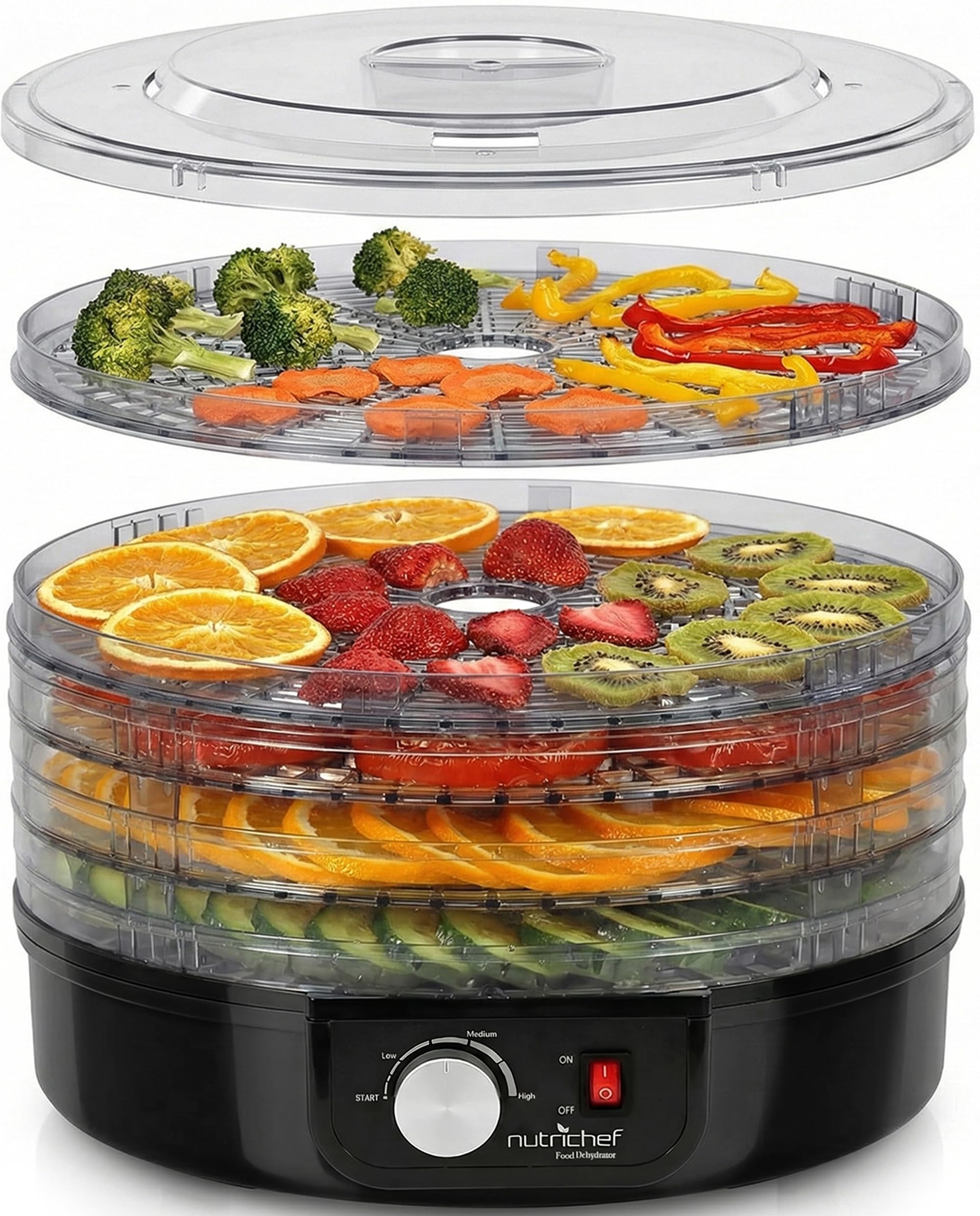
There are two main types: stackable and box-style dehydrators. Each needs a slightly different cleaning approach.
| Type | Cleaning Focus | Special Tips |
|---|---|---|
| Stackable | Trays, center column | Check for food stuck in column |
| Box-Style | Trays, fan, door | Fan may need extra attention for grease buildup |
Stackable models usually have more trays and a central column. Food can fall into the column, so inspect it closely. Box-style dehydrators have a fan and door, which can collect dust and grease.
Signs Your Dehydrator Needs Cleaning
Sometimes, your dehydrator gives clues that it needs attention:
- Strange odors during drying
- Visible stains or sticky spots
- Uneven drying (some food stays wet)
- Loud fan or strange noises
- Food tastes odd or picks up flavors from previous batches
If you notice any of these, clean your dehydrator right away.
Tips For Easier Cleaning
Cleaning doesn’t have to be hard. Try these tricks:
- Use parchment paper or silicone mats to catch drips.
- Spray trays with a little cooking oil before drying sticky foods.
- Keep a small brush nearby for cleaning fan vents.
- Label trays for fruits, meats, or herbs to avoid mixing residues.
- Store your dehydrator covered to keep out dust.
How To Store Your Dehydrator After Cleaning
After cleaning, storing your dehydrator the right way matters. Make sure it’s dry. Keep it in a cool, dry place. If possible, cover it with a cloth or plastic to prevent dust. Don’t store trays stacked with damp spots—this can cause mold.
How Cleaning Frequency Impacts Food Quality
Clean dehydrators produce better food. Studies show that food dried in dirty machines can lose flavor, pick up strange smells, and even spoil faster.
For example, in tests by Oregon State University, dried fruits stored in clean containers lasted up to 6 months longer than those exposed to dirty trays. Clean machines also produce more even drying, meaning fewer batches wasted.
Quick Cleaning Checklist
Use this simple checklist to stay on track:
- Unplug and take apart the dehydrator.
- Wash trays and inserts with warm, soapy water.
- Clean drip pan and fan area.
- Wipe down interior and exterior.
- Dry all parts completely.
- Reassemble and store in a clean place.
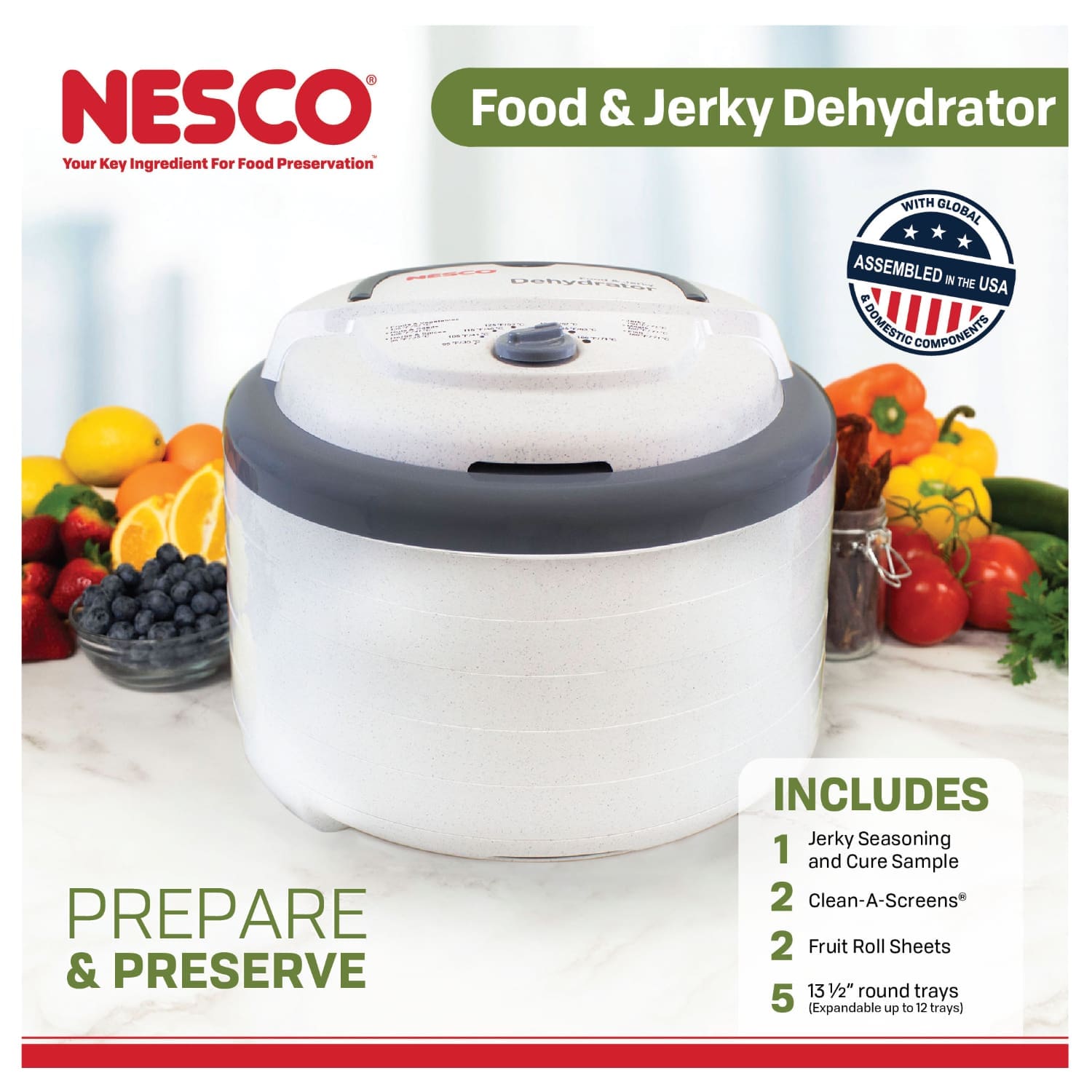
Credit: www.nesco.com
Comparing Cleaning Habits: Home Vs Commercial Use
Commercial dehydrators are cleaned more often, sometimes after every batch. Home users may clean less, but should still follow basic routines.
| User Type | Cleaning Frequency | Reason |
|---|---|---|
| Home | After each use, monthly deep clean | Variety of foods, lower volume |
| Commercial | After every batch, daily deep clean | High volume, strict health rules |
Commercial kitchens follow stricter rules because they handle more food and have inspections. Home users can keep things simple but should not skip cleaning.
Expert Advice And Non-obvious Insights
Most beginners don’t realize that:
- Drying time increases in dirty machines: A build-up of food and dust makes airflow weaker, slowing drying by up to 30%.
- Flavor transfer is real: Even small bits of food left behind can make a big difference in taste. For example, dried onions can make fruits taste odd if trays aren’t cleaned.
- Invisible risks: Not all bacteria or mold can be seen or smelled. Regular cleaning is the only way to prevent hidden contamination.
If you ever doubt, remember: a clean dehydrator is a safe dehydrator.
Frequently Asked Questions
How Do I Clean A Dehydrator If The Trays Aren’t Dishwasher Safe?
Wash trays by hand with warm, soapy water. Use a soft sponge to avoid scratches. Dry completely before putting back.
Can I Use Vinegar Or Baking Soda To Clean My Food Dehydrator?
Yes, both work well for removing odors and stains. Mix vinegar with water for wiping surfaces, or sprinkle baking soda on stubborn spots.
Is It Safe To Clean The Fan And Heating Element?
Most fans and elements can be wiped with a dry cloth or gentle brush. Never use water directly. Always unplug before cleaning.
What Should I Do If My Dehydrator Smells Bad?
Clean all trays, the drip pan, and the inside walls. Use vinegar and water to wipe surfaces. Dry fully, and run the machine empty for 10 minutes to clear smells.
Are There Special Cleaning Instructions For Dehydrating Meats?
Yes. Always clean immediately after drying meats, as bacteria risk is higher. Wash trays, drip pans, and wipe the fan area with a disinfectant safe for food contact.
Keeping your food dehydrator clean is easy once you build the right habits. Whether you dry fruit for snacks or make jerky for camping, a clean machine means safer, tastier food and a longer-lasting appliance. For more detailed guides and safety tips, visit the National Center for Home Food Preservation. Start today—your food and your health will thank you.