
How Often Should You Replace Your Oven Mitts depends on what they are made of and how you use them. A single calendar rule does not work because materials break down at different rates. Cotton quilted mitts thin out fast.
Silicone mitts last years until they melt or pit. The real answer comes from inspecting your gear not counting months.
Manufacturer specifications indicate that cotton mitts rated for 450 degrees Fahrenheit can lose half their insulation after 30 wash cycles. Per ASTM F1060 testing standards the heat resistance drops each time the fibers compress. As of 2026 the CPSC still reports thousands of kitchen burns linked to worn hand protection.
Let us walk through the decision workflow so you know exactly when to toss yours.
The Real Reason Oven Mitts Fail (And Why “Once a Year” Is Bad Advice)
Most people replace mitts on a schedule. That habit misses the real problem. Mitts fail when the insulation layer breaks down or the outer shell loses integrity.
Heat cycles cause fibers to brittle. Wash cycles strip finishes and compress batting. Storage in a crowded drawer crushes the loft that stops heat transfer.
A mitt that looks clean can still transmit a burn in seconds.
The calendar approach assumes every kitchen works the same way. A home baker pulling three sheet pans a week stresses mitts differently than a grill master flipping steaks over open flame. The material matters more than the date.
Cotton quilting degrades fast. Aramid fiber holds up for years. Silicone resists water but fails catastrophically when it contacts a heating element.
Leather chars slowly but stiffens until it cracks. One rule cannot cover all of them.
How Often Should You Replace Your Oven Mitts
Replace cotton quilted mitts every six to twelve months with heavy use. Replace silicone mitts every two to three years unless melted. Replace aramid or Kevlar mitts every three to five years with visual checks.
Replace neoprene mitts every two to four years watching for delamination. Replace leather grill gloves every one to two seasons. Any mitt that fails the inspection workflow goes in the trash immediately.
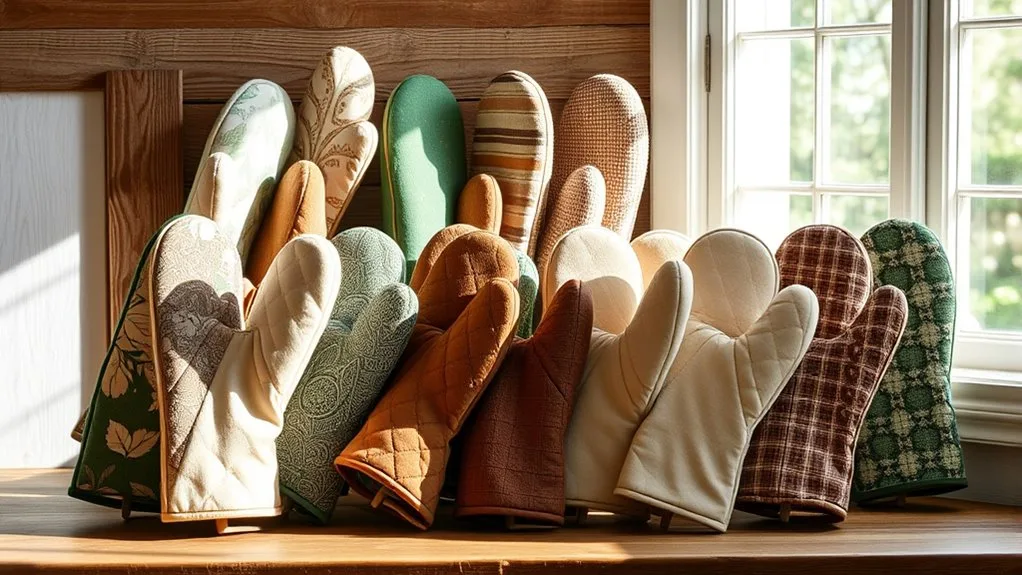
What Actually Degrades Your Mitts: Heat Cycles, Wash Cycles, and Storage Habits
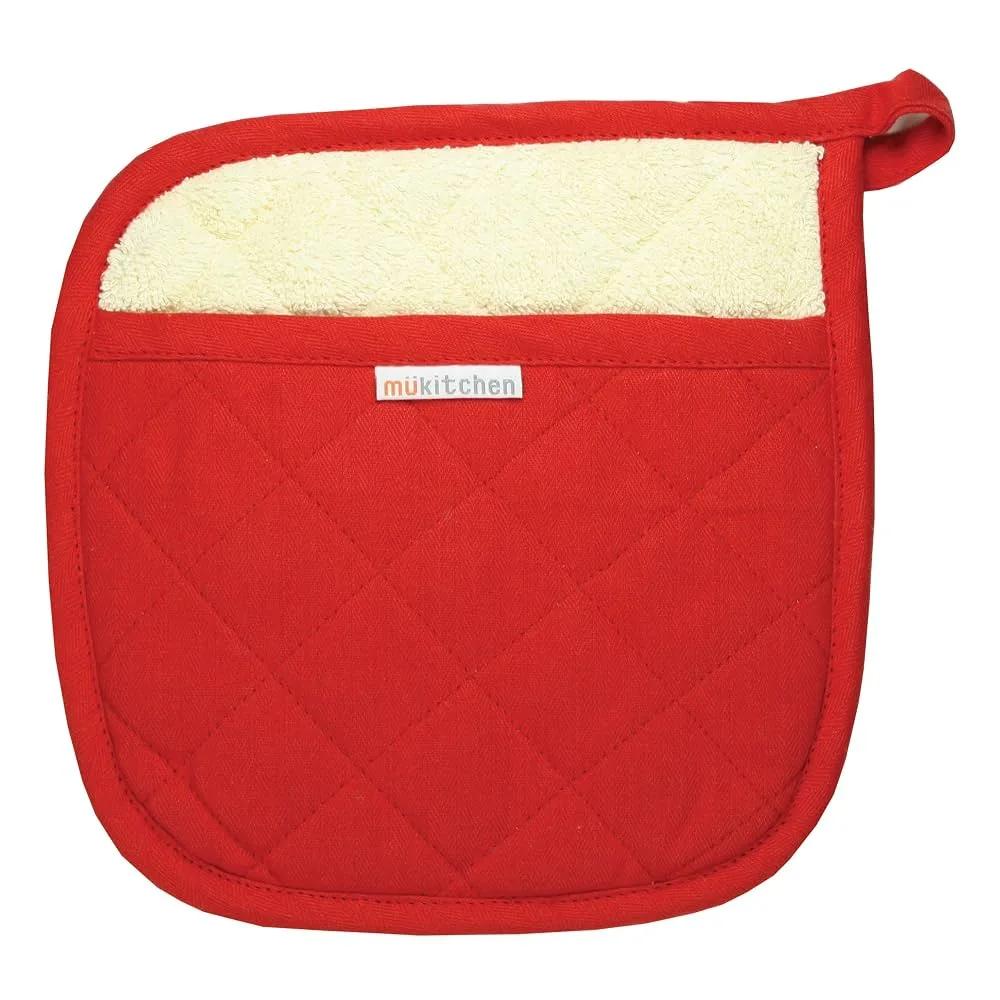
Heat cycles are the silent killer. Every time you grab a 400 degree pan the insulation fibers shrink a microscopic amount. After dozens of cycles the air pockets that block heat collapse.
Cotton batting turns into a dense pad that conducts heat fast. Silicone stays flexible but the inner liner can scorch. Aramid fibers carbonize at the surface creating weak spots.
Wash cycles accelerate the damage. Machine agitation beats the fibers. Detergent strips water repellent finishes.
High heat drying bakes the remaining loft out of the padding. Manufacturer care labels often specify cold water and air dry for a reason. Ignoring those instructions cuts mitt life in half.
Aggregate reviews show users who machine wash weekly replace cotton mitts three times as often as those who hand wash monthly.
Storage habits finish the job. Stuffing mitts into a crowded drawer compresses the insulation permanently. Hanging them by the loop lets gravity pull the batting down leaving the palm thin.
The best practice is laying them flat in a single layer or hanging them with a wide clip that supports the cuff. Per our research proper storage adds months to usable life.
The 4-Point Inspection Workflow: Visual, Flex, Heat, Grip
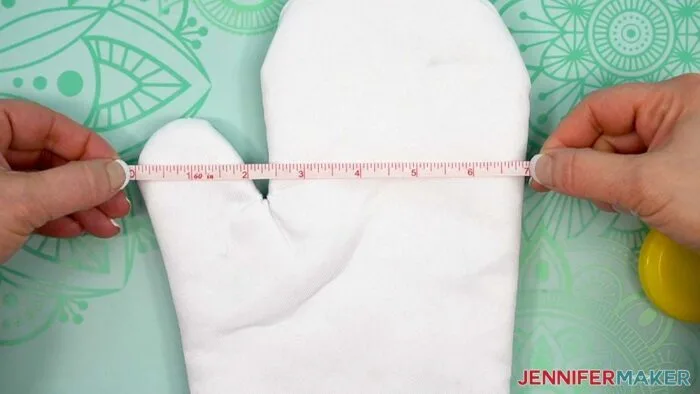
Start with the visual check. Look for thinning fabric at the palm and thumb. Check for holes even tiny ones.
Examine seams for separation. Watch for discoloration that signals scorched fibers. Silicone mitts show pitting or shiny melt spots.
Leather shows cracking or hardening. Aramid shows fuzzy fiber ends poking through. Any of these means replace now.
Next do the flex test. Fold the palm area in half. A healthy mitt resists with springy loft.
A degraded mitt folds flat like a towel. That flat fold means the insulation has collapsed. Heat will pass through in seconds.
This test takes three seconds and tells you more than the purchase date.
Then run the heat spot test. Heat a cast iron skillet to 350 degrees. Hold the mitt on the pan bottom for five full seconds.
Pull away and feel the inner surface. Any warmth reaching your palm means the barrier failed. Do this test over a sink in case you drop the pan.
Safety first.
Finish with the grip test. Wet a smooth drinking glass. Try to hold it with the mitt.
Slippery grip means the texture is worn or contaminated with oil. Silicone mitts can be scrubbed clean. Cotton mitts with smooth palms cannot be fixed.
A mitt that cannot hold a wet glass will drop a heavy roasting pan.
Material-Specific Replacement Timelines: Cotton, Silicone, Aramid, Neoprene, Leather
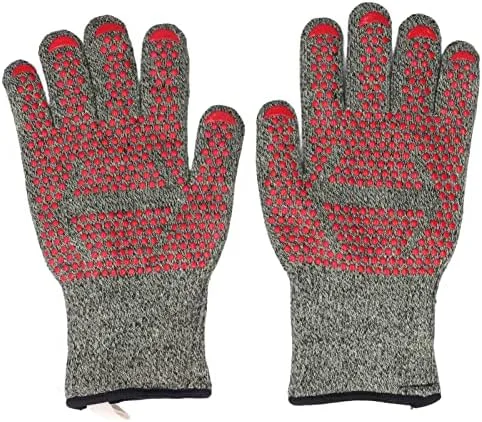
Cotton quilted mitts last six to twelve months with daily use. Light weekend use stretches that to eighteen months. Wash them in cold water and air dry to maximize life.
Expect to pay eight to fifteen dollars per pair. They breathe well but absorb oil and stains that hide wear.
Silicone mitts last two to three years unless damaged by direct flame. They handle 500 degrees continuously. Wipe clean with soap and water.
No machine washing needed. Price runs fifteen to twenty-five dollars. They stay flexible but get slippery when greasy.
Scrub with a brush to restore grip.
Aramid or Kevlar mitts last three to five years. They handle 600 degrees plus. The fibers do not melt but they do abrade.
Check for fuzzy surface wear. Hand wash only. Price runs twenty-five to forty-five dollars.
They offer the best dexterity for high heat. Professional kitchens favor them for a reason.
Neoprene mitts last two to four years. They handle 500 degrees and resist water and oil. The foam core can delaminate from the shell.
Watch for bubbling or separation. Machine wash gentle cycle. Price runs twenty to thirty-five dollars.
They feel like a wetsuit and stay grippy when wet.
Leather grill gloves last one to two heavy seasons. They handle 900 degrees briefly. They stiffen with heat cycles.
Oil them occasionally with food grade mineral oil. Price runs thirty to sixty dollars. They are the only choice for live fire cooking.
No synthetic matches leather for ember contact.
Common Mistakes That Keep Worn Mitts in Rotation
Many cooks keep mitts because they look clean. Stains hide thin spots. A quick wipe makes silicone shine.
The flex test reveals what eyes miss. Another mistake is trusting the cuff length. A long cuff that has lost loft still burns your forearm.
People also rotate mitts unevenly. One favorite mitt takes all the heat while the backup stays pristine. Then the good one fails mid roast.
Using a mitt as a trivet kills it fast. Setting a 500 degree pan on a cotton mitt compresses the batting in one spot. That spot becomes a heat highway.
Grabbing the oven rack with the palm instead of the fingertips concentrates wear. The thumb crotch tears first. Washing with fabric softener coats fibers and reduces heat resistance.
Manufacturer labels say no softener for a reason. Ignoring that cuts life in half.
Storing mitts damp invites mold and fiber rot. A quick rinse then into the drawer traps moisture. Always air dry completely.
Some cooks use mitts for non cooking tasks. Moving hot light bulbs or grabbing a car radiator cap exceeds the rating. That damage never recovers.
Keep kitchen mitts in the kitchen.
Pro Habits: Rotation, Break-In, and Storage That Extend Life
Buy two identical pairs. Mark one A and one B. Alternate each cook session.
This spreads heat cycles and wash cycles evenly. When one pair shows wear you still have a trusted backup. New mitts need a break-in.
Cotton quilted mitts soften after three washes. Aramid mitts relax after five heat cycles. Leather gloves need oil and flex sessions before first fire.
Do not skip this. Stiff mitts cause drops.
Store mitts flat on a shelf or hang with wide clips that support the cuff. Avoid hooks that dig into the insulation. A dedicated drawer divider works well.
Keep them away from the oven vent heat. Even ambient heat degrades fibers over months. If you grill weekly keep a separate grill pair.
Cross use contaminates kitchen mitts with grease and carbon.
Check the pair rotation monthly. Run the four point inspection on both. Replace the weaker one immediately.
Keep the stronger as backup. Buy the replacement before the old one fails. This prevents the emergency bare hand grab.
A simple spreadsheet or phone note tracks purchase date and wash count. Low effort high payoff.
Frequently Asked Questions
Can I repair a small hole in my oven mitt?
No. Any breach in the insulation layer creates a direct heat path. Stitching compresses fibers and makes it worse.
Replace the mitt.
Are expensive mitts worth the cost?
Aramid and leather mitts cost more but last three to five times longer than cotton. Per use cost is lower. They also protect better at high heat.
How do I clean silicone mitts without damaging them?
Hand wash with dish soap and a nylon brush. Avoid abrasive pads. Rinse well.
Air dry. Do not machine wash. The agitation can tear the inner liner.
What temperature rating do I need for home baking?
450 degrees covers most oven work. 500 degrees adds margin for pizza stones and broiler pulls. 600 degrees is overkill unless you grill.
Can I use welding gloves instead of grill gloves?
Welding gloves handle higher heat but lack dexterity and food safe finishes. They are stiff and heavy. Use proper grill gloves for cooking.
How often should I run the inspection workflow?
Monthly for heavy use. Quarterly for light use. Always after a high heat event like a turkey fry or pizza night.