Skip to content
Choosing the right vacuum cleaner can feel confusing. There are many types, prices, and features. Some people just grab the cheapest option, but this often leads to disappointment. You may find your new vacuum isn’t powerful enough, gets clogged easily, or is difficult to use.
Picking the right model means less effort cleaning and a healthier home. With clear advice, you can avoid common mistakes and find a vacuum cleaner that suits your needs and budget.
Understand Your Cleaning Needs
Before looking at brands or features, think about your home. What do you need your vacuum to do? These questions will help you narrow your choices:
- Do you have carpet, hard floors, or both?
- Are there pets in your home?
- Is anyone allergic to dust or pollen?
- How large is your home?
- Do you need to clean stairs, cars, or furniture?
For example, homes with thick carpets usually need a vacuum with strong suction and a rotating brush. If you have pets, you’ll want models that remove pet hair easily. People with allergies often benefit from vacuums with HEPA filters.
Types Of Vacuum Cleaners
Vacuum cleaners come in different shapes and sizes. Each type suits specific jobs and spaces.
| Type | Best For | Typical Price Range |
|---|---|---|
| Upright | Carpets, large areas | $100–$400 |
| Canister | Hard floors, stairs | $150–$600 |
| Stick | Quick cleanups, small spaces | $50–$300 |
| Handheld | Cars, furniture | $30–$150 |
| Robot | Daily maintenance, hands-off cleaning | $200–$800 |
Upright vacuums are popular in the US. They clean carpets well and have wide cleaning paths. However, they can be heavy. Canister vacuums work well on hard floors and stairs. They are easier to move but often cost more. Stick vacuums are light and good for quick cleaning, but usually have weaker suction. Handheld vacuums are perfect for cars or furniture, but not good for whole-home cleaning. Robot vacuums clean automatically but may miss corners or deep dirt.
Key Features To Consider
Vacuum cleaners offer many features. Some are useful, while others are just marketing tricks. Here are the most important features to compare:
Suction Power
Strong suction is key, especially for carpets and pet hair. Manufacturers may use different measurements, like watts or air watts. More watts usually mean more power, but check reviews for real-world performance. For example, a vacuum with at least 200 air watts is considered strong for carpets.
Filtration System
If you or your family has allergies, choose a vacuum with a HEPA filter. HEPA stands for “High Efficiency Particulate Air” and captures tiny particles, including dust and pollen. Some vacuums claim to have HEPA filters, but only true HEPA filters capture 99.97% of particles down to 0.3 microns.
Bagged Vs. Bagless
Bagged vacuums collect dirt in a disposable bag. Bagless vacuums use a reusable bin. Bagged models are better for allergies because dust stays sealed. Bagless models save money (no need to buy bags) but can be messy when emptying.
Weight And Maneuverability
If you have stairs or trouble lifting heavy objects, check the vacuum’s weight. Lightweight models (under 10 pounds) are easier to carry. Look for swivel steering, which helps you move around furniture.
Attachments And Accessories
Useful attachments include:
- Crevice tool: Cleans tight spaces
- Upholstery brush: Cleans sofas and chairs
- Pet hair tool: Removes hair from carpets and furniture
- Extension wand: Reaches high spots
Not all accessories are necessary. Choose based on your cleaning needs.
Noise Level
Some vacuums are loud. If you have young children or pets, a quiet model (under 70 decibels) is helpful.
Corded Vs. Cordless
Corded vacuums run longer and often have more power. Cordless vacuums are convenient but need charging. Battery life varies from 15–60 minutes. For large homes, a corded model is usually better.
Price And Warranty
Expensive vacuums aren’t always better. Look for models with good reviews and a solid warranty. Most vacuums come with a 1–5 year warranty. Check what the warranty covers—some only cover the motor.
Comparing Popular Brands
When you start shopping, you’ll see brands like Dyson, Shark, Hoover, and Miele. Each has strengths and weaknesses. Here’s a quick comparison:
| Brand | Strengths | Weaknesses |
|---|---|---|
| Dyson | Powerful suction, innovative design, bagless | High price, sometimes heavy |
| Shark | Affordable, lightweight, good for pet hair | Parts can wear out quickly |
| Miele | Excellent filtration, durable, quiet | Expensive, mostly bagged |
| Hoover | Budget-friendly, simple design | Lower suction, basic features |
Dyson is famous for strong suction and modern design. Shark offers good value and is easier to carry. Miele has excellent filters and is very quiet. Hoover is a budget option, but may not last as long.

Credit: www.ipcworldwide.com
Common Mistakes When Buying A Vacuum Cleaner
Many people waste money or end up with the wrong vacuum. Here are mistakes to avoid:
- Ignoring your flooring: Some vacuums are great for carpet but poor on hard floors.
- Choosing by price alone: Cheap vacuums can break quickly or lack power.
- Overlooking filtration: This is important for allergy sufferers.
- Buying too big or too small: Large vacuums can be hard to store, while small ones may not clean well.
- Not checking reviews: Real user reviews often reveal hidden problems or strengths.
An extra tip: Some brands advertise “pet vacuums” but only add a simple brush. True pet vacuums have special filters and strong suction.
Steps To Choose The Right Vacuum Cleaner
If you’re ready to buy, follow these steps to make a smart choice:
1. List Your Needs
Write down your main cleaning needs: carpet, hard floors, pets, allergies, stairs, etc.
2. Set Your Budget
Decide how much you want to spend. Most good vacuums cost between $150–$350.
3. Research Types
Based on your needs, pick the best type (upright, canister, stick, etc. ).
4. Compare Features
Look for strong suction, good filtration, and useful attachments. Avoid features you won’t use.
5. Read Reviews
Check trusted sites and user reviews for real-world performance.
6. Try Before You Buy
If possible, test the vacuum in a store. Check the weight, noise level, and ease of use.
7. Check Warranty
Make sure the warranty covers important parts like the motor.

Credit: cleanmama.com
How To Maintain Your Vacuum Cleaner
A vacuum cleaner can last 5–10 years with proper care. Here are some tips to keep your vacuum working well:
- Empty the bag or bin regularly. A full bin reduces suction.
- Clean or replace filters every 1–3 months.
- Check for blockages in hoses or brushes.
- Inspect belts and replace if worn.
- Wash attachments and brushes every few months.
One mistake beginners make is forgetting to clean the filter. This lowers suction and can damage the motor. Also, avoid vacuuming wet or sticky materials unless your model is designed for it.
Real-life Example: Choosing For A Family With Pets
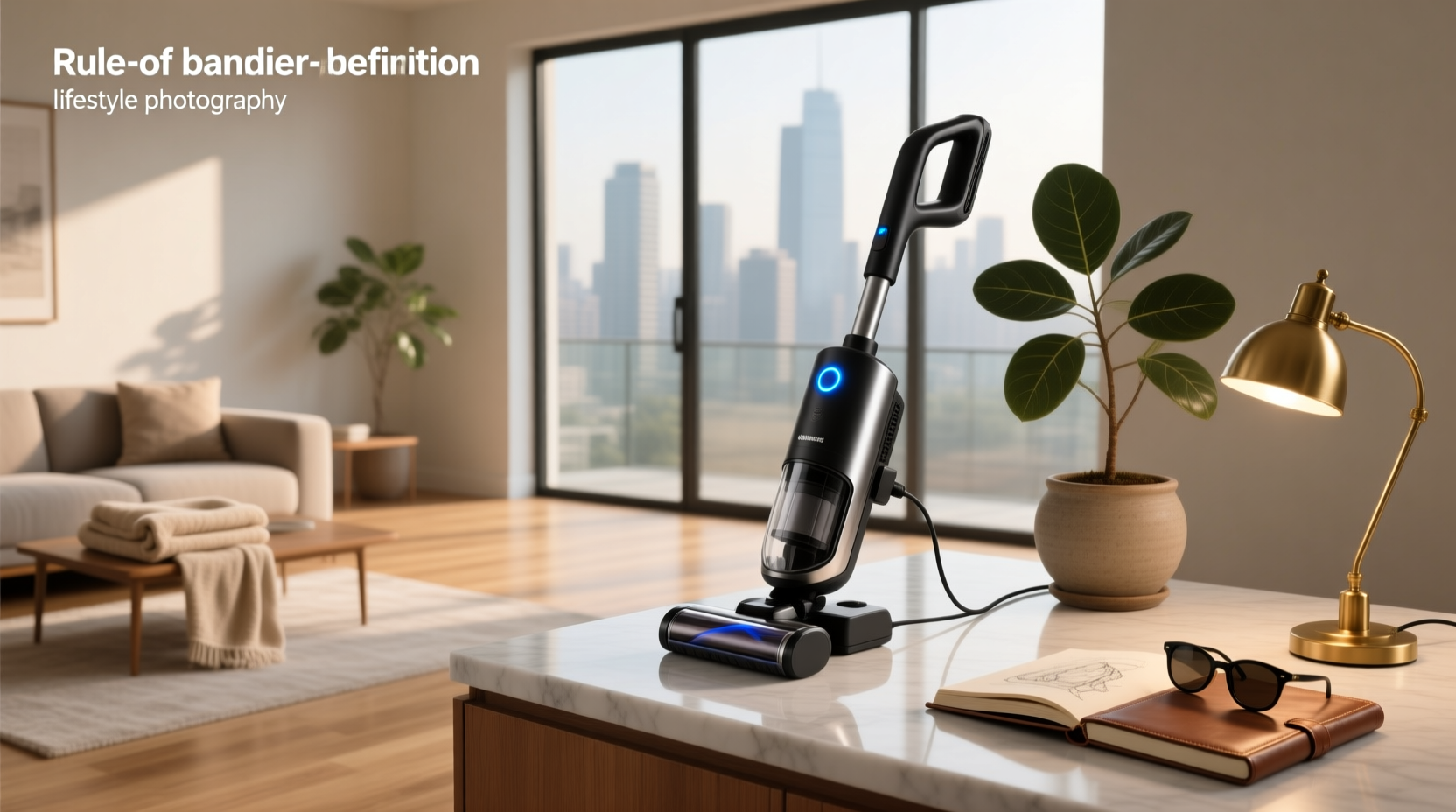
Imagine a family with two dogs, thick carpet, and a child with allergies. They need a vacuum with strong suction, a HEPA filter, and a pet hair tool. A Dyson Animal or Shark TruePet would suit them. These models have powerful suction and special filters. The family should avoid stick vacuums with weak batteries and models without HEPA filters.
Credit: electronics.alibaba.com
Data: Us Vacuum Cleaner Market Trends
According to the Statista research portal, the US vacuum cleaner market was worth about $1.7 billion in 2026. Upright vacuums are still the most common, but stick and robot models are growing fast. Around 36% of US homes now have a robot vacuum, showing a shift toward convenience.
For more detailed data, you can visit Statista.
Frequently Asked Questions
What Is The Best Vacuum Cleaner For Allergies?
The best models for allergies have HEPA filters. These filters capture tiny dust, pollen, and mold particles. Brands like Miele and Dyson offer true HEPA filtration. Always check if the filter is certified.
How Often Should I Replace The Vacuum Filter?
Replace or clean the filter every 1–3 months. Some HEPA filters last longer, but dirty filters lower suction and let dust escape. If your vacuum smells bad, it’s time to clean or replace the filter.
Are Robot Vacuums Worth It?
Robot vacuums are great for daily cleaning and save time. However, they may miss corners and deep dirt. They work best in homes with hard floors and open spaces. For deep carpet cleaning, use an upright or canister vacuum.
What Is The Average Lifespan Of A Vacuum Cleaner?
Most vacuums last 5–10 years with proper care. Cheap models may break sooner. Cleaning the filter, emptying the bin, and checking for blockages helps your vacuum last longer.
Can I Use A Vacuum Cleaner On Wet Spills?
Most vacuums are not designed for wet spills. Using a regular vacuum on wet materials can damage the motor and cause safety issues. Only use a wet/dry vacuum for liquid messes.
Choosing the right vacuum cleaner is not just about price or brand. By understanding your needs, comparing types and features, and avoiding common mistakes, you can find a model that keeps your home clean for years. Remember to maintain your vacuum and check reviews before buying.
With these steps, your cleaning will be easier and more effective.