Copper tea kettles are more than just kitchen tools—they are beautiful pieces that add charm to your home. Their shine draws the eye, and their warmth creates a cozy feeling. But over time, copper loses its luster. Tea stains, water spots, and tarnish can make your kettle look dull and old.
Cleaning a copper tea kettle is not hard, but it does require care. If you clean it the wrong way, you might scratch the surface or damage the copper. This guide will show you how to clean your copper tea kettle safely, keep it shining, and help it last for years.
You’ll learn what products to use, which methods work best, and what mistakes to avoid. Even if you’ve never cleaned copper before, you’ll find clear steps, practical tips, and answers to common questions.
Why Copper Tea Kettles Need Special Care
Copper is a soft metal. It reacts with air and moisture, which causes tarnish—a dark layer that hides the bright color. Unlike stainless steel or aluminum, copper can be harmed by harsh cleaners or scrubbing pads. Water minerals and tea oils also build up, creating stains. If you leave these stains, your kettle may lose its shine and even develop odors. Some people worry about copper poisoning, but most kettles are lined with tin or stainless steel inside. Still, it’s important to keep the outside clean and avoid letting tarnish build up.
A clean copper kettle:
- Lasts longer
- Looks attractive
- Heats water efficiently
- Stays free from odors
When you know the right cleaning methods, you protect both the kettle and your health.
What You Need Before Cleaning
Before you start, gather your supplies. You don’t need expensive products—most items are found in any kitchen.
Basic supplies:
- Soft sponge or cloth
- Mild dish soap
- White vinegar
- Lemon juice
- Baking soda
- Table salt
- Warm water
- Cotton towel
Optional supplies:
- Commercial copper cleaner (for heavy tarnish)
- Rubber gloves (if you have sensitive skin)
Avoid using:
- Steel wool
- Abrasive cleaners
- Bleach
These can scratch or damage your kettle’s surface.
Step-by-step Cleaning Guide
Cleaning a copper tea kettle is best done in steps. The method depends on whether you are dealing with light stains or heavy tarnish.
Cleaning Light Stains And Everyday Dirt
- Unplug and Cool Down
- If your kettle is electric, unplug it. Let it cool before cleaning.
- Wash with Mild Soap
- Use a soft sponge and mild dish soap. Gently wipe the outside and inside. Avoid harsh scrubbing.
- Rinse Thoroughly
- Wash away all soap with warm water. Soap residue can leave marks.
- Dry Completely
- Use a cotton towel to dry the kettle. Water spots can form if you air-dry.
Removing Tarnish And Tough Stains
If your kettle has a dark, dull layer, you need a deeper clean.
- Make a Paste
- Mix equal parts lemon juice and baking soda. You can also use vinegar and salt.
- Apply Paste
- Rub the paste on the kettle with a soft cloth. Focus on tarnished spots.
- Let It Sit
- Leave the paste for 10–15 minutes. This helps break down tarnish.
- Buff Gently
- Wipe the kettle in circles. Do not press too hard.
- Rinse and Dry
- Wash off all paste with warm water. Dry with a towel.
Example: Lemon-salt Method
This is a classic method for copper.
- Cut a lemon in half.
- Dip the cut side in table salt.
- Rub the lemon over the kettle.
- Rinse and dry.
This natural method works well for most mild tarnish.
Cleaning The Inside
Most copper kettles are lined, but if yours is bare copper inside, be extra careful.
- Fill with warm water and a splash of vinegar.
- Let it soak for 10 minutes.
- Rinse and dry.
Never use abrasive pads inside. For lined kettles, clean the inside with mild soap only.
How Often Should You Clean?
Cleaning frequency depends on use. If you boil water daily, wipe the outside every week. Deep clean for tarnish every 2–3 months. If you notice stains, clean sooner.
| Usage | Recommended Cleaning Frequency |
|---|---|
| Daily use | Weekly wipe, deep clean every 2 months |
| Occasional use | Monthly wipe, deep clean every 3–4 months |
| Rare use | Deep clean before storing |

Credit: ashleyburk.com
Home Remedies Vs. Commercial Cleaners
Many people ask if homemade cleaners are as good as store-bought ones. Home remedies—like lemon, vinegar, and baking soda—work well for light stains. Commercial copper cleaners remove heavy tarnish faster, but they can be expensive and may contain chemicals.
| Method | Effectiveness | Cost | Safety |
|---|---|---|---|
| Lemon & salt | Good for mild tarnish | Low | Safe, natural |
| Vinegar & baking soda | Good for tough stains | Low | Safe, natural |
| Copper cleaner | Excellent for heavy tarnish | Medium to high | Check label |
For most people, homemade methods are enough. Use a commercial cleaner only if your kettle has thick tarnish that won’t go away.
Common Mistakes To Avoid
Cleaning copper tea kettles is simple, but some mistakes can ruin the finish.
- Using abrasive pads – These scratch the copper, causing permanent damage.
- Leaving water on the kettle – Water spots form, leading to faster tarnish.
- Using strong chemicals – Bleach and ammonia can corrode copper.
- Not rinsing properly – Soap or cleaner left behind leaves streaks.
- Polishing too often – Over-polishing can wear away the copper layer.
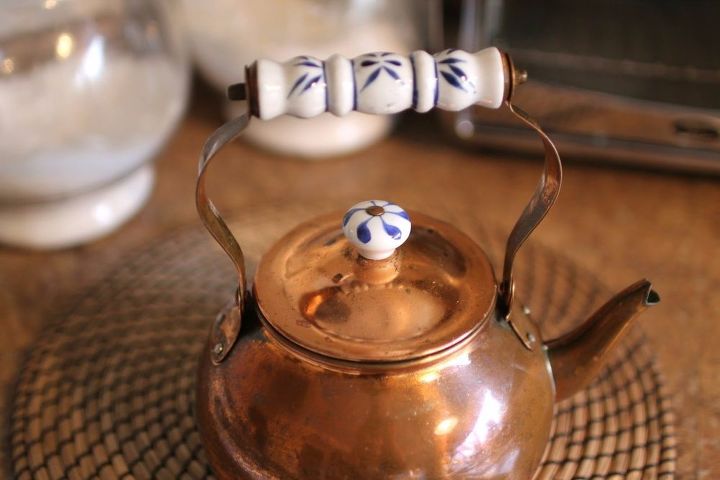
A non-obvious tip: If your kettle has engraved designs, use a soft toothbrush to clean inside the grooves. This avoids damage but still removes dirt.
Credit: www.lumicapital.eu
Polishing For Extra Shine
After cleaning, you may want to polish your kettle. Polishing is not required every time, but it restores shine.
- Use a copper polish from a trusted brand.
- Apply with a soft cloth, following the instructions.
- Buff gently in circles.
- Wash and dry after polishing.
For a natural polish, rub with a mixture of flour, salt, and vinegar. Let it sit, then buff and rinse.
Another insight: If your kettle is antique, avoid polishing too much. A light patina adds character and value.
Storage And Maintenance Tips
Storing your kettle well keeps it clean longer.
- Store in a dry place.
- Avoid stacking heavy items on top.
- If storing long-term, wrap in a soft cloth.
To prevent tarnish, wipe the kettle after each use. If your area has hard water, dry the kettle carefully to avoid mineral spots.
| Environment | Storage Recommendation |
|---|---|
| Humid | Store in a dry cabinet |
| Hard water area | Dry thoroughly after each use |
| Low use | Wrap in cloth for long-term storage |
Safety Considerations
Copper is safe when used correctly, but never let acidic liquids sit in your kettle. If the inside is bare copper, avoid boiling anything but water. For lined kettles, follow the manufacturer’s instructions.
A kettle with a damaged lining should not be used for boiling water. Repairs can be costly, but safety comes first.
For more details on copper safety, see the guidelines from the CDC.
Frequently Asked Questions
How Do I Know If My Kettle Is Real Copper?
Real copper kettles are heavy and have a reddish-brown color. If a magnet sticks, it’s not pure copper. You can also check for a lining—most copper kettles are lined inside. Look for a label or ask the seller.
What If My Kettle Has Green Spots?
Green spots are verdigris, a sign of copper reacting with moisture. Remove them with vinegar and salt paste. Avoid using the kettle until all green spots are cleaned.
Can I Use The Dishwasher To Clean My Copper Kettle?
No. Dishwashers use harsh detergents and water jets that can scratch and tarnish copper. Always wash by hand with mild soap.
Is It Safe To Boil Tea In A Copper Kettle?
If your kettle is lined with tin or stainless steel, it’s safe. Bare copper can react with acidic tea, so only use it for boiling water. Check your kettle’s lining before brewing tea.
How Do I Keep My Copper Kettle Shiny Longer?
Wipe it dry after each use. Avoid leaving water or tea inside. Use lemon or vinegar once a month to remove light tarnish. Store in a dry place to prevent moisture build-up.
A copper tea kettle is a treasure in any kitchen, but it needs regular care to stay beautiful. With the right cleaning methods, your kettle will shine for years and add warmth to your home. Remember to use gentle cleaners, avoid harsh scrubbing, and polish only when needed.
These steps will keep your copper kettle safe, bright, and ready for every tea time.

Credit: www.youtube.com