Cleaning your Bunn coffee maker is not just about keeping it looking nice. It’s essential for making great coffee and keeping your machine working well. Over time, minerals from water and leftover coffee oils can build up inside your coffee maker. This can cause your coffee to taste bad, make your machine slow, or even break it. The good news is, you don’t need fancy chemicals or tools. Vinegar is a simple, safe, and cheap way to clean your Bunn coffee maker. If you’re not sure where to start, or you worry about doing something wrong, don’t worry. With the right steps and tips, you can clean your Bunn coffee maker easily and safely at home.
This guide will show you how to clean your Bunn coffee maker with vinegar, step by step. You’ll learn why cleaning matters, what to avoid, and get answers to common questions. Whether you use your coffee maker every day or just on weekends, this guide is designed for you.
Let’s help your coffee taste fresh again—and keep your machine working for years.
Why Cleaning Your Bunn Coffee Maker Matters
Many people don’t realize how much cleanliness affects coffee flavor and machine health. When you make coffee, tiny bits of coffee oil and minerals stay behind. Over time, these build up inside the tubes and tank of your Bunn coffee maker. This buildup can:
- Change the taste of your coffee (it may taste bitter, sour, or flat)
- Slow down the brewing process
- Cause clogs or leaks
- Shorten the life of your machine
According to the National Coffee Association, coffee equipment should be cleaned regularly to avoid these problems. For Bunn coffee makers, regular cleaning is even more important because they are designed to keep water hot inside the tank all the time.
This means minerals and oils have more time to settle and stick.
How Vinegar Cleans Your Coffee Maker
Vinegar is a powerful, natural cleaner. It works well for two reasons:
- Dissolves mineral deposits: Vinegar is acidic. It can break down and remove hard water deposits (also called limescale) that stick inside your coffee maker.
- Removes oils and odors: Vinegar helps wash away old coffee oils and gets rid of bad smells.
Vinegar is also safe for most coffee makers, including Bunn machines. It doesn’t leave dangerous chemicals behind and is easy to rinse out.
What You Need Before You Start
To clean your Bunn coffee maker with vinegar, gather these items:
- White distilled vinegar (not apple cider vinegar or flavored vinegar)
- Fresh water
- A clean cloth or sponge
- Mild dish soap
- A toothpick or small brush (for hard-to-reach spots)
- Measuring cup
Make sure your coffee maker is turned off and unplugged before you begin. Let the machine cool down if it was just used.
Step-by-step Guide: Cleaning Your Bunn Coffee Maker With Vinegar
Cleaning your coffee maker is not complicated, but it’s important to follow the right steps. Here’s how to do it safely and effectively:
1. Remove And Clean Detachable Parts
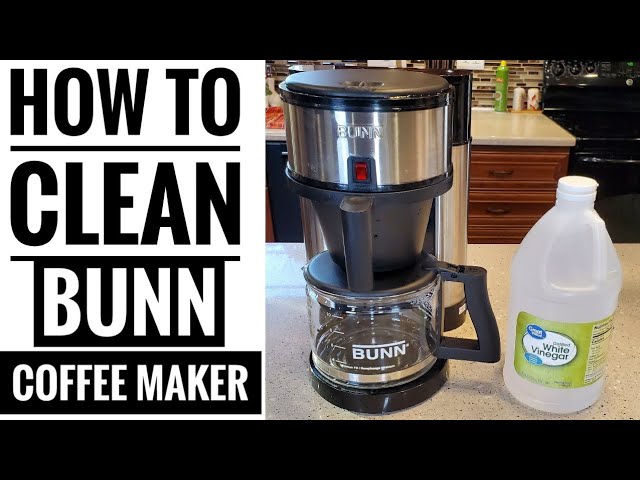
First, take out the parts that come off easily. This usually includes the brew funnel (where you put the coffee grounds) and the carafe (the coffee pot).
- Wash these parts with warm, soapy water.
- Use a sponge or cloth to scrub off any coffee stains.
- Rinse well and let them dry.
Cleaning these parts removes coffee oils and keeps mold from growing.
2. Prepare The Vinegar Solution
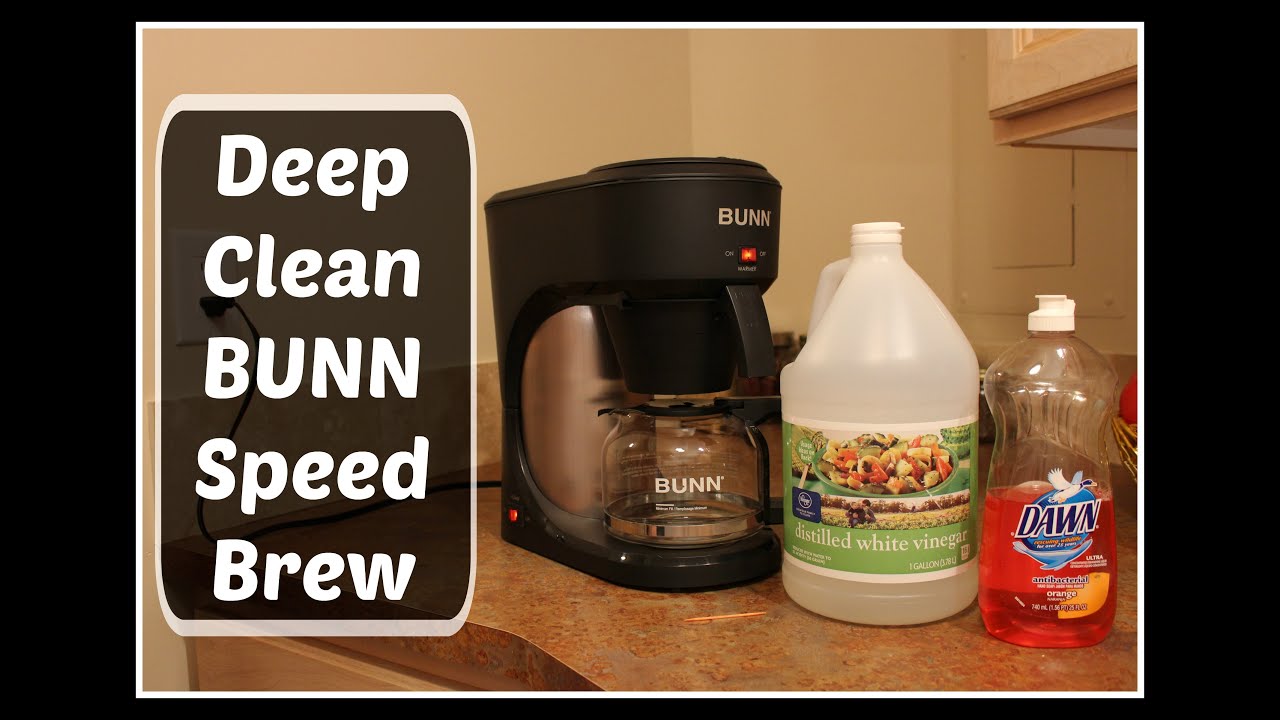
For most Bunn coffee makers, use a mixture of white vinegar and water. The best ratio is:
- 1 part vinegar to 2 parts water
For example, if your machine holds 10 cups of water, use about 3 cups of vinegar and 6 cups of water. Mix this solution in a measuring cup.
3. Pour The Vinegar Solution Into The Reservoir
Open the lid on top of your Bunn coffee maker. Slowly pour the vinegar solution into the water reservoir. Be careful not to spill.
4. Start A Brew Cycle
Place the empty carafe on the warming plate. Put the brew funnel (without coffee grounds) in place. Start the brewing process as you normally would. Let the machine run until about half of the vinegar solution has gone through.
5. Pause And Let It Soak
Turn off the coffee maker or stop the brewing process. Let the remaining vinegar solution sit inside the machine for 15-30 minutes. This soak time is important—it lets the vinegar break down any stubborn mineral buildup inside the tank and tubes.
6. Finish The Brew Cycle
Turn the machine back on and let the rest of the vinegar solution finish brewing into the carafe.
7. Rinse With Fresh Water
To remove the vinegar taste and smell, you need to rinse the machine well.
- Fill the reservoir with fresh, clean water (no vinegar).
- Run a full brew cycle with just water.
- Pour out the water when done.
Repeat this rinse step 2-3 times. This is important—if you skip this, your coffee will taste like vinegar next time!
8. Clean The Spray Head
The spray head (the small part where hot water comes out over the coffee grounds) can get clogged with minerals or coffee oils. To clean it:
- Unscrew the spray head (check your manual for help).
- Soak it in vinegar for 5-10 minutes.
- Use a toothpick or small brush to gently clean the holes.
- Rinse and screw it back on.
9. Wipe Down The Outside
Use a damp cloth to wipe the outside of the coffee maker. If you see coffee stains or fingerprints, a little mild dish soap can help. Dry with a clean towel.
10. Reassemble And Test
Once everything is dry, put the parts back together. Run one more brew cycle with just water to make sure everything is clean and working well.
How Often Should You Clean Your Bunn Coffee Maker?
Regular cleaning keeps your coffee tasting fresh and your machine running smoothly. Here’s a schedule most experts recommend:
- Daily: Rinse the carafe and brew funnel with warm, soapy water.
- Weekly: Clean the spray head and wipe the exterior.
- Monthly: Deep clean with vinegar (if you use your machine daily).
- Every 3-6 months: If you have hard water, you may need to clean with vinegar more often.
If your coffee starts tasting strange, or if the brewing slows down, it’s time to clean—even if it’s sooner than your regular schedule.
Comparison: Vinegar Cleaning Vs. Descaling Solutions
Some people use special descaling solutions instead of vinegar. Here’s how they compare:
| Factor | Vinegar | Descaling Solution |
|---|---|---|
| Cost | Very low | Medium to high |
| Availability | Easy (grocery store) | Specialty stores or online |
| Odor | Strong vinegar smell | Mild or no smell |
| Effectiveness | Good for most cases | Best for heavy buildup |
| Rinse cycles needed | 2-3 | 1-2 |
| Environmental impact | Eco-friendly | Varies by brand |
For most people, vinegar is enough to keep a Bunn coffee maker clean. If you have very hard water or heavy buildup, a commercial descaler may work better.

Credit: www.greggio.com
Common Mistakes To Avoid When Cleaning With Vinegar
It’s easy to make mistakes when cleaning your coffee maker. Here are some to watch out for:
- Using too much vinegar: More is not better. Too much vinegar can be hard to rinse out.
- Not rinsing enough: Leaving vinegar residue can make your coffee taste bad.
- Forgetting the spray head: This part often gets clogged and is easy to miss.
- Using hot water with vinegar: Always use cool or room-temperature vinegar and water to avoid damaging parts.
- Using apple cider vinegar: Only use white vinegar. Apple cider vinegar can leave a strong taste and color.
- Not checking your manual: Some Bunn models have special instructions or removable parts. Always check before cleaning.
Signs Your Bunn Coffee Maker Needs Cleaning
Sometimes, you may not remember when you last cleaned your coffee maker. Watch for these signs:
- Coffee tastes bitter or “off”
- Brewing takes longer than usual
- Machine makes more noise than normal
- Water doesn’t flow well or drips slowly
- Visible white or brown buildup inside the tank or spray head
- Foul smell from the machine
If you notice any of these, clean your Bunn coffee maker as soon as possible.
Tips For Keeping Your Coffee Maker Clean Longer
You can reduce buildup and keep your coffee maker cleaner between deep cleanings. Here’s how:
- Use filtered or bottled water: Tap water with lots of minerals causes more buildup.
- Empty and rinse the carafe after each use.
- Don’t leave water in the reservoir for days.
- Wipe the outside every week to prevent stains and dust.
- Let the machine cool before cleaning to avoid burns.
- Store the machine in a dry place to prevent mold.
Many users don’t realize that the quality of water makes a big difference. If you use hard water, minerals will build up faster, and you’ll need to clean more often.
Data: How Hard Water Affects Cleaning Needs
If you live in an area with hard water, your coffee maker will need cleaning more often. Here’s a quick look at how water hardness affects cleaning frequency:
| Water Type | Cleaning Frequency | Signs of Buildup |
|---|---|---|
| Soft (low minerals) | Every 2-3 months | Less common |
| Moderate | Monthly | Some buildup |
| Hard (high minerals) | Every 3-4 weeks | Frequent buildup |
Not sure about your water? You can check with your local water provider or use a home water test kit.
Safety Tips When Cleaning With Vinegar
While vinegar is safe, it’s still important to use it correctly. Here’s how to stay safe:
- Always unplug your coffee maker before cleaning.
- Never mix vinegar with bleach or other cleaners (it can make harmful fumes).
- Rinse your machine well after cleaning.
- If you have sensitive skin, wear gloves when handling vinegar.
- Avoid breathing in vinegar fumes directly.
If you have a commercial Bunn coffee maker (like in a restaurant), check the manual. Some larger machines need special cleaning methods.
Deep Cleaning: For Tough Buildup
If you haven’t cleaned your Bunn coffee maker for a long time, or if you see heavy buildup, you may need a deep cleaning. Here’s an extra step to help:
- After running the vinegar solution through, fill the reservoir with hot water and a few drops of dish soap.
- Run a full brew cycle.
- Rinse with fresh water 2-3 times after.
For very stubborn buildup, repeat the vinegar cleaning process twice.
What To Do If Vinegar Smell Won’t Go Away
Sometimes, even after rinsing, you may notice a vinegar smell. Here are some tips:
- Run extra brew cycles with just water.
- Let the machine air out with the lid open.
- Wipe down all removable parts with a clean, damp cloth.
If the smell still won’t go away, try adding a small amount of baking soda to the rinse water (about 1 teaspoon per carafe). This can help neutralize leftover acid.
How Bunn Coffee Makers Are Different
Bunn coffee makers are unique because they keep water hot inside the tank all the time. This means they’re always ready to brew coffee fast. But it also means that mineral deposits can form more quickly than in other brands.
Some Bunn models have a pour-over design, while others are connected directly to a water line. The steps in this guide work for both, but if your model is plumbed into a water line, always check your user manual for special instructions.
Many people don’t realize that the spray head shape in Bunn coffee makers is designed to spread water evenly over coffee grounds. If the spray head is clogged, coffee won’t brew correctly.
Example: How Cleaning Changed Coffee Flavor
Several users have shared their experiences online. One common story is that after cleaning with vinegar, their coffee tasted much better—richer, less bitter, and without strange aftertastes. Some noticed their machine brewed faster, too.
A study by the Specialty Coffee Association found that regular cleaning improved coffee flavor and machine performance by up to 30% compared to machines that were not cleaned.
Troubleshooting: If Your Coffee Maker Isn’t Working After Cleaning
If your Bunn coffee maker isn’t working right after cleaning, try these steps:
- Check if all parts are dry and reassembled correctly.
- Make sure there’s no leftover vinegar or soap inside.
- Look at the spray head—is it screwed on tightly?
- Try running a cycle with just water to clear any blockages.
- If problems continue, consult the user manual or contact Bunn customer service.
Sometimes, cleaning can loosen old buildup that then clogs a tube. If you notice slow brewing after cleaning, repeat the rinse cycle.
Credit: www.youtube.com
Maintenance Checklist For Bunn Coffee Makers
To keep your machine in top shape, here’s a simple checklist:
- Rinse carafe and funnel daily
- Clean spray head weekly
- Deep clean with vinegar monthly
- Wipe exterior weekly
- Use filtered water if possible
- Check for clogs or leaks regularly
Following this checklist will help your coffee maker last longer and make better coffee.
Table: Quick Cleaning Vs. Deep Cleaning
Here’s a simple comparison of quick daily cleaning versus monthly deep cleaning for your Bunn coffee maker:
| Task | Quick Cleaning (Daily) | Deep Cleaning (Monthly) |
|---|---|---|
| Rinse carafe and funnel | Yes | Yes |
| Clean spray head | No | Yes |
| Use vinegar solution | No | Yes |
| Wipe exterior | Yes | Yes |
| Check for clogs | No | Yes |
Credit: www.youtube.com
Frequently Asked Questions
How Much Vinegar Should I Use To Clean My Bunn Coffee Maker?
The best ratio is 1 part white vinegar to 2 parts water. For most Bunn machines, this means about 3 cups of vinegar and 6 cups of water. Always check your machine’s capacity and adjust as needed.
Can I Use Apple Cider Vinegar Instead Of White Vinegar?
No, you should only use white distilled vinegar. Apple cider vinegar can leave a strong taste and color inside your coffee maker. White vinegar is more effective and easier to rinse out.
How Often Should I Clean My Bunn Coffee Maker With Vinegar?
Most users should clean with vinegar once a month if they use the machine daily. If your water is very hard, you may need to clean every 3-4 weeks. Light users can clean every 2-3 months.
Will Cleaning With Vinegar Void My Bunn Warranty?
No, cleaning with vinegar will not void your Bunn warranty. In fact, Bunn recommends regular cleaning. However, always check your user manual for special instructions for your model. For more details, visit the official Bunn Support FAQ.
What If My Coffee Still Tastes Bad After Cleaning?
If your coffee still tastes off after cleaning, try these steps:
- Run more rinse cycles to remove any leftover vinegar.
- Check and clean the spray head.
- Use fresh, filtered water.
- Clean the carafe and brew funnel with mild soap.
If the taste doesn’t improve, there may be a deeper problem or a part that needs replacing.
Cleaning your Bunn coffee maker with vinegar is one of the easiest ways to enjoy fresh, delicious coffee every day. With the right routine, your machine will last longer and your coffee will always taste its best. Take a few minutes each month to care for your coffee maker—it’s a small effort with big rewards.