Skip to content
Cleaning a carbon steel wok is more than just scrubbing and rinsing. It’s about protecting the unique qualities of carbon steel, keeping the surface smooth, and ensuring your wok lasts for decades. If you’re new to using this traditional cookware, you might worry about rust, sticky residue, or losing that shiny, non-stick patina. Let’s make wok cleaning simple, practical, and stress-free. You’ll learn what to do after each use, how to deep clean, and how to fix common mistakes—even if your wok looks rusty or burnt.
Why Carbon Steel Woks Need Special Care
A carbon steel wok is different from stainless steel or non-stick pans. The metal is reactive, which means it can rust if left wet or exposed to acidic foods. Carbon steel also builds a natural non-stick layer called seasoning. This seasoning makes stir-frying easier and gives food a unique flavor.
Proper cleaning keeps seasoning intact and prevents rust. If you clean a carbon steel wok like a regular pan, you might damage it. For example, using harsh soap or scrubbing too hard can remove the seasoning and make the wok sticky.
That’s why knowing the right cleaning steps is important.
Cleaning After Daily Cooking
Most of the time, you only need a simple cleaning routine after cooking. Here’s how to keep your wok ready for the next meal without harming the seasoning.
Step-by-step Daily Cleaning
- Let the wok cool: Never add water to a hot wok; it can warp the metal.
- Rinse with warm water: Use warm, not hot, water to loosen food bits.
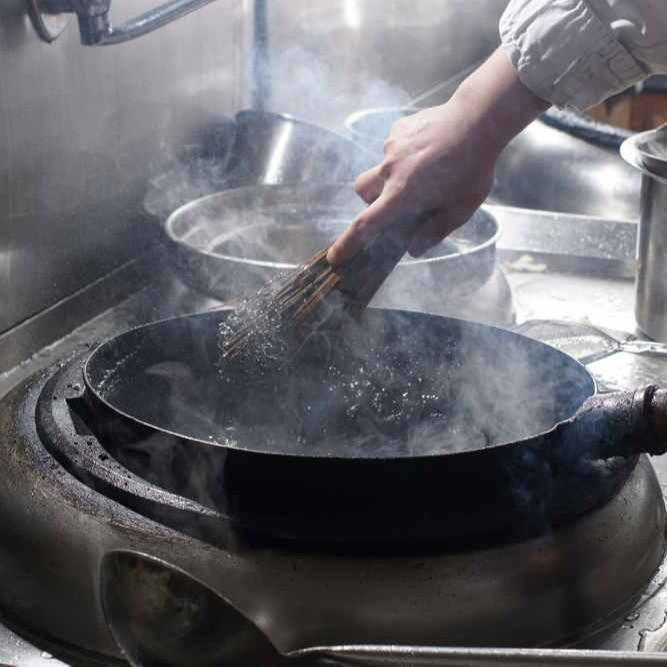
- Scrub gently: Use a soft sponge or bamboo brush. Avoid steel wool or rough pads.
- Dry completely: Wipe with a towel, then heat the wok on the stove until all moisture is gone.
- Apply a thin oil layer: Use a paper towel to rub a small amount of cooking oil on the surface. This protects the seasoning and prevents rust.
Why You Should Avoid Soap
Soap can strip away the seasoned layer of your wok. That layer is what makes the wok non-stick and gives it flavor. If you must use soap (for tough stains), use only a tiny amount and rinse very well.
Common Daily Mistakes
- Leaving the wok wet can cause rust.
- Using rough pads can scratch the surface.
- Storing without oil can dry out the wok.
Deep Cleaning: When And How
Sometimes your wok needs more than daily cleaning—especially if you see burnt food, sticky residue, or rust. Deep cleaning is different from regular cleaning and requires a few special steps.
Signs You Need Deep Cleaning
- Food sticks more than usual
- Black flakes or burnt spots appear
- The wok feels rough or uneven
- Visible rust
Deep Cleaning Process
- Remove burnt food: Fill the wok with warm water and let it soak for 10–15 minutes. Scrape gently with a bamboo brush.
- Use salt for scrubbing: Sprinkle coarse salt (like kosher salt) on the surface. Rub with a paper towel or soft brush to remove stuck-on bits without damaging seasoning.
- Rinse and dry: Rinse thoroughly, dry with a towel, and heat on the stove to evaporate water.
- Re-season if needed: If the seasoning looks patchy or dull, apply oil and heat the wok until it smokes lightly. This restores the protective layer.
Dealing With Rust
Rust can develop quickly if the wok is left wet. Here’s how to fix it:
- Scrub the rust with salt and a soft brush.
- Rinse, dry, and heat until all moisture is gone.
- Apply oil and heat to rebuild seasoning.
When Soap Is Safe
If your wok is new or has heavy burnt residue, a small amount of mild soap is okay—but only before seasoning. Once your wok is seasoned, avoid soap unless absolutely necessary.
Comparing Carbon Steel To Other Cookware
It’s helpful to see how carbon steel woks compare to other types when it comes to cleaning and maintenance. Here’s a quick overview:
| Cookware Type | Cleaning Method | Risk of Rust | Seasoning Needed |
|---|---|---|---|
| Carbon Steel Wok | Hand wash, dry, oil | High | Yes |
| Stainless Steel Pan | Dishwasher or hand wash | Low | No |
| Non-Stick Pan | Gentle hand wash | Very low | No |
| Cast Iron Skillet | Hand wash, dry, oil | High | Yes |
Carbon steel and cast iron need similar care, while stainless steel and non-stick are easier but less durable.
Credit: schoolofwok.co.uk
How To Re-season Your Wok
After deep cleaning or removing rust, your wok might need re-seasoning. This is the process of building up the non-stick layer again.
Steps For Re-seasoning
- Clean thoroughly: Remove old seasoning, rust, and residue.
- Dry completely: Heat the wok until all water evaporates.
- Add oil: Use a high-smoke point oil (like grapeseed, canola, or peanut oil). Pour a small amount and spread with a paper towel.
- Heat on stove: Place the wok over medium-high heat until the oil starts to smoke. Move the wok around to coat all sides.
- Repeat: For a strong seasoning, repeat oiling and heating 2–3 times.
Oil Comparison For Seasoning
Choosing the right oil matters. Here’s a comparison:
| Oil Type | Smoke Point (°F) | Best For Seasoning? |
|---|---|---|
| Grapeseed Oil | 420 | Yes |
| Canola Oil | 400 | Yes |
| Peanut Oil | 450 | Yes |
| Olive Oil | 375 | No |
| Vegetable Oil | 400 | Yes |
High-smoke point oils are best because they don’t burn easily and create a stable, non-stick layer.
Practical Tips For Preventing Problems
Carbon steel woks can develop issues if not cared for properly. Here’s how to avoid common pitfalls:
- Always dry your wok after washing. Even a small amount of water can cause rust.
- Store your wok in a dry place. Avoid leaving it near the sink or in a humid kitchen.
- Use your wok regularly. Cooking with oil helps maintain seasoning.
- If you see sticky spots, they may be from too much oil during seasoning. Wipe off excess oil before heating.
- Never soak your wok for long periods. This weakens the metal and causes rust.
- For stubborn food, use salt instead of harsh cleaners.
Non-obvious Insights
- Seasoning color: A well-seasoned wok is dark brown, not black. If your wok is jet black, it may be burnt and should be reseasoned.
- Smell test: If your wok smells rancid or sour, the oil used for seasoning has gone bad. Clean and reseason to fix this.
You may also like: Best Woks for Home Use
Cleaning Tools: What Works Best
Choosing the right cleaning tools makes wok care easier. Here’s what to use:
- Soft sponge: Safe for daily cleaning.
- Bamboo brush: Traditional and gentle.
- Paper towels: Good for oiling and wiping.
- Coarse salt: Removes stuck-on food without harming seasoning.
- Tongs: Use to hold paper towels when oiling a hot wok.
Avoid steel wool, wire brushes, or abrasive pads. These remove seasoning and scratch the surface.
Quick Guide: Cleaning Frequency
How often should you clean and season your wok? Here’s a summary:
| Situation | Cleaning Method | Seasoning Needed? |
|---|---|---|
| After daily use | Rinse, dry, oil | No |
| Burnt residue | Soak, scrub, salt | If seasoning is damaged |
| Rust | Scrub, rinse, dry | Yes |
| Sticky spots | Salt scrub | Maybe |
| New wok | Wash, season | Yes |
Most woks only need seasoning a few times per year unless you cook often or clean deeply.
:max_bytes(150000):strip_icc()/wok-cleaning-supplies-grace-young-0323-2000-4d528b2c418c451982c1c3694f632baf.jpg)
Credit: www.marthastewart.com
Real Example: Cleaning A Rusty Wok
Imagine you forgot to dry your wok and found rust the next day. Here’s how to fix it:
- Sprinkle coarse salt on the rusty area.
- Rub gently with a damp paper towel or bamboo brush.
- Rinse and dry thoroughly.
- Heat on the stove until completely dry.
- Apply a thin layer of oil, heat until it smokes, then cool.
- Repeat oiling and heating for strong seasoning.
Most rust can be removed in one cleaning session. If rust returns, your kitchen might be too humid—store your wok in a drier spot.
Expert Guidance: What Beginners Often Miss
- Using too much oil during seasoning can cause sticky, uneven layers. Always wipe off excess oil.
- Don’t panic if your wok loses its non-stick ability. Re-seasoning solves most problems.
- Acidic foods (like tomatoes or vinegar) can remove seasoning. Limit their use, or re-season after cooking them.
- The seasoning layer builds over time. New woks may stick at first, but regular use and proper care will improve them.
For more details about carbon steel cookware, see this Wikipedia article.
Frequently Asked Questions
How Often Should I Season My Carbon Steel Wok?
You should season your wok when the surface looks dull, sticky, or rusted. For most home cooks, seasoning 2–3 times per year is enough. If you cook daily, you may need to season more often.
Can I Use Soap To Clean My Carbon Steel Wok?
Avoid soap unless you have burnt residue or are preparing to season a new wok. Soap can strip away seasoning. If you must use soap, rinse thoroughly and re-season if needed.
What Is The Best Oil For Seasoning A Wok?
High-smoke point oils like grapeseed, canola, peanut, or vegetable oil are best. These oils create a stable, non-stick layer without burning or smoking too much.
Why Does My Wok Rust Even After Drying?
Rust can form if your kitchen is humid or if you skip the oil layer after drying. Always apply a thin layer of oil and store your wok in a dry place. If rust appears, clean and re-season promptly.
Can I Clean My Wok In The Dishwasher?
No, never put a carbon steel wok in the dishwasher. The harsh detergents and water exposure will damage the seasoning and cause rust. Always hand wash, dry, and oil your wok.
Taking care of your carbon steel wok is simple when you understand its needs. With these steps, you’ll enjoy better stir-frying, longer-lasting cookware, and less stress in the kitchen. Good wok care is the key to delicious meals and a happy cooking experience.