Cleaning a non stick frying pan may seem easy at first, but doing it right keeps your pan in great shape and helps your food cook better. Many people make simple mistakes, like scrubbing too hard or using the wrong products. These mistakes can damage the non stick coating, making your pan less effective and shortening its lifespan.
Knowing the proper cleaning steps can save you money and keep your kitchen safer. If you want to enjoy perfect eggs, pancakes, or stir-fries, learning how to clean a non stick frying pan is essential.
Why Non Stick Pans Need Special Care
Non stick pans use a special coating, often Teflon or ceramic, to stop food from sticking. This coating is thin and sensitive. Scratches or strong chemicals can ruin it. Unlike metal pans, you cannot use abrasive sponges, steel wool, or harsh oven cleaners. Even dishwasher cycles can be too rough.
A 2026 survey found that 45% of home cooks damaged their non stick pans within the first year, mainly due to cleaning mistakes. Replacing pans often is expensive and wasteful. Understanding why these pans need gentle care helps you avoid common errors and extends the life of your cookware.
Cleaning Tools And Products: What To Use And Avoid
Choosing the right tools is the first step in cleaning your non stick frying pan safely. Let’s compare some popular options:
| Tool/Product | Safe for Non Stick? | Effectiveness | Notes |
|---|---|---|---|
| Soft sponge | Yes | High | Best for daily cleaning |
| Microfiber cloth | Yes | Medium | Great for drying and wiping |
| Dish soap | Yes | High | Use mild, unscented soap |
| Steel wool | No | Very High | Damages coating |
| Baking soda | Yes (with care) | Medium | For tough stains, gentle use |
| Dishwasher | No | Varies | Risk of coating damage |
| Plastic scrubber | Yes | Medium | Use gently |
Most non stick pans only need a soft sponge and mild dish soap. Avoid rough scrubbers and strong chemicals.
Step-by-step Guide: Daily Cleaning For Non Stick Frying Pan
Proper daily cleaning prevents build-up and protects your pan’s surface.
- Let the pan cool: Never wash a hot pan. Sudden temperature changes can warp the pan or damage the coating.
- Wipe away crumbs: Use a paper towel or soft cloth to remove loose food bits.
- Use warm water: Fill the sink or a basin with warm (not hot) water.
- Add mild dish soap: Choose a gentle, unscented soap. Avoid products with bleach or ammonia.
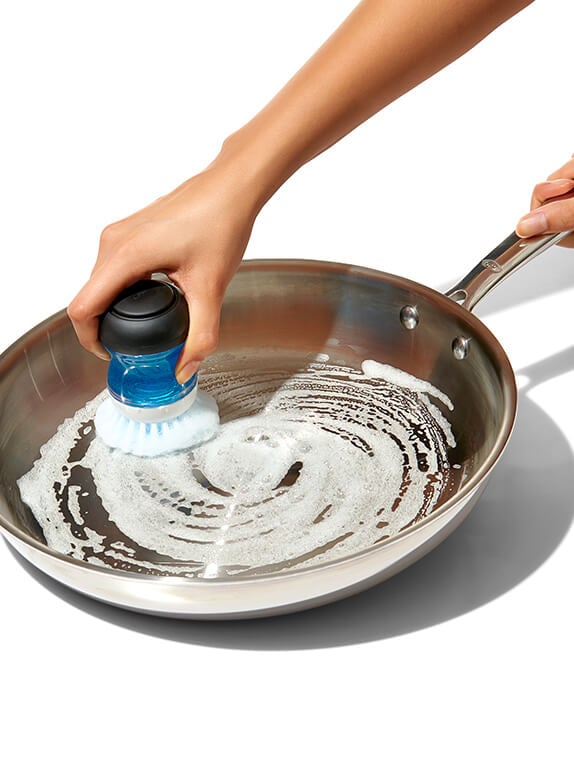
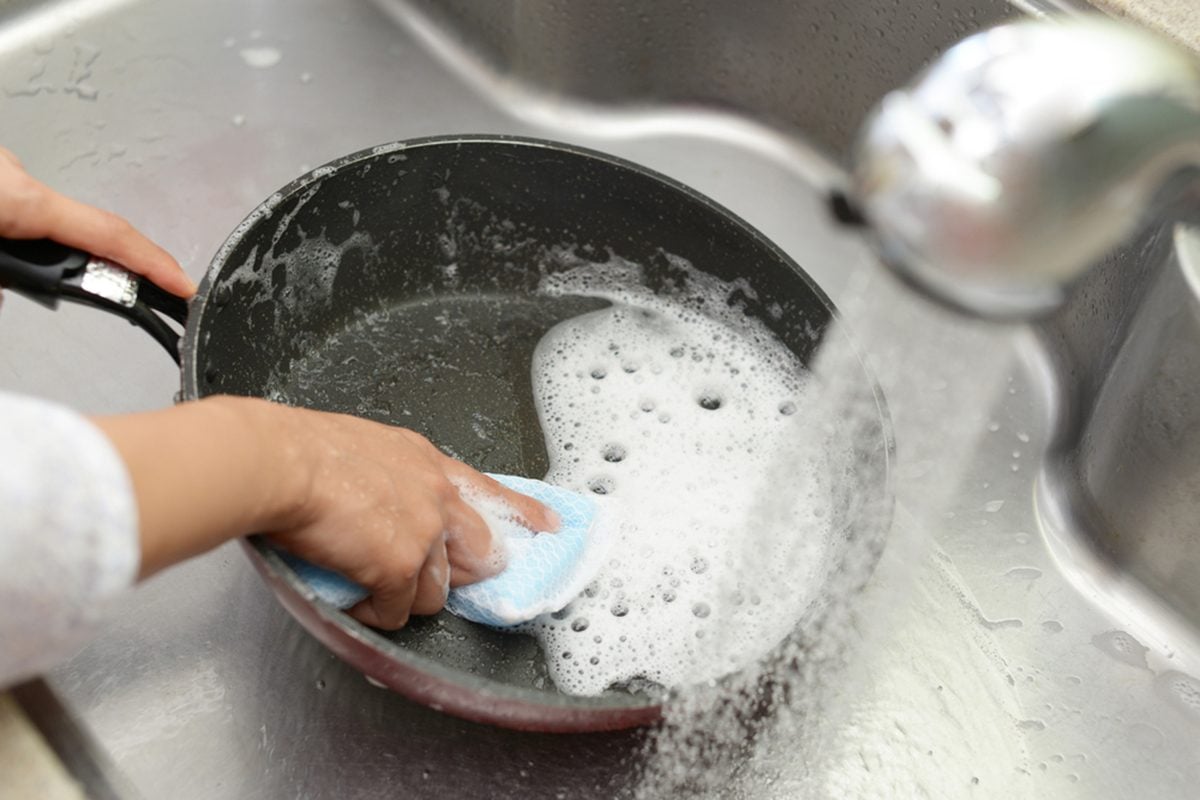
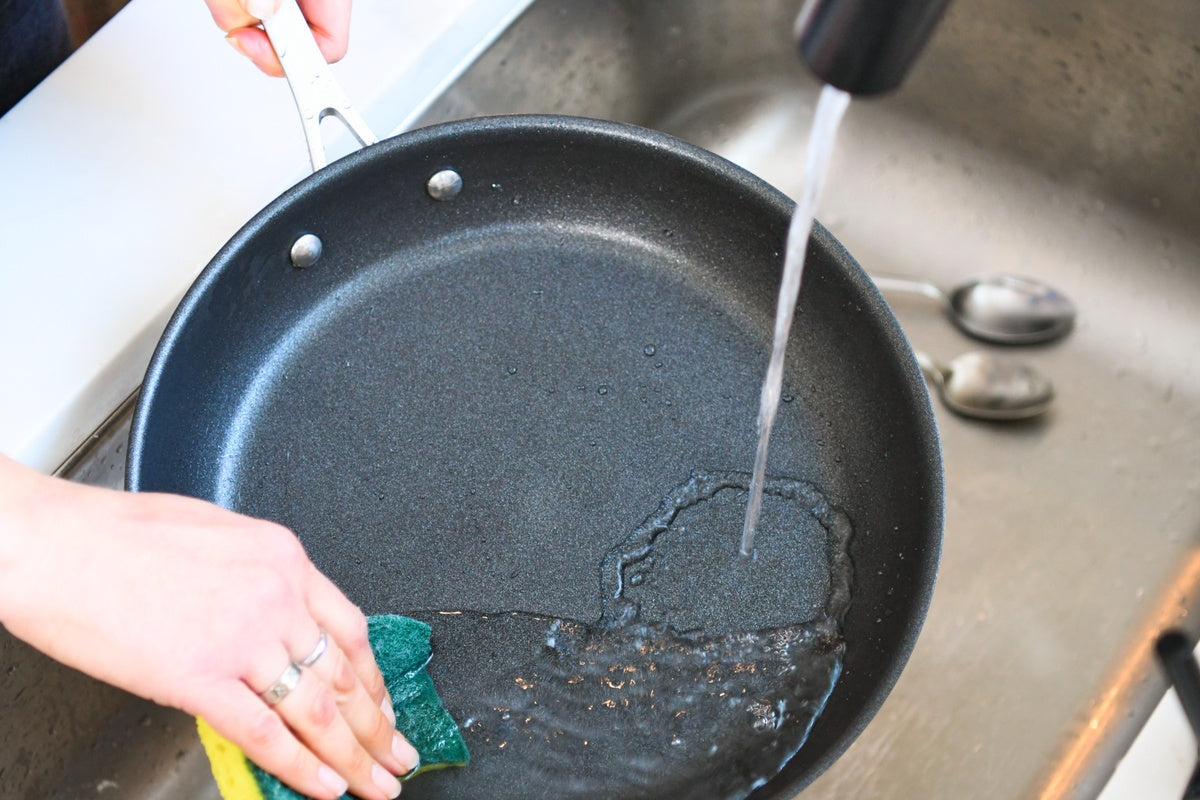
- Clean with a soft sponge: Gently scrub the pan’s surface. Don’t press too hard.
- Rinse thoroughly: Remove all soap residue. Soap left behind can affect taste and damage the coating.
- Dry completely: Use a microfiber cloth or air-dry. Never stack wet pans in the cabinet.
Many people skip drying, but water spots can lead to stains or rust on the base. Taking this extra step keeps your pan looking new.
Deep Cleaning: Removing Stubborn Stains And Residue
Sometimes, food sticks or oil leaves a greasy film. Deep cleaning once every few weeks keeps your pan fresh.
Removing Burnt Food
If food is stuck, avoid scraping. Instead, try this method:
- Fill the pan with warm water and a few drops of dish soap.
- Let it soak for 15–30 minutes.
- Use a soft sponge to loosen the residue.
- For tough spots, sprinkle a little baking soda and gently rub.
Baking soda is safe if used lightly. Don’t use it daily, as it can wear the coating over time.
Tackling Grease And Oil
Oil buildup can make your pan sticky. For grease:
- Mix equal parts vinegar and water (about 1/4 cup each).
- Pour into the pan and heat for 2–3 minutes on low.
- Let cool, then wipe with a sponge.
- Rinse well.
This method cuts through grease without harming the non stick layer.
Dealing With Discoloration
Some pans get dark spots or lose shine. These are usually from oil or burnt bits. If regular cleaning doesn’t help:
- Make a paste of baking soda and water.
- Spread gently on the stains.
- Leave for 10 minutes, then wipe and rinse.
Avoid scrubbing hard. If stains remain, repeat after a few days.
Credit: www.oxo.com
Common Mistakes That Damage Non Stick Frying Pans
Many people unknowingly damage their pans by making these mistakes:
- Using metal utensils: Metal can scratch the coating, causing food to stick and the pan to wear out.
- Washing in the dishwasher: Even if labeled “dishwasher safe,” cycles and detergents can harm the coating.
- Scrubbing with abrasive pads: Steel wool or rough pads remove the non stick layer.
- Using high heat: Non stick pans work best on low or medium heat. High heat can break down the coating and release harmful fumes.
- Storing pans without protection: Stacking pans can cause scratches. Place a soft cloth between pans.
- Not drying after cleaning: Water left on pans can cause stains or rust on the base.
Avoiding these mistakes is one of the easiest ways to prolong your pan’s life.
How Often Should You Clean And Deep Clean?
Every time you cook, you should clean your pan with soap and water. Deep cleaning is needed less often.
| Cleaning Type | Frequency | Purpose |
|---|---|---|
| Daily cleaning | After every use | Removes food and oil |
| Deep cleaning | Every 2–4 weeks | Removes stains and buildup |
| Discoloration removal | When needed | Restores shine |
If you fry often or cook oily foods, deep cleaning may be needed more frequently. If you use your pan less, once a month is enough.
Safe Storage Tips For Non Stick Frying Pans
Proper storage is part of keeping your pan clean and undamaged.
- Always dry your pan completely before storing.
- Do not stack pans directly; place a pan protector or soft cloth between pans.
- Store in a cool, dry place. Avoid humid cabinets.
- Hanging pans is safe, as long as hooks are padded.
Stacking pans without protection is one of the leading causes of scratches. Using a simple cloth can prevent this.
Can You Use The Dishwasher For Non Stick Frying Pans?
Most manufacturers warn against putting non stick pans in the dishwasher. Even if your pan says “dishwasher safe,” hand washing is better. Dishwasher detergents and high heat can damage the coating.
A 2026 study found that dishwasher use reduced non stick lifespan by 30% compared to hand washing. If you must use a dishwasher:
- Place the pan on the top rack.
- Use gentle detergent.
- Avoid high heat cycles.
But hand washing is always safer and keeps your pan lasting longer.
How To Clean Non Stick Frying Pan After Cooking Sticky Foods
Some foods, like caramel, cheese, or sugary sauces, stick more than others. After cooking sticky foods:
- Let the pan cool.
- Fill with warm water and soap; let soak for 30 minutes.
- Use a soft sponge to loosen stuck bits.
- For extra tough spots, use a little baking soda.
- Rinse and dry.
Never use knives or metal tools to scrape sticky food. This can ruin the coating quickly.
Cleaning Non Stick Frying Pan With Natural Products
Many people prefer natural cleaning products for health and safety. Here are some safe options:
- Baking soda: Removes stains and odors when used gently.
- White vinegar: Cuts through grease without harming the coating.
- Lemon juice: Freshens the pan and removes mild stains.
Mixing these products makes a safe cleaning solution. For example, a paste of baking soda and lemon juice can handle mild discoloration.
Credit: www.tasteofhome.com
Comparing Non Stick Frying Pan Brands: Cleaning And Durability
Different brands offer pans with various coatings, thickness, and cleaning needs. Here’s a quick comparison:
| Brand | Coating Type | Cleaning Ease | Durability |
|---|---|---|---|
| Tefal | Teflon | Easy | Medium |
| GreenPan | Ceramic | Easy | High |
| Calphalon | Teflon | Medium | Medium |
| All-Clad | PTFE | Easy | High |
| Cuisinart | Ceramic | Easy | Medium |
Ceramic coatings are often more durable but can be sensitive to sudden temperature changes. Teflon pans are easier to clean but require gentle handling.
Seasoning And Maintaining Non Stick Frying Pan
Some pans benefit from occasional seasoning. This is not the same as cast iron seasoning, but it helps keep the coating smooth.
To season:
- Wash and dry the pan.
- Add a few drops of vegetable oil.
- Use a paper towel to spread the oil over the surface.
- Heat the pan on low for 1–2 minutes.
- Let cool and wipe excess oil.
Seasoning once every few months can improve performance, especially for older pans.
Signs You Need To Replace Your Non Stick Frying Pan
No matter how well you clean, all non stick pans wear out eventually. Signs you need a new pan:
- Coating is peeling: Pieces of coating come off during cooking.
- Food sticks often: Even after cleaning, food sticks more than before.
- Pan is warped: The base is not flat, causing uneven cooking.
- Stains won’t come off: Deep stains or burns remain after cleaning.
- Rust on the base: Rust means the pan is no longer safe.
Most non stick pans last 2–5 years with proper care. Replacing them when worn protects your health and improves cooking.
Extra Tips For Long-lasting Non Stick Frying Pans
Here are some expert tips people often miss:
- Preheat with care: Always add oil or butter before heating. Dry heating damages the coating.
- Avoid cooking sprays: Sprays leave a sticky residue that is hard to clean.
- Use wooden or silicone utensils: These are safe and prevent scratches.
- Never use cold water on hot pans: This causes warping and cracks.
- Store away from heat: Don’t leave pans on stovetops or near ovens when not in use.
Most home cooks overlook these details, but following them can double your pan’s lifespan.
Credit: americankitchen.com
Environmental Impact: Why Proper Cleaning Matters
Every year, millions of non stick pans are thrown away because of cleaning mistakes. Landfills fill up with cookware that could have lasted longer. Proper cleaning not only saves you money but also helps the environment.
Choosing gentle, natural cleaning products reduces chemical waste. Hand washing uses less water and energy than dishwashers. Small changes in your routine can make a big difference.
When Professional Cleaning Is Needed
Most pans can be cleaned at home. But if you have a pan with deep burns or tough stains that don’t come off, consider professional cleaning. Some local cookware shops offer cleaning services. They use gentle products and tools designed for non stick surfaces.
Professional cleaning is rarely needed, but it can save a pan that would otherwise be thrown away.
Frequently Asked Questions
How Do I Clean A Non Stick Frying Pan After Cooking Eggs?
Let the pan cool, then wipe away any leftover bits with a paper towel. Fill the pan with warm water and a few drops of mild dish soap. Use a soft sponge to gently clean the surface. Rinse and dry completely.
Avoid scrubbing too hard, as eggs can leave a thin film that comes off with gentle cleaning.
Can I Use Baking Soda To Clean My Non Stick Pan?
Yes, baking soda is safe for removing tough stains if used gently. Sprinkle a small amount on the stain, add water to make a paste, and rub with a soft sponge. Do not use baking soda daily, as frequent use can wear down the coating.
What Should I Do If My Non Stick Pan Has A Sticky Residue?
Soak the pan in warm water with dish soap for 30 minutes. If the residue remains, try a solution of vinegar and water, heating gently for a few minutes. Wipe clean with a soft sponge. Avoid using metal tools or harsh scrubbers.
Is It Safe To Put A Non Stick Pan In The Dishwasher?
Hand washing is always safer. Dishwashers can damage the coating with high heat and strong detergents. If you must use a dishwasher, place the pan on the top rack, use gentle detergent, and avoid high heat. For more details, see the manufacturer’s instructions or visit Wikipedia Non-stick Cookware.
How Long Do Non Stick Frying Pans Usually Last?
With proper care, non stick pans last 2–5 years. Signs of wear include peeling coating, sticking food, and deep stains. Replacing your pan when it’s worn out keeps your cooking safe and effective.
Cleaning your non stick frying pan the right way is simple, but it takes some attention and care. By following these steps, using gentle tools, and avoiding common mistakes, you can enjoy easy cooking and a pan that lasts for years. Small habits, like drying your pan and using safe utensils, make a big difference. Keep your kitchen safe, save money, and help the planet by treating your non stick pan with care every day.