Plastic cutting boards are a staple in most kitchens. They’re lightweight, affordable, and often dishwasher-safe. But because you use them to prepare everything from raw meat to fresh veggies, keeping them clean is not just about looks—it’s crucial for food safety. Dirty boards can harbor harmful bacteria, and even small bits of leftover food can cause bad smells or stains. Luckily, with the right steps, you can keep your plastic cutting boards safe, fresh, and looking almost new.
This guide will show you how to clean plastic cutting boards the right way, from daily care to deep cleaning. You’ll learn simple tricks, common mistakes to avoid, and how to prevent stains and odors. Whether you’re a home cook or just starting out, these tips will help you build safe kitchen habits.
Why Plastic Cutting Boards Need Special Care
Plastic boards are less porous than wood, so they don’t absorb juices as easily. But they do develop knife marks over time. These grooves can trap bits of food and bacteria. Studies show that bacteria can survive on cutting boards for hours, sometimes even after a quick rinse. That’s why regular cleaning is not enough—you need to clean properly and sometimes disinfect.
Here’s a quick comparison of cleaning needs for different board materials:
| Material | Cleaning Difficulty | Bacterial Risk | Dishwasher Safe? |
|---|---|---|---|
| Plastic | Easy | Medium (grooves trap bacteria) | Usually |
| Wood | Medium | Lower (natural antibacterial) | No |
| Bamboo | Medium | Low | No |
| Glass | Easy | Very Low | Yes |
Plastic is easy to clean, but you must stay vigilant about bacteria hiding in scratches.
Daily Cleaning: The Basics
Washing your cutting board after each use seems obvious, but how you do it makes a big difference. Here’s the best way to clean a plastic cutting board every day:
- Rinse immediately: Right after use, scrape off food scraps and rinse under hot water. This prevents food from drying and sticking.
- Scrub with soap: Use a sponge or scrub brush and dish soap. Pay extra attention to knife grooves.
- Rinse thoroughly: Make sure there’s no soap or food residue left.
- Dry upright: Stand the board on its edge or use a rack so both sides dry completely. Bacteria thrive in moisture.
If your board is dishwasher-safe, running it through the dishwasher on a hot cycle is one of the easiest ways to sanitize it.
Common Mistakes In Daily Cleaning
- Skipping the scrub: A quick rinse is not enough. Bacteria can stick inside grooves.
- Letting the board stay wet: Always dry it upright. Stacking wet boards can lead to mildew.
- Using the same board for everything: Cross-contamination happens when you cut raw meat and then veggies without washing.
Credit: www.youtube.com
Deep Cleaning And Disinfecting
Regular washing removes most germs, but sometimes you need a deeper clean—especially after cutting raw meat or fish. Disinfecting helps eliminate bacteria that regular soap can miss.
How To Disinfect Plastic Cutting Boards
There are several methods, depending on what you have at home:
1. Bleach Solution
- Mix 1 tablespoon of unscented liquid chlorine bleach with 1 gallon of water.
- Soak the board for 2-3 minutes.
- Rinse thoroughly with hot water.
- Air dry standing up.
Bleach is highly effective, but don’t use too much. Always rinse well to remove any residue.
2. White Vinegar
- Spray or wipe the board with undiluted white vinegar.
- Let it sit for 5 minutes.
- Rinse and dry.
Vinegar is less harsh than bleach and good for regular disinfecting, but not as strong for raw meat bacteria.
3. Hydrogen Peroxide
- Pour 3% hydrogen peroxide over the board.
- Let it bubble for a few minutes.
- Rinse and dry.
Hydrogen peroxide is a safe disinfectant for plastic and leaves no taste.
4. Dishwasher (high-temp)
Most plastic boards can go in the dishwasher. Use the sanitize or hottest cycle for best results. Check your board for a dishwasher-safe symbol first.
Deep Cleaning For Odors And Stains
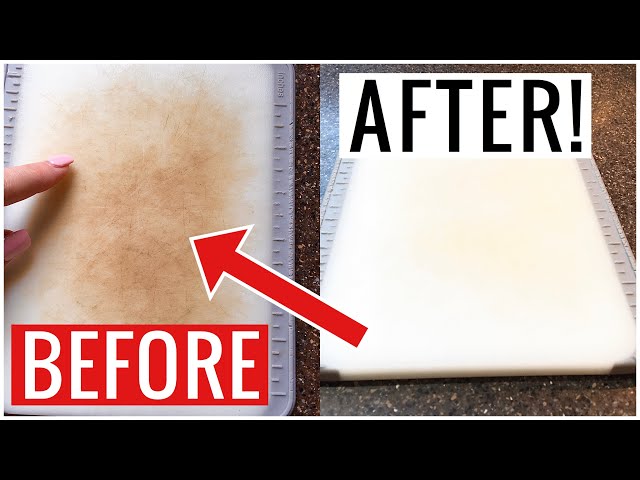
Plastic can stain from foods like beets, carrots, or turmeric. It can also pick up smells from garlic or fish.
- Baking soda paste: Mix baking soda with a little water to make a paste. Scrub the board, let it sit for 10 minutes, then rinse.
- Lemon and salt: Sprinkle coarse salt, rub with half a lemon, and rinse. This helps both stains and smells.
- Sunlight: After cleaning, leave the board in direct sunlight for a few hours. UV light helps fade stains and kill bacteria naturally.
Here’s a quick table comparing disinfectant methods for plastic boards:
| Method | Effectiveness | Best For | Notes |
|---|---|---|---|
| Bleach | High | Raw meat, deep cleaning | Must rinse well, use gloves |
| Vinegar | Medium | Everyday use, mild odors | Not as strong as bleach |
| Hydrogen Peroxide | High | Stains, bacteria | No strong smell |
| Dishwasher | High | Routine cleaning | Check board’s label |
Removing Tough Stains And Odors
Sometimes, regular cleaning isn’t enough. Here are some practical tips for stubborn stains and lingering smells:
- Soak in baking soda solution: Mix 4 tablespoons of baking soda in 1 quart of warm water. Soak the board for an hour, then scrub.
- Hydrogen peroxide soak: For strong odors, soak the board in hydrogen peroxide for 10 minutes, then rinse.
- Sun bleach: After cleaning, leave your board in the sun for a few hours. Natural sunlight can fade stains and freshen odors.
Insight: Many people try to sand stains off with steel wool or harsh scrubbers. This actually creates deeper grooves, making bacteria problems worse. Always use a plastic-safe scrub pad.

Credit: www.youtube.com
Preventing Cross-contamination
Cross-contamination happens when bacteria from raw meat spread to other foods. The CDC reports that improper cleaning of cutting boards is a leading cause of kitchen-related foodborne illness.
Best practice: Use separate boards for raw meat and other foods. Color-coded boards are popular for this reason.
Here’s how you can organize:
- Red board: Raw meat
- Green board: Fruits and vegetables
- Blue board: Fish and seafood
- Yellow board: Poultry
If you use only one board, always wash and disinfect it after raw meat or fish, before using it for anything else.
When To Replace Your Plastic Cutting Board
Even with the best cleaning, plastic boards don’t last forever. Over time, deep grooves and stains can make them unsafe. But how do you know when it’s time to buy a new one?
Look for these signs:
- Deep grooves you can’t clean: If a brush can’t reach into knife marks, bacteria can hide there.
- Permanent stains or smells: If stains or odors remain after deep cleaning, the board may be compromised.
- Warping or melting: High dishwasher heat can sometimes warp thin plastic boards.
Most experts suggest replacing plastic cutting boards every 1-3 years, depending on use. If you cook daily, check your board every few months.
Here’s a quick comparison of board lifespan:
| Board Type | Average Lifespan | Key Replacement Signs |
|---|---|---|
| Plastic | 1-3 years | Deep grooves, stains, odors, warping |
| Wood | 5-10 years | Splits, deep cracks, stains |
| Bamboo | 3-5 years | Splitting, rough surface |
Non-obvious insight: Some people try to extend their board’s life by trimming the surface with a knife or sanding. This can make the board uneven or unsafe. It’s better to replace it when in doubt.
Simple Maintenance Tips For Long-lasting Boards
Maintaining your plastic cutting board is more than just cleaning. Here are a few extra tips to keep it in top shape:
- Avoid harsh abrasives: These scratch the surface, making it harder to clean.
- Don’t use for hot pans: High heat can warp or melt plastic.
- Store upright: This keeps both sides dry and reduces the risk of mold.
- Check labels: Some boards are not dishwasher-safe. Always check the manufacturer’s instructions.
If you’re looking for more about food safety and cutting boards, the CDC’s food safety guide has practical advice.
Frequently Asked Questions
How Often Should I Disinfect My Plastic Cutting Board?
You should disinfect your plastic cutting board at least once a week, or any time you use it for raw meat, poultry, or seafood. This helps kill bacteria that regular washing might miss.
Can I Use Bleach On Colored Plastic Cutting Boards?
Yes, but use it sparingly. Bleach can sometimes fade colored boards, but it’s safe if you rinse well. Always mix bleach with water and never use it full-strength.
What Should I Do If My Plastic Cutting Board Smells Bad After Cleaning?
Try a baking soda paste or a hydrogen peroxide soak. If the odor remains, it may be time to replace the board, as smells can signal trapped bacteria.
Are All Plastic Cutting Boards Dishwasher-safe?
No, not all are. Check your board for a dishwasher-safe symbol or the manufacturer’s instructions. Thin or flexible boards may warp in high heat.
Is It Safe To Use A Plastic Cutting Board With Deep Knife Grooves?
No. Deep grooves are hard to clean and can hold bacteria. If your board has many deep cuts, it’s safer to replace it.
Keeping your plastic cutting boards clean is simple but essential. By following these steps, you can keep your kitchen safe, your food tasting fresh, and your boards lasting longer. Just remember: regular cleaning, proper disinfecting, and knowing when to replace make all the difference.

Credit: southgeorgiastyle.com