A stainless steel water bottle is a smart choice for your health and the environment. It keeps your drinks cold or hot, is durable, and helps reduce plastic waste. But to enjoy all these benefits, you must keep your bottle clean.
Even though stainless steel resists rust and stains, bacteria, mold, and bad smells can still build up if you don’t wash it properly. Many people rinse with water and think that’s enough. However, regular and deep cleaning is necessary to keep your bottle safe and tasting fresh.
Let’s explore how to clean a stainless steel water bottle the right way, avoid common mistakes, and make your bottle last longer.
Why Clean Your Stainless Steel Water Bottle Often?
Even if you only drink water, your bottle can collect germs, mold, and residue. Warm, dark places with moisture are perfect for bacteria to grow. When you drink directly from the bottle, you introduce bacteria from your mouth. If you add juice, coffee, or smoothies, sugars and acids can leave sticky residue or stains.
A 2017 study found that reusable water bottles can have more bacteria than the average dog bowl or kitchen sink. The good news: stainless steel is non-porous and less likely to hold bacteria than plastic. But without cleaning, bad smells and even harmful germs can still become a problem.
What You Need To Clean A Stainless Steel Water Bottle
Having the right tools makes cleaning faster and more effective. Here are the basics:
- Warm water
- Dish soap
- Bottle brush (long enough to reach the bottom)
- Soft sponge
- Cleaning tablets (optional, for deep cleaning)
- White vinegar
- Baking soda
- Small brush or old toothbrush (for the cap or lid)
- Clean towel
Try to avoid using steel wool or harsh scrubbers, as they can scratch the bottle’s surface.
Daily Cleaning: The Essential Routine
A quick rinse alone is not enough. For daily use, follow these steps:
- Empty the bottle completely after use.
- Fill with warm water and add a drop of dish soap.
- Use a bottle brush to scrub the inside, reaching all corners and the bottom.
- Scrub the lid or cap separately, using a toothbrush for small parts or rubber seals.
- Rinse thoroughly with clean water to remove all soap.
- Leave the bottle and cap to air dry upside down on a towel.
Tip: If you use your bottle for anything other than water, clean it immediately after finishing your drink. Sugary or milky drinks can spoil fast and make cleaning harder.
Deep Cleaning: Weekly Or After Strong Odors
If you notice a smell, see stains, or use your bottle for coffee, tea, or flavored drinks, it’s time for a deep clean. Here are three proven methods:
1. Vinegar Soak
- Fill the bottle halfway with white vinegar, then add water to fill.
- Close and shake well.
- Let it sit for at least 30 minutes (overnight for strong odors).
- Pour out the mixture and scrub with a bottle brush.
- Rinse several times with clean water.
2. Baking Soda Paste
- Mix 2 tablespoons baking soda with a little water to make a paste.
- Spread the paste inside the bottle and on the lid.
- Scrub gently with a bottle brush or sponge.
- Rinse thoroughly.
3. Cleaning Tablets
Some brands sell cleaning tablets made for water bottles. Drop one in, fill with water, and let it fizz according to the instructions. This is a simple option if you’re in a hurry or want a deep clean without scrubbing.
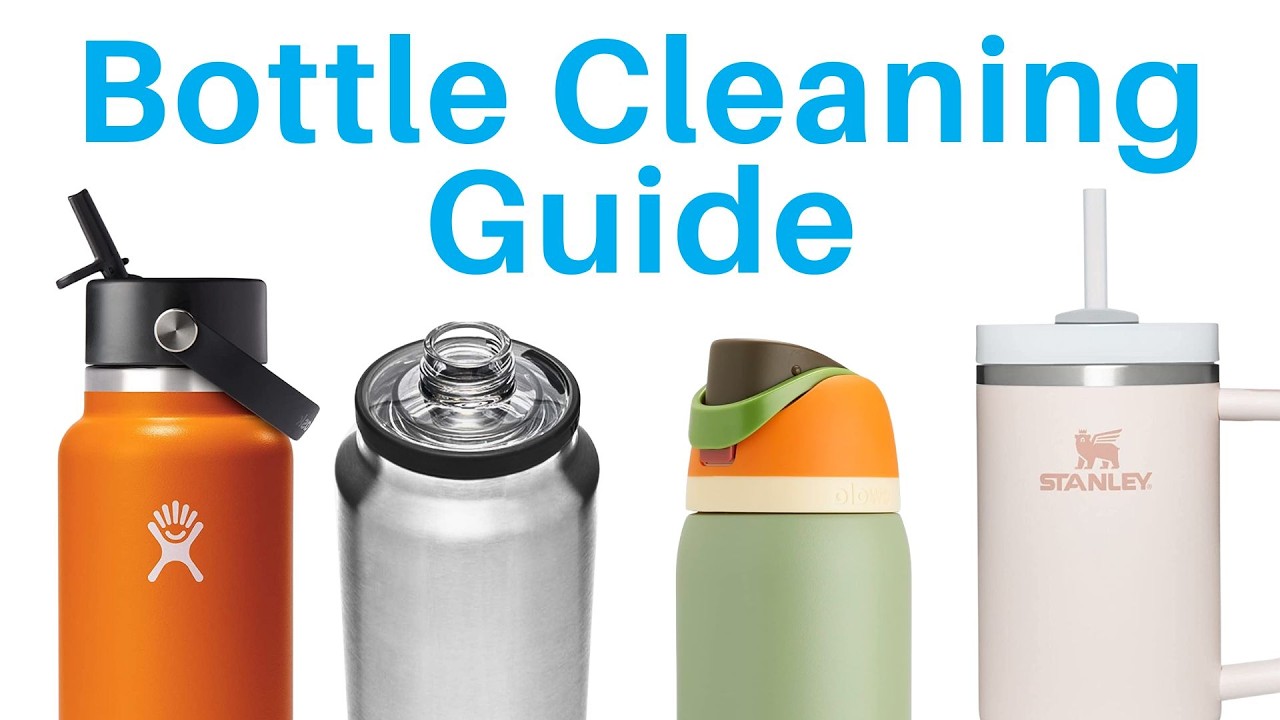
Practical Insight: Many people forget to clean the threads and rubber gaskets on the lid. These areas trap bacteria and can cause smells. Remove any silicone parts and wash separately.
Credit: www.youtube.com
Cleaning Stainless Steel Vs. Other Materials
Not all bottles are the same. Here’s a quick comparison of cleaning needs:
| Material | Cleaning Difficulty | Holds Odor? | Dishwasher Safe? |
|---|---|---|---|
| Stainless Steel | Easy | Rarely | Often (check brand) |
| Plastic | Medium | Yes | Usually |
| Glass | Easy | No | Yes |
| Aluminum | Medium | Sometimes | No |
Stainless steel is one of the easiest materials to keep clean and odor-free. But you should always check if your bottle is labeled dishwasher safe—some insulated bottles can be damaged by high heat.
Removing Tough Stains And Odors
Sometimes, regular cleaning doesn’t remove everything. Here’s how to tackle stubborn problems:
- Black spots or mold: Make a paste with baking soda and water. Scrub well, especially on the lid and rubber parts. Soak in vinegar if needed.
- Rust spots: True stainless steel rarely rusts. If you see orange or brown spots, these are usually from mineral deposits. Scrub with a paste of baking soda, or soak in vinegar and rinse well.
- Lingering smells: Fill the bottle with hot water and add 2 tablespoons of baking soda. Let it sit overnight, then rinse and dry.
Little-known tip: If your bottle still smells, leave it open in direct sunlight for a few hours. Sunlight helps kill bacteria and remove odors.
How Often To Clean Your Stainless Steel Water Bottle
Many people ask, “How often should I clean my bottle?” Here’s a clear guideline:
| Usage | Cleaning Frequency | Method |
|---|---|---|
| Water only | Daily | Soap & warm water |
| Coffee/tea/juice | After every use | Deep clean |
| Milk or smoothie | Immediately | Deep clean + lid scrub |
| Long-term storage | Before and after use | Deep clean |
Following this schedule helps you avoid bacteria buildup and keeps your bottle tasting fresh.
Can You Use The Dishwasher?
Most single-wall stainless steel bottles can go in the dishwasher. But if your bottle is insulated (double-walled), check the manufacturer’s instructions. High heat can damage the vacuum seal. When in doubt, wash by hand.
Warning: Dishwashers often miss the cap’s small parts and rubber seals, which can hide bacteria. Always clean these by hand.

Credit: aviasworld.com
Drying And Storing The Bottle
Drying is as important as washing. If you close your bottle while still wet, it creates the perfect environment for mold. Here’s the best way:
- Rinse and shake out extra water.
- Place the bottle upside down on a clean towel or drying rack.
- Leave the cap off, or prop it up to allow airflow.
- Let all pieces dry completely before reassembling.
Real-world tip: Once a week, leave the bottle open overnight to let any leftover moisture evaporate.
What Not To Do: Common Cleaning Mistakes
Many people make the same errors when caring for their stainless steel bottles. Here’s what to avoid:
- Using bleach: Bleach can damage stainless steel and leave a bad taste. Stick to vinegar or baking soda.
- Skipping the lid: Caps, threads, and seals hide most bacteria. Always scrub these parts.
- Scrubbing with steel wool: This scratches the bottle, making it harder to clean and more likely to hold bacteria.
- Leaving the bottle wet and closed: This encourages mold and bad smells.
- Forgetting to deep clean: Even if you only drink water, a deep clean is needed every week.

Credit: www.everich.com
Keeping Your Bottle Fresh: Maintenance Tips
- Rinse with hot water after every use, especially if you drink anything other than water.
- Inspect rubber seals and gaskets regularly. Replace if they smell, look moldy, or are damaged.
- Store with the cap off when not in use for long periods.
- Avoid freezing your bottle. Water expands when frozen and can damage insulation.
- If you use your bottle at the gym or outdoors, clean it more often. Sweat and dirt can get inside easily.
Extra insight: Over time, even stainless steel bottles can get a cloudy film. This is usually from minerals in your water. A vinegar soak once a month will keep your bottle shiny.
Are Stainless Steel Water Bottles Safer?
Many people choose stainless steel because it’s free of BPA (a chemical found in some plastics) and doesn’t absorb flavors. According to the Centers for Disease Control and Prevention, stainless steel is safe for food and drink as long as it’s kept clean and not damaged.
Unlike plastic, it won’t leach chemicals into your drink. But remember, if your bottle is dented or the coating is chipped, clean it extra carefully to avoid bacteria hiding in the cracks.
Frequently Asked Questions
How Do I Clean The Rubber Seal Or Gasket On My Bottle’s Lid?
Remove the rubber gasket (if possible) and wash it with warm, soapy water. Use a small brush or toothbrush to scrub inside grooves. Rinse well and let air dry completely before putting it back.
Can I Use Lemon Juice Instead Of Vinegar For Cleaning?
Yes, lemon juice is a good natural cleaner. It helps remove odors and stains. Mix equal parts lemon juice and water, fill the bottle, let it soak for 30 minutes, then rinse and dry.
Why Does My Bottle Still Smell After Cleaning?
Odors can get trapped in the lid or gasket. Try soaking all parts in a baking soda solution overnight. Leave the bottle open to air out, or place it in sunlight for a few hours.
Are Cleaning Tablets Safe For Stainless Steel Bottles?
Most cleaning tablets made for water bottles are safe. Always follow the instructions and rinse well after use. Do not use tablets with bleach or harsh chemicals.
How Do I Prevent Mold In My Bottle?
Clean and dry your bottle completely after every use. Never leave liquid inside for long periods, and store the bottle with the lid off when not in use.
Keeping your stainless steel water bottle clean is simple if you make it a habit. With the right tools and regular care, your bottle will stay fresh, safe, and last for years. A little effort every day means you’ll always have clean, great-tasting water on the go.