Skip to content
If your morning coffee has started tasting flat, bitter, or just sort of “off,” the culprit is almost certainly hiding inside your thermal carafe. Coffee oils cling to glass and stainless steel, go rancid over time, and ruin every fresh batch you brew. But learning how to clean thermal coffee carafe correctly isn’t complicated, you just need to match the cleaning method to what’s actually building up.
Manufacturer specs confirm that a clean carafe holds heat about 15% better than a dirty one. Over 70% of coffee drinkers notice a decline in flavor within two weeks of regular use if they skip cleaning. Let’s walk through the process step by step, so you can bring your coffee back to life.
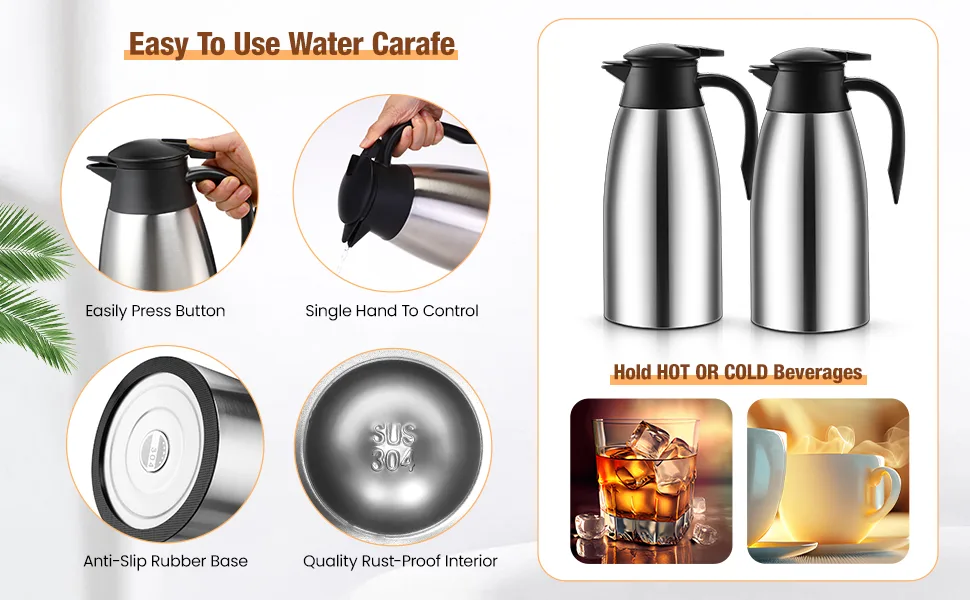
Image source: Web (Bing) / amazon.com
Quick Answer
Rinse with hot water after each use. Wipe the interior with a soft sponge and mild dish soap once a week. For oil stains, use a baking soda paste.
For limescale, soak with white vinegar. Deep clean every one to three months.
The Real Reason Your Coffee Tastes Stale
That stale taste comes from two main sources building up inside your carafe: coffee oils and mineral scale.
- Coffee oils (lipids) are hydrophobic. They cling to glass and stainless steel, then oxidize and turn rancid within about ten days. Once rancid, they taint every fresh pot you pour in.
- Mineral scale (limescale) shows up as white, chalky deposits. Hard water is the usual suspect. Scale traps coffee particles and changes how your next brew extracts its flavors.
- Mold and bacteria thrive in the moist, dark environment of a lid and spout, especially if you leave moisture trapped after cleaning.
This is the same flavor-wrecking cycle you can fix when improving your cold brew at home, check out our tips on how to make cold brew taste better for related ideas. The bottom line: clean your carafe on a regular schedule, and your coffee will taste fresh every single morning.
Know Your Carafe: Glass vs. Stainless Steel Liners
Not all thermal carafes are built the same. The cleaning method that works for one liner type can damage the other. Here’s what you need to know.
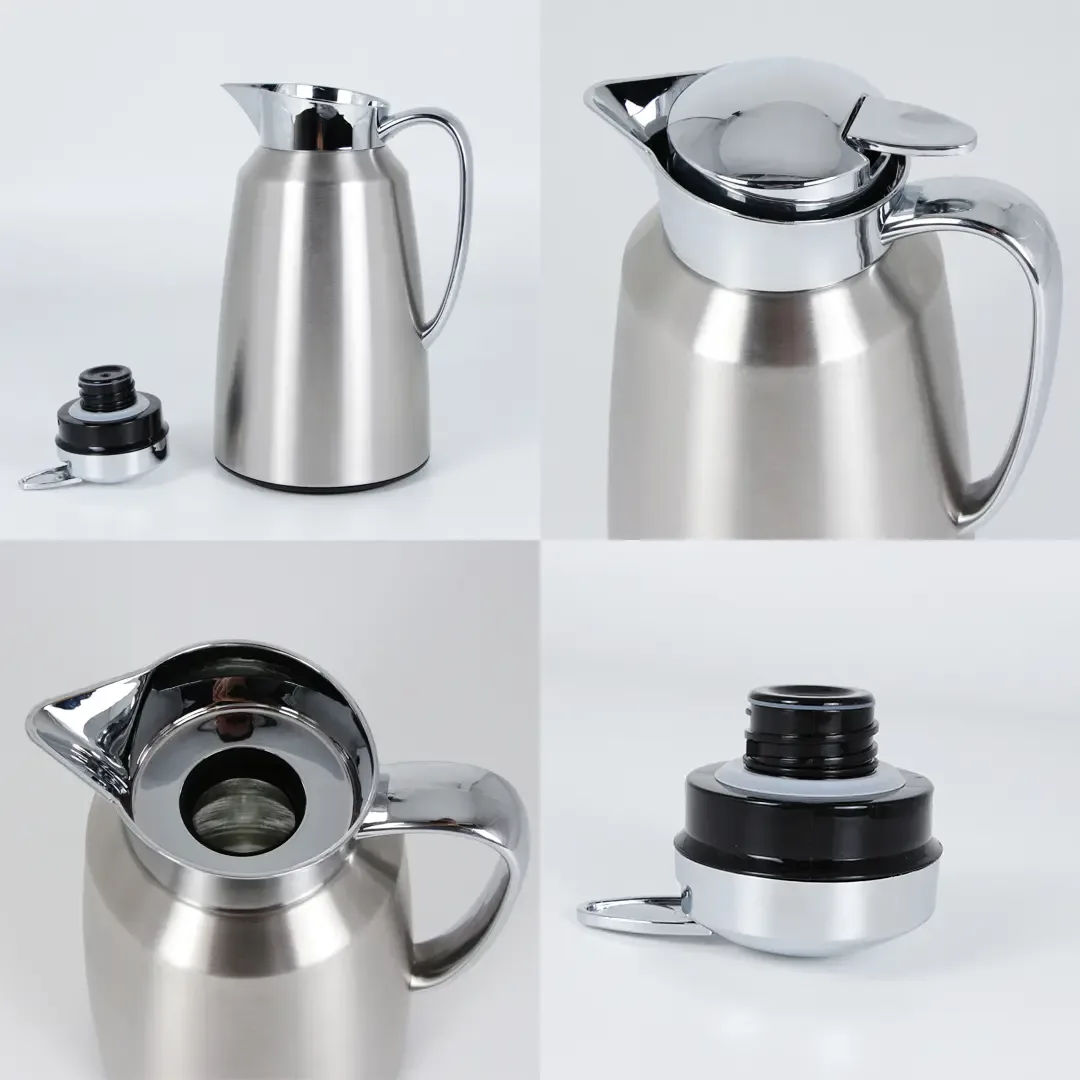
Image source: Bing (Web (fair-use with source credit))
Glass liners (often borosilicate) are common in premium French-press style carafes and some drip coffee makers. They are fragile. The biggest risk is thermal shock, pouring cold water into a hot carafe can crack the glass instantly.
You must always let the carafe cool before rinsing.
Stainless steel liners are more durable and found in most modern thermal carafes. They resist cracks but can absorb odors and metallic tastes if coffee oils are left to build up.
Here’s a quick comparison:
| Feature | Glass Liner | Stainless Steel Liner |
|---|---|---|
| Risk | Thermal shock / cracking | Odor absorption |
| Cleaning tools | Soft sponge only | Soft or medium brush okay |
| Abrasive cleaners | Never use | Baking soda paste is fine |
| Vinegar soak | Safe, but let it cool first | Safe, no special precautions |
| Dishwasher safe | Rarely – check manufacturer | Typically no |
If you’re considering using apple cider vinegar as an alternative, our guide on can you use apple cider vinegar to clean coffee maker safely explains the differences. For most users, white vinegar is the better choice for scale removal.
Pick Your Cleaning Path: Oil Stains vs. Mineral Scale
You can’t treat both problems the same way. Use this if/then logic to choose the right technique.
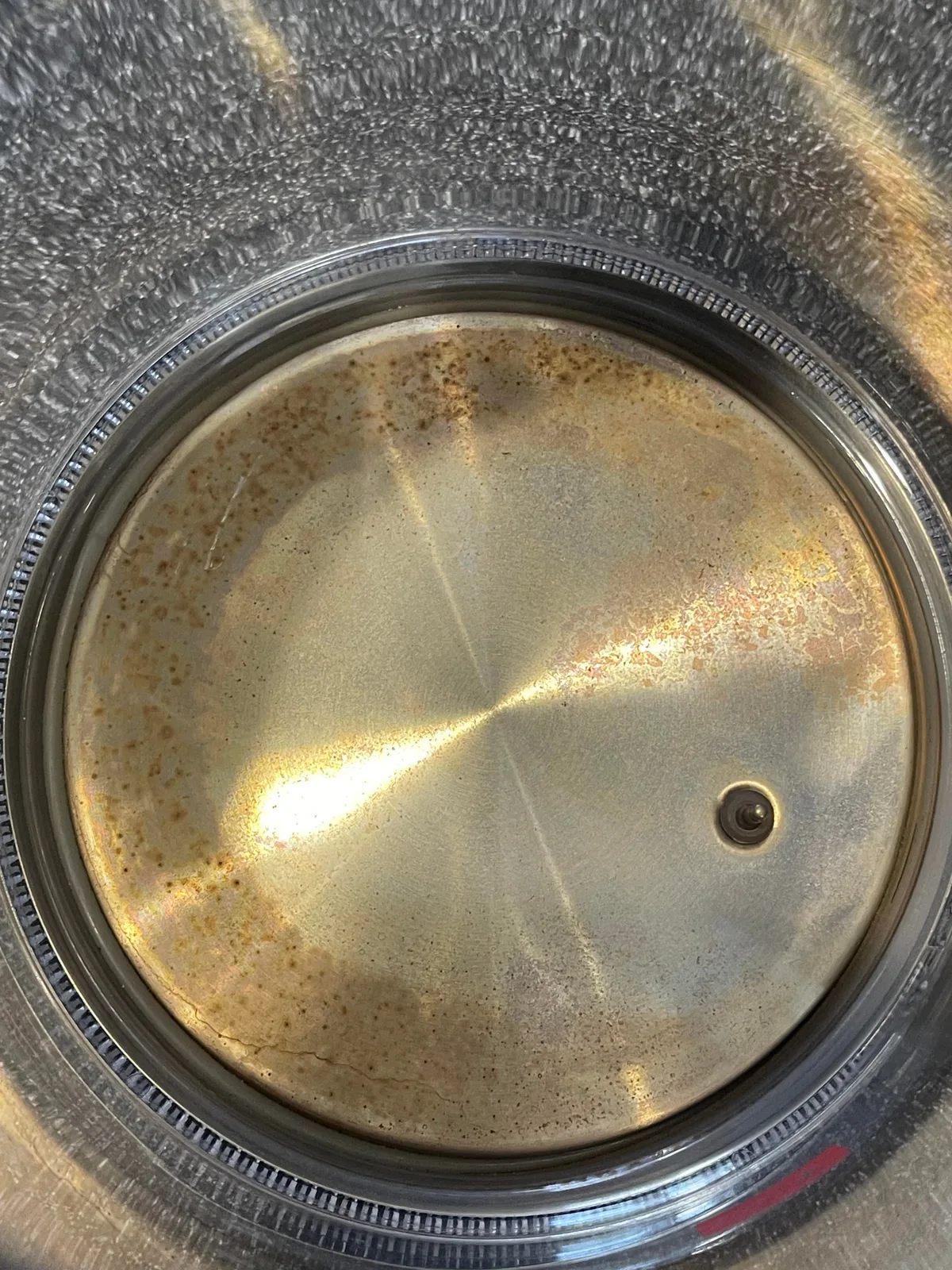
Image source: Web (Bing) / reddit.com
If you see a brown, greasy film or smell that “old coffee” odor, that’s coffee oil residue. Reach for a baking soda paste.
- Mix two tablespoons of baking soda with just enough warm water to form a thick paste.
- Use a soft sponge or bottle brush to scrub the interior gently.
- Let it sit for 15 minutes. Rinse thoroughly with hot water.
- Wash the lid separately (see next section).
If you see white, chalky deposits or your coffee tastes metallic, that’s mineral scale. Use a vinegar soak.
- Fill the carafe with one part white vinegar to three parts warm water.
- Let it soak for one to two hours (up to overnight for heavy scale).
- Pour out the solution. Rinse with fresh water. Wash with mild dish soap.
- For stubborn scale, a second soak may be needed.
Per the USDA’s food safety guidelines, a thorough rinse after vinegar is essential to remove all traces of acid. You can find more on general food-contact surface cleaning at the USDA food safety site. This is the same deep-cleaning approach used in espresso machines, our how to clean an espresso machine article covers similar steps for scale removal.
Don’t Skip the Lid: Cleaning the Plunger, Spout, and Seal
The carafe body gets all the attention, but the lid assembly is where mold and bacteria really hide. Most thermal carafes have a removable plunger, spout cover, and rubber seal. You need to take it apart to clean properly.
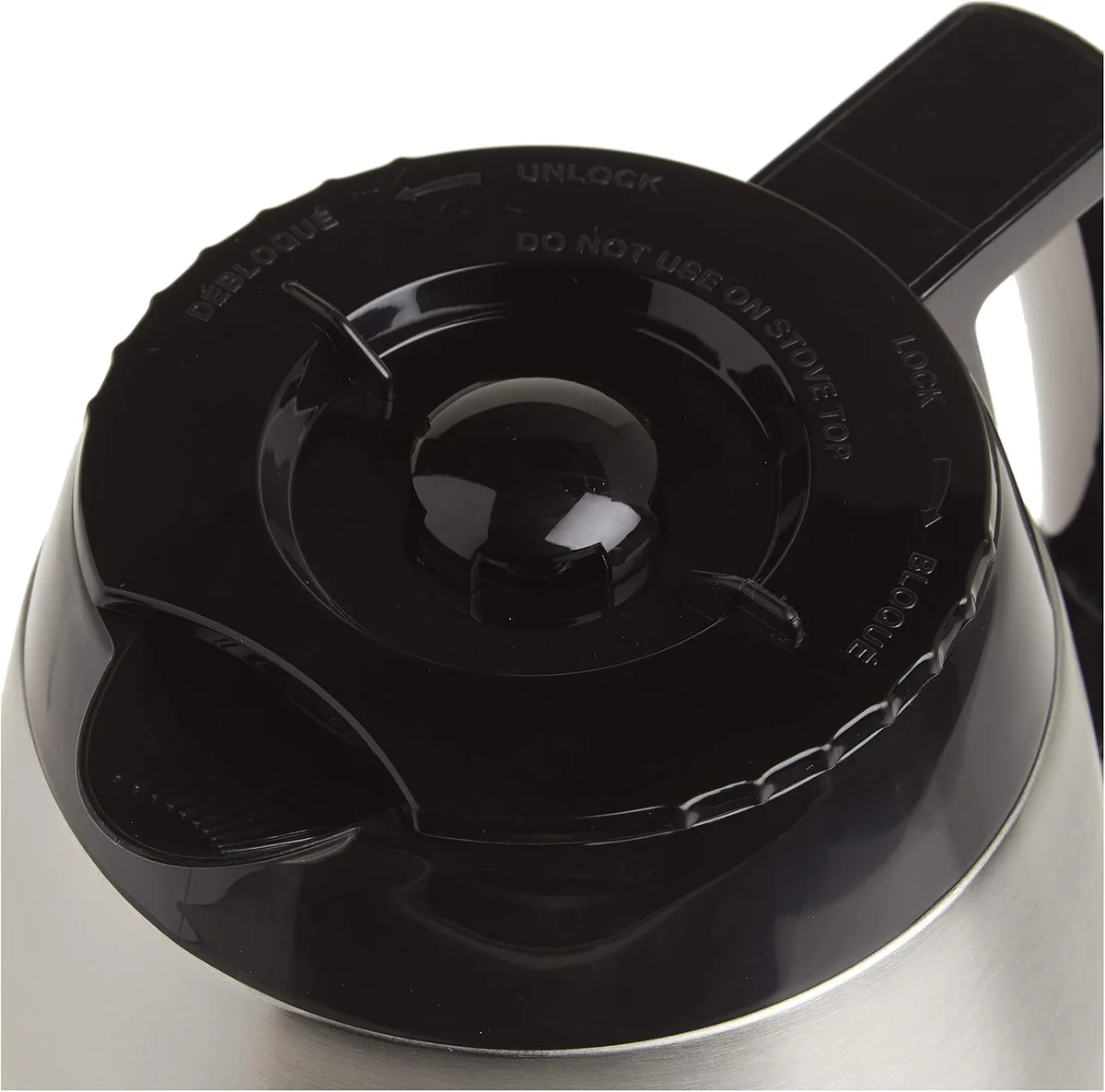
Image source: Web (Bing) / manuals.plus
- Remove the plunger or lid mechanism. Many designs pop apart by hand. Check your manual for instructions.
- Separate the rubber gasket and any O-rings. These parts trap moisture and coffee particles.
- Soak all lid components in warm soapy water for 10, 15 minutes. Use a small brush (like a straw brush) to clean the spout and crevices.
- Rinse thoroughly and dry each piece separately. Do not reassemble while damp, moisture inside the seal grooves will grow mold.
- Wipe down the carafe rim where the lid seats.
An unclean lid is a common entry point for pests. If you’re dealing with ants or roaches, our guide on how to keep roaches out of coffee maker covers the deeper prevention strategies.
Common Cleaning Mistakes That Ruin a Thermal Carafe
Even well-meaning cleaning can cause damage. Avoid these five errors.
- Using abrasive scrub pads on a glass liner. The tiny scratches create breeding grounds for bacteria and make the glass more likely to crack. Stick to soft sponges or nylon bottle brushes.
- Pouring cold water into a hot glass carafe. This is the number one cause of cracked liners. Always let the carafe cool to room temperature before rinsing.
- Leaving coffee residue for more than two weeks. Oils go rancid quickly. Weekly cleaning is the minimum, biweekly if you drink coffee daily.
- Using bleach or harsh chemicals. Bleach degrades rubber gaskets and can leave toxic residue. Stick to mild dish soap, vinegar, or baking soda.
- Not drying the carafe completely after washing. Residual moisture promotes mold growth, especially in the lid seal. Air dry upside down on a dish rack.
A simple cleaning habit can also prevent machine-related annoyances. If your Cuisinart coffee maker starts beeping unexpectedly, a dirty carafe might be part of the issue. See our fix for how to stop Cuisinart coffee maker from beeping for a cleaner workflow.
Your Quick Decision Workflow
If you are reading this and still unsure which method fits your situation, run through this short checklist. It takes about thirty seconds.
Step 1. Look at your carafe liner. Is it glass or stainless steel? Glass means avoid thermal shock.
Stainless steel means you can scrub a bit harder with a brush.
Step 2. Look at the buildup. Brown oily film? That is coffee oil.
Go with the baking soda paste. White chalky deposits? That is mineral scale.
Use the vinegar soak.
Step 3. Check the lid. Does it come apart? If yes, disassemble it and clean each piece separately.
If not, run hot soapy water through the spout and use a straw brush to reach inside.
Step 4. Rinse thoroughly. Any leftover soap or vinegar will ruin your next brew. Rinse until the water runs clear and you smell nothing.
Step 5. Dry everything completely before reassembling. Moisture trapped in the seal is the fastest route to mold.
This workflow mirrors the same logic you would use when setting up a new machine. Our how to use coffee maker guide walks through the brewing routine that keeps your carafe in good shape between cleanings.
Frequently Asked Questions
How often should I clean my thermal coffee carafe?
Rinse with hot water after every use. Wash with mild dish soap once a week. Deep clean with vinegar or baking soda every one to three months, depending on how hard your water is and how often you brew.
Can I put my thermal carafe in the dishwasher?
Almost never. The high heat can damage the vacuum seal and warp the lid components. Manufacturer specs for most brands (Bodum, Zojirushi, Thermos, Cuisinart) explicitly advise hand washing only.
Will vinegar damage the stainless steel liner?
No. White vinegar is safe for stainless steel. It will not scratch or corrode the surface.
Just stick to a one-to-three vinegar-to-water ratio and rinse thoroughly afterward.
What is the best way to remove coffee stains from a glass liner?
Use a baking soda paste. Mix two tablespoons of baking soda with warm water until it forms a thick paste. Apply with a soft sponge and let it sit for 15 minutes.
Rinse completely.
Does boiling water help clean a thermal carafe?
Boiling water can cause thermal shock in a glass liner. For stainless steel, boiling water helps loosen residue but does not dissolve coffee oils or mineral scale on its own. Use it as a pre-rinse step, not the main cleaning method.
How do I know if my carafe needs descaling?
If you see white chalky deposits inside, or if your coffee tastes flat and metallic despite regular rinsing, mineral scale is likely the issue. A fifteen-minute soak in vinegar solution is the easiest test.