Skip to content
Cooking beans in a crock pot is one of the easiest ways to enjoy nutritious, delicious meals with very little effort. If you want soft, flavorful beans without watching the stove all day, a slow cooker is your best friend.
This method is not just convenient—it also brings out the best in beans, making them creamy on the inside while absorbing spices and herbs beautifully. Whether you’re new to slow cooking or just want better results, this guide covers everything you need to know about making perfect beans in a crock pot.
Why Use A Crock Pot For Beans?
Beans have been a staple food for centuries, and the slow cooker method has a few key advantages. First, it saves time. You can set it and forget it, letting the beans cook while you’re at work or overnight. Second, it’s energy efficient.
Crock pots use less electricity than boiling beans on the stove. Third, slow cooking allows flavors to blend, making dishes taste richer. Finally, it’s safer—there’s less risk of scorching or overcooking.
Choosing The Right Beans
Not all beans are the same. The type of bean you use affects taste, texture, and cooking time.
| Type of Bean | Flavor & Texture | Common Uses |
|---|---|---|
| Black Beans | Earthy, creamy | Soups, salads, Mexican dishes |
| Pinto Beans | Nutty, soft | Refried beans, chili, stews |
| Kidney Beans | Firm, hearty | Chili, casseroles |
| Navy Beans | Mild, creamy | Baked beans, soups |
| Chickpeas (Garbanzo) | Nutty, firm | Hummus, stews, salads |
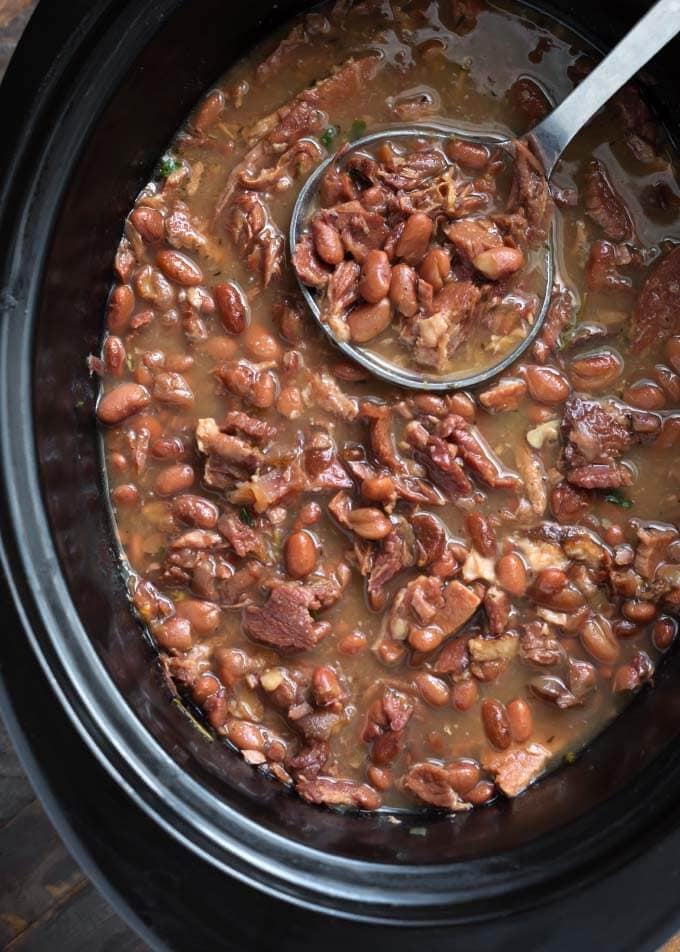
Most dried beans can be cooked in a crock pot. However, kidney beans need special care due to a toxin called phytohemagglutinin. You must always boil them on the stove for at least 10 minutes before putting them in a slow cooker.
Credit: www.simplyhappyfoodie.com
Prepping Beans For The Crock Pot
Sorting And Rinsing
Start by sorting beans. Remove any small stones or debris. Rinse beans under cold water. This step is important to remove dust and improve food safety.
To Soak Or Not To Soak?
Soaking beans overnight is a common practice, but with a crock pot, it’s not always necessary. Soaking can:
- Shorten cooking time by 1-2 hours
- Make beans easier to digest
- Reduce certain compounds that cause gas
If you’re short on time, you can skip soaking, but the beans may take longer to cook and could be a bit firmer.
Quick Soak Method
If you forgot to soak overnight, try this:
- Place beans in a large pot with 2-3 inches of water.
- Bring to a boil for 2 minutes.
- Remove from heat, cover, and let sit for 1 hour.
- Drain and rinse before adding to the crock pot.
Ingredients: Basic Crock Pot Beans
For a simple batch of beans, you’ll need:
- 1 pound (about 2 cups) dried beans (any variety)
- 6 cups water or broth
- 1-2 teaspoons salt (add toward the end)
- 1 small onion, chopped (optional)
- 2-3 garlic cloves, minced (optional)
- 1-2 bay leaves (optional)
- Herbs or spices of your choice (cumin, oregano, thyme)
This makes about 6 cups of cooked beans, enough for 6-8 servings.
Step-by-step: How To Cook Beans In A Crock Pot
Cooking beans in a slow cooker is simple, but following each step helps guarantee perfect results.
Step 1: Prepare Beans
After sorting and rinsing, (and soaking if you choose), drain the beans. Place them in the crock pot.
Step 2: Add Water And Seasonings
Pour in 6 cups of water or broth for every pound of dried beans. Add onion, garlic, bay leaves, and any herbs or spices you like. Do not add salt or acidic ingredients (like tomatoes or vinegar) yet—they can make beans tough if added too early.
Step 3: Set Cooking Time
Most beans cook best on LOW for 6-8 hours or HIGH for 3-4 hours. If you soaked the beans, they’ll cook more quickly. If you skipped soaking, plan for the longer time.
Step 4: Check For Doneness
Beans should be tender but not falling apart. Taste a few beans near the end of the cooking time. If they are still firm, keep cooking and check every 30 minutes.
Step 5: Add Salt
Once beans are soft, add salt to taste. Adding salt earlier can slow cooking, especially for older beans.
Step 6: Final Touches
Remove bay leaves and any herb stems. If you want a thicker broth, mash some beans against the side of the pot and stir.
Step 7: Serve Or Store
Beans can be served hot, used in recipes, or cooled and stored for later. Beans keep in the fridge for up to 5 days or can be frozen for up to 6 months.
Adjusting For Different Beans
Each type of bean cooks a bit differently. Here’s a guide for common varieties:
| Bean Type | Soaked Cooking Time (Low) | Unsoaked Cooking Time (Low) |
|---|---|---|
| Black Beans | 6-7 hours | 7-8 hours |
| Pinto Beans | 6-8 hours | 8-9 hours |
| Kidney Beans | 6-7 hours (after boiling) | 7-8 hours (after boiling) |
| Navy Beans | 6-7 hours | 7-8 hours |
| Chickpeas | 7-8 hours | 8-10 hours |
These times are general guidelines. Older beans may take longer to soften.
Enhancing Flavor
Beans can taste bland without the right seasoning. Try these tips for deeper flavor:
- Use broth instead of water for a richer taste.
- Add a piece of kombu (seaweed) for umami and better digestion.
- Stir in a spoonful of olive oil or butter at the end for creaminess.
- Finish with fresh herbs or a splash of lemon juice before serving.
Don’t forget: adding acidic ingredients (like tomatoes or vinegar) too early can keep beans from getting soft. Always add these after beans are cooked.
Common Mistakes To Avoid
Even experienced cooks make mistakes with beans. Here’s how to avoid the most common ones:
- Skipping the toxin step for kidney beans. Always boil kidney beans on the stove for 10 minutes to destroy toxins.
- Not using enough water. Beans absorb a lot of water as they cook. Too little water can leave you with dry, undercooked beans.
- Adding salt or acid too early. This can make beans tough. Wait until the end.
- Overfilling the crock pot. Beans expand as they cook. Fill your crock pot only half to two-thirds full.
- Using old beans. Beans that are more than a year old may never fully soften.
Credit: kalynskitchen.com
Storing And Freezing Cooked Beans
Cooked beans are easy to store and use later. Let beans cool, then transfer to airtight containers. For freezing, divide beans into meal-size portions with a little cooking liquid. Label and date each container. Thaw in the fridge overnight or microwave from frozen.
Beans may thicken after freezing, so add a bit of water when reheating.
Creative Ways To Use Crock Pot Beans
Beans are versatile! Here are a few ideas for using your freshly cooked beans:
- Mash with garlic and olive oil for a simple dip.
- Add to soups, chilis, and stews for protein and texture.
- Mix with rice, vegetables, and herbs for a quick bowl.
- Toss with salsa and avocado for a healthy salad.
- Puree with lemon and tahini for homemade hummus.
Nutritional Benefits Of Beans
Beans are packed with nutrition. They’re high in protein, fiber, vitamins, and minerals like iron and magnesium. Eating beans regularly may help lower cholesterol, control blood sugar, and support digestive health. One cup of cooked beans provides about 15 grams of protein and 15 grams of fiber—making them a smart choice for vegetarians and anyone looking for affordable, filling meals.
Troubleshooting: When Beans Won’t Soften
Sometimes, beans just won’t get soft, even after long cooking. Here’s what might be happening:
- Old beans: Beans older than a year may stay hard.
- Hard water: Minerals in tap water can slow softening. Use filtered water if possible.
- Salt or acid added too early: Wait until beans are fully cooked to season.
- Under-cooked kidney beans: Remember to boil first, then slow cook.
If beans are still hard after the recommended time, keep cooking and add a pinch of baking soda. This can help soften stubborn beans, but use sparingly to avoid a soapy taste.
Comparing Crock Pot Beans To Other Cooking Methods
How does the crock pot method compare to stove top or pressure cooker?
| Method | Prep Time | Cook Time | Flavor | Hands-On Time |
|---|---|---|---|---|
| Crock Pot | 5-10 min | 6-8 hrs | Deep, blended | Very low |
| Stove Top | 5-10 min | 1.5-3 hrs | Good, can scorch | Medium (needs watching) |
| Pressure Cooker | 5-10 min | 30-45 min | Very good | Low |
The crock pot wins for ease and hands-off convenience, while the pressure cooker is fastest. Choose the method that fits your lifestyle.
Two Non-obvious Tips For Better Beans
- Don’t throw away bean cooking liquid. This “pot liquor” is full of flavor and nutrients. Use it in soups or as a base for sauces.
- Add aromatics in layers. Put onions, garlic, or carrot at the bottom of the crock pot, then add beans and water. This helps flavors rise and blend as beans cook.
Credit: lilluna.com
Frequently Asked Questions
How Do I Prevent Beans From Causing Gas?
Soaking beans overnight and discarding the soaking water can help reduce compounds that cause gas. Adding a piece of kombu seaweed during cooking may also help.
Can I Cook Beans With Meat In The Crock Pot?
Yes, you can add ham hocks, bacon, or sausage for extra flavor. Add meat at the start with the beans and water. Cook until meat and beans are both tender.
Why Should I Avoid Adding Salt At The Beginning?
Salt can slow the softening of bean skins, making beans tough. For best results, wait to add salt until beans are fully cooked.
Are Canned Beans As Healthy As Dried Beans Cooked In A Crock Pot?
Canned beans are convenient and nutritious, but may have added sodium. Cooking dried beans lets you control salt and add your own flavors. For more, see Wikipedia.
How Do I Know If My Beans Are Too Old To Cook?
If beans stay hard after long cooking, they’re likely too old. Beans should be used within a year of purchase for best results. Store in a cool, dry place.
Cooking beans in a crock pot is easy, healthy, and budget-friendly. With the right steps and a little patience, you’ll enjoy perfect beans every time—ready for your favorite recipes or as a meal on their own. Give it a try, and you’ll see why so many home cooks love this method.