Cooking with a countertop oven should make life easier, but many people face one stubborn problem: uneven cooking. You set your timer, follow the recipe, and still find one part of your food burnt while another is undercooked. This can be annoying, especially when you want quick, reliable meals. But don’t worry—uneven cooking is a common issue, and you can fix it with the right steps and a better understanding of how your oven works.
Countertop ovens, also called toaster ovens or convection ovens, are popular because they’re small, fast, and use less energy than regular ovens. But their compact size also means heat can concentrate in certain spots or fail to reach others. If you’re tired of dry chicken edges and soggy bread centers, it’s time to take control.
With a few smart changes, you can make your countertop oven cook evenly every time.
Why Uneven Cooking Happens In Countertop Ovens
Understanding the causes of uneven cooking is the first step to solving the problem. Here’s why it happens:
- Heating Element Placement: Most countertop ovens have top and bottom elements. Sometimes, one is stronger, making the top brown faster or the bottom burn.
- Hot Spots: Small ovens can develop hot and cool areas, especially if the fan (in convection models) isn’t powerful or is blocked.
- Poor Air Circulation: Food placed too close to the walls or packed tightly doesn’t let hot air flow, causing uneven results.
- Oven Size and Design: Cheaper or older ovens may have less consistent heating, thin walls, or poor insulation.
- Rack Position: The position of your food in the oven changes how quickly it cooks.
- Food Placement: Large or unevenly shaped foods block air flow, making some areas cook faster than others.
Most countertop ovens don’t have the advanced technology of full-size ovens, but you can still get better results with a few adjustments.
How To Test Your Countertop Oven For Hot Spots
Before you fix anything, you need to know if your oven has hot spots and where they are. Here’s a simple method:
- Line the baking tray with white bread slices, covering the whole tray.
- Set the oven to 350°F (180°C) and toast the bread for 5-7 minutes.
- Check the bread: Areas that brown faster are hotter; pale areas are cooler.
This test shows you where your oven’s heat is strongest and weakest. Knowing this helps you position food for even cooking. Repeat the test after cleaning or rearranging racks, as changes inside can affect heat flow.
Key Fixes For Uneven Cooking
You don’t need a new oven to improve your results. Try these practical solutions:
1. Rotate Your Food
One of the simplest fixes is to rotate your pan or tray halfway through cooking. Most ovens have hotter backs, so turning your food gives every side a chance to brown. For best results, set a timer to remind yourself to rotate.
2. Change Rack Positions
Adjusting the rack position changes how close your food is to the heating elements. If the top browns too fast, move the rack lower. If the bottom burns, raise it. For even results, use the middle rack when possible.
3. Use The Right Cookware
Thin, dark pans can absorb more heat, causing burning, while glass and ceramic distribute heat more evenly. Avoid oversized pans that block air flow. When baking, use light-colored metal pans for even browning.
4. Avoid Overcrowding
Never fill the oven with too much food at once. Crowded trays block air movement, so some areas stay cool. Leave space between items and around the sides for hot air to flow.
5. Preheat Properly
Always preheat your oven before cooking. This ensures the air and walls are hot and ready. Skipping preheating causes uneven results, especially with baked goods.
6. Use Convection (fan) Setting
If your oven has a convection setting, use it. The fan moves hot air around, reducing hot spots and cooking more evenly. Lower your recipe temperature by 25°F (about 15°C) when using convection to prevent overcooking.
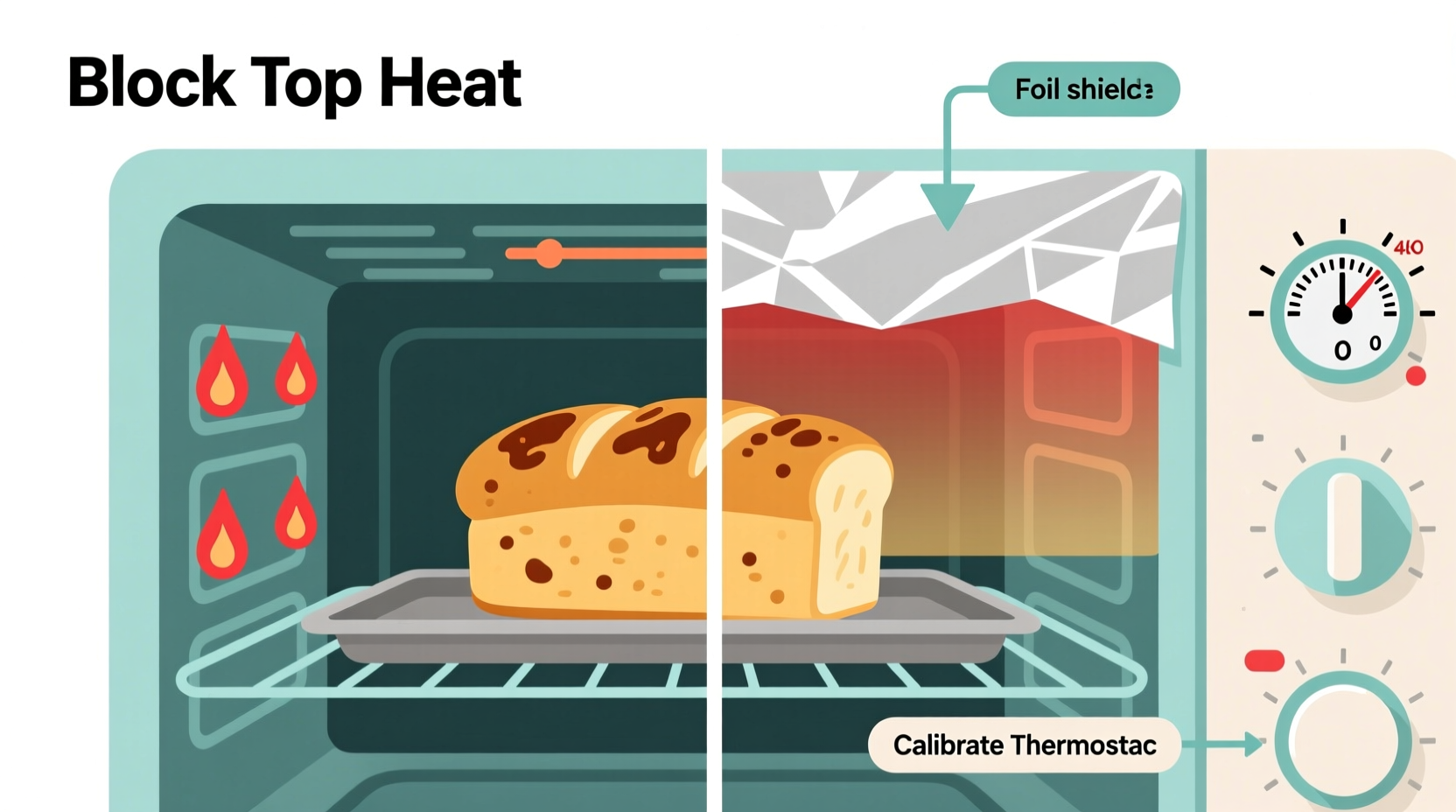
7. Calibrate Your Oven
Many countertop ovens run hotter or colder than their settings. Use an oven thermometer to check the real temperature. Adjust your cooking time or temperature based on what the thermometer shows.
8. Clean Regularly
Grease and crumbs can block air vents, causing poor circulation. Clean the racks, tray, and oven interior after each use to keep air flowing and heat consistent.
9. Avoid Aluminum Foil On Racks
Lining racks with foil seems helpful for cleanup but blocks air. Only line the tray, not the racks, to keep air moving around your food.
10. Choose The Right Size Oven For Your Needs
If you use your countertop oven often, consider one that matches your cooking style. Larger models with better insulation and stronger fans often cook more evenly. Research before buying. For more details, the Consumer Reports buying guide can help you compare options.
How Cooking Settings Affect Evenness
Countertop ovens often have several settings: bake, broil, toast, and sometimes air fry. Each one uses heating elements differently.
- Bake: Both top and bottom elements are used. Best for most foods.
- Broil: Only the top element is used. Good for browning, but can burn quickly.
- Toast: Usually both elements at high power. Works for bread and quick snacks.
- Air Fry: Uses a high-speed fan and top heat for crispy results.
Knowing which setting to use can reduce uneven results. For example, broiling pizza can burn toppings before the base is done. Instead, use bake or convection bake and finish with a short broil if you want a browned top.
Table: Comparison Of Common Oven Settings
| Setting | Heat Source | Best For | Evenness Level |
|---|---|---|---|
| Bake | Top & Bottom | Cakes, casseroles, pizza | High (with convection) |
| Broil | Top only | Melting cheese, browning | Low |
| Toast | Top & Bottom (high) | Bread, sandwiches | Medium |
| Air Fry | Top + Fan | Fries, wings, nuggets | High |
Foods Most Affected By Uneven Cooking
Some foods are more sensitive to uneven heat. Be extra careful with:
- Cakes and baked goods: Raw centers or burnt edges are common if heat is not even.
- Roast chicken or meat: Thick pieces can stay raw inside while outside dries out.
- Frozen meals: These often need steady heat to cook through.
- Pizza: Thin crusts burn easily, while thick toppings may stay cold.
If you cook these foods often, use a thermometer to check doneness, and try the fixes above.

Credit: www.youtube.com
How Oven Design Impacts Results
Not all countertop ovens are created equal. Here’s how features affect evenness:
| Feature | Effect on Cooking | Notes |
|---|---|---|
| Convection Fan | Improves air circulation | Reduces hot spots |
| Insulation | Keeps temperature steady | Better in high-end models |
| Rack Levels | More positions = more control | Helps match food to heat |
| Element Size | Larger elements = more even heat | Cheap ovens may have small coils |
If you plan to buy a new oven, choose one with a convection fan, good insulation, and at least two rack positions.
Advanced Tips For Even Cooking
Once you’ve mastered the basics, these extra steps can boost your results:
1. Use An Oven Thermometer
Oven settings aren’t always accurate. Place a thermometer inside to check real temperature. Adjust your recipes as needed.
2. Add A Baking Stone Or Steel
Placing a pizza stone or baking steel on the rack helps absorb and spread heat, reducing hot spots. Preheat the stone for 20 minutes before using.
3. Cover Food With Foil
If the top browns too quickly, loosely cover it with foil. This slows browning while the inside finishes cooking.
4. Stir Or Flip Food
For foods like fries or chicken pieces, stir or flip halfway through. This exposes all sides to the heat.
5. Let The Oven Cool Between Batches
If you’re cooking several trays, let the oven cool for a few minutes between batches. This helps prevent burning as the oven gets hotter with each use.
Credit: lifetips.alibaba.com
Table: Practical Solutions For Common Problems
| Problem | Cause | Solution |
|---|---|---|
| Burnt edges, raw center | Hot spots, wrong rack | Rotate pan, move rack, use stone |
| Top too brown | Top element too strong | Lower rack, cover with foil |
| Bottom burnt | Bottom element too strong | Raise rack, use light pan |
| Food cooks unevenly | Overcrowding, poor air flow | Space food, use convection |
Non-obvious Insights Most People Miss
- Warm-Up Matters: Many ovens beep to signal preheat, but the air and the metal inside may not be evenly hot yet. Wait an extra 5 minutes after preheat for best results, especially when baking.
- Element Cycling: Most countertop ovens cycle their elements on and off to hold temperature. This means placing food too close to an element can cause sudden bursts of heat. Keep food in the center when possible.
- Accessory Placement: Some ovens come with extra trays or air fry baskets. If you use these, follow the manual’s guidelines for placement. Using two trays can block air and make uneven results worse.
- Altitude Adjustment: If you live at a high altitude, foods may cook faster on the outside and slower inside due to lower air pressure. Adjust recipes or check for special instructions.
When To Consider Replacement
Sometimes, no fix will give perfect results. If your oven is very old, damaged, or has poor insulation, you might need a new one. Signs you need to upgrade:
- The door does not seal well.
- The fan is broken or noisy.
- Food always burns or stays raw, even after following all tips.
Modern ovens have better insulation, more precise controls, and more even heat. Investing in a new model can save time and frustration.
Frequently Asked Questions
Why Does My Countertop Oven Always Burn The Bottom Of My Food?
This usually means the bottom heating element is too strong or your rack is too low. Move the rack up, use lighter-colored pans, or add a baking stone to absorb excess heat.
Can I Use Aluminum Foil To Fix Uneven Cooking?
Foil can help by covering food that browns too fast, but never cover the racks or block vents. This can cause heat to build up unevenly and even damage your oven.
How Can I Tell If My Oven’s Temperature Is Accurate?
Place an oven thermometer in the center and set your oven to a common temperature (like 350°F/180°C). Compare the thermometer reading to your oven’s display. Adjust your cooking times as needed.
Is Convection Always Better For Even Cooking?
Convection is usually better because the fan spreads heat. But for delicate cakes or soufflés, regular bake may be gentler and prevent drying.
What Foods Are Hardest To Cook Evenly In A Countertop Oven?
Cakes, thick meats, and frozen meals are most at risk. These need steady, all-over heat. Using a thermometer, rotating food, and not overcrowding the oven helps improve results.
Getting even results from your countertop oven is possible with a few smart changes and regular checks. By understanding your oven, making small adjustments, and using the right tools, you can enjoy perfectly cooked meals every time. If you ever upgrade, choose a model with good insulation, a convection fan, and flexible rack positions for the best results.
Happy cooking!

Credit: us.amazon.com