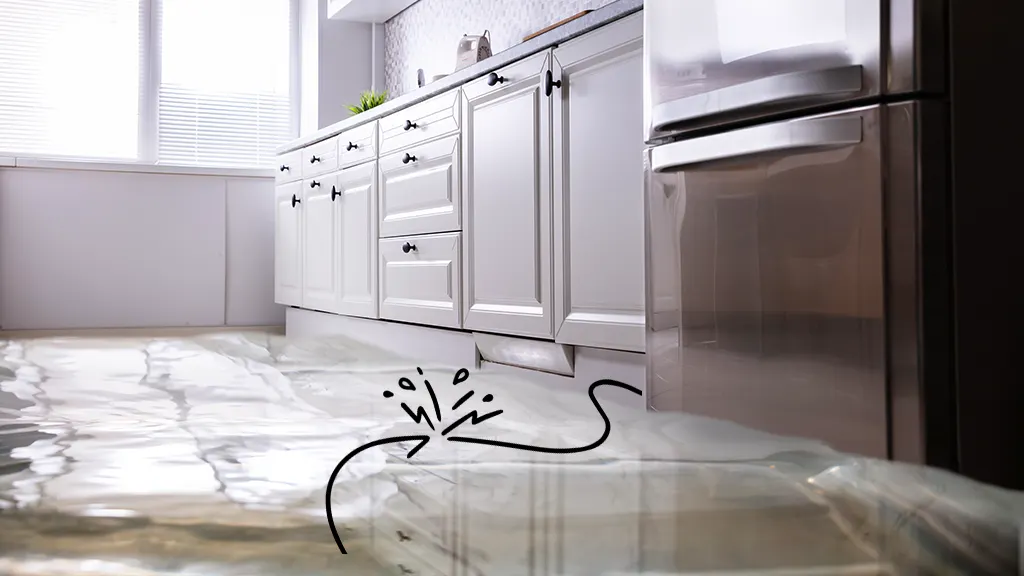
Water leaking from the bottom of a refrigerator can turn a quiet kitchen into a stressful place. Many people worry about damage to floors or appliances, and sometimes a leak can signal bigger problems. If you notice water pooling under your fridge, acting quickly can save you money and prevent worse issues.
Fixing this problem is usually possible at home, even for beginners. This guide will show clear steps to help you understand why your refrigerator leaks and how to fix it safely.
Common Causes Of Water Leaks Under Refrigerators
Finding water below your fridge is frustrating, but understanding the causes helps you fix the issue faster. Most leaks come from a few main problems:
- Clogged defrost drain: Modern refrigerators often have an automatic defrost system. If the drain gets blocked by food debris or ice, water can overflow and leak onto the floor.
- Faulty water filter: Many fridges have a water filter for ice and drinking water. If it’s not installed correctly or is damaged, water can escape.
- Damaged water supply line: Refrigerators with ice makers or dispensers have a thin water line. If this line cracks or the connection is loose, leaks happen.
- Broken drain pan: At the bottom of most fridges is a drain pan that collects water. If it’s cracked or missing, water escapes.
- High humidity or condensation: In hot climates, condensation can build up and drip under the fridge.
| Cause | Typical Signs | Difficulty to Fix |
|---|---|---|
| Clogged defrost drain | Water inside fridge, pooling below | Easy |
| Faulty water filter | Water near filter area, wet shelves | Medium |
| Damaged water supply line | Steady leak, water behind fridge | Medium |
| Broken drain pan | Water under fridge, pan cracks visible | Easy |
| Condensation | Small pools, only in humid weather | Easy |
Step-by-step Guide: Fixing A Leaking Refrigerator
Most leaks can be fixed without professional help. Here’s a clear process to solve the problem:
1. Unplug And Clear The Area
Safety first. Always unplug the refrigerator before starting. Move food to a cooler if needed. Mop up any water and clear items around the fridge.
2. Inspect The Drain Pan
Pull the fridge forward gently. Look underneath for the drain pan. Remove it and check for cracks or overflowing water. If the pan is damaged, replace it with a new one. Most pans cost under $25 and can be found at appliance stores.
3. Check The Defrost Drain
Open the fridge and locate the defrost drain hole (usually at the back or bottom inside). Use a flashlight if needed. If you see ice or debris blocking the hole, try these steps:
- Use warm water and a turkey baster to flush the drain.
- Insert a thin pipe cleaner to clear debris.
- If ice is present, let the fridge sit unplugged for 1-2 hours to thaw.
4. Inspect The Water Filter
If your fridge has a water filter, remove it. Check for cracks or leaks. Make sure it’s installed properly—twist it until it clicks. If the filter is old, replace it (most filters last 6 months).
5. Check The Water Supply Line
Move the fridge away from the wall. Find the thin water supply line (usually clear plastic or copper). Look for moisture, cracks, or loose connections. Tighten fittings with a wrench. If the line is damaged, buy a replacement (under $15 at hardware stores).
6. Clean Up And Test
After repairs, wipe up any water. Plug in the fridge and let it run for a few hours. Check for leaks again. If water appears, repeat the steps or consider expert help.
| Step | Tools Needed | Estimated Time |
|---|---|---|
| Unplug and clear area | Towel, cooler | 10 minutes |
| Inspect drain pan | Flashlight | 10 minutes |
| Check defrost drain | Turkey baster, pipe cleaner | 15–30 minutes |
| Inspect water filter | None | 5 minutes |
| Check supply line | Wrench | 15 minutes |
| Clean up and test | Towel | 10 minutes |

Credit: www.youtube.com
Practical Tips To Prevent Refrigerator Leaks
Fixing a leak is good, but preventing one saves time and stress. Here are reliable steps to keep your fridge dry:
- Clean the defrost drain every 3–6 months. A simple flush with warm water can stop blockages.
- Replace water filters on schedule. Old filters crack and leak.
- Inspect supply lines yearly. Look for signs of wear, especially if your fridge moves often.
- Keep the fridge level. If it tilts, water can pool and overflow.
- Check the drain pan during spring cleaning. Make sure it’s empty and not cracked.
One insight many beginners miss: humidity in the kitchen can cause extra condensation. Running a dehumidifier or keeping windows closed during rainy days helps prevent this.
Diagnosing Persistent Leaks
Sometimes, leaks return even after basic fixes. In these cases, deeper checks are needed:
- Evaporator coils: If coils freeze, the defrost system may fail, leading to leaks. You may need a technician for repairs.
- Door gaskets: If seals are damaged, warm air enters and creates more condensation. Replace gaskets if they are cracked or loose.
- Faulty ice maker: Some ice makers overflow or have stuck valves. If water pools near the ice maker, turn it off and inspect.
| Part | Replacement Cost | DIY Possible? |
|---|---|---|
| Drain pan | $10–$25 | Yes |
| Water supply line | $8–$20 | Yes |
| Door gasket | $25–$60 | Yes |
| Evaporator coil | $100–$300 | No |
| Ice maker valve | $40–$80 | Yes |
Many owners believe leaks mean their fridge is “broken. ” But most leaks are simple fixes—less than $50 and under an hour of work.

Credit: www.reddit.com
When To Call A Professional
Some leaks are beyond home repair. If you notice these signs, contact an appliance repair expert:
- Water is hot or has a strange smell
- Electrical problems: Sparks, flickering lights, or burning odors
- Major flooding: More than a small puddle
- Internal damage: Broken shelves, large cracks inside
A technician can diagnose deeper issues and fix parts safely. According to the National Association of Home Builders, professional appliance repairs cost $150–$300 on average.
How Water Leaks Can Damage Your Home
Ignoring a leaking refrigerator can lead to serious problems. Over time, water can:
- Warp hardwood floors
- Grow mold: Moisture under appliances is a top cause of mold in kitchens
- Damage walls: Water can seep into drywall and cause stains or soft spots
- Attract pests: Bugs and rodents are drawn to wet areas
In the US, water damage repairs average $2,600 per claim, according to the Insurance Information Institute.
Real-life Example: Fixing A Leak Quickly
Maria, a homeowner in Houston, noticed water under her fridge after a rainy week. She unplugged the appliance, moved it, and found the drain pan overflowing. After emptying and cleaning it, she realized the defrost drain was blocked by a piece of lettuce.
Using warm water, she flushed the drain and wiped up the mess. Her leak stopped, and she avoided expensive repairs.
One non-obvious tip: always check for food debris in the drain hole. Even small pieces can cause leaks.
Extra Advice For Older Refrigerators
If your fridge is over 10 years old, leaks may happen more often. Older models have:
- Less efficient defrost systems
- Weak seals
- Brittle supply lines
Regular checks become more important. If leaks keep returning, consider replacing your fridge. Newer models are more efficient and less likely to leak.
Credit: www.asurion.com
Frequently Asked Questions
Why Does My Refrigerator Leak Water Only During Hot Weather?
High temperatures and humidity cause condensation inside and under the fridge. Water forms and drips down, making leaks more common in summer.
Can I Use Tape To Fix A Cracked Drain Pan?
Using tape is a temporary fix. For long-term results, buy a new drain pan. Tape can come loose and cause more leaks.
How Often Should I Clean The Defrost Drain?
Cleaning every 3–6 months is best. If you notice slow drainage, clean sooner.
Is It Safe To Keep My Fridge Running With A Small Leak?
No. Even a small leak can damage floors and cause mold. Always unplug and fix leaks as soon as possible.
Where Can I Find Replacement Parts For My Refrigerator?
Most replacement parts are available at appliance stores or online. For reliable information, visit Consumer Reports.
Fixing water leaks under your refrigerator is usually simple, and prevention is even easier. By checking common parts, cleaning drains, and inspecting supply lines, you can stop leaks before they damage your home. Remember, most repairs cost less than $50 and take less than an hour.
If the problem is too complex, professionals can help. Taking care of your fridge keeps your kitchen dry, your food safe, and your wallet happy.