Skip to content
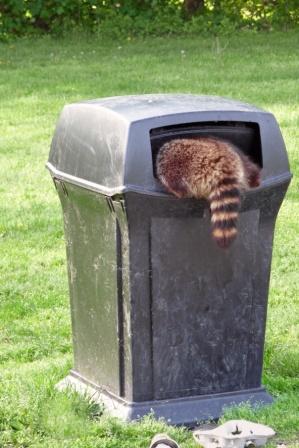
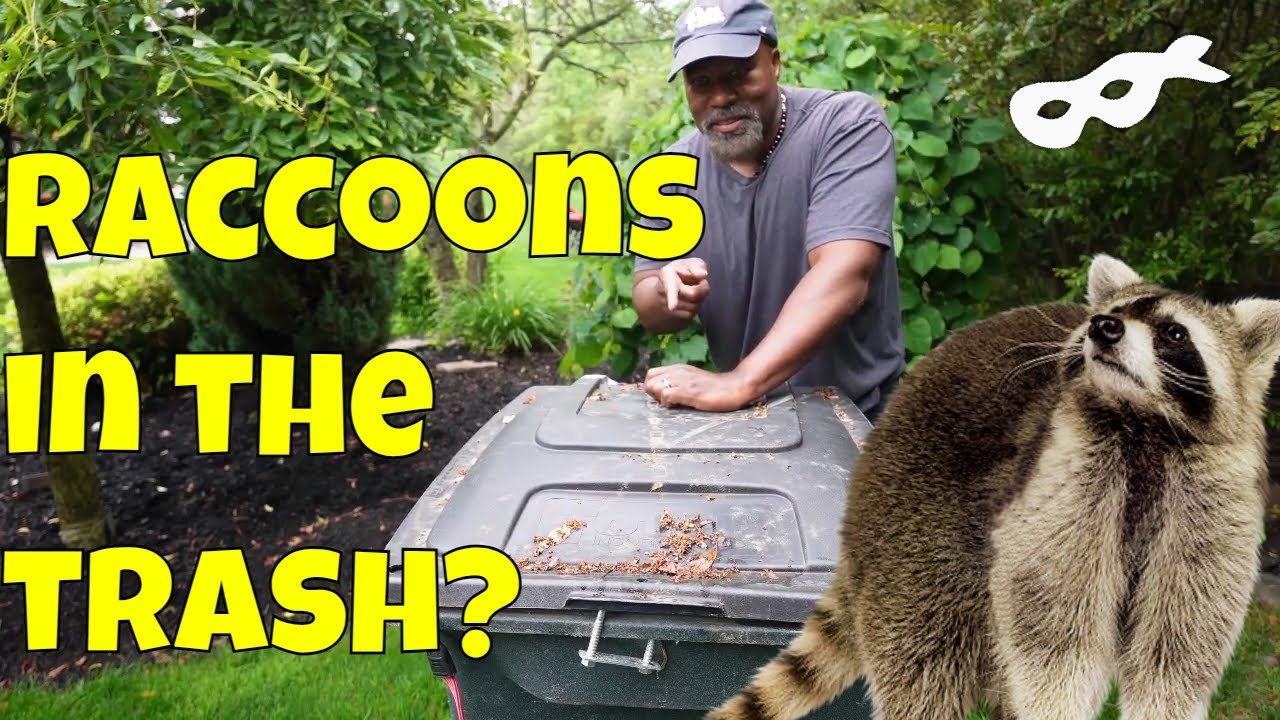
Raccoons are smart, curious, and surprisingly strong animals. If you live in North America, you’ve probably seen them sneaking around at night, searching for food. For raccoons, your trash can is like a buffet. They can open lids, tip over bins, and tear through bags with their nimble paws.
If you’re tired of cleaning up scattered garbage every morning, you’re not alone. Keeping raccoons out of trash cans is a common challenge for homeowners and businesses. Luckily, there are effective ways to solve this problem without harming the animals or your property.
In this article, you’ll learn practical strategies to raccoon-proof your garbage, discover why some methods work better than others, and understand what motivates these clever creatures. Whether you live in the city or the countryside, these tips will help you keep your trash secure and your yard clean.
Why Raccoons Target Trash Cans
Raccoons are opportunistic feeders. This means they eat almost anything they can find. Your trash can is attractive because it often contains food scraps, leftovers, and even pet food. The smell draws raccoons from a distance. These animals have sensitive noses and can detect odors even with a closed lid.
Raccoons are also nocturnal, so they work at night when you’re less likely to stop them.
Their intelligence is another reason they’re tough to stop. Studies show raccoons can remember solutions to problems for up to three years. They use their front paws almost like hands, easily lifting lids, unhooking bungee cords, and pulling out bags.
If they succeed once, they’ll return again and again.
Common Signs Of Raccoon Activity
It’s important to know if raccoons are the ones raiding your trash. Here are some signs:
- Tipped-over trash cans: Raccoons are strong enough to knock over most bins.
- Scattered garbage: They dig through bags, leaving a mess.
- Paw prints: Raccoon prints look like tiny human hands, often visible in soft soil or on dusty surfaces.
- Torn bags: Their sharp claws easily rip through plastic.
- Nighttime noise: You might hear banging or rustling outside after dark.
If you notice these clues, it’s time to take action.

Credit: www.havahart.com
Choosing The Right Trash Can
The type of trash can you use makes a big difference. Some designs are much harder for raccoons to open. Here’s a comparison of common types:
| Trash Can Type | Raccoon Resistance | Pros | Cons |
|---|---|---|---|
| Standard Plastic Bin | Poor | Cheap, easy to find | Easy for raccoons to open or tip over |
| Heavy-duty Bin with Locking Lid | Good | Harder to open, durable | More expensive, heavier |
| Metal Can with Tight-fitting Lid | Excellent | Very tough, often critter-proof | Can rust, heavy to move |
| Animal-proof Commercial Bin | Best | Designed for wildlife, secure | High cost, large size |
For most homes, a heavy-duty bin with a locking lid is the best balance of cost and effectiveness. Look for models specifically labeled as “animal-proof” or “bear-resistant,” as these are tested against strong, clever animals.
Secure The Lid: Essential Techniques
Even the best trash can will fail if the lid isn’t secured. Raccoons are masters at popping open simple lids. Here are ways to make it much harder for them:
- Locking Mechanisms: Some bins come with built-in locking handles or clips. These often stop raccoons, as they require more strength or dexterity than most animals have.
- Bungee Cords: Wrapping a strong bungee over the lid can help, but raccoons sometimes figure out how to unhook them. Use two cords in a crisscross pattern for extra security.
- Metal Clips or Carabiners: For a low-cost solution, attach a metal clip or carabiner to the handles. Raccoons struggle to manipulate these fasteners.
- Weights or Bricks: Placing a heavy object on top of the lid can deter raccoons, but this works best for smaller bins. It may not stop a determined animal or one working with friends.
- DIY Latches: Some people install simple latches using screws and metal hooks. Make sure the latch is easy for you to use but difficult for an animal to open.
Pro Tip: Test your setup by trying to open the lid with gloved hands. If you can do it easily, a raccoon probably can, too.
Credit: www.huntingtonny.gov
Where You Store Your Trash Matters
Location can be as important as the can itself. Leaving trash outside overnight is an open invitation for raccoons. Here’s how to make your garbage less accessible:
- Store Indoors: If possible, keep trash bins in a garage, shed, or other enclosed space until pickup day.
- Use Enclosures: Build a small wooden or metal enclosure with a locking door around your trash area.
- Elevate Your Bins: Placing bins on a raised platform or inside a fenced area can help, especially if the fence is smooth and at least four feet tall.
- Avoid the Curb Overnight: Only put your trash out the morning of collection, not the night before.
A simple change in storage location can break the cycle of raccoon visits.
Bag Smarter: Reducing Odors
Raccoons rely on their sense of smell to find food. Reducing odors is one of the most effective ways to discourage them. Here’s what helps:
- Double-bag your trash: Use two bags, especially for food waste, to contain smells better.
- Clean containers regularly: Rinse your trash bin with soap and water every few weeks.
- Freeze food scraps: Store smelly items like meat or fish in a bag in your freezer until trash day.
- Use scented liners or odor-absorbing products: Baking soda, charcoal, or commercial deodorizer can help reduce strong smells.
Never put food waste directly in the can without a bag. Even small crumbs can attract raccoons.
Physical Barriers And Enclosures
Sometimes, a secure can isn’t enough. Physical barriers add another layer of defense. Here are some options:
| Barrier Type | Effectiveness | Best For |
|---|---|---|
| Wooden Shed | High | Multiple bins, large properties |
| Metal Cage | Very High | Commercial use, rural homes |
| Plastic Bin Enclosure | Medium | Urban homes, small yards |
| Electric Fence (Low Voltage) | Extreme | Persistent raccoons, rural areas |
A wooden shed or metal cage with a locking door is usually enough to stop raccoons. Electric fencing should only be used as a last resort and must comply with local laws. It’s rarely needed for homes but may be used in community gardens or farms.
Using Repellents: What Works And What Doesn’t
Many products claim to repel raccoons, but not all are effective. Here’s what the evidence shows:
Chemical Repellents
Most commercial raccoon repellents contain strong smells like ammonia or predator urine. These may work for a few days, but raccoons often ignore them once they realize there’s no real danger. Frequent reapplication is needed, especially after rain.
Natural Repellents
Some people use items like:
- Pepper sprays
- Vinegar
- Citrus peels
These can sometimes keep raccoons away briefly, but they lose effectiveness quickly.
Motion-activated Devices
These include lights, sprinklers, or noise-makers. When a raccoon approaches, the device is triggered. Studies show these work best when used for a short time and moved often. Raccoons are smart and may learn the devices are harmless.
What Doesn’t Work
- Mothballs: Not only are these ineffective, but they can also be toxic to pets and the environment.
- Ultrasonic devices: There is little proof these bother raccoons.
Non-obvious insight: Raccoons quickly adapt to new smells and sounds. For best results, change your repellent method every couple of weeks to keep them guessing.
Credit: www.youtube.com
Community Solutions
If raccoons are a common problem in your neighborhood, individual efforts may not be enough. Here are ways communities can work together:
- Bulk-buy animal-proof bins: Local governments or HOAs can negotiate lower prices for secure trash cans.
- Organize clean-up days: Regularly removing food waste from streets and alleys discourages raccoons.
- Share tips and resources: A neighborhood newsletter or social media group can keep everyone informed about best practices.
- Work with local animal control: If raccoon problems persist, professionals can help with humane trapping or relocating especially aggressive animals.
Mistakes To Avoid
Many homeowners accidentally make raccoon problems worse. Here’s what not to do:
- Leaving trash out too early: Raccoons are most active at night. Putting trash out before bed gives them hours to investigate.
- Using weak bins or lids: Flimsy containers are easily broken or opened.
- Feeding pets outdoors: Pet food left outside is a major attraction.
- Ignoring the problem: Once raccoons find an easy meal, they tell others. The issue can quickly get out of control.
- Trying to trap raccoons yourself: This is risky and often illegal without a permit. Trapped raccoons can become aggressive or injured.
A less obvious mistake: Improper placement of motion devices. Position them at raccoon height (about 1–2 feet above ground) for maximum effect.
Safe Deterrents For Other Animals
If raccoons are invading, other critters like skunks, opossums, or stray dogs may also be interested. Most raccoon-proofing methods work for these animals too, but here are a few extra tips:
- Skunks: Use bins with tight-fitting lids, as skunks are not strong climbers.
- Opossums: They prefer easy access, so any latching system will usually stop them.
- Stray Dogs: Heavier bins and enclosures are best, as dogs can tip lighter cans.
Avoid poisons or traps—these are dangerous and often illegal.
When To Call A Professional
Sometimes, raccoon problems become too tough to handle alone. Call a wildlife professional if:
- Raccoons are nesting in your attic, chimney, or walls.
- You find baby raccoons (never try to remove them yourself).
- The animals appear sick or aggressive.
- All other methods have failed.
Professionals can remove raccoons safely and humanely, sealing entry points to prevent return. They know local laws and can help with documentation if needed.
For more about raccoon behavior and legal removal, see the Washington Department of Fish and Wildlife.
Maintenance: Making Your Efforts Last
Keeping raccoons out of your trash is not a one-time job. Here’s how to maintain success:
- Inspect bins weekly: Look for new damage or signs of tampering.
- Clean up spills: Even a little spilled garbage can attract animals.
- Replace worn-out latches or cords: Raccoons will find any weakness.
- Talk to neighbors: If they have unprotected bins, your efforts may not be enough.
- Review city guidelines: Some areas require animal-proof bins or have special pickup instructions.
Non-obvious insight: Raccoons sometimes target compost piles, bird feeders, or outdoor grills. Secure these items as well to avoid attracting wildlife.
Frequently Asked Questions
How Do I Know If Raccoons Are Opening My Trash Instead Of Other Animals?
Raccoons leave distinct clues. Their paw prints look like tiny human hands, and they usually make a mess by pulling out trash with their dexterous paws. Other animals like dogs or skunks may tip bins, but raccoons are skilled at opening lids and sorting through contents.
Are There Any Scents Raccoons Really Hate?
Raccoons dislike ammonia, vinegar, and pepper, but these smells only work for a short time. After repeated exposure, raccoons often ignore them. For lasting results, reduce odors and secure the bin instead of relying on scents alone.
Can Raccoons Open Locked Garbage Cans?
Some raccoons can solve simple locking systems, especially if they’ve seen food inside before. However, most animal-proof bins with sturdy locks or clips are too difficult for them. Make sure your locking system is tight and check it regularly for damage.
Is It Safe To Use Traps To Catch Raccoons Myself?
No, it’s not recommended. Trapping raccoons can be dangerous and is often illegal without a license. Raccoons can become aggressive or injured in traps. It’s best to contact a licensed wildlife professional if you need to remove raccoons from your property.
What’s The Best Long-term Solution For Raccoon Problems?
A combination works best: use a secure animal-proof trash can, reduce food odors, and store your bins in a safe place (like a garage or shed) until pickup. Regular maintenance and community cooperation make long-term raccoon control easier and more effective.
Keeping raccoons out of your trash cans takes patience and the right strategy. By understanding how raccoons think and act, you can stay one step ahead. Secure your garbage, keep your yard clean, and you’ll enjoy a raccoon-free property—and a lot less mess—year-round.