Skip to content
Packing yogurt in a lunch box seems simple, but keeping it cold until lunchtime can be a real challenge. Warm yogurt is not just unpleasant—it can also become unsafe to eat due to bacterial growth. Many people, especially parents, worry about yogurt spoiling before their child even opens their lunch.
Whether you’re packing Greek yogurt, drinkable yogurt, or a homemade parfait, keeping it at the right temperature is essential for both taste and safety.
The good news is, there are several effective ways to keep yogurt cold for hours, even on hot days. You don’t need expensive gadgets or advanced skills—just a few smart choices and the right packing method. In this guide, you’ll learn practical strategies, from choosing the best containers to using ice packs correctly.
You’ll also discover common mistakes, insider tips, and what actually works for busy families and workers. By the end, you’ll know exactly how to keep yogurt cold in a lunch box, so you can enjoy it fresh every time.
Why Keeping Yogurt Cold Matters
Yogurt is a dairy product that can spoil quickly if it gets warm. Bacteria grow fast at temperatures above 40°F (4°C). According to the US Department of Agriculture (USDA), perishable foods left at room temperature for more than 2 hours (or 1 hour above 90°F/32°C) should be thrown away to avoid food poisoning.
Eating spoiled yogurt can cause:
- Stomach upset
- Nausea
- Foodborne illness
Keeping yogurt cold is not just about flavor—it’s about safety. That’s why it’s important to know the best ways to maintain a safe temperature in your lunch box.
How Cold Should Yogurt Be?
For yogurt to stay safe and fresh:
- Ideal temperature: 34°F to 40°F (1°C to 4°C)
- Danger zone: Above 40°F (4°C)
Most home refrigerators keep food at around 37°F (3°C), which is perfect. But lunch boxes can warm up fast, especially in a backpack or on a hot day. The goal is to keep yogurt below 40°F as long as possible.
Best Containers For Keeping Yogurt Cold
Choosing the right container makes a big difference. Not all lunch boxes or containers offer the same level of insulation.
| Container Type | Insulation Level | Best For |
|---|---|---|
| Plastic food jar | Low | Short trips, indoor settings |
| Stainless steel thermos | High | Long trips, outdoor use |
| Insulated lunch bag | Medium | Everyday school or work lunches |
| Basic plastic container | Low | Not recommended for yogurt |
Insulated containers and stainless steel thermoses are best for keeping yogurt cold. These can maintain low temperatures for several hours, especially when used with ice packs.
Tips For Choosing A Container
- Look for double-walled insulation—this keeps cold air in and warm air out.
- Containers with tight-sealing lids prevent leaks and reduce air exchange.
- If possible, choose a container sized just right for your yogurt. Less air space helps keep it cold.
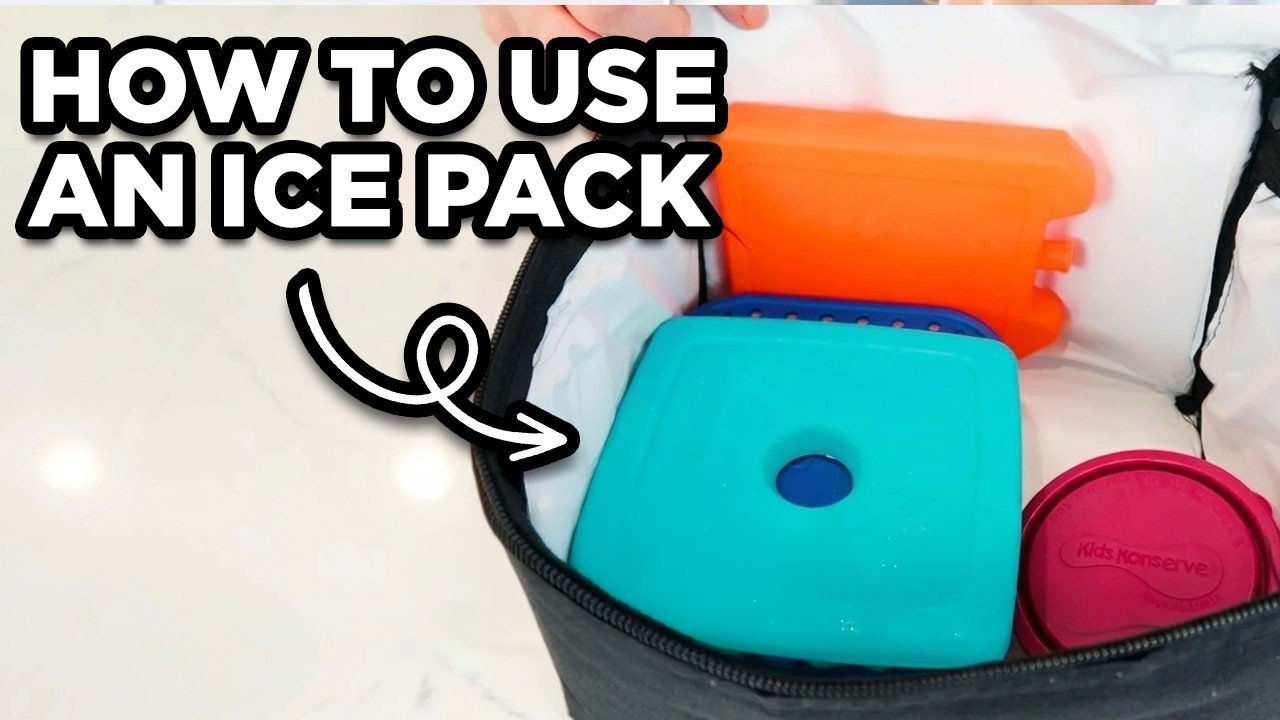
Using Ice Packs The Right Way
Ice packs are a simple and effective way to keep yogurt cold. But their placement and type matter.
Types Of Ice Packs
- Gel packs: Stay cold for hours, flexible, reusable.
- Hard packs: Last long but take up more space.
- DIY packs: Freeze a sponge in a zip bag or use frozen grapes.
Where To Place Ice Packs
- Direct contact: For best results, place the ice pack directly next to the yogurt.
- Surrounding: If you have more than one, put packs above and below the yogurt.
| Ice Pack Placement | Cooling Effect | Best For |
|---|---|---|
| Next to yogurt | Maximum | Single cup containers |
| Above and below | High | Stacked containers |
| Loose in bag | Low | Multiple food items |
Practical Tips
- Use more than one ice pack if possible.
- Freeze the yogurt itself overnight (see next section) for extra chill.
- If packing other foods, keep them together—grouped cold items stay cold longer.
Freezing Yogurt: Does It Work?
Many people wonder if you can freeze yogurt before putting it in a lunch box. The answer: yes, but with some trade-offs.
Frozen yogurt can help keep itself and nearby foods cold. By lunchtime, it will usually thaw to a soft, creamy texture, especially if packed in the morning.
How To Freeze Yogurt For Lunch
- Single-serve cups: Place unopened, sealed yogurt cups in the freezer overnight. They’ll be icy in the morning.
- Homemade portions: Scoop yogurt into a freezer-safe container, leaving space at the top (yogurt expands when frozen).
- Yogurt tubes: These freeze quickly and are great for kids.
Things To Consider
- Texture may change slightly—frozen yogurt can be a bit grainy.
- Stir before eating for best flavor.
- Add mix-ins (fruit, granola) after thawing, not before freezing.
Freezing is especially useful in hot climates or long travel days.
Layering And Packing For Maximum Cool
How you pack your lunch box matters. The right layering keeps yogurt colder, longer.
Step-by-step Packing Method
- Start with a cold, insulated lunch box.
- Place an ice pack at the bottom.
- Set your yogurt (or yogurt container) directly on the ice pack.
- If you have more than one ice pack, add another on top of the yogurt.
- Pack other cold foods (cheese, fruit) around the yogurt to help insulate.
- Fill empty spaces with napkins or a small towel—this reduces air and helps insulation.
Tip: Avoid opening the lunch box often before eating. Each time you open it, you let in warm air.
Choosing The Right Yogurt For Lunch Boxes
Not all yogurts handle warm temperatures the same way. Some types are better for lunch boxes.
Yogurt Types Compared
| Yogurt Type | Portability | Texture After Freezing | Best For |
|---|---|---|---|
| Greek yogurt | High (thick, less mess) | Good (holds up well) | Kids, active people |
| Regular yogurt | Medium | OK (may separate) | Adults, short trips |
| Yogurt tubes | Excellent | Very good | Children, snacks |
| Drinkable yogurt | High | Poor (may curdle) | Quick meals |
Greek yogurt is thicker and less likely to leak. Yogurt tubes are easy for kids and handle freezing well.
Mistakes To Avoid
Even with good intentions, it’s easy to make small errors that make yogurt warm up too quickly.
- Skipping ice packs: Even if the lunch is in the fridge before leaving, ice packs are needed for hours at room temperature.
- Using thin lunch bags: Basic fabric or plastic bags offer little insulation.
- Packing warm yogurt: Always start with cold (fridge-temperature) yogurt.
- Packing with hot foods: Warm items in the same box will heat up the yogurt.
- Not sealing containers well: Leaks can make other foods soggy and waste yogurt.

Credit: redheadmom.com
Two Non-obvious Insights For Keeping Yogurt Cold
- Pre-chill your lunch box: Place your empty lunch box in the fridge or freezer for 30 minutes before packing. This gives all contents a cold head start.
- Use frozen fruit as an ice pack: Add frozen berries or mango to your yogurt cup. They keep yogurt cold and are delicious once thawed.
Many beginners overlook these simple tricks, but they make a noticeable difference.
Real-world Examples
- School lunch: A parent packs a frozen yogurt tube with an ice pack in an insulated bag. By noon, the yogurt is soft and cold, perfect for eating.
- Office worker: Stores yogurt in a stainless steel thermos with ice packs above and below. The yogurt stays cold even after 5 hours.
- Picnic: Uses a cooler bag with frozen drinks as ice packs. Yogurt cups are placed near the frozen bottles, staying safe for hours.
Credit: www.youtube.com
Caring For Your Lunch Gear
To keep your gear working well:
- Clean containers and lunch boxes daily to avoid bacteria buildup.
- Check for cracks in ice packs—replace if leaking.
- Let lunch gear dry completely to prevent mold.
Good maintenance means your yogurt stays safe and your lunch box lasts longer.
What Science Says About Yogurt Safety
Food safety experts agree: cold chain (keeping food cold from fridge to table) is key for dairy products. According to the USDA, most outbreaks from yogurt and dairy happen when foods sit in the “danger zone” (40°F–140°F) for too long.
Even a difference of 10°F can double bacteria growth in just 20 minutes. That’s why good packing habits are so important, especially for kids, seniors, and anyone with a weaker immune system.
You can learn more about food safety guidelines from FoodSafety.gov.

Credit: www.amazon.de
Frequently Asked Questions
How Long Can Yogurt Safely Stay In A Lunch Box?
Yogurt can stay safe for up to 2 hours without ice packs, or up to 5-6 hours with proper insulation and ice packs. In hot weather, always use at least one ice pack and an insulated bag.
Can I Put Yogurt Directly In The Freezer Before Lunch?
Yes, freezing yogurt is safe and helps keep it cold. The texture may become a bit icy, but it will thaw by lunchtime. For best results, freeze single-serve containers or yogurt tubes.
What Should I Do If My Yogurt Gets Warm?
If yogurt feels warm (above room temperature), it’s safest to throw it away. Eating warm yogurt can increase the risk of food poisoning, even if it smells and looks fine.
Is Greek Yogurt Better Than Regular Yogurt For Lunch Boxes?
Greek yogurt is thicker and holds up better to temperature changes. It’s less likely to leak and usually tastes better after freezing and thawing compared to regular yogurt.
Are There Any Alternatives To Ice Packs?
Yes. You can use frozen juice boxes, bottles of water, or even frozen fruit as ice packs. These help keep your yogurt cold and serve as an extra snack or drink once thawed.
Packing yogurt safely doesn’t have to be hard. With the right strategies, you can enjoy fresh, delicious yogurt anywhere—worry-free. A little planning goes a long way to protect your health and keep lunchtime enjoyable.