Skip to content
Making your own baby food might seem like a big task, especially when you are just starting out. Many parents wonder how to make baby food in blender because they want the best for their little ones. It can feel a bit overwhelming with all the options and things to think about.
But guess what? It’s actually quite simple! With a few easy steps and your blender, you can make healthy and tasty purees for your baby.
Let’s get started and see how simple it can be.
Key Takeaways
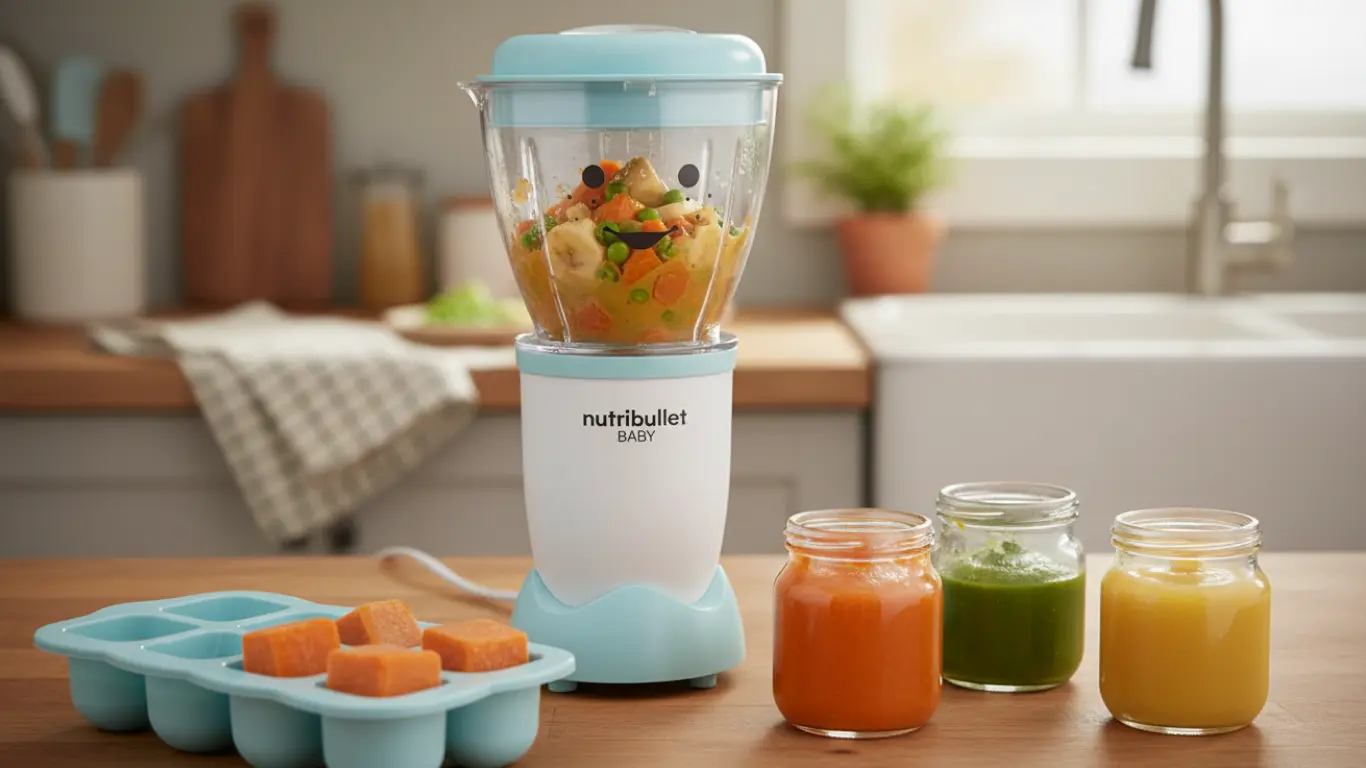
- You can easily prepare homemade baby food using a blender.
- Selecting and preparing fruits and vegetables is the first step.
- Steaming or boiling makes ingredients soft and easy to blend.
- Adding liquid helps achieve the right smooth consistency.
- Portioning and storing baby food properly keeps it fresh.
- This method saves money and gives you control over ingredients.
Making Baby Food With A Blender
Making baby food at home is a wonderful way to ensure your little one eats nutritious meals. Many parents look for the best methods for how to make baby food in blender because it’s a fast and efficient tool for pureeing. It allows you to turn simple fruits and vegetables into smooth meals your baby will love.
Plus, you know exactly what’s going into their food, avoiding added sugars, salts, and preservatives often found in store-bought options. It’s a rewarding process that connects you more closely to your baby’s development and health.
Why Use A Blender For Baby Food
A blender is perfect for making baby food because it can achieve a very smooth consistency. This is important for babies who are just starting solids. They need purees that are easy to swallow.
Blenders can handle a variety of ingredients, from soft fruits to cooked vegetables and even meats. They reduce food into a fine texture that is safe for young infants. Using a blender also means you can make large batches, saving you time during busy weeks.
You can simply blend, portion, and freeze for later use.
Choosing Your Ingredients
The first step in making baby food is picking the right ingredients. You want to start with fresh, ripe fruits and vegetables. Good choices for beginners include sweet potatoes, carrots, peas, apples, and bananas.
These are naturally sweet and packed with nutrients. Always wash your produce thoroughly before you begin. For vegetables like carrots and sweet potatoes, it’s best to cook them until they are very soft.
Soft fruits like bananas or ripe pears can often be blended raw.
Popular First Foods
When introducing solids, it’s wise to choose single-ingredient purees. This helps you identify any potential allergies. Here are some great first foods:
- Sweet Potatoes
- Carrots
- Peas
- Apples
- Pears
- Bananas
- Avocado
These foods are generally well-tolerated by most babies. They offer a good range of vitamins and minerals.
Preparing Your Ingredients
Once you have chosen your ingredients, preparation is key to getting that smooth puree. For most fruits and vegetables, cooking them until they are very tender is the best approach. This makes them easier to blend and digest.
You can steam, boil, or roast your ingredients.
Steaming
Steaming is a great method because it preserves more nutrients than boiling. Place your chopped fruits or vegetables in a steamer basket over simmering water. Cover and steam until they are fork-tender.
For example, carrots and broccoli steam beautifully this way.
Boiling
Boiling is also effective. Simply place your chopped ingredients in a pot with a small amount of water. Cook until soft.
Drain the water thoroughly after cooking.
Roasting
Roasting brings out a natural sweetness in vegetables like sweet potatoes, butternut squash, and carrots. Toss them with a tiny bit of water or a healthy oil and roast until tender.
Raw Preparation
Some fruits, like bananas and ripe pears, can be blended raw. Avocados are also excellent when blended raw. Make sure they are very ripe for the smoothest texture.
The Blending Process
Now comes the exciting part: blending! This is where your blender really shines in helping you how to make baby food in blender.
Step-by-Step Blending
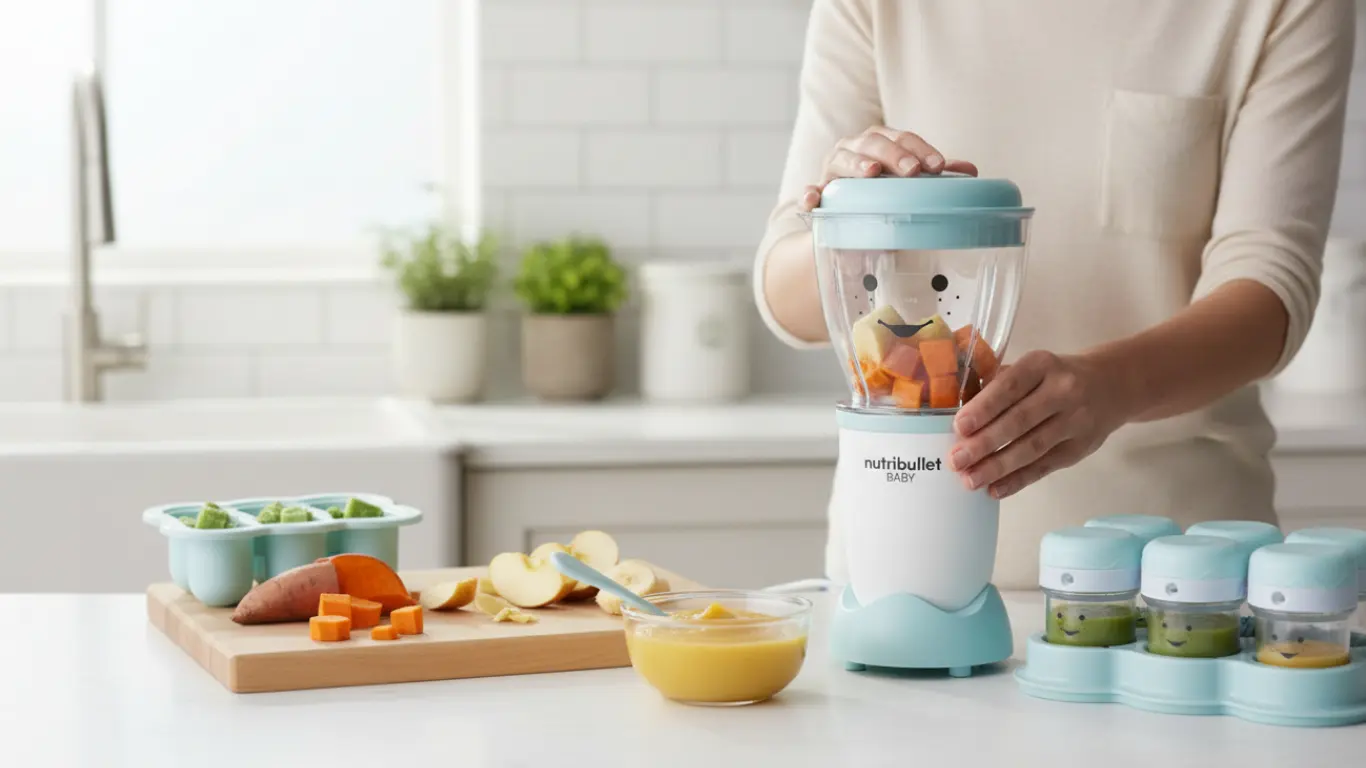
Here’s how to get that perfect puree:
- Place your cooked and cooled (or raw, if appropriate) ingredients into your blender.
- Add a small amount of liquid. This could be breast milk, formula, or plain water. Start with just a tablespoon or two.
- Begin blending on a low speed, then increase as needed.
- Scrape down the sides of the blender if necessary.
- Continue blending until the mixture is completely smooth. For older babies, you can leave a slightly chunkier texture.
- Check the consistency. If it’s too thick, add a little more liquid and blend again.
The amount of liquid you need will depend on the ingredients you are using. For example, watery fruits like watermelon will need less added liquid than dense vegetables like sweet potatoes.
Achieving the Right Texture
The goal for a baby’s first purees is a very smooth, lump-free consistency. This is crucial for babies who are just learning to swallow solids. If your blender struggles to get it perfectly smooth, you might need to blend for a longer period or add a bit more liquid.
For babies who are a bit older and moving to more textured foods, you can adjust the blending time. Blend for shorter periods to create a slightly thicker texture with tiny soft lumps. This helps them practice chewing.
Adding Flavor and Variety
Once your baby has tried a few single-ingredient purees and you know they tolerate them well, you can start combining flavors. This makes mealtime more exciting and introduces your baby to new tastes.
Simple Combinations
Here are some ideas for tasty combinations:
- Apple and Cinnamon
- Pear and Ginger (use a tiny pinch of ginger)
- Sweet Potato and Carrot
- Peas and Mint (a very small amount of fresh mint)
- Broccoli and Cheese (use mild cheese, cooked into the puree)
Always introduce new combinations one at a time to monitor for any reactions. Spices like cinnamon or a tiny hint of herbs can add lovely depth without being overpowering.
Storing Your Homemade Baby Food
Proper storage is important to keep your homemade baby food safe and fresh. You’ll want to prepare enough for several meals so you don’t have to blend every single day.
Cooling
Always let your baby food cool down completely before storing it. Putting hot food directly into the refrigerator or freezer can raise the temperature of other foods.
Refrigeration
Homemade baby food can be stored in an airtight container in the refrigerator for up to 3 days. Make sure your containers are clean.
Freezing
Freezing is a great way to store larger batches. You can use small freezer-safe containers or ice cube trays. Once frozen, transfer the cubes to a freezer bag for longer storage.
Frozen baby food can last for about 1 to 2 months.
Using Ice Cube Trays
Ice cube trays are perfect for single servings. Fill each cube with your puree and freeze. Once solid, pop the cubes out and store them in a freezer bag.
This makes it easy to grab just one or two cubes for a meal.
Thawing and Reheating
To thaw frozen baby food, place it in the refrigerator overnight or warm it gently in a saucepan or microwave-safe bowl. If reheating in the microwave, stir well to ensure even heating and check the temperature before serving to avoid hot spots.
Tips for Success
Here are some extra tips to make your experience with how to make baby food in blender even smoother:
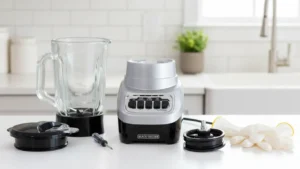
- Invest in a good quality blender. It doesn’t have to be the most expensive, but one that can handle small batches and purees well is ideal.
- Start with a few ingredients your baby might like. See what they respond to.
- Don’t be afraid to experiment with different fruits and vegetables as your baby gets older and has tried more foods.
- Clean your blender immediately after use. This prevents food from drying and becoming difficult to remove.
- Consider using a food mill or a hand blender if you don’t have a full-sized blender, though a blender offers the smoothest results.
- Always check the temperature of the food before giving it to your baby.
Frequently Asked Questions
Question: What is the best consistency for a baby’s first purees?
Answer: For a baby’s very first purees, aim for a very smooth, thin consistency. It should be easily spoonable and free of any lumps, similar to a thick liquid.
Question: How long does homemade baby food last?
Answer: Refrigerated homemade baby food lasts about 3 days. Frozen baby food can be stored for 1 to 2 months.
Question: Can I use frozen fruits and vegetables to make baby food?
Answer: Yes, you can use frozen fruits and vegetables. Make sure to cook them thoroughly until soft before pureeing. They are often picked at peak ripeness and are a convenient option.
Question: Do I need to add salt or sugar to my baby’s food?
Answer: No, you should not add salt or sugar to your baby’s food. Babies do not need these, and it’s best to let them develop a taste for natural flavors.
Question: How much baby food should I make at one time?
Answer: It depends on how often your baby eats and how much they consume. Making a few batches that last a few days or filling a few ice cube trays for freezing is a common approach.
Final Thoughts
Making your own baby food with a blender is a simple and rewarding process. You gain full control over the ingredients, ensuring your baby eats wholesome meals. This approach is cost-effective and allows you to introduce a wide variety of tastes.
With basic fruits and vegetables, a blender, and a little liquid, you can create perfect purees for your little one. Start simple, observe your baby’s reactions, and enjoy this feeding adventure.

I’m Joshua Miller, a U.S.-based food enthusiast and Co-Founder of KitchenWink.com. With a Bachelor’s degree in Food Science and over five years of hands-on experience testing blenders, coffee makers, and other kitchen tools, I focus on real-world results—not lab theories.
As a home cook, I personally test every product in real kitchens to give you honest, practical advice that makes everyday cooking easier.