Skip to content
Making delicious ice cream at home without dairy is easier than you might think. With the right ingredients and an ice cream maker, you can enjoy creamy, flavorful desserts even if you’re avoiding milk, cream, or eggs. Dairy free ice cream is not just for people with allergies or lactose intolerance—it’s also a great way to try new flavors, use healthier fats, or enjoy plant-based treats. This guide will walk you through everything you need to know to make dairy free ice cream in an ice cream maker. From picking the best base, to tips for creaminess, to practical recipes and troubleshooting, you’ll be ready to create your own frozen masterpieces.
Why Make Dairy Free Ice Cream?
Many people turn to dairy free ice cream for health, dietary, or ethical reasons. Some are lactose intolerant, some avoid animal products, and others just want to try something new. Dairy free options can also be lower in cholesterol and sometimes have fewer calories, depending on the recipe.
Beyond restrictions, making ice cream at home gives you full control over ingredients. You can avoid artificial flavors, colors, and excessive sugar. You can also adjust sweetness, add superfoods, or use seasonal fruits. Homemade dairy free ice cream can taste just as rich and satisfying as traditional versions—sometimes even better.
How Dairy Free Ice Cream Differs From Dairy Ice Cream
Traditional ice cream relies on milk, cream, and eggs for its creamy texture and full flavor. When you take out the dairy, you need to replace both the fat (for richness and smoothness) and the sugar (for taste and softness).
Most dairy free recipes use plant milks, nut butters, coconut milk, or even fruit as the main base.
The big challenge is texture. Dairy fat freezes differently than plant-based fats. Without the right ratio, your ice cream can end up icy or hard. Sugar also helps keep ice cream soft, so reducing sugar (or using sugar substitutes) means you need to adjust your recipe for scoopability.
In the past, dairy free ice cream was often gritty or watery. Today, with better ingredients and ice cream makers, you can get smooth, creamy results with a few simple tweaks.
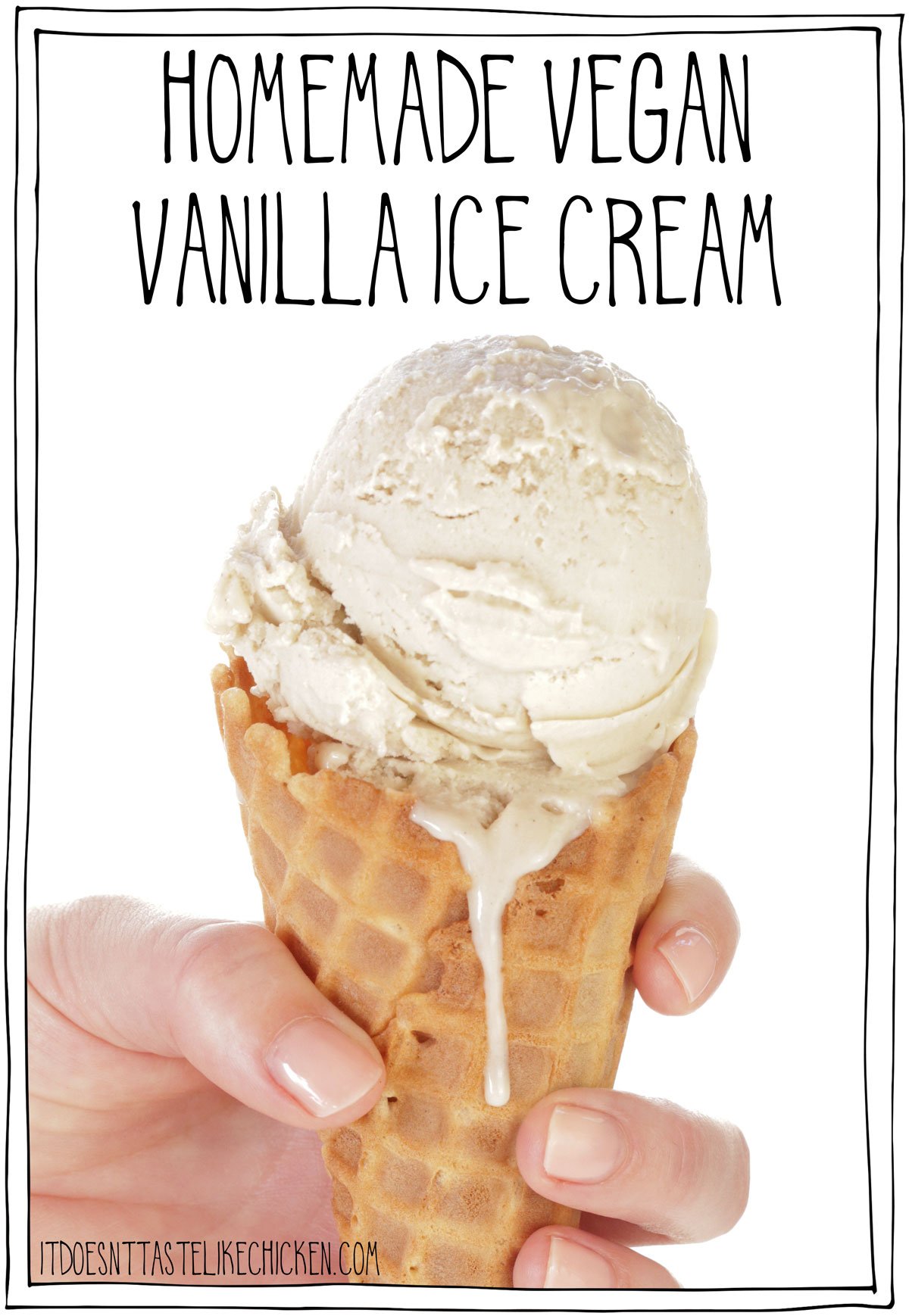
Credit: itdoesnttastelikechicken.com
Choosing The Best Dairy Free Base
Your ice cream’s base is the most important decision. The base affects texture, flavor, and nutrition.
Common Dairy Free Bases
1. Coconut Milk
Full-fat coconut milk is rich, creamy, and works well for most flavors. It’s naturally sweet and has a subtle coconut taste that pairs well with chocolate, tropical fruits, and nuts.
2. Almond Milk
Almond milk is lighter than coconut milk. It’s good for lighter flavors or if you want to reduce calories. You might need to add a thickener (like cashews, arrowroot, or a small amount of coconut cream) for extra creaminess.
3. Cashew Cream
Soaked cashews blended with water create a smooth, neutral base. Cashews add fat and protein, making the ice cream thick and satisfying without a strong flavor.
4. Oat Milk
Oat milk is slightly sweet and mild. It’s good for coffee or caramel flavors. Some oat milks have added oils or thickeners—these can help the ice cream’s texture.
5. Soy Milk
Soy milk is high in protein and works well for chocolate or coffee ice cream. Like almond milk, it can be a bit thin, so add a bit more fat for creaminess.
6. Banana Or Avocado
Bananas and avocados can be blended into the base for added creaminess and natural sweetness. They work best with fruit or chocolate flavors.
Comparing Dairy Free Bases
Here is a comparison of the most common dairy free bases for ice cream:
| Base | Creaminess | Flavor Impact | Best For |
|---|---|---|---|
| Coconut Milk | High | Mild coconut | Chocolate, tropical, vanilla |
| Almond Milk | Medium | Nutty, mild | Fruit, nut flavors |
| Cashew Cream | High | Neutral | Any flavor |
| Oat Milk | Medium | Mild, sweet | Coffee, caramel, fruit |
| Soy Milk | Medium | Beany, mild | Chocolate, coffee |
| Banana/Avocado | Medium | Strong (banana/avocado) | Fruit, chocolate |
Non-obvious insight: For the creamiest results, many experts blend two bases (like coconut milk plus cashew cream) to balance flavor and texture. Experiment with ratios to find your favorite combination.
Key Ingredients For Dairy Free Ice Cream
Sweeteners
Sugar does more than add sweetness—it keeps ice cream soft and scoopable. You can use:
- Cane sugar: Classic, reliable, works in almost any recipe.
- Maple syrup or agave: For natural sweetness and a subtle flavor boost.
- Coconut sugar: Adds a caramel taste, but can darken the ice cream.
- Date syrup or blended dates: For whole-food sweetness, especially in chocolate or caramel flavors.
- Sugar substitutes: Erythritol, monk fruit, or allulose work for low-sugar versions, but you may need to add a small amount of real sugar for texture.
Fats
Fats add richness and help trap air as the ice cream churns.
- Coconut cream: High in fat, makes ice cream very creamy.
- Nut butters: Almond, cashew, or peanut butter add flavor and smoothness.
- Avocado: Blends well for chocolate or mint ice cream, adds healthy fats.
Thickeners And Stabilizers
Plant-based ice cream can be icy. Thickeners help create a smooth scoop.
- Arrowroot starch or cornstarch: A little bit (1-2 teaspoons per batch) thickens the base.
- Guar gum or xanthan gum: Just a pinch helps prevent ice crystals.
- Blended soaked cashews: Acts as both a thickener and fat source.
- Chia or flaxseed gel: Can thicken, but may add texture.
Flavorings
- Vanilla extract: Essential for almost all bases.
- Cocoa powder or melted chocolate: For chocolate ice cream.
- Fruit purees: Strawberries, mango, blueberries.
- Coffee or matcha: For a caffeine kick.
- Spices: Cinnamon, nutmeg, or cardamom for unique flavors.
Non-obvious insight: Adding a tiny pinch of salt brightens flavors and balances sweetness—even in sweet recipes.
Tools You Need
An ice cream maker is the main tool. There are two main types:
- Freezer bowl models: You freeze the bowl overnight, then churn the ice cream in it.
- Compressor models: These chill the mixture as it churns (more expensive, but more convenient).
Other tools:
- Blender or food processor: For blending nuts, fruits, or thick bases.
- Mixing bowls, spatula, measuring cups: For preparing your mix.
- Airtight containers: For storing finished ice cream.
Step-by-step: Making Dairy Free Ice Cream In An Ice Cream Maker
Follow these steps for perfect results every time.
1. Choose And Prep Your Base
Decide on your base (e. g. , coconut milk, cashew cream). If using nuts, soak them for at least 2 hours and drain before blending. Measure out all ingredients so you’re ready to go.
2. Blend The Ingredients
In a blender, combine your base, sweetener, fats, and flavorings. Blend until completely smooth. If you see any lumps, blend again—smoothness now means creaminess later.
3. Chill The Mixture
Pour the blended mixture into a bowl and chill in the fridge for at least 2 hours (overnight is best). Cold mix churns better and traps more air, making the ice cream lighter.
4. Churn In The Ice Cream Maker
Set up your ice cream maker according to the instructions. Pour in the cold mixture and start churning. Most machines take 20–30 minutes. The ice cream will thicken and become soft-serve consistency.
5. Add Mix-ins
If you want to add chocolate chips, nuts, or fruit chunks, do this in the last 5 minutes of churning. This keeps them from sinking to the bottom.
6. Freeze For Scoopable Texture
Transfer the churned ice cream to an airtight container. For firmer, scoopable texture, freeze for 2–4 hours. If the ice cream gets too hard, let it sit at room temperature for 10–15 minutes before scooping.
Dairy Free Ice Cream Recipe Examples
Below are three classic recipes for dairy free ice cream using different bases. Each makes about 1 quart (4 servings).
1. Coconut Vanilla Ice Cream
Ingredients:
- 2 cans (13.5 oz each) full-fat coconut milk
- 2/3 cup cane sugar
- 2 tablespoons coconut oil (optional, for extra creaminess)
- 2 teaspoons pure vanilla extract
- 1/8 teaspoon salt
Instructions:
- Whisk all ingredients together in a bowl or blend until smooth.
- Chill for at least 4 hours.
- Pour into your ice cream maker and churn according to instructions (about 25 minutes).
- Transfer to a container, freeze 2–4 hours, then enjoy.
Tips:
Coconut milk sometimes separates. Shake the cans well before using, or blend for a smoother base.
2. Chocolate Cashew Ice Cream
Ingredients:
- 1 1/2 cups raw cashews, soaked 2 hours and drained
- 1 1/2 cups water or almond milk
- 1/2 cup maple syrup
- 1/3 cup cocoa powder
- 1 teaspoon vanilla extract
- 2 tablespoons melted coconut oil
- 1/4 teaspoon salt
Instructions:
- Blend all ingredients until completely smooth and creamy.
- Chill in the fridge for at least 2 hours.
- Churn in your ice cream maker (about 20 minutes).
- Freeze until firm, then scoop and serve.
Tips:
If you like a richer chocolate taste, add 1–2 ounces melted dark chocolate to the blender.
3. Strawberry Oat Milk Ice Cream
Ingredients:
- 2 cups oat milk (full-fat preferred)
- 1 cup fresh strawberries, hulled
- 1/2 cup cane sugar or agave
- 1/2 cup raw cashews, soaked and drained
- 2 tablespoons coconut oil
- 1 teaspoon lemon juice
- 1 teaspoon vanilla extract
Instructions:
- Blend all ingredients until completely smooth.
- Chill for 2 hours.
- Churn in your ice cream maker (about 20–25 minutes).
- Freeze for 2 hours for a scoopable texture.
Tips:
For extra strawberry flavor, swirl in chopped strawberries during the last minutes of churning.
How To Improve Creaminess
Even with the best recipe, plant-based ice cream can sometimes turn icy. Here’s how to keep it creamy:
- Use full-fat bases (like coconut milk or blended cashews).
- Add a tablespoon of alcohol (like vodka or rum) to lower the freezing point and keep the ice cream softer. It won’t taste alcoholic.
- Don’t skimp on sugar—too little can make the ice cream hard.
- Churn only until thick and fluffy; over-churning can break down the structure.
- Use stabilizers like guar gum or a tiny pinch of xanthan gum if you want a professional texture.
Flavor Ideas And Customization
One of the best things about homemade dairy free ice cream is customization. Try these ideas:
- Mint chocolate chip: Add 1/2 teaspoon peppermint extract and fold in chocolate chips.
- Salted caramel: Swirl in a dairy free caramel sauce and sprinkle with sea salt.
- Cookies and cream: Crush dairy free sandwich cookies and fold them in at the end.
- Lemon blueberry: Add lemon zest to the base and swirl in blueberry compote.
Pro tip: For fruit ice creams, roast or cook the fruit first to concentrate the flavor and remove excess water. This keeps the ice cream creamy, not icy.
Storing And Serving Dairy Free Ice Cream
Homemade ice cream is best eaten fresh, but you can store it for up to 2 weeks in the freezer.
- Store in an airtight container to prevent freezer burn.
- Press a piece of parchment paper directly onto the surface to reduce ice crystals.
- If the ice cream is too hard, let it thaw for 10–15 minutes before scooping.
- For best flavor, avoid storing near strong-smelling foods in the freezer.
Comparing Dairy Free Ice Cream To Store-bought
How does homemade compare to what you buy at the store? Here’s a practical look:
| Factor | Homemade | Store-Bought |
|---|---|---|
| Ingredients | Fully controlled, natural | May contain gums, emulsifiers, preservatives |
| Texture | Customizable, can be very creamy | Usually very creamy (due to stabilizers) |
| Flavor | Fresh, customizable | Wide variety, but less fresh |
| Cost | Usually cheaper per batch | Can be expensive per pint |
| Dietary Control | Allergens and sugar fully controlled | Possible cross-contamination or hidden ingredients |
Non-obvious insight: Store-bought dairy free ice cream can sometimes be more stable and scoopable due to commercial stabilizers. But homemade lets you skip additives, adjust sweetness, and avoid allergens.
Troubleshooting Common Problems
Even experienced cooks can hit snags. Here’s how to fix common issues:
Ice Cream Is Too Hard
- Add more fat (coconut cream, nut butter) or a tablespoon of alcohol.
- Increase sugar slightly.
- Let thaw before scooping.
Ice Cream Is Icy
- Make sure the base is fully blended and chilled.
- Use stabilizers like guar gum or arrowroot.
- Avoid adding watery fruits without reducing their water content.
Ice Cream Didn’t Set
- The base may be too thin—add more fat or thickeners next time.
- Churn longer, but don’t over-churn.
- Make sure the ice cream maker bowl is fully frozen (if using a freezer bowl model).
Off Flavors
- Use pure vanilla and high-quality cocoa or fruit.
- Avoid overripe bananas or avocados for neutral bases.
Health And Nutrition Tips
Dairy free ice cream can be healthier, but not always. Pay attention to:
- Sugar content: Some recipes are high in sugar for texture.
- Fat content: Coconut milk and nut butters are calorie-dense.
- Allergens: Many dairy free bases use nuts or soy—watch if you have allergies.
- Add-ins: Choose dark chocolate, roasted nuts, or fresh fruits for nutrition.
Practical tip: For lower calories, use unsweetened almond or oat milk, and blend in frozen bananas for natural sweetness.
Making Dairy Free Ice Cream Without An Ice Cream Maker
If you don’t have an ice cream maker, you can still make dairy free ice cream with a few adjustments.
- Use a strong blender to blend your base and freeze in a shallow dish.
- Every 30 minutes, stir vigorously with a fork or whisk to break up ice crystals. Repeat 3–4 times.
- You can also try “nice cream”—blend frozen bananas with a splash of non-dairy milk until smooth.
The texture won’t be as light, but you’ll still get a creamy treat.
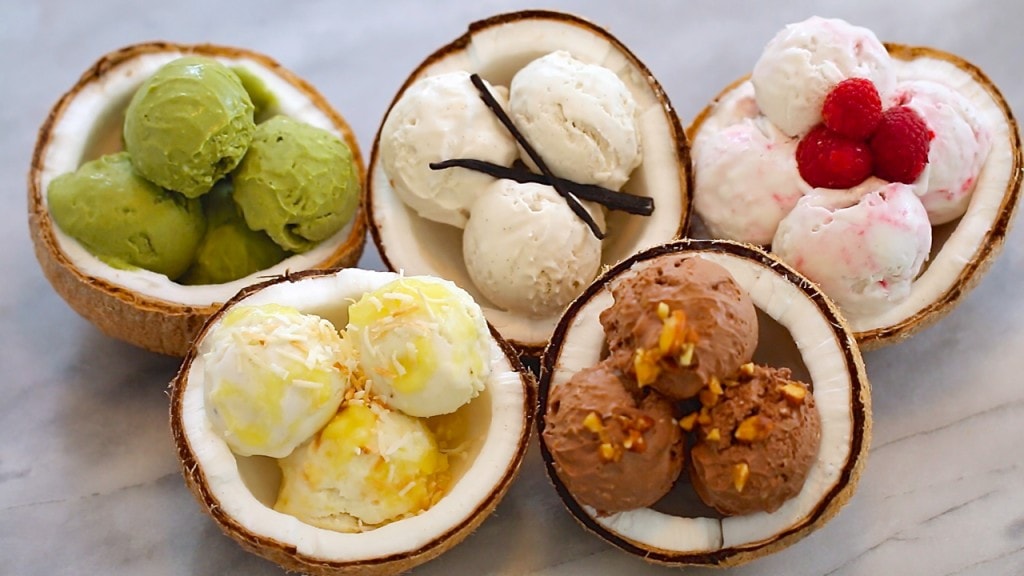
Credit: www.biggerbolderbaking.com
Where To Find More Dairy Free Ice Cream Inspiration
Many cookbooks, food blogs, and vegan websites have excellent dairy free ice cream recipes. For scientific background on ice cream making, check out the Wikipedia Ice Cream entry.
Frequently Asked Questions
How Long Does Dairy Free Ice Cream Last In The Freezer?
Dairy free ice cream is best eaten within 1–2 weeks for the best flavor and texture. Over time, it can get icy or lose its creaminess. Always store in an airtight container and cover the surface with parchment or plastic wrap.
Can I Use Any Plant Milk For Ice Cream?
You can use almost any plant milk, but results vary. Thinner milks (like rice or skim almond) make icier ice cream. For best results, use full-fat coconut, cashew, or oat milk, or blend in nuts for extra creaminess.
Why Is My Dairy Free Ice Cream Icy?
Icy texture often means not enough fat or sugar, or the base wasn’t fully blended. Try adding more fat (coconut cream, nut butter), blending thoroughly, and using a stabilizer like guar gum. Make sure your mix is cold before churning.
Can I Make Dairy Free Ice Cream Without Nuts?
Yes! Use coconut milk, oat milk, soy milk, or avocado as your base. For nut-free creaminess, blend seeds (like sunflower) or use commercial nut-free plant milks with added fat.
What’s The Best Way To Add Flavors Or Mix-ins?
Add extracts (like vanilla or peppermint) to the base before churning. For mix-ins like fruit, chocolate, or nuts, add them in the last 5 minutes of churning to keep them evenly distributed.
Making dairy free ice cream in an ice cream maker opens a world of frozen dessert possibilities. With the right base, a few simple tools, and a little creativity, you can make treats that are just as creamy, sweet, and satisfying as any dairy version.
Whether you’re vegan, lactose intolerant, or just love experimenting, homemade dairy free ice cream is a delicious way to cool down and enjoy dessert your way.
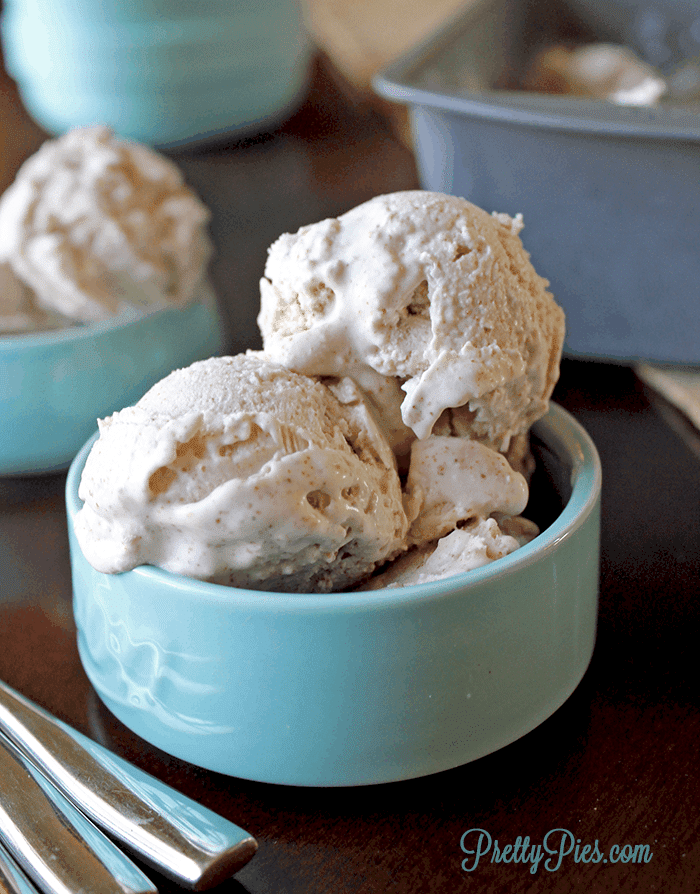
Credit: prettypies.com